





Fifteen years ago, an invitation to join a friend for a week at a California health and wellness retreat was politely declined. The destination in question was the Ranch, a celebrated wellness retreat known for punishing all-day hikes and a strictly controlled caloric intake, echoing the ethos of its sister property, the Ashram. Back then, the prospect of austere boot camps and relentless physical exhaustion held little appeal. But a four-night stay at the Ranch Hudson Valley, the esteemed East Coast outpost of the beloved Malibu original, reveals an entirely different proposition. This destination proves to be neither an unyielding military-style boot camp nor a hyper-clinical, cutting-edge wellness laboratory. Instead, it strikes a rare balance of restorative luxury and physical challenge—and that precise duality appears to be its greatest draw.
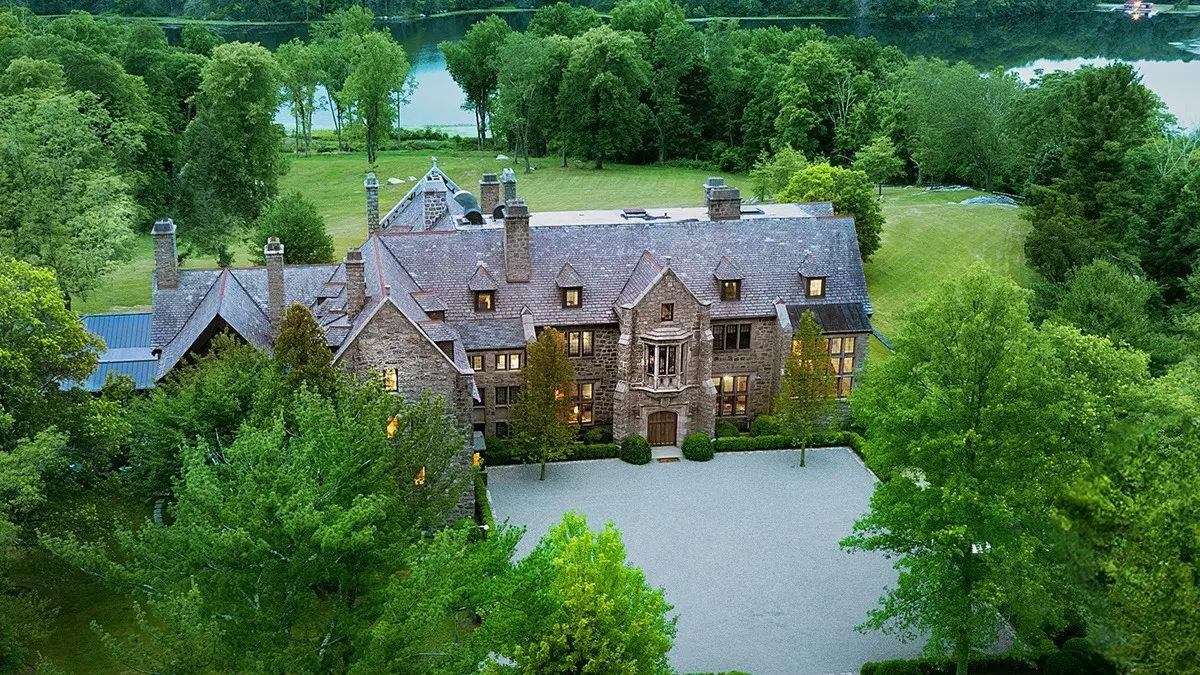
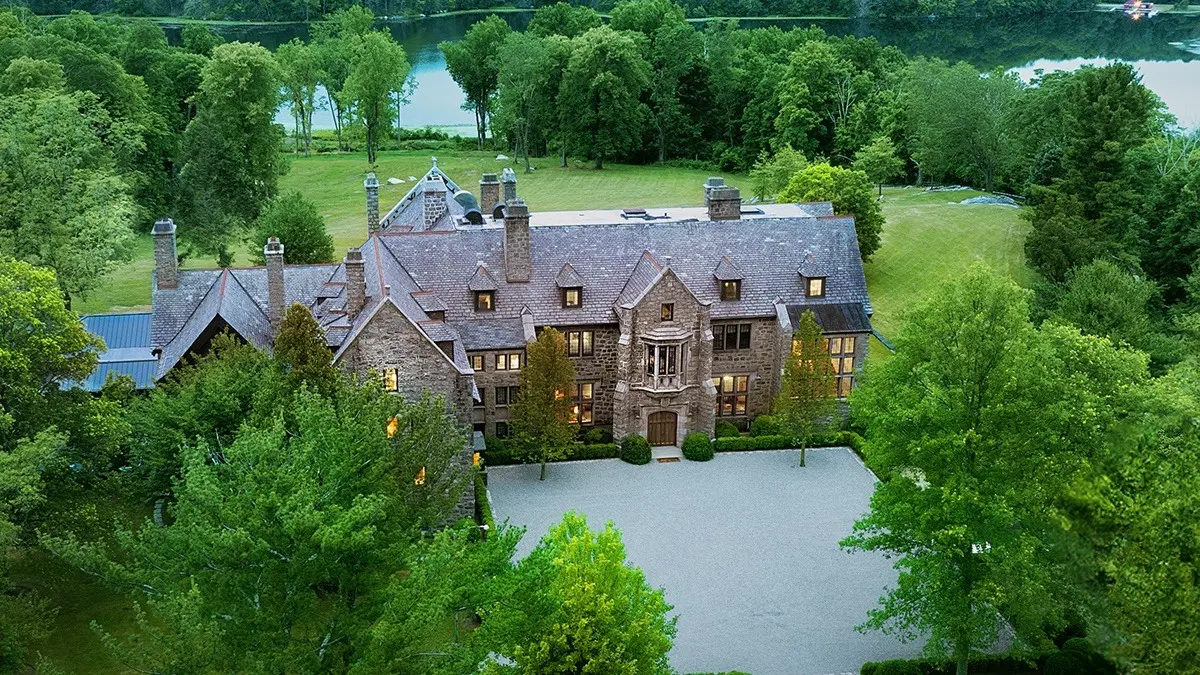
Following a quick, seamless 50-minute drive from Manhattan, guests arrive at Table Rock, a magnificent 1904 estate originally constructed as an expansive country home. Built during the height of the Gilded Age, the property boasts over 40,000 square feet of historic architecture. It was originally commissioned for William Pierson Hamilton, the great-grandson of Alexander Hamilton, and his wife, Juliet Pierpont Morgan, the daughter of legendary financier J.P. Morgan. The Ranch acquired the historic estate, along with approximately 200 surrounding acres, in 2023. They meticulously preserved its near-pristine Gilded Age character before opening the Ranch Hudson Valley to the public the following year.
Upon arrival, visitors are affectionately dubbed "Ranchers" and assigned individual, uniquely named guest rooms. One room, nestled cozily under a third-floor gable, is aptly named Ranger. Eschewing traditional hotel formalities, rooms feature no keys, fostering an intimate atmosphere that feels less like a commercial resort and more like staying at a sprawling, historic country estate owned by a generous friend—albeit one with 26 distinct bedrooms. Further breaking from hospitality convention, staff and guests communicate primarily via walkie-talkies rather than traditional hotel room telephones, creating a unique sense of camaraderie and immediacy across the sprawling historic grounds.

The community of 25 Ranchers assembled for the retreat reflects a diverse cross-section of wellness seekers. The roster includes three mother-daughter pairs, three married couples, and a trio of longtime friends embarking on an annual girlfriend getaway. Men make up a smaller fraction, with only five in attendance, while the vast majority arrive solo, seeking either a brief mental respite or a comprehensive health reset. The generational span across the group stretches exactly 60 years, highlighted by an octogenarian participant who quickly earns widespread reverence among fellow guests for her remarkable physical fitness and stamina on the trails. While the majority of attendees hail from nearby New York, others journey from as far afield as Bulgaria and Australia, all drawn by the promise of an invigorating outdoor challenge.
The program begins gently, though not entirely without unexpected wilderness encounters. The initial arrival afternoon consists of a grounding breath-work class followed by a short, introductory hike across the property. To the initial dismay of participants, the walk includes an unexpected sighting of a timber rattlesnake, immediately reminding guests that they are deeply immersed in the rugged American landscape.
Before evening descends and dinner is served, guests can unwind in the estate’s sunlit solarium, which features an infrared sauna equipped with a grand picture window overlooking the serene lake. However, the first full day of the program significantly ramps up the intensity. At six in the morning, an overnight staff member gently awakens guests by ringing a traditional Tibetan chime outside each door. Fifteen minutes later, the group gathers downstairs in the main living room. The morning routine kicks off with cherished mugs of coffee—a luxury strictly limited to the breakfast hour—followed by a mandatory 20-minute group stretching session designed to prepare the body for the physical toll ahead, concluding with a light, purposeful morning meal.

The definitive signal that physical endurance is about to be severely tested arrives quietly, yet universally: repeat guests immediately begin wrapping their feet with athletic tape and adhering gel pads to vulnerable spots to prevent painful blisters. Novice participants quickly follow suit, learning essential preventative foot care on the fly. Guests are then encouraged to apply generous layers of sunscreen and bug spray, grab their assigned snacks and water bottles, and board three Mercedes-Benz Sprinter vans bound for nearby Harriman State Park.
Opting for the demanding four-hour hike yields no regrets. After two hours of navigating challenging terrain, the group pauses to refuel with nutrient-dense cacao protein bites. Hours three and four pass swiftly, interrupted only by the thrilling sight of a young male black bear crossing the trail. Upon returning to the estate, the necessity of the morning’s preparatory foot care becomes glaringly apparent. Guests eagerly line up to soak their aching feet in an ice bath—a ritual met with a collective sigh of relief, though an alternative soak featuring warm water infused with lavender oil, fresh rosemary, and Epsom salts is also available. For many, this restorative mudroom ritual becomes a daily sanctuary over the course of the stay.
Following dinner, senior program guide Ben Copp introduces guests to a concept borrowed from the rock-climbing community known as "Type 2 Fun." The philosophy posits that an activity may not necessarily feel enjoyable or comfortable in the moment, but upon reflection afterward, the participant is completely hooked. The idea resonates deeply with the group, quickly catching on as a humorous catchphrase applied to nearly every strenuous endeavor encountered throughout the retreat.

Despite the physical demands, the estate offers an abundance of five-star creature comforts. While guests sweat through strength training or yoga sessions hosted in the mansion’s former grand ballroom—featuring intricately carved and coffered ceilings—housekeeping quietly whisks away dirty workout gear, returning it clean and fresh later in the day. Another non-negotiable pillar of the daily routine is the post-activity massage. After logging roughly 50,000 steps over the course of consecutive hikes, opting for a double massage feels entirely justified, as tired legs have unquestionably earned the recovery.
Even within a highly polished environment, minor critiques occasionally surface. Some guests express minor disappointments, such as wishing they could completely wrap themselves in cozy blankets during restorative yoga sessions rather than standard positioning. Other visitors lament the absence of a dedicated bathing-suit spinner in the locker rooms, while others joke about wishing they could purchase the sophisticated towel warmers used to heat post-massage bathrobes. A handful of particularly ambitious guests even express a craving for an even heavier schedule of programmed activities—such as water aerobics, TRX, or Pilates—rather than having to select individual wellness add-ons outside the core itinerary.
Beyond fitness and recovery, the social fabric of the retreat plays an undeniable role in its enduring appeal. Lively, wide-ranging conversations flow effortlessly during grueling hikes, and communal meals serve as vibrant social occasions. Depending on the company at any given table, discussion topics range effortlessly from contemporary politics and workout apparel trends to the lifestyle habits of global Blue Zones and the evolving cultural role of psychedelics. Repeat guests frequently coordinate their annual calendars to coincide with friends they originally met during previous visits, underscoring that human connection is an integral, carefully nurtured component of the Ranch experience.

Naturally, dining sits at the very heart of the daily routine. Executive Chef Julius approaches menu planning through the lens of a nutritionist, ensuring guests are thoroughly fueled and supported by every meal. Ingredients are selected not merely for their flavor profile, but because they serve a distinct physiological purpose. The menu is proudly "plant-forward," meaning dishes are predominantly vegan, punctuated only by the occasional inclusion of animal protein. While this specialized culinary approach may not appeal to every palate, nobody ever leaves the dining table feeling hungry.
Ultimately, the retreat reveals itself as a haven for individuals seeking a return to fundamental wellness pillars—rigorous exercise, clean and purposeful nutrition, and quality sleep—executed at an elevated standard. It presents a refreshingly straightforward recipe devoid of modern wellness fads, complicated gimmicks, and invasive diagnostic testing like routine blood work. For many, it serves as an ideal entry point to kickstart a lifelong longevity journey without the clinical intimidation of diagnostics.
Following the final group dinner, newly forged friendships immediately turn toward future planning, with attendees discussing plans to return together for another round of Type 2 Fun. Nearly the entire cohort lingers late into the evening in the historic living room, playing chess, swapping personal stories, and exchanging contact information and photographs. For many participants, the deep human connections forged across miles of rugged trails may well prove to be the simplest and most enduring key to longevity. Stays at the Ranch Hudson Valley start from $9,500 for a single guest for a four-night program during the autumn season.