




Few rituals in daily life rival the simple, grounding pleasure of climbing into bed under fresh, crisp sheets after a long and demanding day. That comfort is amplified exponentially when wearing sleepwear that feels soft against the skin, looks appealing, and—crucially—aligns with environmentally and socially conscious values. As consumers increasingly scrutinize the lifecycle of their wardrobes, the spotlight has shifted toward the intimacy drawer, prompting a broader industry reevaluation of how pyjamas, loungewear, and nightgarments are manufactured, sourced, and sold.
Navigating the landscape of sustainable fashion can often feel overwhelming, particularly when trying to balance aesthetics, comfort, and ethical integrity. To help consumers make informed decisions, industry watchdogs and editorial teams constantly evaluate brands against rigorous, multi-pillar methodologies assessing impacts on people, the planet, and animals. For those whose pyjama drawers are in desperate need of an update, understanding what goes into a truly responsible garment is the first step toward building a more conscious wardrobe.
What to Consider When Looking for More Sustainable Pyjamas
When investing in a new set of sleepwear, the primary point of consideration almost always begins with the fabric. Traditional mass-market pyjamas frequently rely on synthetic materials such as polyester, nylon, and acrylic. While these textiles are inexpensive to produce, they present significant drawbacks for nighttime comfort. Because synthetics lack natural breathability, they frequently trap heat and moisture against the body, leaving sleepers uncomfortable and overheated as temperatures fluctuate through the night.
Beyond personal comfort, synthetic fibers carry a heavy environmental toll. Derived from fossil fuels, they contribute directly to microplastic pollution during washing and do not biodegrade easily once discarded. In contrast, plant-based and renewable alternatives—such as organic cotton, linen, TENCEL Lyocell, and bamboo-derived viscose—offer superior thermoregulating properties. These natural fibers help the body maintain an even temperature throughout the night while drastically reducing the garment’s overall environmental footprint.
However, material choice is only one piece of the puzzle. A truly sustainable sleepwear purchase also requires looking closely at the human element of the supply chain. Ensuring that the garment makers were treated ethically, paid a living wage, and provided with job security, financial stability, and safe working conditions is paramount. Detailed notes on these labor practices can typically be found within the dedicated labor sections of brand rating directories, and shoppers are encouraged to reach out directly to companies if transparency is lacking.
Animal welfare represents another vital consideration in the ethical fashion ecosystem. Consumers aiming to avoid animal-derived materials entirely must remain vigilant against subtle details, such as mother-of-pearl buttons, which frequently appear on high-end sleepwear lines and can easily slip past casual inspection. Opting for plant-based innovations and alternative closures ensures that sleep routines remain entirely cruelty-free.
To simplify the search for genuinely responsible options, editorial curators regularly highlight brands that score highly against established sustainability frameworks. These high-performing labels offer everything from luxurious matching lounge sets and bamboo-based sleep shirts to soft, durable children’s pyjamas designed for peaceful nights and a lighter footprint on the earth.
Spotlight on Conscious Sleepwear Brands
Among the brands leading the charge in responsible sleepwear production is Sustain by Kat, a label dedicated to creating timeless, plant-dyed organic clothing for women and children. The brand places a profound emphasis on environmental stewardship, utilizing GOTS-certified organic cotton and strictly employing lower-impact plant-based dyes. This approach avoids toxic chemical runoffs, offering consumers a garment that is as gentle on the wearer’s skin as it is on the earth. The brand’s collection, embodying the philosophy of "clothing with a conscience," is widely available in sizes ranging from XS to XL.
Another notable name in the sustainable sleepwear space is Boody, founded in Australia by two best friends who prioritized comfort, health, and style from the outset. Boody crafts its everyday essentials and loungewear using organically grown bamboo. To minimize industrial waste, the brand utilizes efficient cutting techniques and operates a closed-loop system within its supply chain, reinforcing the broader green and ethical movement. Boody’s extensive range spans sizes from XS to 4XL, accommodating a wide spectrum of body types.
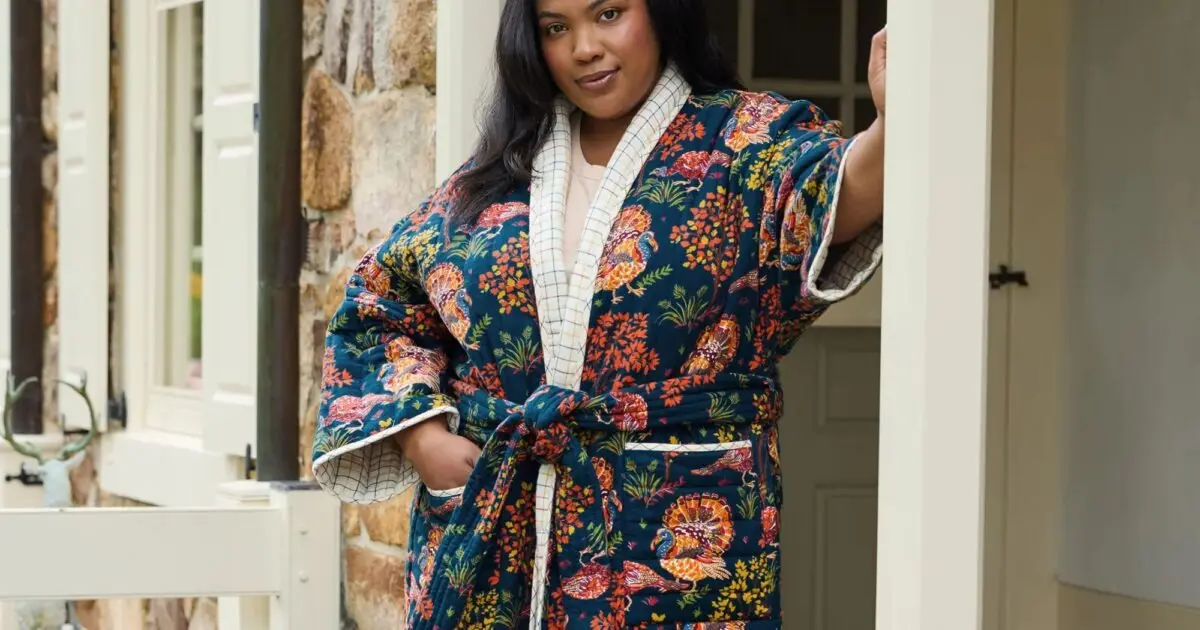
For those drawn to vibrant patterns and artistic designs, US-based Printfresh offers a distinct alternative. Founded in 2016 by textile designer and fashion entrepreneur Amy Voloshin alongside her business partner and husband, Leo Voloshin, the majority woman-owned brand specializes in sleepwear, apparel, and lifestyle items inspired by nature, plants, animals, and home decor. Printfresh pieces are celebrated for their bold aesthetics and are remarkably inclusive, offered in an expansive size range from 2XS to 6XL.
Across the Atlantic, the UK-based brand Noctu delivers minimalist sleepwear and loungewear defined by simplicity and functional comfort. Crafted from luxuriously soft organic cotton, Noctu’s collections cater to those who prefer understated, timeless nightwear silhouettes in sizes S through L.
Meanwhile, Italian label CASAGiN approaches conscious fashion by designing apparel aimed at helping consumers foster a sustainable lifestyle both inside and outside the wardrobe. Known for thoughtful production practices, CASAGiN offers most of its items in sizes XS to 2XL.
In Denmark, luxury brand Aiayu serves as a benchmark for conscious home and wardrobe essentials. Established in 2015, Aiayu creates products with meticulous care for the environment, its workers, and the end consumer. The brand operates on the principle that a product’s origins, sustainable production methods, and environmental impact are just as vital as its visual aesthetics, with core items generally available in sizes XS to L.
Rounding out the children’s sector, Mightly specializes in GOTS-certified organic cotton and Fair Trade Certified garments, offering everything from everyday tees and leggings to children’s pyjamas and hoodies. Operating through facilities certified by Fair Trade USA, Mightly ensures that its high proportion of eco-friendly materials is matched by a commitment to ethical labor practices.
As consumer awareness continues to evolve, the market for responsible sleepwear demonstrates that rest and environmental stewardship no longer need to be mutually exclusive. By prioritizing breathable natural fibers, fair labor practices, and transparent supply chains, shoppers can transform a nightly routine into a meaningful act of conscious consumption.