






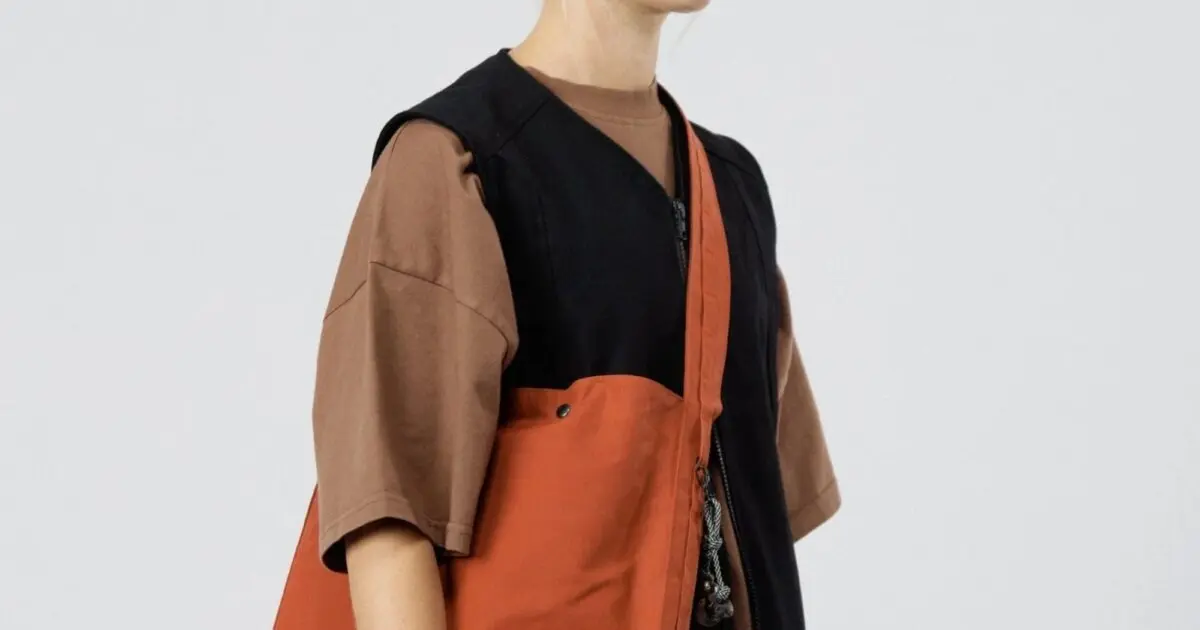
The tote bag has quietly become the ubiquitous uniform of modern life. Whether it is shouldered by commuters rushing through central train stations, hauled as an impromptu carry-on for weekend getaways, or loaded to the brim with farmer’s market produce, yoga mats, and daily essentials, the humble tote is arguably the most versatile accessory in contemporary wardrobes.
Yet, for an item so frequently associated with eco-friendly habits—often used as a replacement for single-use plastic bags—the reality of how most totes are manufactured tells a different story. Available to purchase practically everywhere, from specialty coffee shops to massive supermarket chains, the vast majority of tote bags are not necessarily produced by businesses operating with environmental or ethical sustainability in mind.
To address this disconnect within the accessories market, lifestyle and fashion editors are turning a critical eye toward the brands redefining the category. Recent curation efforts from ethical rating platforms have highlighted a comprehensive roundup of more sustainable tote bags sourced from top-rated global brands. These selections span a wide spectrum of consumer needs, featuring vegan leather alternatives from labels like Sans Beast and Mashu, budget-conscious options from Up-Fuse and Terra Thread, and inventive upcycled creations from pioneers such as Elvis & Kresse and E.L.V. Denim.
What makes a more sustainable tote bag?
The question of what constitutes an ethical or sustainable tote bag requires a nuanced look at materials, labor practices, and product longevity. At the most fundamental level, the industry standard relies heavily on lower-impact materials, such as certified organic fibres and recycled textiles. While traditional tote bags are frequently constructed from cotton canvas, conventionally grown cotton is notorious for its heavy water usage and reliance on pesticides. Organic alternatives significantly reduce this ecological footprint.
At the same time, many durable totes meant for hauling heavier loads utilize synthetic materials like polyester. While useful for structural integrity and longevity, standard polyester is derived from fossil fuels, contributing directly to greenhouse gas emissions and sustaining the global demand for oil. For consumers who prioritize durability and require synthetic fabrics, industry experts consistently recommend choosing recycled polyester as a far lower-impact alternative.
Animal-derived materials also demand careful consideration from conscious shoppers. High-end and luxury tote bags are frequently crafted from leather, a material tied to significant deforestation, high carbon emissions, and resource-intensive tanning processes. Ethical alternatives include finding certified leather options that guarantee better environmental and social oversight during production, or opting for innovative, high-quality plant-based and synthetic vegan leathers.
Beyond raw materials, true sustainability is deeply intertwined with product longevity. A bag that falls apart after a few months of heavy use defeats the purpose of choosing an eco-friendly alternative. Indicators of a truly sustainable tote include quality manufacturing standards, robust stitching, and securely attached handles, seams, and fastenings. Ensuring that an accessory can stand up to frequent, rigorous daily use guarantees that it will remain in circulation for years to come, reducing the need for constant replacements.
Spotlighting Brands Leading the Charge
Meeting these rigorous benchmarks requires a dedicated approach to manufacturing and material sourcing. Several notable enterprises featured in recent industry roundups are demonstrating how businesses can successfully balance functionality, modern design, and ethical responsibility.
Up-Fuse, a social enterprise based in Cairo, approaches sustainability through the lens of community empowerment and circular design. Operating on the guiding philosophy that one person’s trash can be transformed into another’s fabric, the brand creates unique, eco-conscious lifestyle products. In doing so, Up-Fuse actively collaborates with female refugees from Syria, Ethiopia, and Sudan currently living in Egypt, providing meaningful employment and fostering social inclusion alongside environmental stewardship.
In Europe, Berlin-based brand Ucon Acrobatics takes a distinct approach, catering to creative consumers who value minimalist design coupled with high functionality. The company builds its product lines with a high proportion of eco-friendly materials, prominently featuring organic cotton. To mitigate its broader climate impact, Ucon Acrobatics utilizes renewable energy sources directly within its operational facilities. Furthermore, the brand places a strong emphasis on supply chain transparency and ethics, ensuring the payment of living wages at the final stage of production.
For shoppers seeking luxury alternatives entirely free from animal products, Los Angeles-based brand Svala offers a sophisticated solution. Handcrafted responsibly in California, Svala produces high-end vegan handbags, purses, and totes. The brand relies on premium, carefully sourced vegan leather alternatives, alongside unique natural materials such as cork and Piñatex, proving that luxury and ethical production can coexist seamlessly.
Similarly, Lefrik tackles the challenge of plastic waste by giving synthetic materials a second life. The brand specializes in backpacks and accessories that cleverly blend everyday functionality, contemporary design, and smarter production practices, diverting plastic bottles from landfills and oceans into durable, long-lasting threads.
In the United Kingdom, accessories label Mashu has carved out a distinct space in the more sustainable fashion market. Specializing in vegan handbags, Mashu has earned strong environmental ratings by utilizing innovative vegan leather alternatives for its bag exteriors. Meanwhile, the interiors are lined with a specialized vegan suede crafted from recycled polyester. This meticulous attention to detail ensures that consumers never have to sacrifice their personal morals or aesthetic standards in the pursuit of style.
As consumer awareness continues to evolve, the demand for transparency within the accessories market shows no signs of slowing down. By critically evaluating material origins, manufacturing ethics, and the durability of everyday items like the tote bag, shoppers are increasingly empowered to make choices that align with a more sustainable future.