


Design, a Coffee Maker, and Aldo Rossi
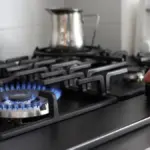
Fabio Cherstich is deep in thought, pontificating on the nature of storytelling while meticulously preparing coffee in La cupola, an iconic moka pot designed by the legendary architect Aldo Rossi for Alessi. For Cherstich, the worlds of design, architecture, and live performance are not isolated silos; instead, they bleed into one another effortlessly, shaping both his domestic life and his professional career.
"Since I was very young, I liked stories. I always ask myself, how could I tell an audience this story? Maybe the most important thing that I learned from theater is always speaking about an audience. Storytelling, for me, has been crucial," Cherstich reflects, gesturing to his surroundings.
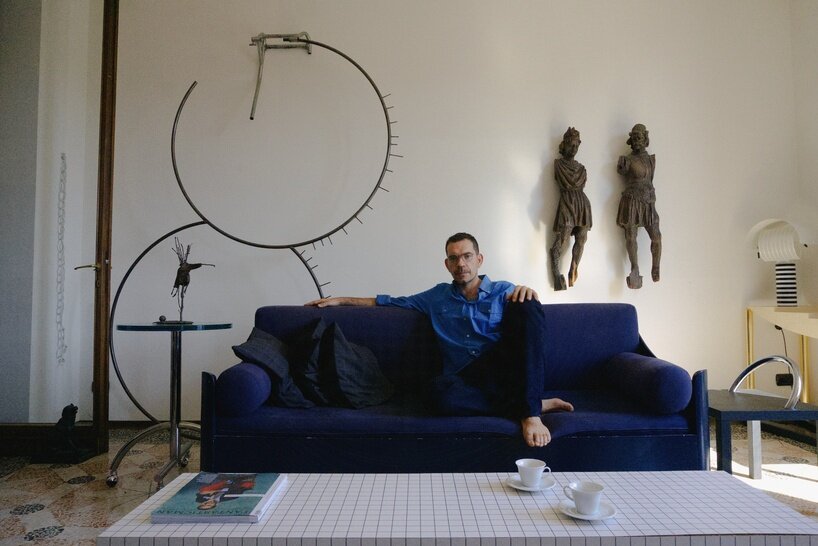
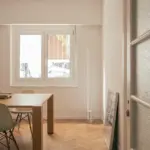
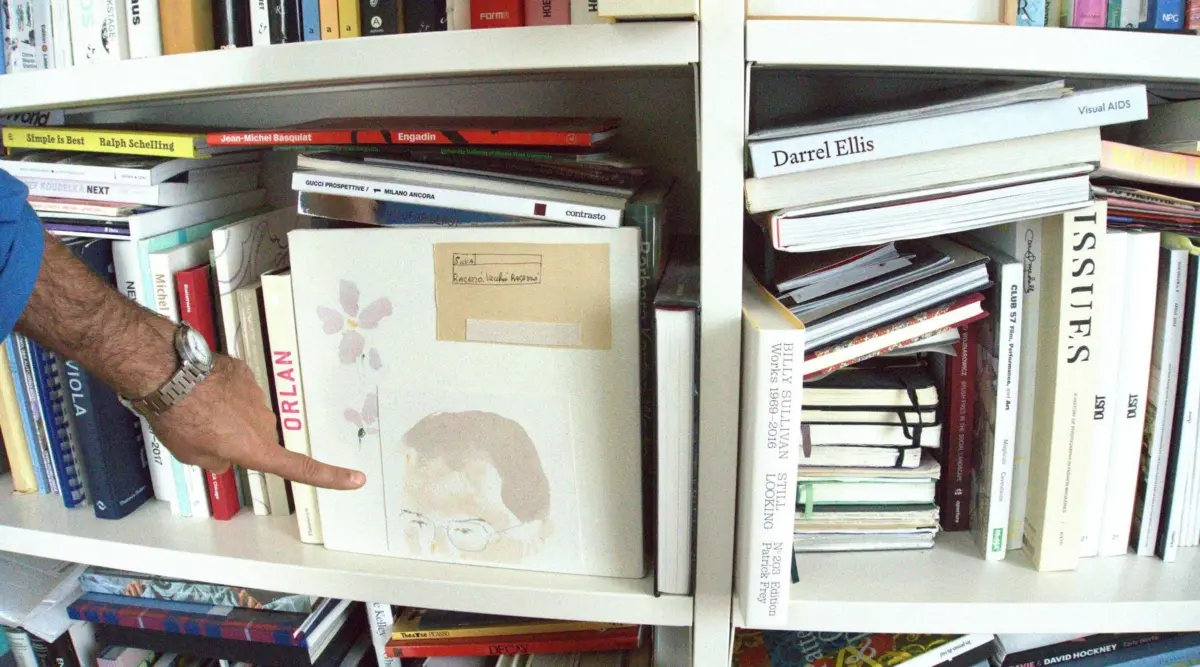
His home studio reads as a living archive, a tangible materialization of his life experiences, deep friendships, and extensive artistic career. Behind a conical silver pot for olive oil stationed near his stove, two additional coffee makers designed by Rossi perch nearby. He notes that La cupola was originally a gift from a cherished friend. When he places a second pot on the stove after realizing he forgot to add water to the first, he is delightfully unbothered by the mistake—a testament to his relaxed yet deeply creative domestic environment. Nearby, a large artwork hangs by the kitchen window, created by friends who once staged an intimate performance within the very walls of his home.
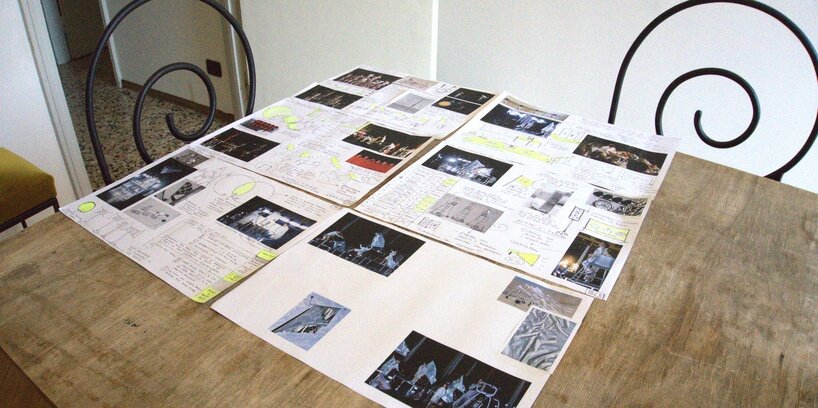
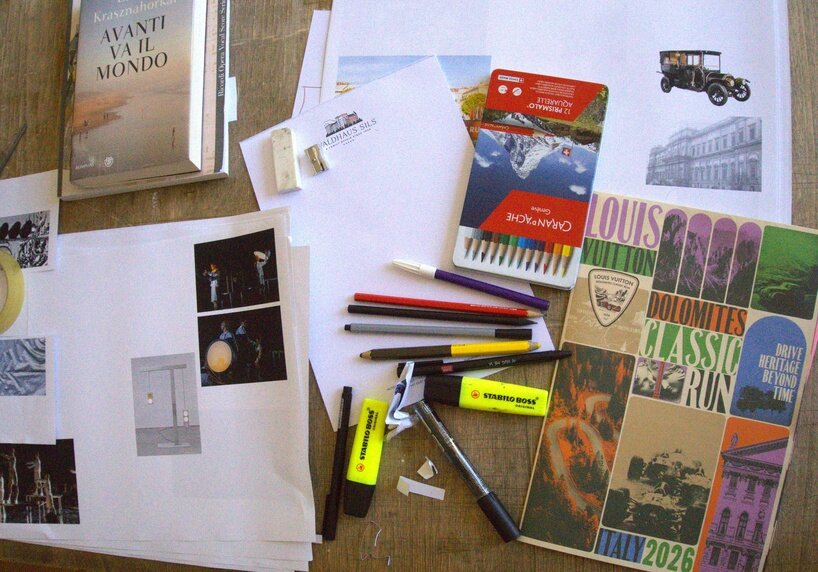
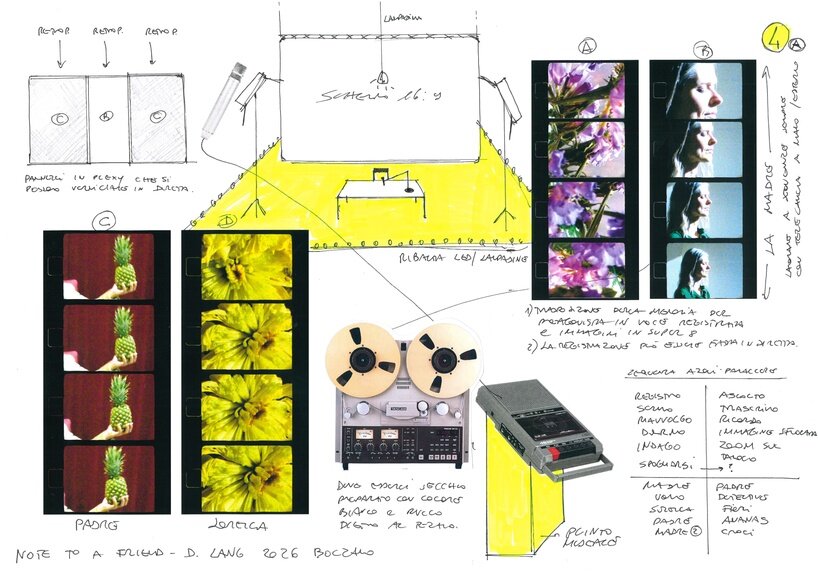
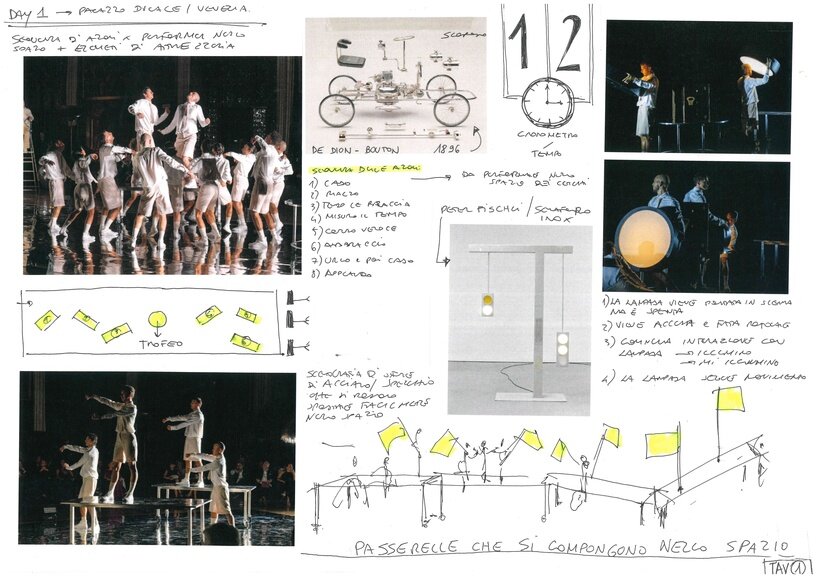
Throughout his body of work, Cherstich frequently utilizes detailed mood boards to establish the scene, tone, and visual vocabulary for his productions. These mood boards serve as narrative maps, guiding everything from his directional choices in contemporary operas to large-scale experiential events like the Louis Vuitton Dolomites Classic Run, held in the late summer and early fall of 2026. Whether mapping out complex visual collages for David Lang’s acclaimed 2023 work Note to a Friend—for which Cherstich directed the production, designed the sets, and coordinated the costumes—or outlining the daily schedule for a high-profile cultural journey, his process relies heavily on visual storytelling and immersive atmosphere.
Things You Can Learn from Design, Art, and Beyond
As the conversation shifts from the kitchen into the living room, a striking lamp crafted by design studio Formafantasma frames a monumental, pink, upside-down triangle—a powerful artwork by Jade Guanaro Kuriki-Olivo, widely known as Puppies Puppies. The juxtaposition of contemporary design and provocative fine art mirrors Cherstich’s interdisciplinary philosophy.
"I learned something about theater through the point of view of Simone Farresin from Formafantasma, who comes from the world of design. This is why I love doing collaborations, especially with people who didn’t study theater," Cherstich explains.
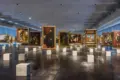
This cross-pollination of disciplines was vividly demonstrated in 2024 when Cherstich collaborated with the Milan-based design studio on Staging Modernity. Staged at the Teatro Lirico Giorgio Gaber during Milan Design Week in 2025, the project marked the 60th anniversary of the industrial production of classic furniture pieces by Le Corbusier, Charlotte Perriand, and Pierre Jeanneret for Cassina. Rather than treating the theater as a traditional viewing box, the scenography invited visitors to walk among the seats, amble directly onto the stage, and peer down from the mezzanine. The installation completely blurred the established lines separating the spectator from the show itself, turning the audience into active components of the spatial experience.
This fluidity between viewer, performer, and stage has become a defining hallmark of Cherstich’s career. In 2016, he pushed the boundaries of traditional performance with OperaCamion, conceived for the Teatro dell’opera di Roma. The ambitious project brought lyrical opera directly into the streets and public squares of Rome, performed inside an open container mounted on the back of a moving truck.
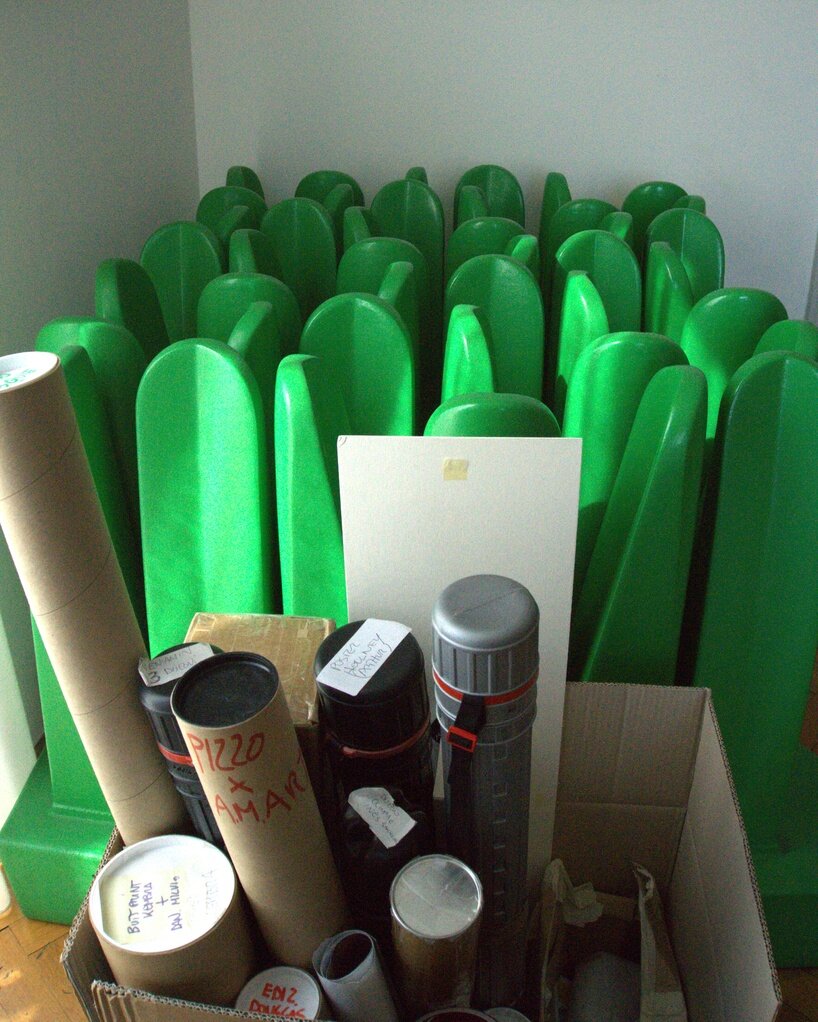
"I am particularly proud that it has become a Harvard case study in culture and has even been cited recently by New York City Mayor Zohran Mamdani as an example of how opera can reach new audiences and move beyond traditional theatre spaces," Cherstich says. Nearly a decade after its inception, OperaCamion continues to tour and inspire public arts programming, maintaining its mission under subsequent direction. Elsewhere in his study, playful yet radical pieces of Italian design, such as a Gufram PRATONE® chair with its towering polyurethane blades of grass, sit quietly among his library, further emphasizing his deep appreciation for objects that challenge conventional forms.
"As a Spectator, You Also Have a Responsibility"
Although theater is an ancient, time-tested craft, Cherstich believes that practicing it has become increasingly imperative in the modern era. In an age dominated by screens, algorithmic feeds, and remote communication, live performance offers a rare anchor to physical reality.
"I do think that today working in the fields of theater and performance is quite necessary because things are happening live between real bodies. Everything is becoming more and more digital, flat, transformable," Cherstich observes regarding the contemporary media ecosystem. "So you need to assume responsibility, both if you are on stage and in the audience. On stage, you have a responsibility because what you are telling to people comes from a very vulnerable but also powerful place. But as a spectator, you also have a responsibility. You are in front of real bodies. You need to own your point of view. You need to invest time. And I do think that today, this dynamic is quite incredible because it’s the opposite of what is happening outside the theater."
This philosophy of active engagement extends to his large-scale directorial works, such as his 2019 staging of Giacomo Puccini’s opera Turandot, for which he collaborated with the renowned Russian art collective AES+F to create striking, digitally integrated stage graphics. Whether working with classical repertoires or contemporary avant-garde compositions, Cherstich continually challenges both performers and audiences to reconsider their roles within the shared space of the theater.
His Projects and Their Ever-Expanding Boundaries
True to his interdisciplinary nature, Cherstich continually translates these theatrical lessons into diverse creative arenas far beyond the traditional proscenium arch. He currently serves as the curator of The Estate of Larry Stanton, a role that aligns naturally with his deep-rooted academic and artistic interest in the vibrant, tragic queer art scene of 1980s and 1990s New York. This historical fascination is further explored in his performance lecture A Visual Diary, which traces personal and cultural histories from that defining era, and has manifested in collaborations with high-profile fashion houses like Acne Studios.
Beyond curation and stage direction, Cherstich has expanded his portfolio to include the creation of art books and documentary films dedicated to significant cultural figures. Among them are artist Lucia di Luciano and Annina Nosei, the pioneering gallerist who gave Jean-Michel Basquiat his first solo show—both of whom were close personal friends of Cherstich.
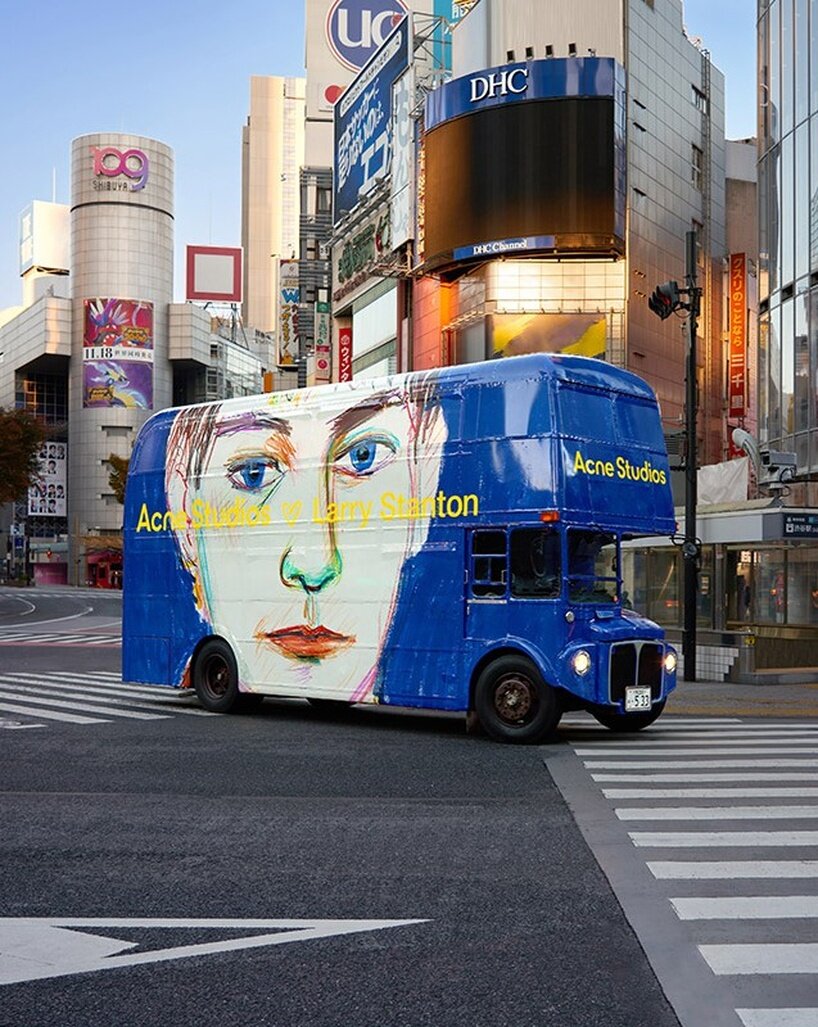
When examining the breadth of his portfolio—spanning opera direction, public street theater, spatial design exhibitions, archival curation, and filmmaking—it becomes clear that any perceived difficulty in defining his artistic identity is entirely intentional. Rather than struggling to fit into a singular professional category, Cherstich deliberately defies the conventional confines of medium, temporality, and context, proving that true storytelling respects no boundaries.