






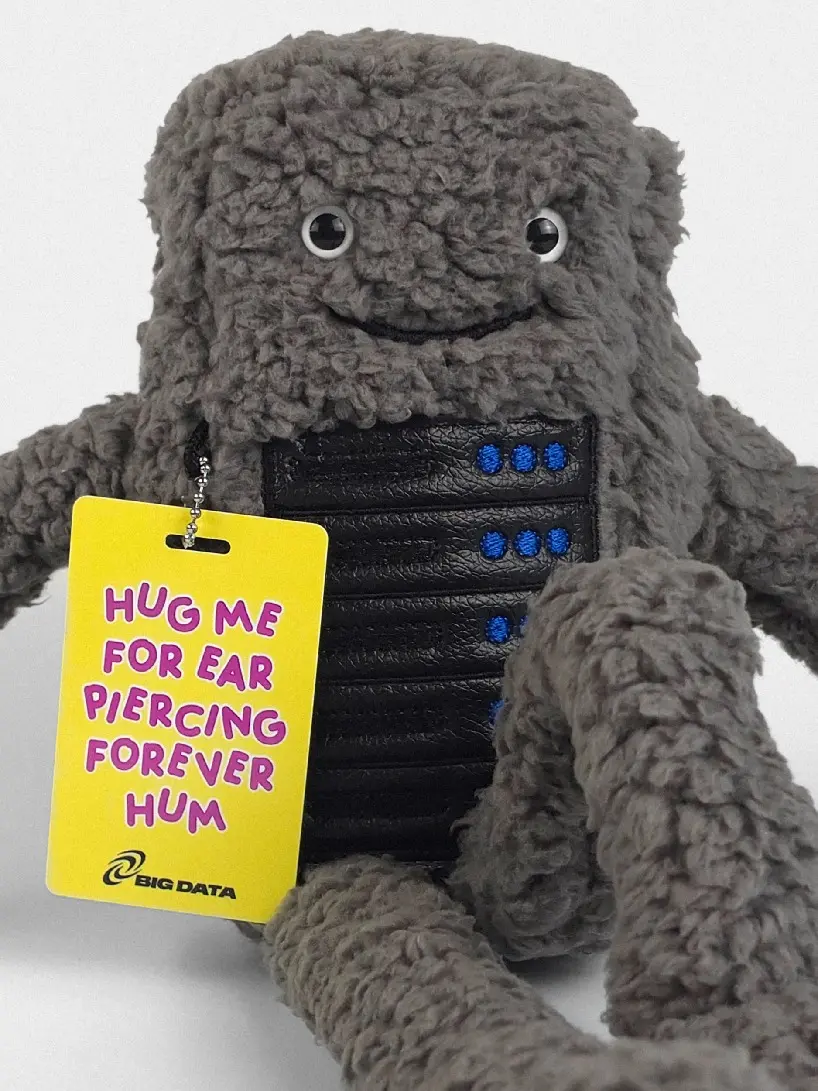
The intersection of corporate artifice and infrastructural reality has taken a remarkably literal, and unsettling, form. In a satirical new campaign titled “Adopt A Data Center,” the New York-based creative studio Basura has teamed up with music artist Big Data to shed light on the hidden human and environmental costs of the artificial intelligence boom. The project centers around a handmade plush toy named “Bezzy,” which mimics the look of a nostalgic childhood stuffed animal while emitting the piercing, high-pitched industrial hum of a real-world AI data center when squeezed.
Conceived by Basura founder and artist Rajeev Basu alongside musician Alan Wilkis—better known as the electronic project Big Data—the campaign arrives as tech companies race to construct sprawling server farms across the United States. While the public is often sold a utopian narrative of seamless technological progress and borderless innovation, the communities living in the shadow of these massive facilities experience an entirely different reality. To bridge this gap between corporate marketing and lived experience, Basura spent months interviewing dozens of residents living near data centers across the country, capturing the jarring sonic footprint that has abruptly invaded rural and suburban neighborhoods.
A Familiar Visual Language Disguised as Conservation
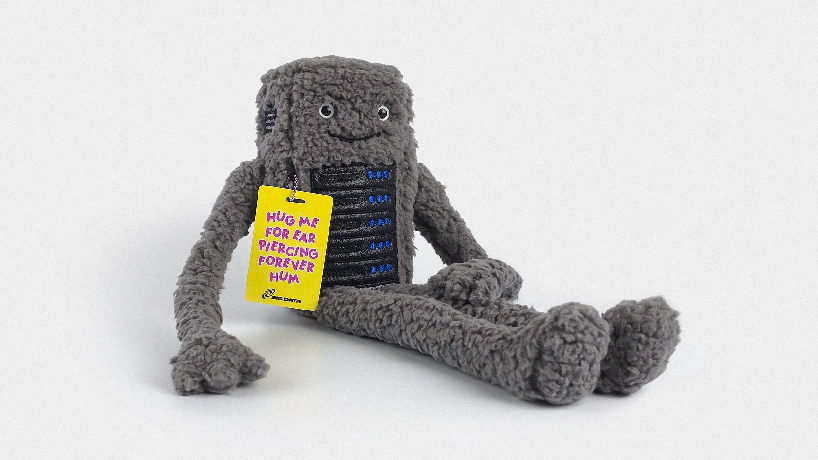
At first glance, Bezzy looks like a relic from a 1980s toy chest or a charitable campaign by wildlife conservation organizations. Drawing direct inspiration from the plush animals sold by groups like the World Wildlife Fund (WWF) through initiatives such as Adopt-a-Seal or Adopt-a-Panda, the toy features long, shaggy limbs, round, innocent eyes, and a coy smile. This deliberate design choice invokes a deep sense of childhood nostalgia and emotional vulnerability, comforting the user with a familiar, tactile object.
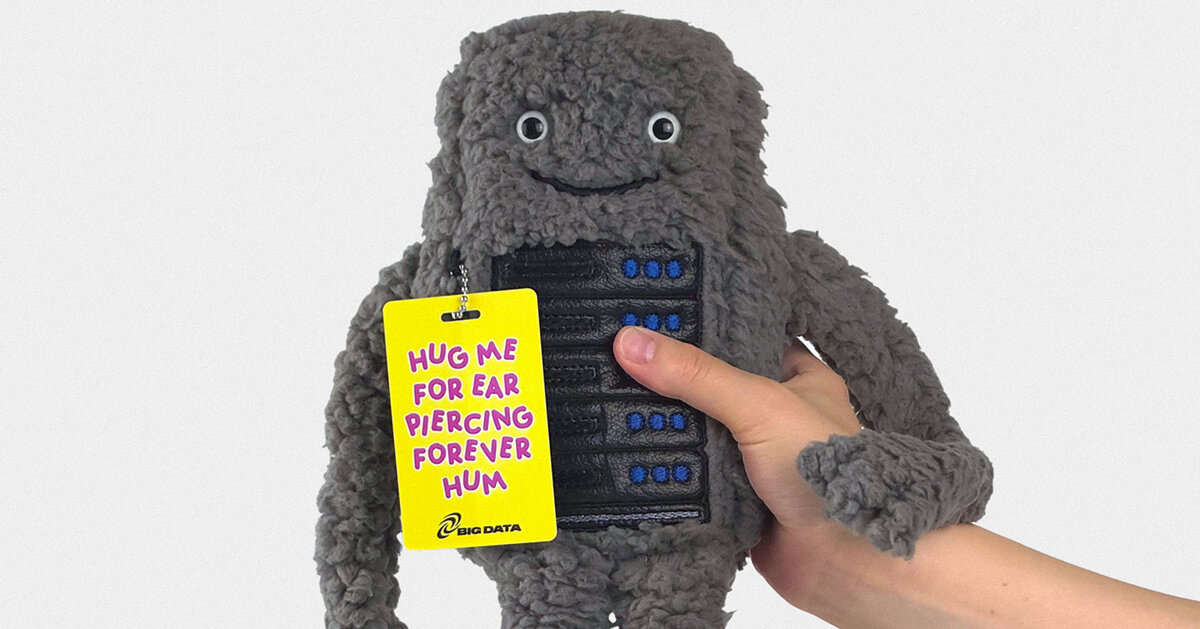
However, Bezzy’s wholesome exterior is a calculated subversion of Big Tech’s carefully engineered visual identity. Only 20 of the toys were handmade, each crafted to avoid a pristine, factory-new finish in favor of an aesthetic that feels strangely lived-in and omnipresent. The result is a disturbing synthesis of corporate branding and childhood comfort items, designed to make users reflect on how easily modern technological encroachment is sugarcoated for public consumption.
Rajeev Basu explained that the inspiration behind the project stems from a desire to interrogate the narratives pushed by the technology sector. According to Basu, “Adopt A Data Center examines the stories we are sold, versus the reality communities experience, as one of the greatest revolutions in human history plays out.” By dressing up a symbol of heavy industrial infrastructure in the soft, cuddly clothing of a charitable plush toy, the studio highlights the emotional packaging that often accompanies corporate expansion.
Giving Voice to the Unseen Realities of AI Infrastructure
While the visual design of Bezzy captures the seductive marketing tactics of major technology firms, its internal mechanics deliver a blunt dose of reality. Embedded inside the plush body is an audio recording gathered directly from a Virginia resident living in close proximity to a functioning data center. When a user hugs the toy, it does not speak or play music; instead, it emits the relentless, high-pitched mechanical scream that defines the daily soundscape for thousands of Americans whose homes border these sprawling facilities.
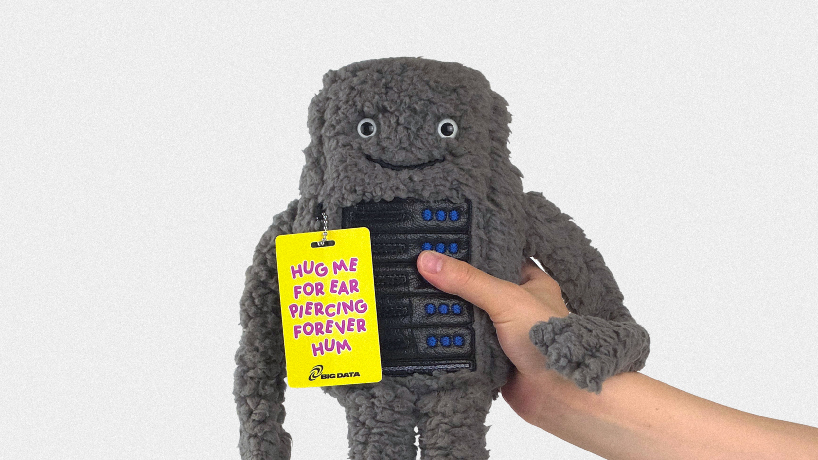
The audio serves as the anchor for the entire project, grounding the satire in genuine community distress. Data centers require vast amounts of energy to power and cool thousands of servers running complex artificial intelligence models. The resulting cooling systems, massive industrial fans, and electrical transformers generate a continuous, low-frequency hum and high-pitched whine that can pierce through walls and shatter the peace of quiet neighborhoods twenty-four hours a day, seven days a week.
To amplify these findings, Basura launched a companion “Adoption Site” that mirrors the interface of corporate environmental initiatives. Rather than collecting donations for animal conservation, the website directs visitors to serious reporting, investigative journalism, and independent research detailing the environmental footprint, water consumption, and noise pollution generated by the modern data center boom. By speaking with dozens of residents across various states, the creators ensured that the campaign is rooted in actual human testimony rather than abstract critique.
The Uneasy Relationship Between Humanity and Machines
The launch of “Adopt A Data Center” serves as a timely artistic companion to the musical ethos of Big Data, an artistic project long preoccupied with the complex, often fraught relationship between humans and automated systems. For Alan Wilkis, the physical manifestation of these server farms feels symbolic of a broader cultural helplessness in the face of rapid technological disruption.
Reflecting on the psychological weight of the current tech landscape, Wilkis noted that Big Tech continually encroaches into every corner of modern life. While consumers may enjoy the convenience and utility of new software and artificial intelligence capabilities, that enjoyment is frequently paired with a deep-seated unease and a sense of powerlessness. In Wilkis’s view, the massive AI data centers popping up across landscapes serve as the literal, physical embodiment of that exact societal tension.
This artistic exploration of human-machine friction arrives as Big Data prepares for the release of the artist’s upcoming full-length album, 4.0. The album, much like the Bezzy toy and the accompanying satirical adoption campaign, explores the friction points where digital progress collides with biological human existence.
Through a blend of subversive design, field recordings, and sharp social commentary, Basura and Big Data have transformed an invisible piece of modern industrial infrastructure into a tangible, huggable contradiction. By forcing audiences to confront the actual noise of the digital age wrapped in the comforting guise of a childhood toy, the project challenges the public to look past the pristine marketing of the artificial intelligence revolution and listen closely to the communities living in its wake.