






The Dutch cabinet has announced it will hastily rewrite a core component of its newly proposed tax plan concerning savings and investments, stepping back from its original proposals just two days after they were officially unveiled. The swift reversal comes in direct response to intense political pressure from both opposition benches and members of the ruling coalition, who argued that the initial framework unfairly penalized everyday citizens with modest nest eggs.
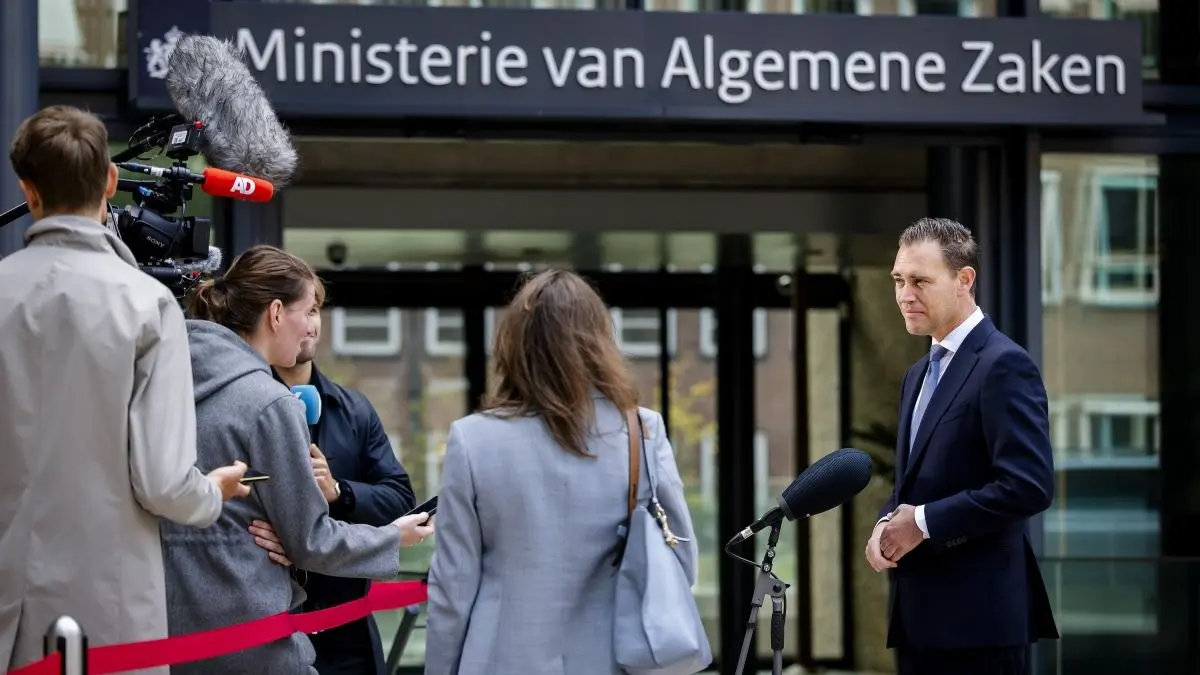
Finance Minister Eelco Heinen, representing the right-wing liberal VVD party, confirmed the government’s about-face during a high-stakes parliamentary debate on Thursday. Addressing a critical audience of lawmakers, Heinen acknowledged that the initial architecture of the long-contested "Box 3" wealth tax regime needed a course correction to shield smaller account holders from undue financial burdens.
"I have discussed this with the prime minister and with the coalition," Heinen told parliament, referencing a joint decision reported earlier by the Financieel Dagblad. "We are prepared to make changes. There will be a proposal to spare small savers."
The controversy centers on the government’s broader effort to overhaul the taxation of personal wealth, a system that has faced years of legal challenges and political friction in the Netherlands. Under the controversial plan presented by the finance ministry on Tuesday, individuals would face a 36% tax rate on investment and savings returns exceeding €1,000 per year starting in 2028. This threshold represented a sharp drop from the €1,800 exemption limit outlined in a previous iteration of the tax reform. Despite the lowering of the return threshold, Heinen maintained that the administration still believes the overall framework would adequately exempt couples possessing up to €100,000 in collective savings.
However, the rapid tightening of parameters for individual returns triggered immediate alarm bells across the political spectrum. Lawmakers from various factions argued that the mechanism placed an unacceptably heavy burden on citizens who rely on modest savings accounts to weather economic uncertainties, rather than targeting wealthier investors. The fierce pushback caught the cabinet off guard, prompting the hurried consultations between Heinen, Prime Minister Dick Schoof, and leaders of the governing coalition parties to seek a compromise before the legislation advanced too far through the legislative pipeline.
The abrupt decision to protect smaller savers has introduced a significant logistical and financial headache for the finance ministry: the cabinet currently has no clear plan on how to bridge the resulting budgetary gap. Small savers formed the primary financial foundation of the comprehensive Box 3 overhaul, a massive structural transition that economic reports estimate could cost the state treasury up to €20 billion to implement properly.
Finding alternative revenue streams within an already tight national budget has proven to be an extraordinarily difficult puzzle for the administration. During Thursday’s parliamentary session, Heinen made no secret of the severe constraints facing his department as they scramble to find balancing measures.
"We don’t have many levers to pull," Heinen admitted to skeptical MPs, highlighting the narrow margin for maneuver available to the executive branch. "And every choice you make is enormously complicated."
Because the financial math has yet to be finalized, the cabinet finds itself in the unusual procedural position of forwarding the primary tax bill to the Council of State—the government’s senior advisory body on legislation—without a fully articulated source of funding to cover the amendments. Minister Heinen assured parliament that this omission is temporary, pledging to return with concrete funding proposals by October 12. That date coincides with the upcoming parliamentary debates regarding the cabinet’s broader annual package of tax changes for the upcoming fiscal year.
In addition to revisiting the long-term architecture of the 2028 tax reform, Heinen confirmed that the government will also take a fresh look at a contentious temporary measure slated for next year. That interim rule had previously drawn sharp criticism for proposing to sharply cut the tax-free allowance from €59,357 down to €30,846 per person, while simultaneously raising the applicable tax rate. The administration will now evaluate whether adjustments can be made to soften the blow of these transitional arrangements for ordinary taxpayers as the broader debate continues to unfold in The Hague.