






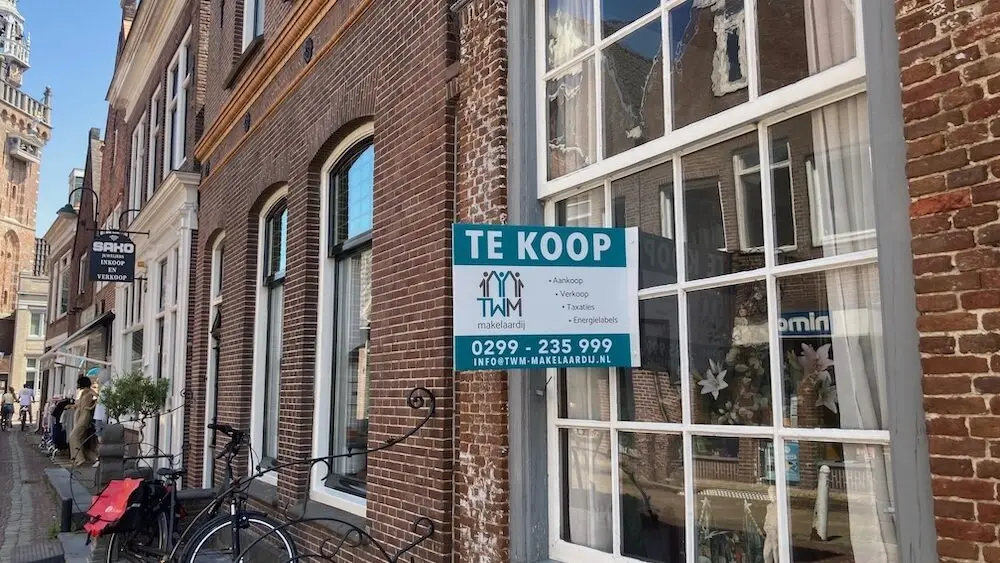
The Dutch government is moving to reintroduce a mandatory register for real estate agents alongside a formal complaints desk for property buyers and sellers. The decision comes in the wake of a comprehensive government-backed investigation that uncovered widespread public dissatisfaction, unethical behavior, and a distinct lack of accountability within the country’s housing sector.
In an official letter submitted to parliament on Thursday, Housing Minister Elanor Boekholt-O’Sullivan announced that the sweeping regulatory measures are being implemented because long-standing attempts to get the real estate industry to police itself have definitively failed.
"Unfortunately, I must conclude that the professional associations are unable to take the necessary further steps," the D66 minister wrote in her address to lawmakers, marking a major turning point in how the state oversees the housing market.
A Return to Oversight After Two Decades
The planned intervention represents a stark reversal of policy for the Netherlands. Until 2001, real estate agents were legally required to hold a state-sanctioned license to practice, placing them under a regulatory umbrella similar to other trusted professional fields like law and architecture.
However, that system was dismantled, and in the years since, the industry has operated in a largely deregulated environment. Currently, anyone in the Netherlands can open an office and call themselves a real estate agent without proving professional competence, ethical standards, or legal training.
While two major trade organisations currently represent professionals in the field, both groups have repeatedly admitted that they lack the structural authority or statutory power to stand up to unscrupulous or predatory agents.
Tristan Bons, deputy director of the real estate association Vastgoed Nederland, acknowledged the reality of the situation in a public statement responding to the housing minister’s announcement.
"We have consistently said over the past few years that a voluntary approach does not work here. The minister is now drawing the same conclusion," Bons said. He pointed out that because membership in trade associations is entirely voluntary, problem agents who face internal criticism or disciplinary threats can simply choose to leave the group and continue operating independently without facing any professional consequences.
Widespread Consumer Discontent
The government’s decision to intervene is underpinned by stark data gathered in a recent government-commissioned survey. According to the findings, nearly a third of all respondents reported having had at least one deeply negative experience when dealing with a real estate agent. Even more concerning for industry watchdogs is that almost 90% of those negative experiences involved agents who were officially affiliated with a recognized trade association, proving that voluntary association membership alone is no guarantee of ethical conduct.
Despite the high volume of negative encounters, very few consumers pursued formal action under the current framework. The survey revealed that just 2% of people who suffered through a bad experience made an official complaint. The grievances reported by the public varied widely in severity, ranging from agents passing along sensitive, confidential client information to third parties, to actively colluding to drive up housing prices in an already overheated market.
These findings echo alarming trends reported earlier in the year. In August, the prominent Dutch homeowners association Vereniging Eigen Huis revealed that it had been inundated with reports on a special hotline established specifically to track unethical behavior by real estate agents. Between February and July, the hotline logged roughly 900 distinct reports from distressed citizens.
The issues flagged by the homeowners association highlighted intense pressure tactics within the property market, including instances where buyers felt coerced into bidding well beyond their financial limits just to stay competitive. Other common complaints included agents demonstrating clear conflicts of interest, such as unfairly favoring certain clients over others during high-stakes bidding wars.
By establishing a mandatory national register and creating an accessible, authoritative complaints desk, the housing ministry hopes to restore consumer trust, weed out bad actors, and bring a much-needed level of professional accountability back to the Dutch housing market.