





There is arguably nothing quite like the unique brand of television disappointment that comes from investing hours into a promising new series, only for the network or streaming platform to pull the plug prematurely. Viewers know the feeling all too well, having watched recent casualties like The Boroughs, Wonder Man, and Stumble vanish into the ether before they could fully find their footing. At the exact same time, audiences are often left baffled by the inexplicable survival of comfort-watch or prestige-adjacent programs that seem to defy logic by securing renewals, leaving fans wondering how certain titles manage to weasel their way through another season while genuine gems are discarded.
Yet, as frustrating as it feels when a personal favorite is abruptly sent to the chopping block, network executives occasionally get things right. Sometimes, a series simply fails to live up to its initial promise, and saying a definitive goodbye is the most merciful outcome for both the audience and the creative team involved. While television critique is inherently subjective and one viewer’s trash is often another’s treasured prestige drama, a closer look at recent television history reveals several high-profile projects that ultimately justified their swift, one-season cancellations.
1. The Abandons
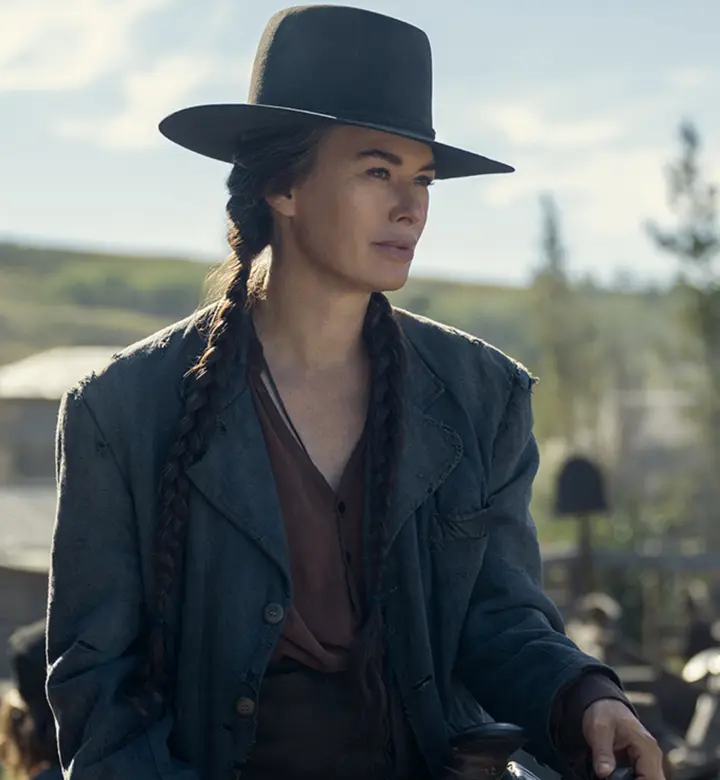
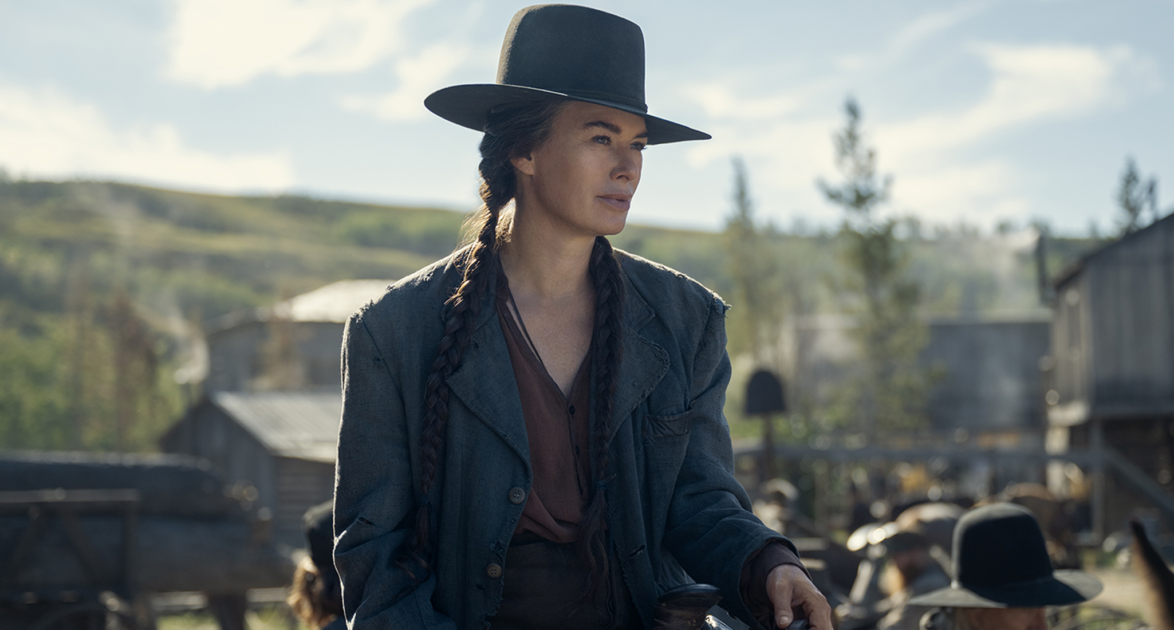
When news broke that Netflix was developing an American Western starring powerhouse actors Gillian Anderson and Lena Headey, the television landscape took notice. With the cultural phenomenon of Yellowstone still dominating conversations and driving demand for gritty frontier storytelling, an epic drama centered on the dueling matriarchs of two rival families appeared to be an absolute slam dunk for the streaming giant.
Instead, the project struggled significantly with both critics and audiences alike. Despite managing to briefly stall out at number three on Netflix’s top ten list immediately following its debut, the series was saddled with an abysmal Rotten Tomatoes rating that signaled deeper narrative issues. For many viewers, the core problem lay in the derivative nature of the storytelling. Rather than offering a fresh perspective on the genre, the series leaned heavily into a tired, rehashed narrative template revolving around bitter family feuds and frontier shootouts. Even performers of the caliber of Anderson and Headey—actors whom many enthusiasts would gladly watch in virtually any context—found themselves unable to rescue a sluggish, uninspired script that ultimately proved that even the most talented casts have their limits.
2. Suits: LA
Attempting to revive or spin off an iconic television phenomenon is always a high-stakes gamble, requiring a delicate balance of nostalgic appeal and fresh creative energy. Unfortunately, Suits: LA proved that capturing the lightning-in-a-bottle magic of its legal-drama predecessor was easier said than done. Although the West Coast-based expansion attempted to anchor itself to the original universe by bringing back original cast members Gabriel Macht and Rick Hoffman for guest appearances, the creative formula failed to translate to the sunny California setting.
The lack of spark behind the scenes was eventually confirmed by those closest to the production. Following the official cancellation of the spinoff, star Stephen Amell spoke candidly about the series’ shortcomings, admitting plainly that the show "wasn’t good enough." Amell went a step further, revealing that even the show’s creator harbored deep doubts during the editing process, reportedly remarking that he did not know if the concept was going to work at all. When both the leading star and the primary creative force lack fundamental faith in the viability of the project, a swift cancellation becomes an inevitable conclusion.
3. The Residence
Murder mystery comedies with high production values are generally reliable crowd-pleasers, and the involvement of acclaimed actor Uzo Aduba should have served as an ironclad guarantee of quality. Yet, The Residence managed to alienate a significant portion of its viewership through a tonal identity crisis that left many scratching their heads. While the series did manage to cultivate a modest pocket of favorable audience ratings, the overarching tone swung wildly from scene to scene, making it exceptionally difficult to invest in a detective protagonist whose eccentricities pushed past quirky and deep into exhausting territory.
According to industry reporting from The Hollywood Reporter, the ultimate decision to pull the plug on the series came down to a combination of slipping viewership metrics and a remarkably inflated budget. When compounded by a disappointing narrative payoff and an excessive narrative focus on seemingly random elements like birdwatching, the cancellation transformed from a shocking industry surprise into a thoroughly understandable business decision.
4. Cruel Intentions
Rebooting a beloved cult-classic film is a notoriously perilous endeavor, particularly when the original property features iconic performances by a powerhouse 1990s ensemble that included Reese Witherspoon, Sarah Michelle Gellar, Selma Blair, and Ryan Phillippe. While the television adaptation of Cruel Intentions managed to find a somewhat receptive audience among viewers looking for a quick nostalgia fix, professional critics tore the project apart upon its release.
For detractors, the primary grievance was the series’ inability to replicate the sharp, dangerous edge and simmering psychological tension that made the original film a cultural touchstone. Instead, the adaptation felt hollow, lacking the distinct bite of its cinematic predecessor. In the end, the television reboot risks going down in television history alongside previous missteps like the direct-to-video sequels Cruel Intentions 2 and Cruel Intentions 3—as another well-intentioned attempt that simply could not recapture the elusive magic of the source material.
5. Not Suitable for Work
Given the impressive track record of creator Mindy Kaling, expectations were naturally elevated for a workplace comedy focused on the ambitions and anxieties of work-obsessed twenty-somethings. However, the comedic chemistry failed to resonate universally. For many viewers, the characters crossed the line from charmingly flawed to gratingly abrasive, resulting in a comedic tone that felt flat and uninspired.
To be fair, the series did carve out a dedicated following, managing to secure respectable, if unremarkable, scores from both critics and general audiences. Yet, in the modern landscape of streaming television, respectable numbers are rarely enough to secure a future. Those modest metrics ultimately fell short of the threshold required to justify a second season, bringing a quiet end to the workplace comedy.
6. The Waterfront
The premise of a gritty, soapy drama chronicling a coastal fishing family secretly dipping its toes into the high-stakes world of drug smuggling carried immense potential, especially with genre veteran Kevin Williamson—the creative mind behind Scream and Dawson’s Creek—at the helm. Despite the pedigree, the Netflix series ultimately failed to make waves with critics or audiences looking for fresh prestige television.
Reviews frequently cited the series as overly predictable, hampered by a sluggish pacing that dragged its feet before getting to the narrative point. Comparisons to heavy-hitting genre predecessors like Yellowstone and Ozark did the show no favors, highlighting how other projects had explored the descent of ordinary people into criminal enterprises with significantly more impact and narrative urgency. The soapy, addictive emotional core that defined Williamson’s earlier work never quite materialized, sealing the fate of a series that ultimately sank rather than swam.