






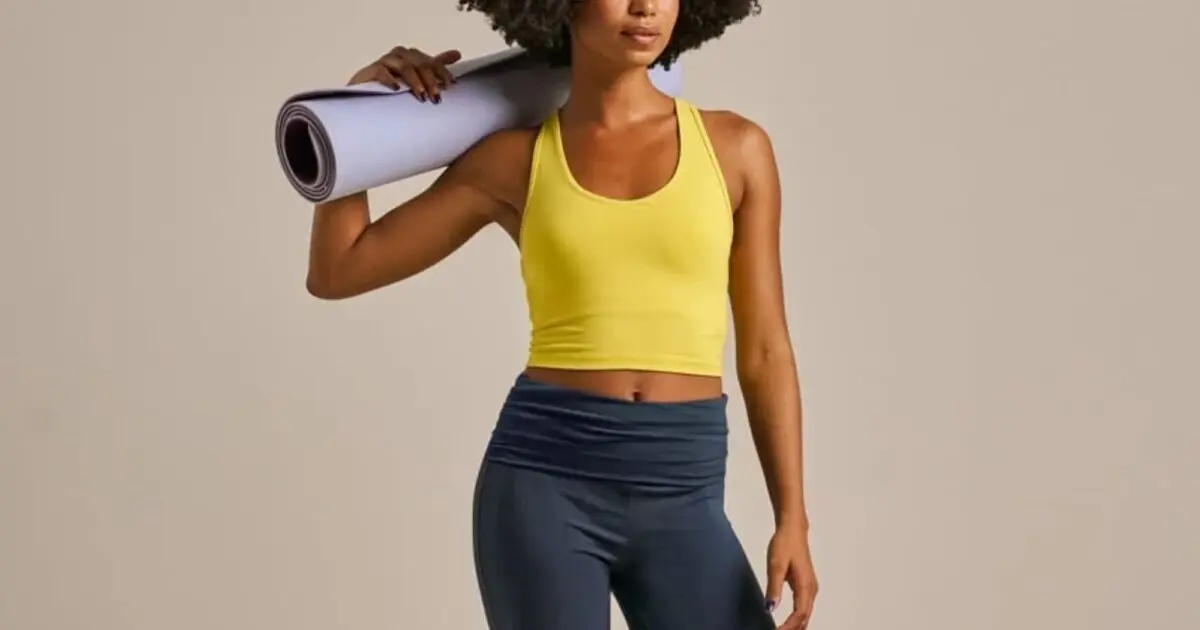
As the global popularity of yoga continues to expand exponentially, a quiet reckoning is taking place within the wellness community. Yoga is fundamentally rooted in mindfulness, compassion, and ahimsa—the foundational principle of non-violence. Yet, a growing number of practitioners are beginning to question whether wearing mass-market activewear that compromises labor standards and environmental health truly aligns with these core philosophies.
The surge in demand for athleisure over the past decade has transformed workout gear into an everyday wardrobe staple. However, this rapid commercialization has frequently come at a steep cost. In the fast-paced mass market, accelerating production speeds often correlates directly with a decline in manufacturing standards. Beyond the immediate durability of the stitching and the resilience of the fabric, consumers are increasingly examining the hidden human and ecological toll of their apparel. This encompasses supply chain transparency, fair treatment and living wages for garment workers, and rigorous management of the environmental footprint generated during production and global distribution.
For modern practitioners, investing hard-earned money into activewear now requires looking beyond superficial aesthetics. The contemporary conscious consumer expects brands to actively invest in the protection of people, the planet, and animals. Crafting a high-performing yoga outfit involves a delicate balance of key performance ingredients: comfort, durability, breathability, reliable coverage, flexibility, supportive fit, and style. Meeting these performance metrics while simultaneously upholding strict ethical and environmental standards has historically challenged the textile industry, but a select group of independent labels is successfully bridging that gap.
To help navigate this evolving marketplace, independent rating systems such as Good On You have established rigorous assessment methodologies to evaluate brands based on their public transparency and performance across key sustainability issues. Utilizing public evidence to encourage accountability, several labels have emerged as leaders in the sustainable activewear space, earning high ratings for their commitment to ethical manufacturing and ecological stewardship.
Among these standouts is Purusha People, a brand that infuses its range of activewear with dainty artistic details while prioritizing organic, plant-based materials. Designed to wick away sweat while maintaining a comfortable, grounding environment for a physical practice, Purusha’s pieces cater to a wide demographic, offering inclusive sizing that spans from extra-small to 4XL.
Similarly, the German clothing brand Orbasics approaches conscious apparel through a lens of simplicity, durability, and softness. Founded out of a personal search for high-quality, gender-neutral organic clothing for children, founder Lilija expanded the label’s ethos to include adult collections. Orbasics exercises meticulous oversight from harvest to production, utilizing one-hundred percent Global Organic Textile Standard (GOTS) certified cotton and collaborating exclusively with certified local production partners to minimize its carbon footprint. The brand’s adult range is available in sizes ranging from double-extra-small to double-extra-large.
In Canada, outdoor and lifestyle brand tentree has taken a uniquely regenerative approach to apparel production. Operating with a strict Earth-first philosophy, tentree ensures its garments are constructed in fair, safe working conditions using lower-impact and recycled materials. Furthermore, the company commits to planting ten trees for every item purchased, actively working to regenerate global ecosystems and provide stable employment in planting communities worldwide. Having already planted tens of millions of trees, tentree offers versatile active and casual wear typically ranging from extra-small to extra-large.
Operating on a similar environmental mission, US-based Happy Earth Apparel draws direct inspiration from nature to fuel its dedication to preservation. Through active partnerships with environmental non-profits and grassroots ambassadors, the brand channels resources into large-scale tree planting, climate action initiatives, and community cleanup efforts. Alongside its active-leaning collections, Happy Earth ensures accessibility across various body types, offering the majority of its items in sizes ranging from extra-small to triple-extra-large.
For practitioners deeply aligned with an organic, plant-based lifestyle, New York-based Miakoda offers a distinctly cozy alternative. Specializing in ultra-soft activewear and loungewear crafted from organic materials, the brand features stripped-back color palettes and minimalist designs focused squarely on tactile comfort. Designed to support diverse human forms, Miakoda’s sizing extends from extra-small to 4XL.
Another prominent US label, PACT, has positioned itself at the forefront of the movement transforming traditional apparel manufacturing. Committed to entirely sweatshop-free and child-labor-free supply chains, PACT constructs its activewear range almost entirely from certified organic cotton. A significant portion of its catalog also carries Fair Trade certification, ensuring that the farmers and garment workers behind the clothing receive equitable treatment and safe working conditions. PACT’s comprehensive sizing spans from extra-small to triple-extra-large.
In Munich, sustainable sports and yoga label Ambiletics operates under the guiding motto "MAKE IT MATTER." Convinced that every consumer purchase decision holds systemic weight, the brand seeks to rectify the fashion industry’s historical neglect of material origins and production ethics. By offering high-performance activewear produced with environmental responsibility in mind, Ambiletics provides European and international consumers with transparent alternatives, with most items stocked in sizes ranging from extra-small to extra-large.
While the majority of these sustainable yoga and activewear collections have historically focused on womenswear, the broader activewear market is experiencing a wider shift toward inclusivity and accessibility, encouraging consumers across all demographics to evaluate their purchasing habits.
Ultimately, bringing mindfulness off the meditation cushion and onto the yoga mat involves confronting the broader contradictions of modern consumption. Finding true alignment requires harmony not only within a physical posture, but between personal values and daily actions. As practitioners continue to explore their individual sadhana, or spiritual practice, examining the clothing worn on the outside serves as a tangible starting point for deeper reflection on sustainability and mindful living.