





Chef, writer, and cultural provocateur Eddie Huang is officially bringing his creative universe back to New York City. Marking a major turning point in his multi-faceted career, Huang has reopened his iconic bao shop Baohaus on St. Marks Place, published his debut novel Come Undone with One World, and is now spearheading the return of his critically acclaimed food and travel series, Huang’s World.
Premiering on November 10 on Complex’s Family Style YouTube channel, Season 5 of Huang’s World marks the show’s first new season in eight years. While these three major artistic endeavors were planned independently, Huang explains that they all stem from the exact same personal evolution.
“I had been on this whirlwind rise from 2009 to 2018, but I just wasn’t happy,” Huang reflects. “There were some real cataclysmic personal struggles in 2018 that began the day Tony Bourdain passed, and I had to sit down and examine my life.”
That profound internal examination led him straight back to his childhood, which he describes as living in a home that appeared fine from the outside while harboring a tremendous amount of internal violence and distrust. Huang notes that he carried a lifelong intuition that the path laid out by his parents was fundamentally flawed. Yet, acknowledging that reality presented its own emotional burdens.
“It’s very difficult to stand up alone in a family and point the finger at the people who brought you into this world,” he says, “especially when so much of my work has revolved around family and immigration to this country.”
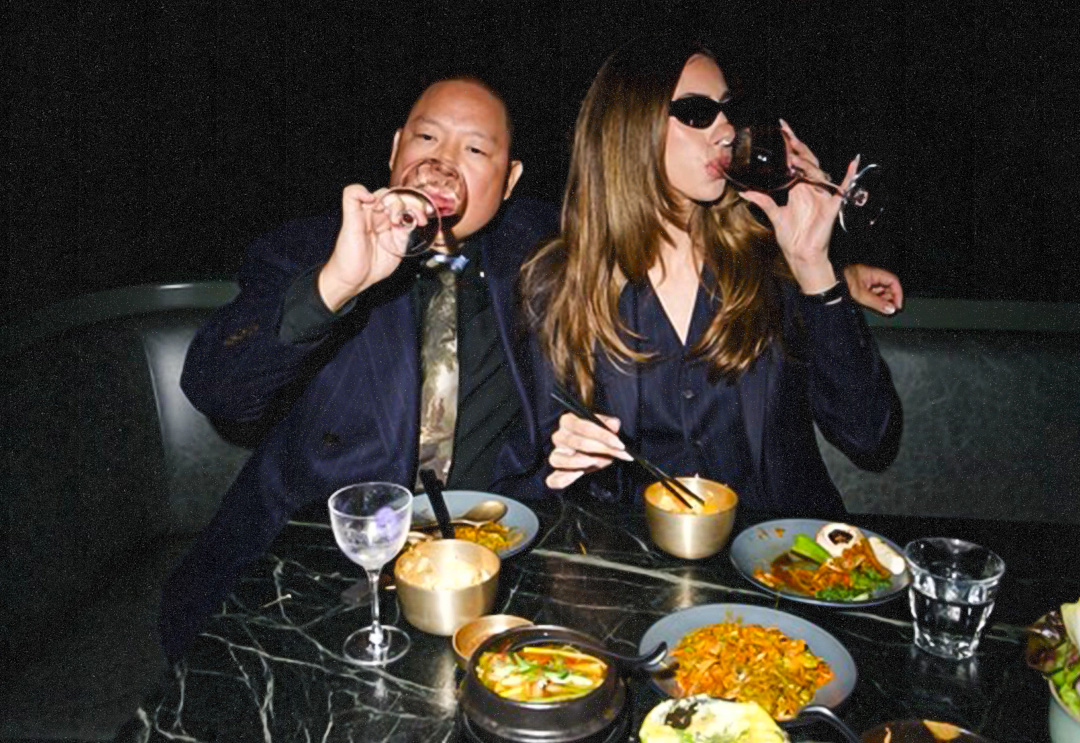
The turning point solidified in 2021 when he met his wife, Natashia. That same year, Natashia faced a serious health scare—an event that directly inspired the powerful third act of his novel Come Undone.
“In that moment, I told myself that I would always say what needed to be said or done the moment I realized I needed to, because life truly is too short to stand by idly and suffer things you feel are incorrect,” Huang explains.
Following these realizations, Huang and Natashia moved their family back to New York, and he began intentionally rebuilding his professional life around the passions he had temporarily set aside. Reclaiming his creative identity, he notes, was a matter of necessity. “I missed Baohaus, I missed writing books, and I missed Huang’s World.”
Huang’s debut novel, Come Undone, serves as an extension of this personal reckoning. The book follows Hubie, a traveling food-show host who systematically ends every romantic relationship at the three-month mark.
“Hubie is a version of myself that I’ve bottled like a vintage wine and deployed him in the pages of Come Undone,” Huang says. While the emotional core is deeply autobiographical, the fiction lies within Hubie’s specific trajectory and the people he encounters along the way. “If you change one thing about anything, it’s fiction, and playing with that idea and turning the dial was very creatively satisfying. It’s cheeky.”
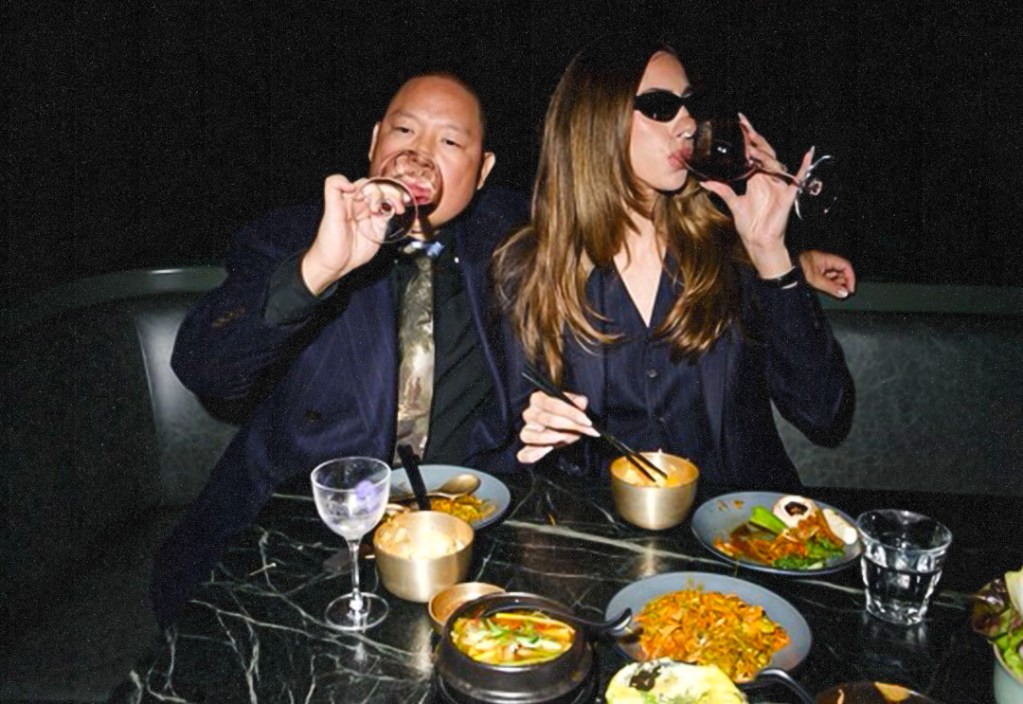
For Huang, shifting into narrative fiction offered a distinct emotional freedom. As he notes, “Fiction allows you to stay even more loyal to the truth of your emotions.”
That same commitment to authenticity is deeply rooted in his physical return to St. Marks Place. In March, Huang officially reopened Baohaus at 97 St. Marks Place, positioning the beloved eatery toward Avenue A. He describes the block as “ground zero for wacky Asian food concepts,” noting its proximity to Tompkins Square Park, the public baths, and the vibrant convergence of downtown punk, skate, graffiti, and hip-hop scenes that have perpetually influenced his work.
Although he has spent significant time living in Los Angeles and Taiwan, New York remains his true home. “I’ve just never felt like I belonged anywhere else. I make sense to people here and can be myself.”
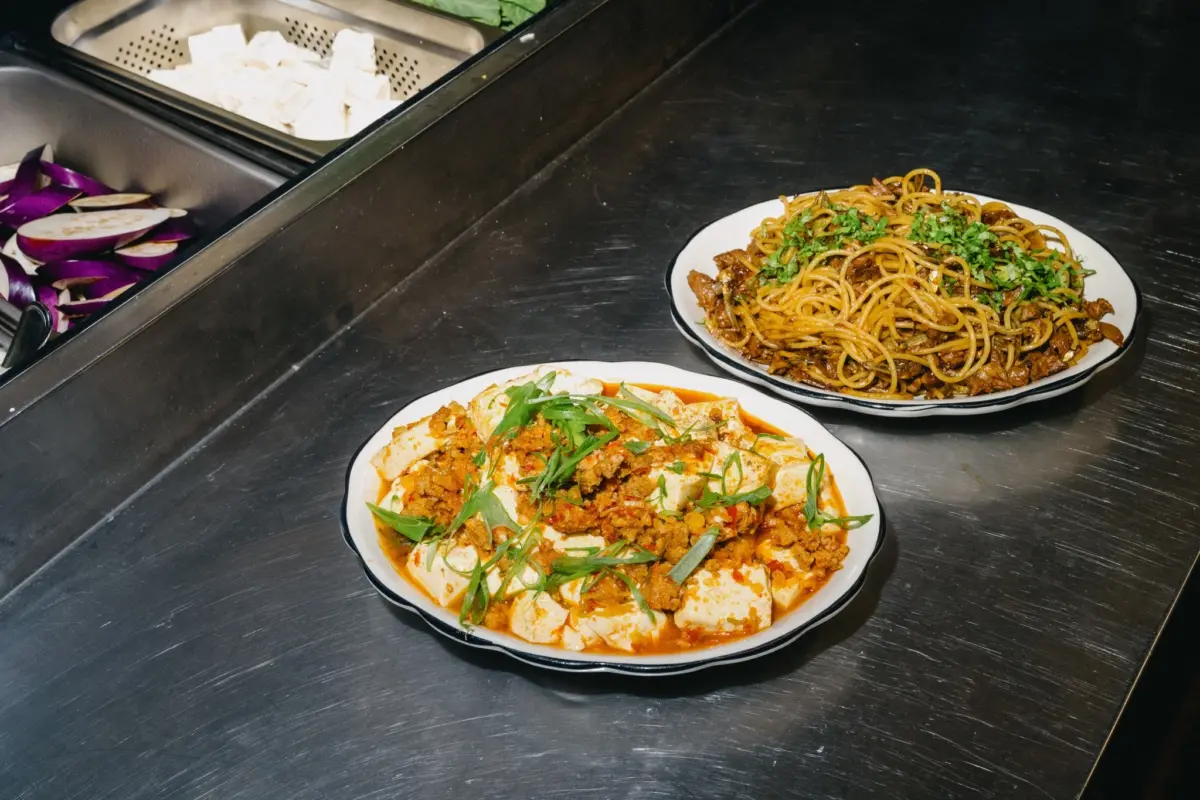
Old favorites like the Chairman bao and traditional beef noodle soup have returned to the menu, though Huang emphasizes that the culinary offerings will continue to evolve. The menu changes frequently, a practice that occasionally tests the patience of his kitchen staff and regular customers. However, Huang views change as essential to the life of a restaurant.
“Our menu is always changing. It drives the cooks crazy and sometimes our customers, but I’ve always committed my work to change and evolution,” Huang says. “I think when you try to control and define and freeze something in time, you are actually killing it.”
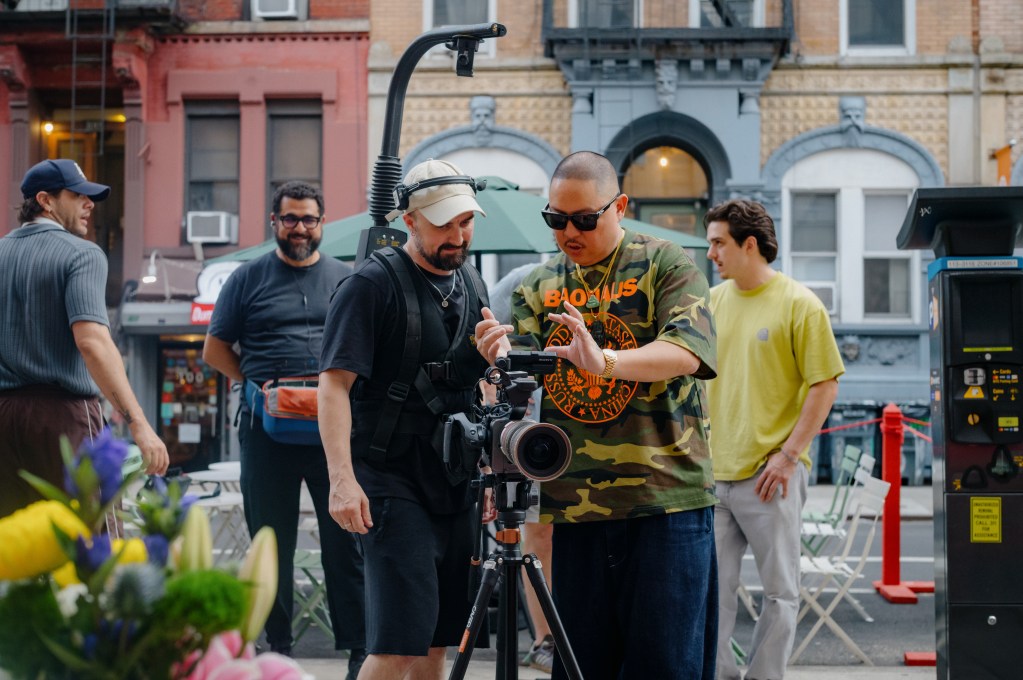
With a bustling farmers’ market only a short walk away, Huang’s current culinary vision centers on executing Taiwanese and Chinese comfort food at a high level, utilizing the finest ingredients while maintaining a fair price point—a model he has observed successful chefs execute in China and Taiwan. Now that his kitchen team has settled in and mastered the foundational recipes, Huang is eager to push the boundaries further.
Beyond food and literature, Huang is also setting his sights on independent filmmaking. He has adapted Come Undone into a feature-film script, which he notes is being produced by Jonathan Levine. Additionally, he is developing a micro-comedy project alongside his friend Jesse Lee, founder of Basic.Space.
“I do think there is an opportunity to resurrect ’70s- or ’00s-style indie filmmaking where it’s simply friends with a camera moving together,” Huang says. “It’ll be chaotic, it’ll be hard, I’ll possibly self-fund, but I do think that energy is what produces the most personal work, and that’s what I’m into.”
The return of Huang’s World materialized through an equally unconventional path. Huang managed to secure ownership of the show’s intellectual property through bankruptcy court proceedings involving a former employer who owed him unpayable royalties. After striking a deal to license the existing library to Complex in exchange for a production budget, Huang retained full ownership of the new episodes, which he also licenses to the platform.
“I don’t think there’s an agent or manager that could have figured that out,” Huang remarks.
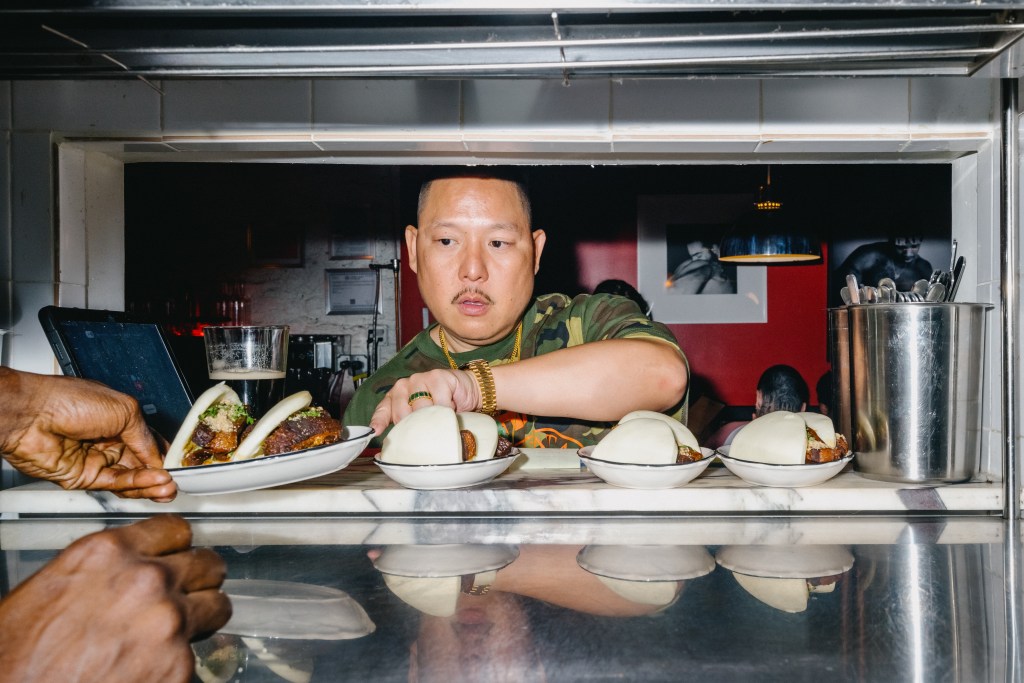
While earlier iterations of the series captured the frenetic energy of international travel and fast-paced conversations, Huang acknowledges the distinct perspective of time. “It was a very young man’s show,” he says. “I think we do a lot more with a lot less on the new season of Huang’s World.”
Last year, Huang revisited the work of the late Anthony Bourdain, finding renewed inspiration in the chef’s more contemplative, low-key episodes where simple meals and casual conversations about life took center stage.
“No Reservations felt like a confidential vlog between you and Tony,” Huang observes. “That’s why we all loved him. You could meet him for five minutes and feel like he showed you who he was.”
Channeling that intimate, unpretentious spirit, Season 5 shifts away from globe-trotting spectacles, focusing instead on Huang, Natashia, and their circle of friends exploring the culinary landscape closer to home.
“It’s dinner with friends at some of New York’s most exciting and curious restaurants,” Huang says. “Execs forever have tried to pull off this idea of a show that’s the dream dinner party, and I do think we finally figured that out on Huang’s World Season 5.”