






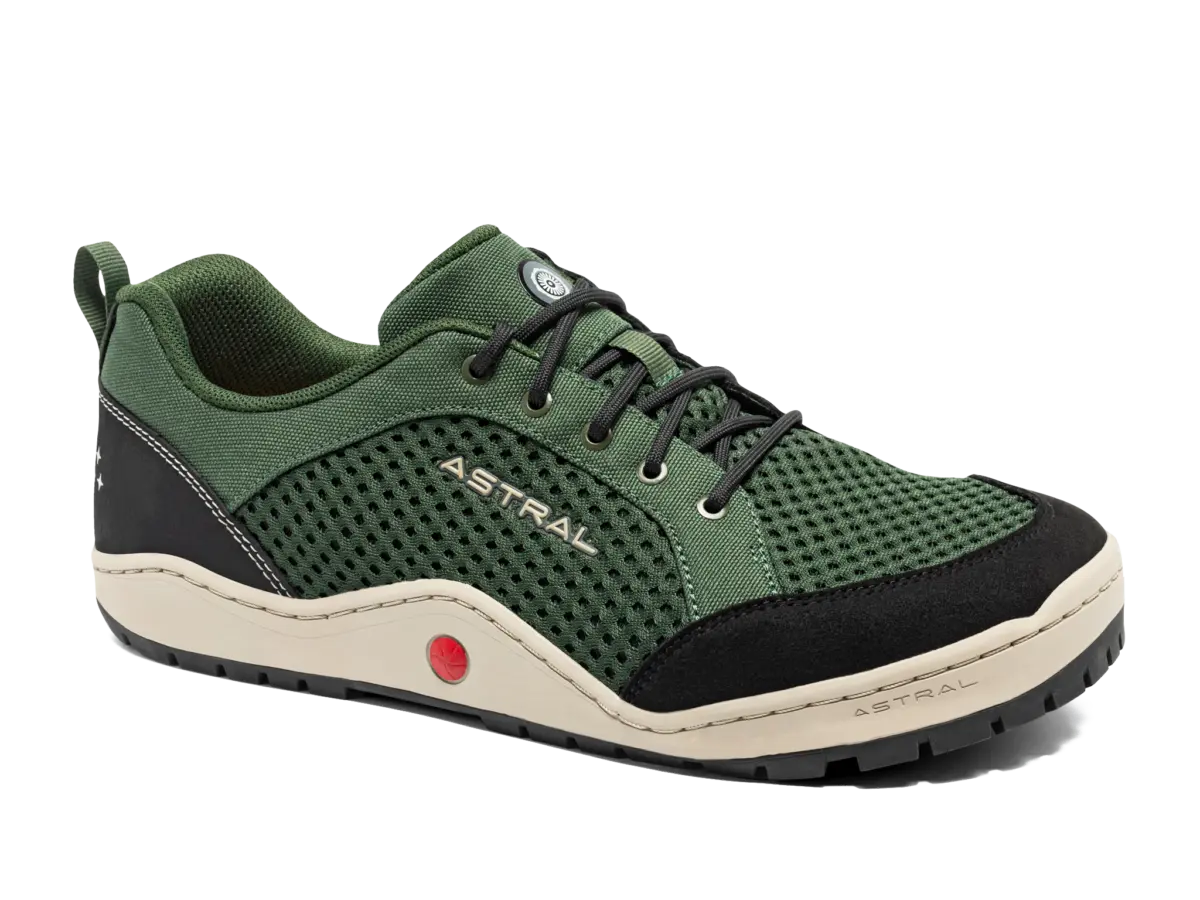
Unless you are an avid paddler, you might not be familiar with Astral Designs, a brand that only recently branched out into crafting high-performance trail shoes and, soon, technical outdoor clothing. For more than two decades, the company has operated on a fairly radical idea within the outdoor gear industry: to produce an entirely PVC-free and phthalate-free life jacket. By 2008, Astral had aggressively pushed its sustainability mission further by eliminating the use of neoprene entirely. Continuing this trajectory, the company integrated the rigorous bluesign process across its entire supply chain by 2021, systematically reducing climate impacts with every step of its manufacturing operations.
Astral’s deliberate migration into the footwear space was born out of a stark contradiction. Traditional water shoes—and by extension, conventional trail shoes—were fundamentally antithetical to the core philosophy of the brand. Enthusiasts venture out into nature to experience and protect the environment, yet the gear they wear is frequently manufactured from harmful petrochemicals that burden the very ecosystems they are enjoying. This realization inspired the creation of better-gripping paddle shoes that, in the mind of Astral founder Philip Curry, required the exact same materials rethink that he had previously brought to life jackets.
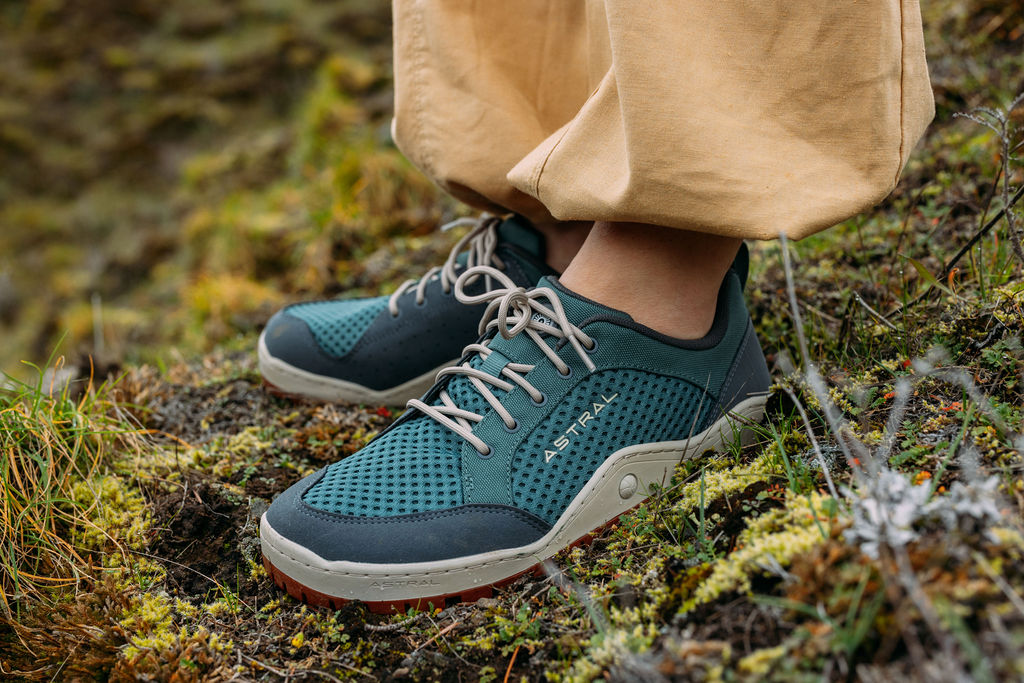
This ethos eventually led to the development of the Nosobo, recognized as the first outdoor-specific performance shoe equipped with a replaceable midsole, addressing the structural reality that cushioning foam always wears out long before the outsole does. While the concept of a modular midsole is not entirely unprecedented—notably seen when the Nike Kobe 8 hit the market in 2012—Astral’s Nosobo marked a pioneering milestone as the first shoe in the outdoor market to feature the innovation.
Building upon that legacy, today’s Techyak follows suit, taking sustainability a step further with a knit upper constructed entirely from 100 percent recycled PET. Furthermore, the shoes are manufactured entirely without glue. Conventional bonding agents are notoriously problematic for the environment, and Curry points out a functional vulnerability as well, noting that water is genuinely brutal on adhesives and that bonding points represent the historical failure point of wet-environment footwear. To elevate this vision, Curry eventually partnered with a true shoemaking legend: Tuan Le, a Vietnamese refugee who famously broke through the footwear industry with the creation of the Reebok Stomper, the iconic aerobics shoe worn by actress Sigourney Weaver in the sci-fi classic Aliens.

Le’s storied career spans decades of groundbreaking design. Beyond his early triumph with Reebok, he invented the acclaimed Mizuno Wave Rider running shoe and engineered footwear for NBA superstars Stephon Marbury and Vince Carter during the era of the short-lived, culturally significant brand And1. Since the early 2000s, Le’s prolific design portfolio has expanded to include work for a diverse array of global brands, ranging from UGG and Bogs to Jack & Jones.
Reflecting on his lifelong passion for footwear, Le recalls growing up so utterly obsessed with sneakers that he used to sleep with a pair of Nike Cortez sneakers instead of a traditional stuffed animal as a young child. He even went so far as to name his pet gerbil Nike. Fast-forward a few decades from those childhood days, and the cultural impact of his work was profound enough that NBA legend Kevin Garnett famously walked away from a lucrative Nike endorsement specifically to wear the And1 sneakers designed by Le.
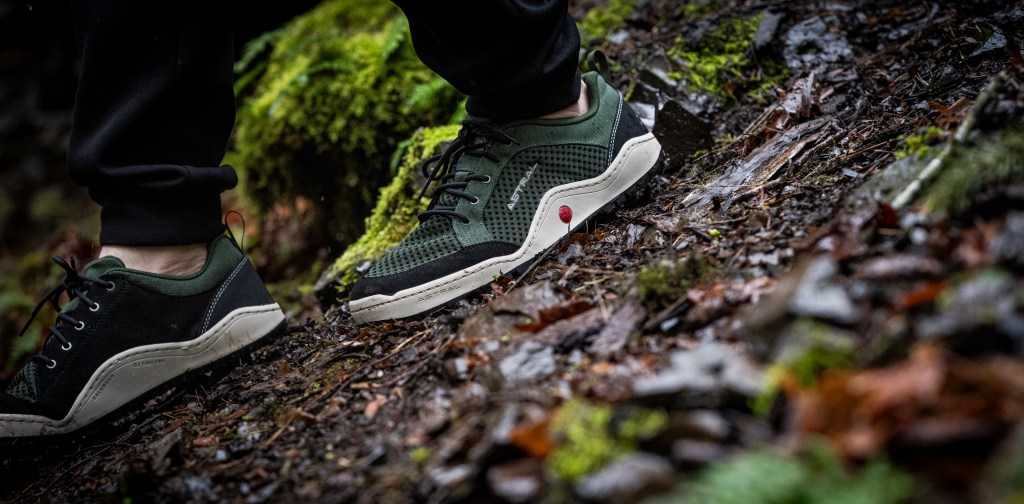
When approaching the design of the Techyak, Le explains that he riffed off a classic skate shoe silhouette, but pushed himself into entirely new territory as Astral deepened its corporate focus on zero-drop designs. These minimalist geometries place the foot in a much more natural, athletic position rather than forcing an artificial pitch. The design philosophy centers on anatomical freedom, ensuring that the toes are more open and noticeably more rounded. Le notes that too many conventional footwear options on the market make it exceptionally difficult for wearers to achieve natural, anatomical foot movement during prolonged outdoor excursions.
Drawing from his extensive experience as a runner, Le observes that a typical ethylene-vinyl acetate, or EVA, midsole found in standard running shoes begins breaking down from the very first day of use, despite serving as the primary structural backbone of the shoe. Together, Le and Curry were determined to give the Techyak a much stronger spine, providing robust support without sacrificing a lightweight, nimble feel. The final product had to remain thin enough to keep the Techyak svelte, agile, and unburdened by unnecessary bulk.
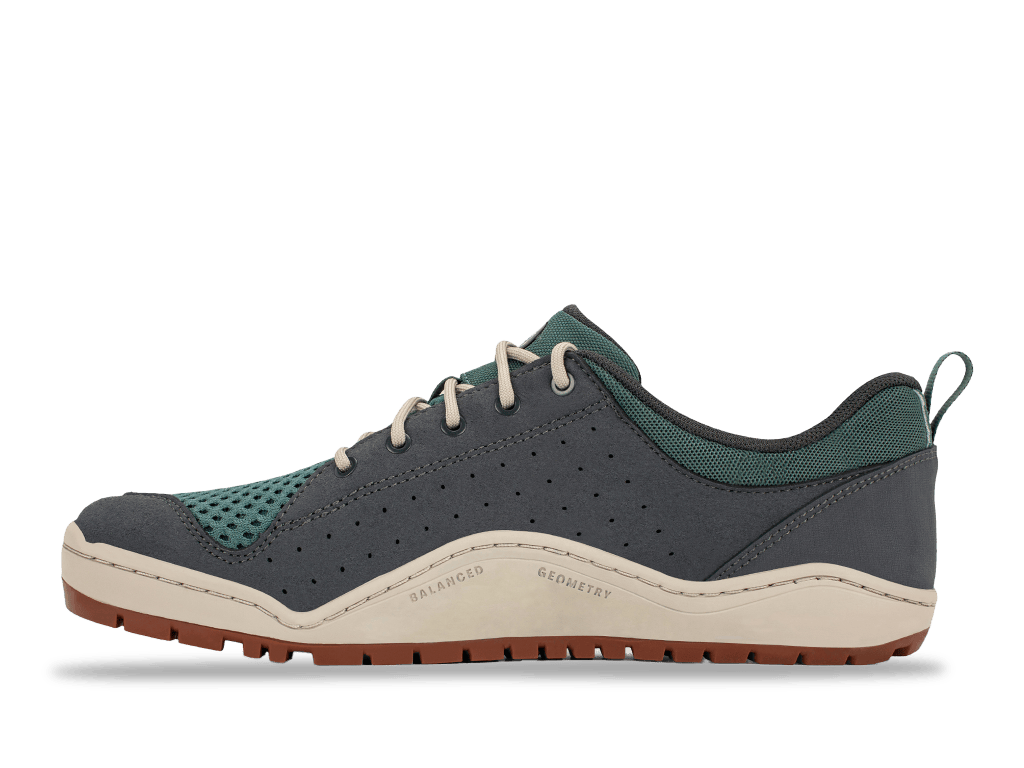
Designing any performance shoe for an athletic demographic requires a deep fluency in anatomical language. Le emphasizes that a proper athletic shoe must feature a clear visual flex point precisely where the human toes naturally hinge, whether the wearer consciously notices it or not. From there, a designer needs structural elements that explicitly communicate where the arch support is located, ensuring that the visual story matches the functional engineering of the footwear.
Discussing his global design career, Le draws a poetic parallel between crafting shoes and creating music. Having navigated the product development process countless times and translated his design concepts into languages ranging from Danish to Japanese, he views the fundamentals of footwear as a universal language. It is very much like singing a song, whether it is reggae or country music. The fundamental vocabulary remains identical—traction, cushioning, flex—because human biomechanical needs are universal. However, it is the unique tune and stylistic interpretation that he loves to play with.
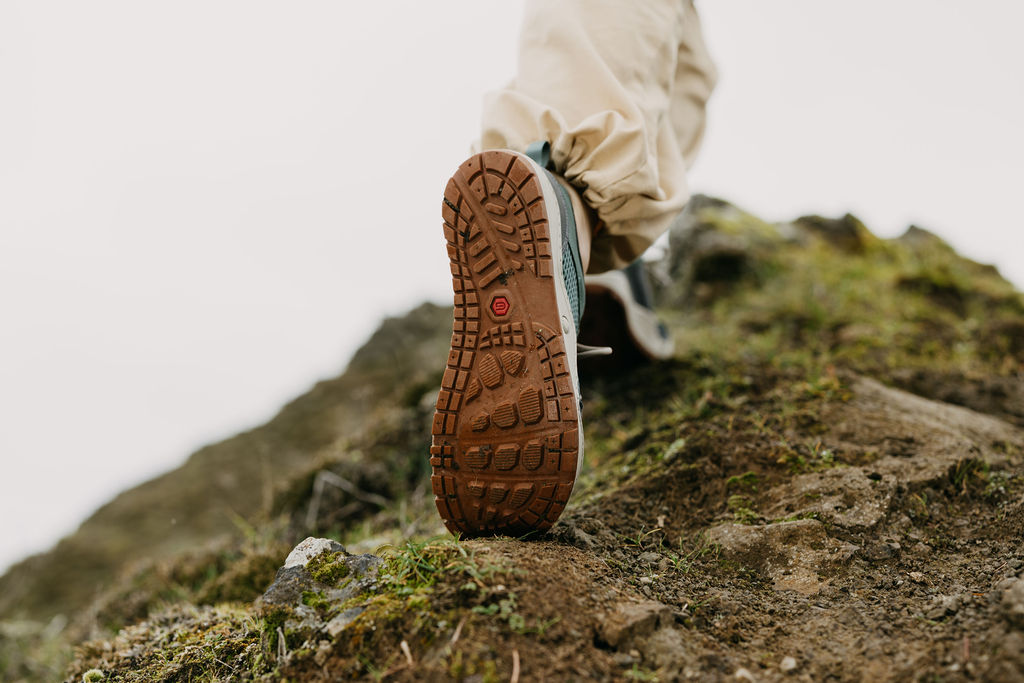
Curry dissects another vital visual component of the footwear line: color theory. The design team always begins with the perspective of a person standing right in the middle of natural water, ensuring there is always an authentic water color integrated into their product lines. From that foundational starting point, the chromatic philosophy broadens outward to encompass soil and plant life. The colorways are deliberately selected to look organic, drawing specific inspiration from the diverse flora found in the wild.
Regarding the signature red dot historically featured on the shoe, Le originally took direct inspiration from Astral iconography and the subtle relationship between a rock, the sea, and the moon. However, as the brand expanded its reach, the stark red accent proved too unconventional for some mainstream buyers, prompting a thoughtful redesign. The tiny icon is evolving into a more universally resonant lotus flower, a transition that Le approaches with characteristic philosophical ease and artistic detachment. As he observes with a sense of gratitude, he is fortunate enough to draw something on paper, watch a factory bring it into physical reality, and simply have fun seeing how the design evolves.