





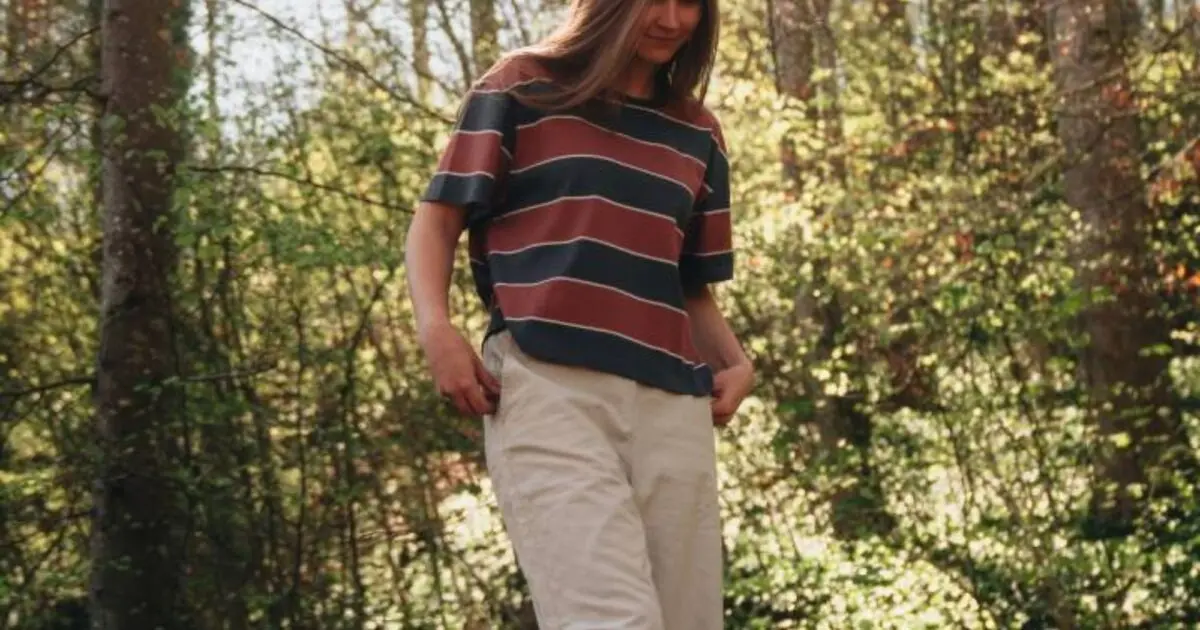
For residents of Switzerland wondering which clothing and lifestyle brands are performing well on the biggest sustainability issues affecting people, the planet, and animals, the search for better options is yielding promising results. A growing movement of regional labels and conscious curators are stepping up to change the industry from within, offering alternatives that prioritize ethical production, environmental stewardship, and cruelty-free materials.
To understand what makes a better brand, it is essential to look past marketing claims and examine concrete actions. Sustainable fashion is not merely about using an organic cotton tag or launching a recycled capsule collection; it requires a comprehensive commitment to addressing the most important, or material, sustainability issues facing the fashion industry today. Organizations like Good On You evaluate brands based on public evidence concerning their performance across three core pillars: people, planet, and animals.
Among the roughly one hundred key issues analyzed in these assessments are the ways a brand treats workers across its supply chain. This includes strict evaluation of policies and practices concerning child labor, forced labor, worker safety, the freedom to join a union, and the consistent payment of a living wage to garment workers. Environmental metrics are equally rigorous, focusing on resource and energy management, active reduction of carbon emissions, effective management of wastewater and impacts on local waterways, and the safe use and disposal of industrial chemicals. Finally, evaluations scrutinize the use of animal-derived products, looking closely at wool, leather, fur, angora, down feathers, shearling, karakul, and exotic skins and hair, with 100% vegan operations representing the ideal standard.
Against this backdrop of rigorous evaluation, several Swiss and European brands have emerged as regional standouts, demonstrating genuine dedication to making fashion a more ethical and lower-impact space.
Among these is Kampos, a luxurious Italian brand that operates with a clear conscience for current and future generations. The brand aims to raise public awareness regarding the critical issues of overfishing and marine pollution in our oceans. To combat these crises, Kampos offers unique apparel pieces crafted from recycled plastic bottles, discarded fishing nets, and other lower-impact organic fabrics. Their collections, which bridge the gap between luxury and environmental responsibility, are widely available in standard sizing from extra small to double extra-large.
Another notable name in the regional conscious fashion space is maison blanche, a Swiss label dedicated to producing vegan, conceptual fashion. Beyond its commitment to entirely animal-free materials, the brand utilizes its creative platform to raise awareness of broader socio-political issues, proving that contemporary design can carry a powerful message of ethical responsibility.
For shoppers who prefer to literally wear their morals, the Swiss brand NIKIN has carved out a distinct niche by connecting apparel directly to environmental restoration. The brand operates on a simple yet impactful model: a tree is planted every time a customer purchases a NIKIN product, allowing buyers to proudly display their commitment to reforestation. Their product lines are similarly accessible, offered in sizes ranging from extra small to double extra-large.
Active lifestyle enthusiasts are also well-served by regional innovators such as Oy, a Swiss surf brand deeply committed to developing sustainable, functional, and high-quality surf bikinis, yoga apparel, and activewear. By focusing on durability and lower-impact production methods, Oy demonstrates that high-performance athletic gear does not have to come at the expense of environmental health.
When it comes to accessories and practical everyday carry items, the Swiss brand QWSTION has established itself as an industry leader. The brand has earned an overall "Good" rating, bolstered by a "Great" rating for its planetary impact—a notable improvement reflecting ongoing supply chain enhancements. QWSTION utilizes a high proportion of lower-impact materials, including organic cotton, which significantly limits the volume of chemicals, water, and wastewater generated during production. Furthermore, the brand employs low-waste cutting techniques to maximize fabric utilization and deliberately chooses vegetable-tanned leather over conventional, chemical-heavy tanning processes.
Craftsmanship and cultural heritage meet ethical production in SEP, a Swiss brand whose hand-embroidered accessories brilliantly blend the hallmarks of premium Middle Eastern craftsmanship with modern Italian style. The brand’s apparel ranges are available in sizes small through large, offering consumers sophisticated pieces rooted in fair employment and artisan empowerment.
Knitwear specialists FTC Cashmere, founded in Switzerland in 2003 as a family-run business, has spent decades refining its approach to more sustainable womenswear and menswear. Over the years, the brand has built a reputation for luxury knitwear while striving to improve the environmental and social standards of its specialized supply chain, with most items available in an inclusive size range from extra small to triple extra-large.
In addition to these standout brands, regional retailers are also playing a crucial role in helping consumers make better choices for themselves and the planet. Among them is Urbankissed, a Zurich-based slow fashion retailer that curates a collection of over one hundred conscious brands, making it easier for Swiss shoppers to discover vetted, ethical alternatives in one convenient destination.
As public scrutiny of the fashion industry intensifies, the availability of transparently rated brands offers a clear path forward for conscious consumers. By prioritizing verifiable actions over empty promises, these Swiss and regional labels are helping to redefine what the future of fashion looks like, proving that style, ethics, and environmental stewardship can coexist.