





There was much to see during Monterey Car Week 2026, from the official show fields to the bustling streets and seemingly every parking lot across the peninsula. Beyond the main events, major automotive brands routinely established private outposts in rented estates to showcase their latest creations away from prying eyes.
One of the most secretive and exclusive stops on the itinerary was The House of McLaren. Navigating up the steep driveway past an extraordinary multi-generation Ultimate Series display featuring the iconic McLaren F1, P1, and the newly introduced W1, visitors were greeted by friendly staff members who promptly placed protective stickers over the lenses of smartphone cameras. The precaution was entirely understandable given what rested under the black sheet on the stage McLaren had erected right in the driveway.
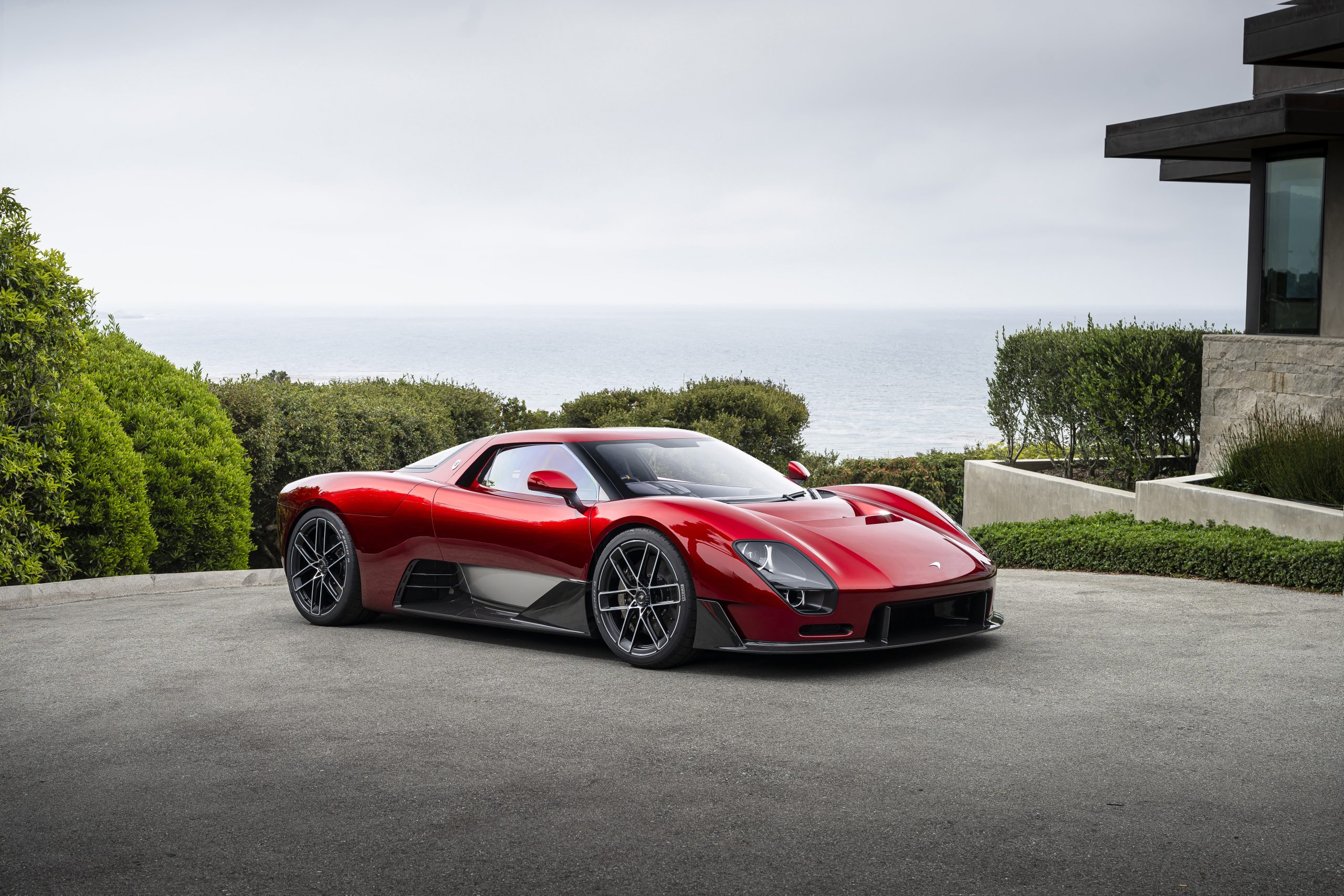
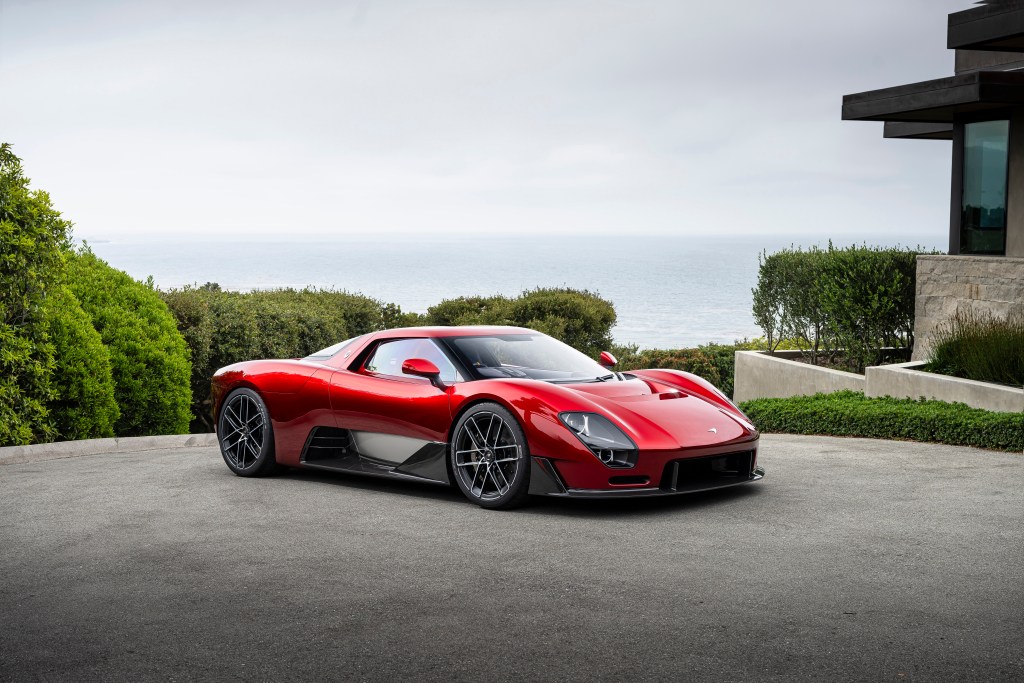
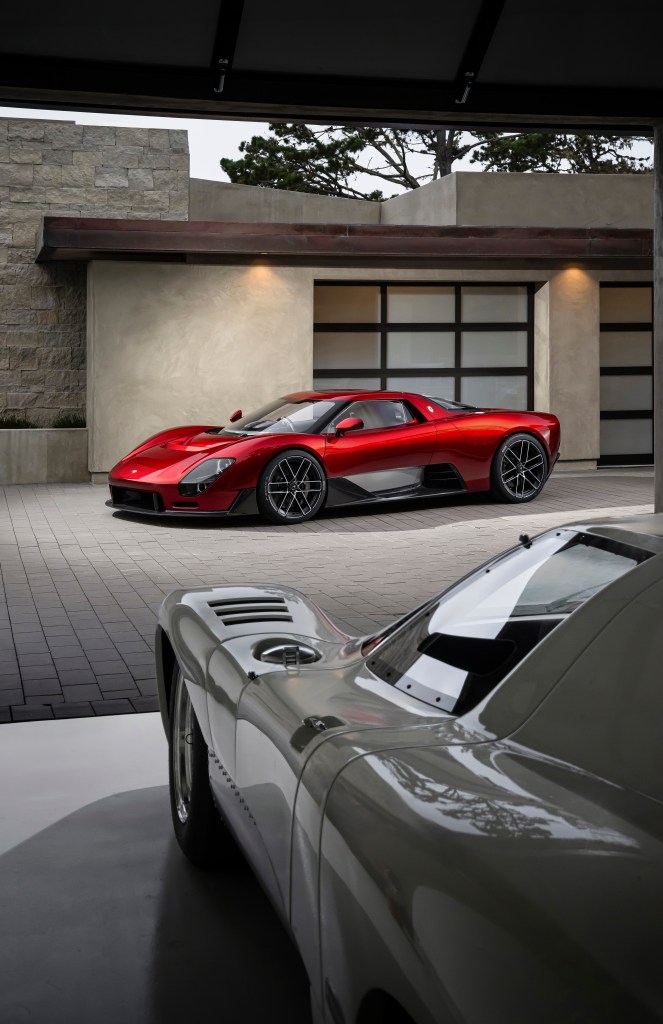
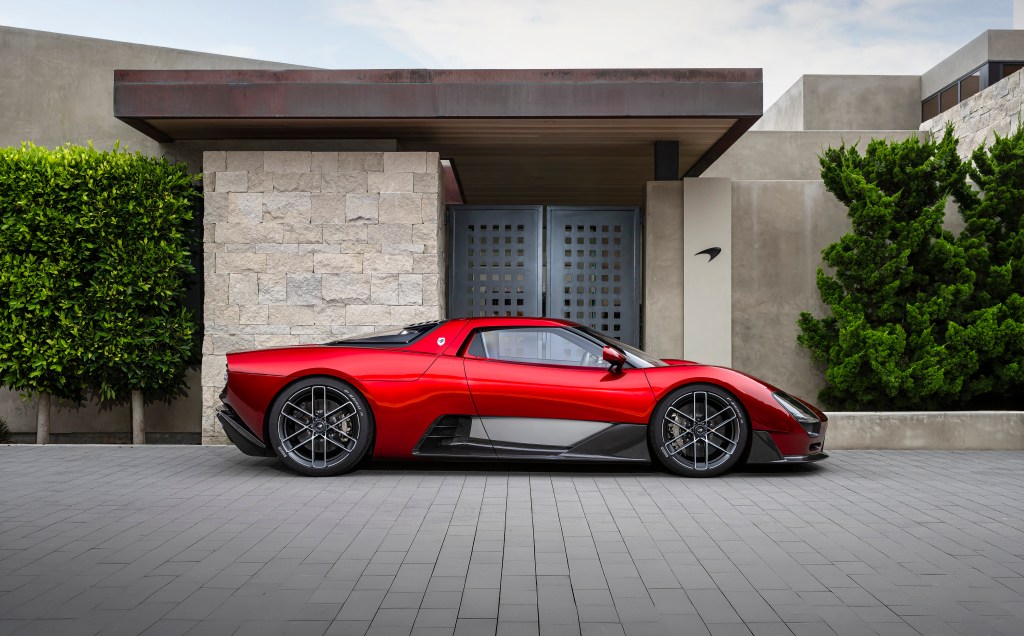
Those keeping a close eye on the automotive world may have already seen initial images of the McL 6GT concept, a stunning machine that notably features McLaren’s first manual gearbox in 34 years. The design language represents a significant departure from the aesthetic direction the British marque has embraced since Frank Stephenson’s stunning P1 debuted in 2013. Parked nose-to-nose with a classic red M6GT heritage car, it became crystal clear that the McL 6GT concept—cheekily debuted in the same historic red hue—not only connects founder Bruce McLaren’s production car dreams of the past to the present day, but also offers a definitive glimpse into McLaren’s future design trajectory.
An ultra-limited production run of the McL 6GT is officially slated for release in 2028, though industry observers fully anticipate seeing elements of this refined design language applied to forthcoming McLaren models moving forward. Naturally, any specific questions regarding long-term product planning were met with the customary corporate response that future models cannot yet be discussed, but a visible twinkle in the eyes of every McLaren team member told its own story.
The brand’s current production offerings are hardly lacking in merit. After spending a few days driving the 750S, Artura, and 765LT, automotive journalists were reminded of just how far McLaren has advanced in the 15 years since the MP4-12C first went on sale. Viewing the 788 HS Coupe and Spider at the house, observers noted it looked to be a fitting final evolution of the celebrated 720S and 750S platform. It promises to be an absolute riot to drive, delivering that signature McLaren blend of direct steering feel, high driver confidence, and absurd acceleration. Translating those dynamic qualities into a more generally palatable, classic-looking machine should also help alleviate some of the financial strain the company has experienced in recent years.
While such observations remain speculative—attempting to read between the lines to understand what the McL 6GT signifies for a brand whose CEO, Mike Johnstone, remarked has "lots of exciting news on the horizon"—the true substance of the car lies in its execution. Rather than continuing to wonder if or when a McLaren SUV or sedan might materialize, a deeper dive into the philosophy behind the McL 6GT comes directly from the leader of the design team, Kemal Curic. No matter what the future holds for McLaren commercially, its design ethos is clearly in capable hands.
COOL HUNTING: Let’s start by talking about the M6 GT.
KEMAL CURIC: The design team really took this inspiration from the M6 GT, clearly a car that was ahead of its time.
CH: You can absolutely see the direct inspiration from car to car, but it’s not just an homage, it evolves the design, as you were saying, when the McL first rolled out. We’re excited to get into some of the details, so tell us about some of your favorite elements that have carried over from the M6 GT to the McL.
KC: The purity in the shapes and the forms, particularly the pronounced front fender with its very exuberant shapes and forms, this kind of wraparound windshield that’s sitting within the body. The original car was quite simple in shape and you can describe this vehicle in almost two or three lines. This was really kind of the spirit we wanted to learn from. It has an extreme Can-Am-inspired front end, something that we almost achieved.
CH: Working against the regulations of today, that’s no easy task.
KC: Absolutely. But we didn’t want to create another retro vehicle. We really wanted to learn what makes this car so outstanding for this time period.
CH: So to evolve it and move the design forward to the present and to the future as well.
KC: Exactly.
CH: One thing we always appreciate with these classic cars, when you see them rolled out, is just how mind-blowing the design must have been at the time. In recent years we think that’s been lost in the exotic car segment, even the hyper car segment. So when the sheet came off of the McL we were very surprised by the form; it was very unexpected.
KC: And this is what we hoped for. My favorite part is studying this very carefully. When you sit inside of this vehicle, the original M6 GT, it has these front haunches, the front fenders. They’re so pronounced. They give you this kind of protective feel and at the same time they’re incredibly exotic. So you can see the way we created this in a modern form, this now being a full carbon structure and the carbon body. It really allowed us to pronounce some of these elements. One of the technical challenges is the integration of the aero, because this car keeps the pure forms and sculpture of the M6 GT and to do that, all the aero happens within the body. So it flows through the headlamps and detailed shapes on the lower fascia. There’s a technical purpose behind that as well, not just looking great.
CH: You’re taking heritage design and moving it into a whole new level of functionality and keeping the forms a little more simple compared to what we’ve seen in the past decade or so, not just from McLaren but other brands as well.
KC: I would say it’s more pure and more timeless. That was an essential goal because we really wanted to invent the McL 6GT as a collector’s piece. A car that you’re still going to appreciate in 20, 30, 40 years. A return to the analog desirability 30 years later from the F1. We really wanted to celebrate this, not just from the interior, but also from the exterior, this analog feel.
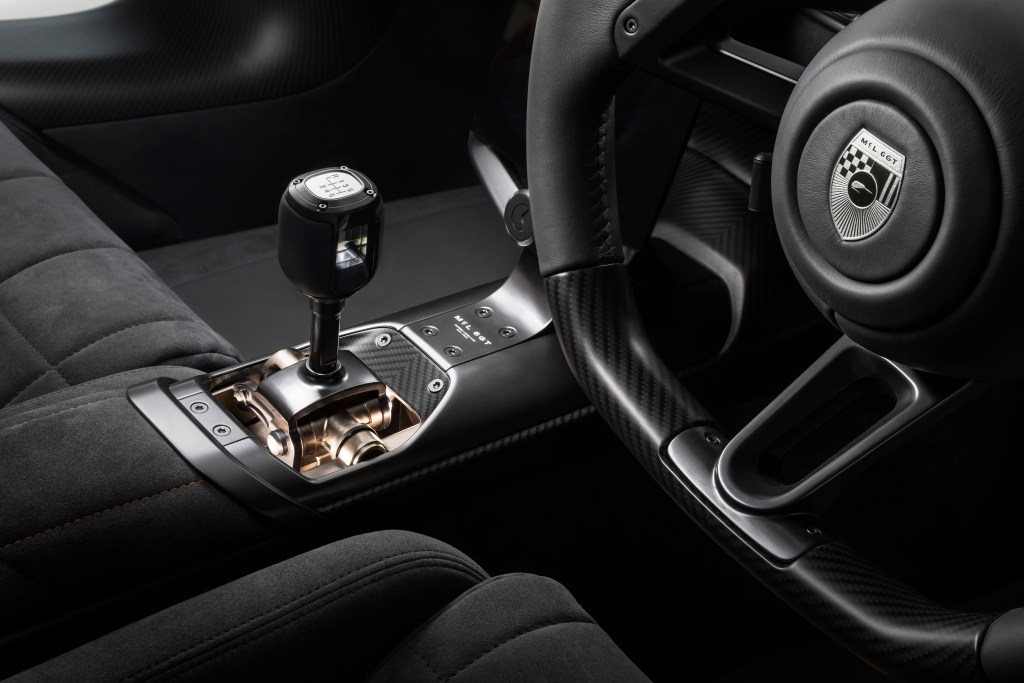
CH: This car is so good looking from the outside that we haven’t even gotten to the fact that there’s a 6-speed manual inside. Which again, is very unexpected. Beyond the exposed linkage of the gearbox, the seats immediately stood out to us.
KC: We took some of the inspiration from the original car of Bruce McLaren, this box quilting and really took it to the modern era. Not only does it look great, but also feels great. If you realize when we sit inside of the original car from Bruce McLaren it was incredibly comfortable, this box quilting. So we put another twist into the race seats and put something extremely comfortable on them.
CH: In terms of usability—something that you’re gonna get in and out of regularly, looking at the door sill, how much that’s shaved down just for ease of ingress, egress—I think that drives home the idea of "hey, we want you to use this car as a car as much as possible."
KC: That’s right. You can see not just the ease of getting in and out, but also having everything at your fingertips. We really put a lot of effort into how you’re gonna use the gearbox. Obsessing about the right size, what feels really good in your hand when you’re shifting, how it sounds when you change gears, not just the way it looks. And if you look around the steering wheel, everything is at your fingertips. You can see these rockers, which are unique to McLaren, that you can easily access while driving at high speeds to be able to engage the different modes for your suspension and powertrain without your hands leaving the wheel, but more importantly, with eyes staying fixed on the road.
CH: Another detail we’re curious about: the toggle switches on the door.
KC: These are actually meant to be for different functionalities. For example, you have your nose lift and other things that you can engage very quickly. The idea is to feel these buttons, experience the tactility, how they sound when operated. Same as the gearbox.
CH: Let’s talk about the rear of the car.
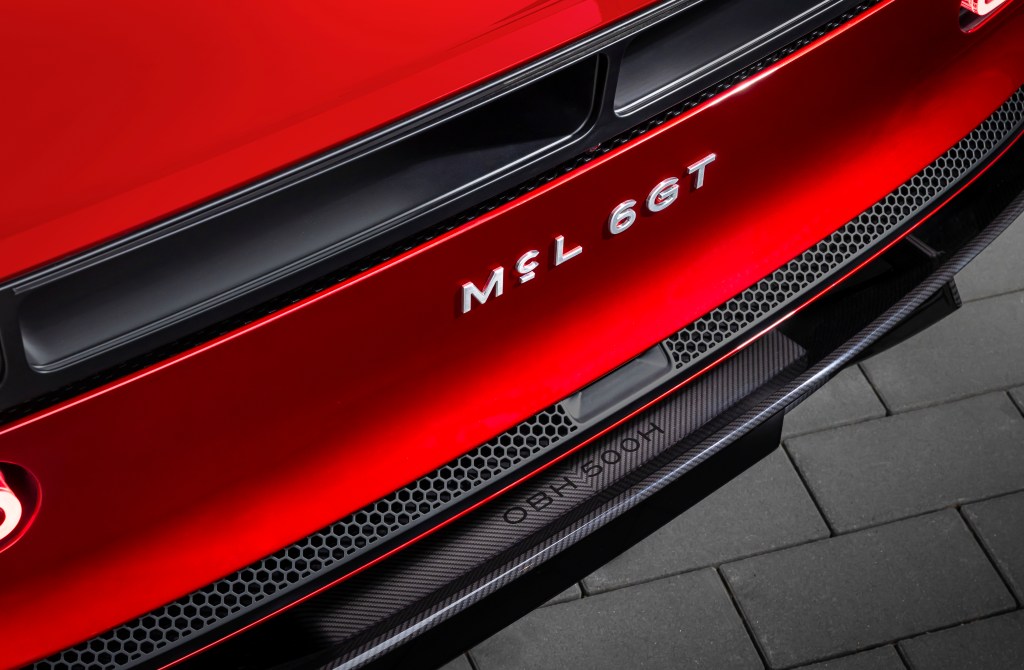
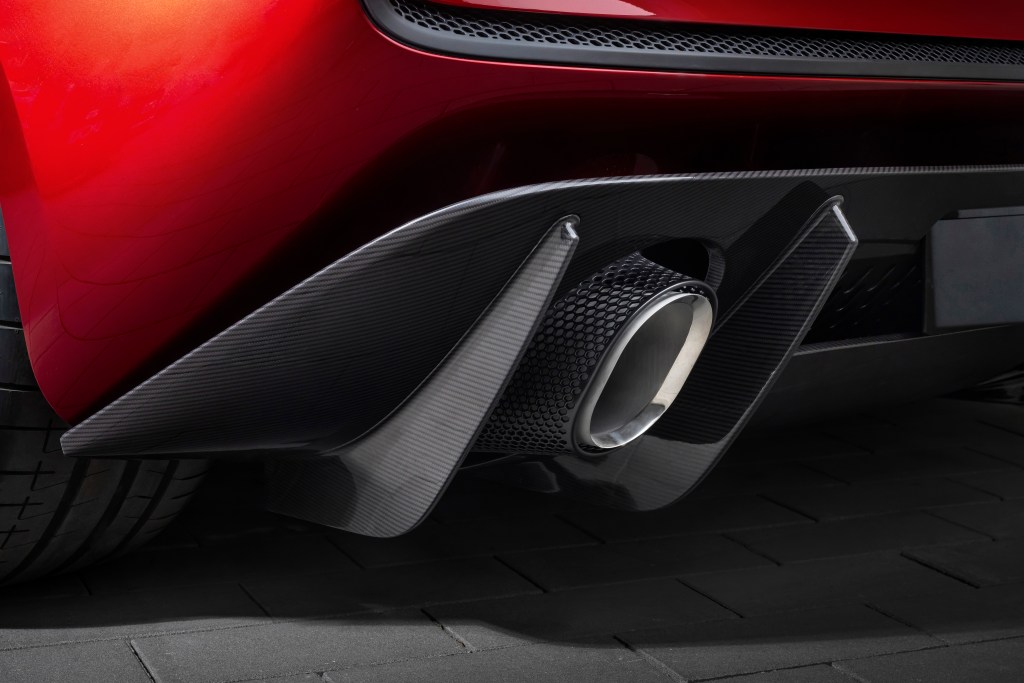
KC: It’s one of the most important views for McLaren as it’s what a lot of drivers are going to see. It’s this kind of racetrack-inspired back end and it continues the shapes and forms as the air vents on the interior. There’s something we got from the original car, and we call this the "racetrack loop." It continues with not just the taillights, but with the exhaust outlets, the air vents, the rear end as a whole and gives it a distinctive signature.
CH: That’s obviously a great connection to not just the M6 GT, but the brand’s heritage overall. This pared back, clean and highly technical design feels very appropriate for McLaren, something that surely Bruce would be very pleased with as an evolution of his original vision. Congratulations to you and your team and we look forward to seeing more from McLaren in the next couple of years.
KC: Thank you so much.