





When the prospect of spending a week at a rigorous health and wellness retreat was first raised more than a decade ago, the response was hesitant. Drawn to the legendary reputation of intense programs known for punishing all-day hikes and strictly calibrated, minimalist caloric intake, the idea of an austere boot camp held little appeal. Yet, spending four nights at the Ranch Hudson Valley—the sophisticated East Coast outpost of the beloved Malibu original—reveals an experience that defies easy categorization. It is neither a Spartan military-style training camp nor a sterile, cutting-edge clinical longevity facility. Instead, it occupies a deliberate middle ground, and that measured approach appears to be precisely its primary draw for travelers seeking a balanced physical reset without the intimidation factor.
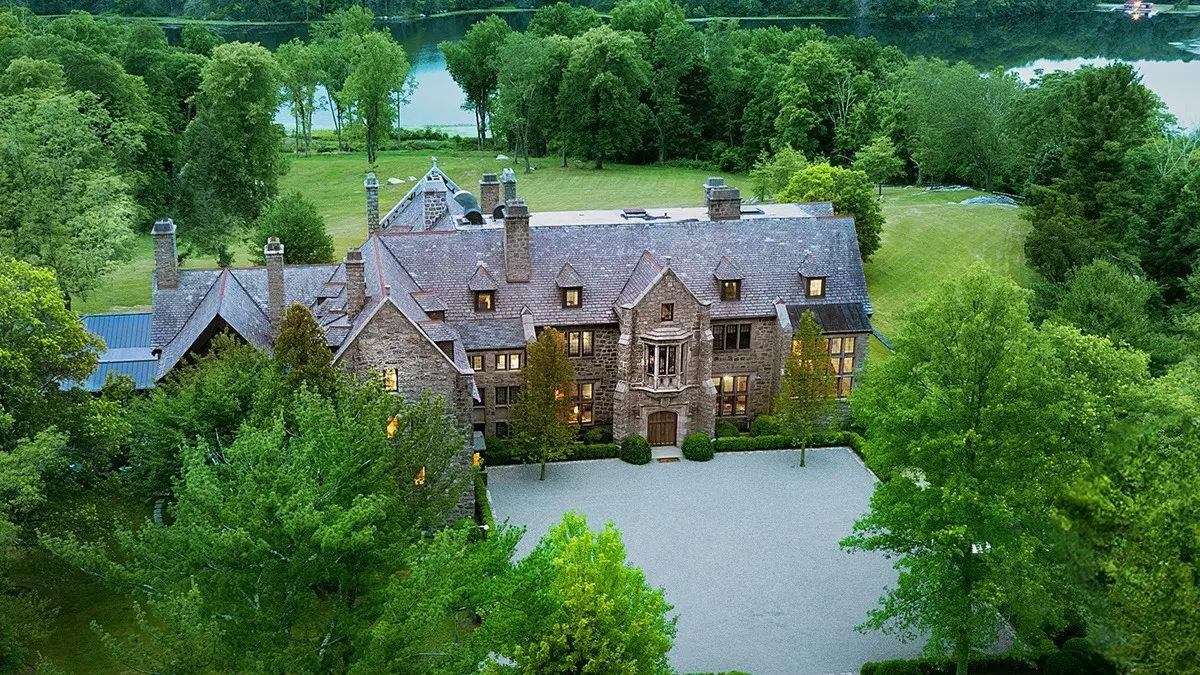
Situated just a convenient 50-minute drive from Manhattan, the retreat is anchored by Table Rock, a magnificent 1904 estate originally constructed as a country home. Built on a sprawling scale with more than 40,000 square feet of historic architecture, the property was originally designed for William Pierson Hamilton—the great-grandson of founding father Alexander Hamilton—and his wife, Juliet Pierpont Morgan, the daughter of famed financier J.P. Morgan. The Ranch acquired the landmark estate alongside roughly 200 surrounding acres in 2023, meticulously preserving its near-pristine Gilded Age character before officially opening the Ranch Hudson Valley to guests the following year.
Upon arrival, guests are affectionately dubbed "Ranchers" and assigned individual, character-filled guest accommodations rather than standard hotel numbers. A room nestled under a third-floor gable carries the rustic moniker "Ranger." In keeping with the historic, residential feel of the estate, rooms are left unlocked, fostering an immediate sense of staying at a lavishly appointed private country home shared among two dozen people. Modern hotel formalities, such as traditional room phones, are discarded in favor of walkie-talkies, facilitating smooth communication between the visiting clientele and the attentive support staff across the expansive historic grounds.

The demographic profile of the resident Ranchers spans a wide spectrum, reflecting a universal appetite for outdoor challenge and personal restoration. During a typical four-night stay, the cohort numbers 25 guests in total, featuring a mix of family pairs, married couples, and groups of lifelong friends embarking on annual wellness getaways. Men make up a smaller fraction of the group, while the majority arrive solo, looking either for a concentrated mental break or a structured health reset. The age range can span an impressive 60 years, with octogenarians frequently earning deep respect from younger peers for their remarkable stamina and physical fitness on the trails. While a strong contingent hails from the immediate New York metropolitan area, others travel from international destinations as far away as Bulgaria and Australia, united by a common desire to test their endurance in the great outdoors.
The journey begins relatively gently, though not entirely without unexpected wilderness encounters. The initial arrival afternoon typically consists of a grounding breath-work class followed by a shorter introductory hike directly on the property grounds—an outing that, on one occasion, included an unexpected timber-rattlesnake sighting to keep guests alert. As evening approaches, guests can unwind in the estate’s solarium, relaxing within an infrared sauna that features a sweeping picture window overlooking the placid lake below.
The first full day of the rigorous program significantly raises the physical stakes. Operations commence promptly at six in the morning, heralded by an overnight staff member gently ringing a traditional Tibetan chime outside each guest room door. A mere fifteen minutes later, participants gather downstairs in the main living room for eagerly anticipated mugs of coffee—a luxury strictly limited to the breakfast hour—followed by a mandatory 20-minute group stretching session before a light, fueling morning meal.

The true signal that endurance is about to be severely tested manifests in the locker rooms, where experienced repeat guests begin methodically wrapping their feet with athletic tape and applying specialized gel pads to stave off inevitable blisters. First-time participants quickly follow suit. Generous applications of sunscreen and bug spray are strongly encouraged before the group packs essential snacks and water bottles, boarding three luxury Sprinter vans bound for nearby Harriman State Park.
For those who commit to the full four-hour guided hike, the physical exertion is profound yet deeply rewarding. After the initial two hours of steady climbing and navigating uneven terrain, the group pauses to refuel with nutrient-dense cacao protein bites. Hours three and four pass swiftly, occasionally punctuated by memorable wildlife encounters, such as a young male black bear calmly crossing the trail. The wisdom of the preparatory foot-care ritual becomes glaringly apparent by the end of the trek. Returning to the estate, guests find solace in a mudroom ritual centered around soaking tired feet in a rejuvenating ice bath, with an alternative option of warm water infused with fresh rosemary, lavender oil, and Epsom salt—a daily routine many rely upon for the remainder of their stay.
Following dinner, senior program guide Ben Copp often encourages participants to embrace what the rock-climbing community defines as "Type 2 Fun"—pursuits that may cause discomfort or challenge in the immediate moment, but leave practitioners hooked and deeply satisfied in retrospect. The philosophy quickly resonates, and guests adopt the term playfully for nearly every demanding activity that follows.

Despite the physical exertion, the retreat delivers the high-end creature comforts expected from a five-star resort experience. While guests are engaged in strength-training sessions or yoga classes inside the estate’s former grand ballroom—featuring intricately carved and coffered ceilings—housekeeping staff quietly whisk away soiled workout gear, returning it freshly laundered by day’s end. Another non-negotiable pillar of the daily routine is the therapeutic massage. Following tens of thousands of steps across rugged terrain, many guests opt for double sessions, reasoning that their legs have thoroughly earned the indulgence.
Minor critiques from guests occasionally surface, ranging from a desire for more encompassing restorative yoga props—such as being able to fully drape over a bolster while swaddled in blankets—to wishing for practical amenities like a high-speed bathing-suit spinner or the ability to purchase the heated towel warmers utilized in the locker rooms. Some fitness enthusiasts even voice an appetite for an even more densely packed schedule featuring specialized classes like water aerobics, TRX, or Pilates, rather than relying on optional add-ons.
Social dynamics form an equally vital component of the retreat’s ecosystem. Lively conversations flow effortlessly during grueling trail hikes, while meals serve as communal gatherings where topics of discussion range organically from current politics and workout apparel to longevity research, Blue Zones, and wellness philosophies, dictated entirely by table companions. Repeat visitors frequently coordinate their annual calendars to coincide with friends they met during previous visits, underscoring how authentic human connection is intentionally woven into the fabric of the experience.

Culinary execution remains central to the program’s philosophy. Spearheaded by a nutritionist chef who prioritizes functional fueling over fleeting diet trends, the kitchen designs menus where ingredients are selected for specific nutritional purposes as much as for flavor. The resulting cuisine is strictly plant-forward, leaning heavily into vegan preparations with occasional, carefully integrated animal proteins. While this specialized nutritional approach may not align with every palate, guests consistently note that nobody leaves the dining table feeling deprived or hungry.
Ultimately, the appeal of the retreat lies in its intentional stripped-down commitment to fundamental pillars of well-being: consistent physical exercise, clean and purposeful nutrition, and quality restorative sleep, all elevated by historic surroundings. Eschewing modern diagnostic fads, blood work analysis, and overly complicated wellness gimmicks, the program offers a straightforward blueprint for individuals beginning a long-term wellness journey.
As the final evening draws to a close, new friendships forged on the trails naturally morph into collaborative planning sessions for future returns to experience more Type 2 Fun together. Lingering long into the evening in the grand living room, guests play chess, swap trail stories, and exchange contact information and photographs. For many participants, the enduring personal relationships established within these historic walls may well represent the most meaningful and simplest key to lifelong health and longevity. From $9,500 for a single guest for four nights during the fall season.