






There is something about late summer that naturally inspires gathering people around a table. The days linger longer, and the garden bursts with sheer abundance, from deep red tomatoes hanging heavy on the vine to summer squash appearing at a pace faster than any gardener can pick them. Produce reaches its peak during these transitional weeks, transforming the act of entertaining from a household undertaking into an effortless celebration of what the season has generously provided.
Earlier this month, as a dear friend celebrated a major milestone birthday, family and friends gathered outdoors to mark the occasion. The gathering offered a striking parallel between reaching middle age and experiencing the late-summer harvest. Both milestones invite a quiet moment of looking back and taking stock, not merely of what has been accomplished over the decades, but of what has grown and flourished. The friendships, memories, shared experiences, challenges, discoveries, and unexpected turns that accumulate across a lifetime form a distinct personal biodiversity—a rich, evolving ecosystem of influences and stories that ultimately makes an individual life unique.
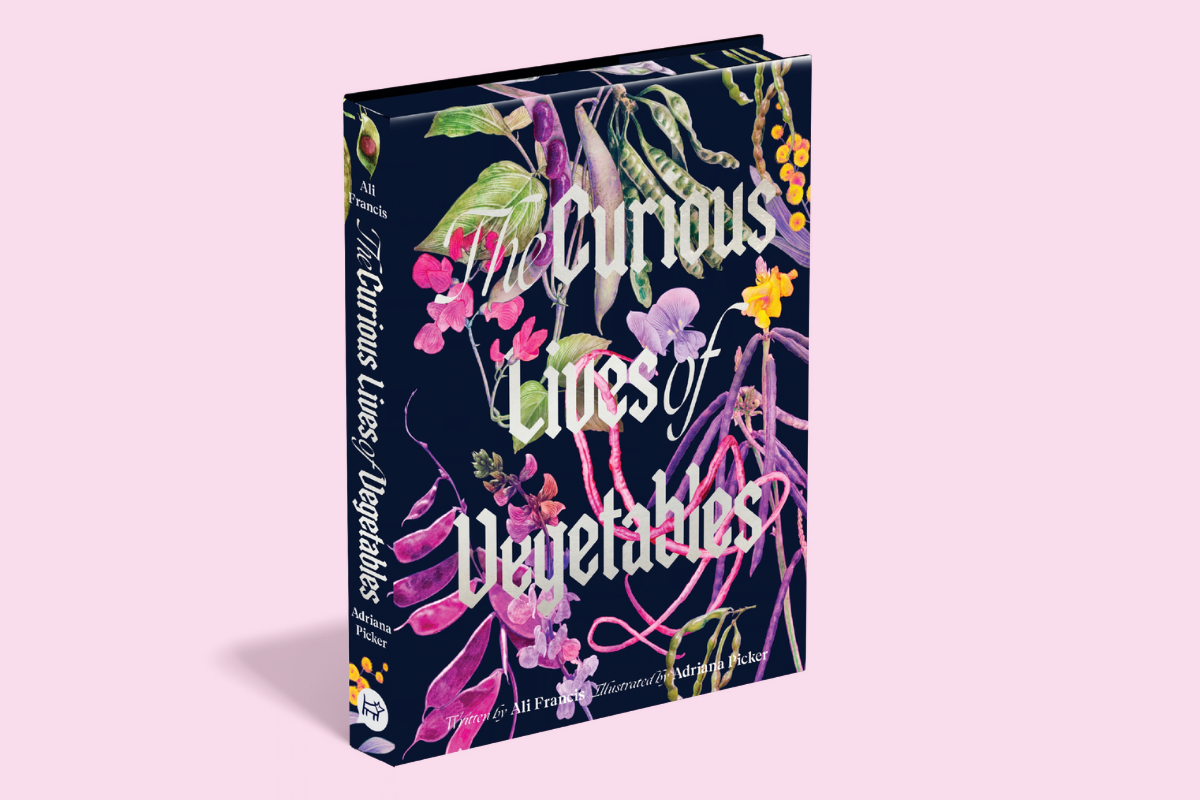
This thematic intersection of growth, history, and agriculture forms the core of The Curious Lives of Vegetables, a new book by food journalist Ali Francis, featuring botanical illustrations by Adriana Picker, which was published on September 15 by Hardie Grant. For readers who enjoy looking far beyond the surface of what is served on the plate, this publication invites a slower, more deliberate reading experience. It is a book about vegetables, certainly, but it is equally about the profound pleasure of looking more closely at the familiar things we encounter every single day.
One of the most captivating aspects of books like this is their ability to make the ordinary feel newly mysterious. Acclaimed author Mark Kurlansky achieved a similar feat with his bestselling work, Salt: A World History, where he uncovered the extraordinary narrative hidden inside the ubiquitous shaker found on nearly every dining table worldwide. Kurlansky demonstrated how deeply salt has been entwined with international trade, food preservation, politics, raw power, and the broader evolution of human civilization. In The Curious Lives of Vegetables, Francis takes a remarkably similar approach to the everyday vegetables we so often take for granted.
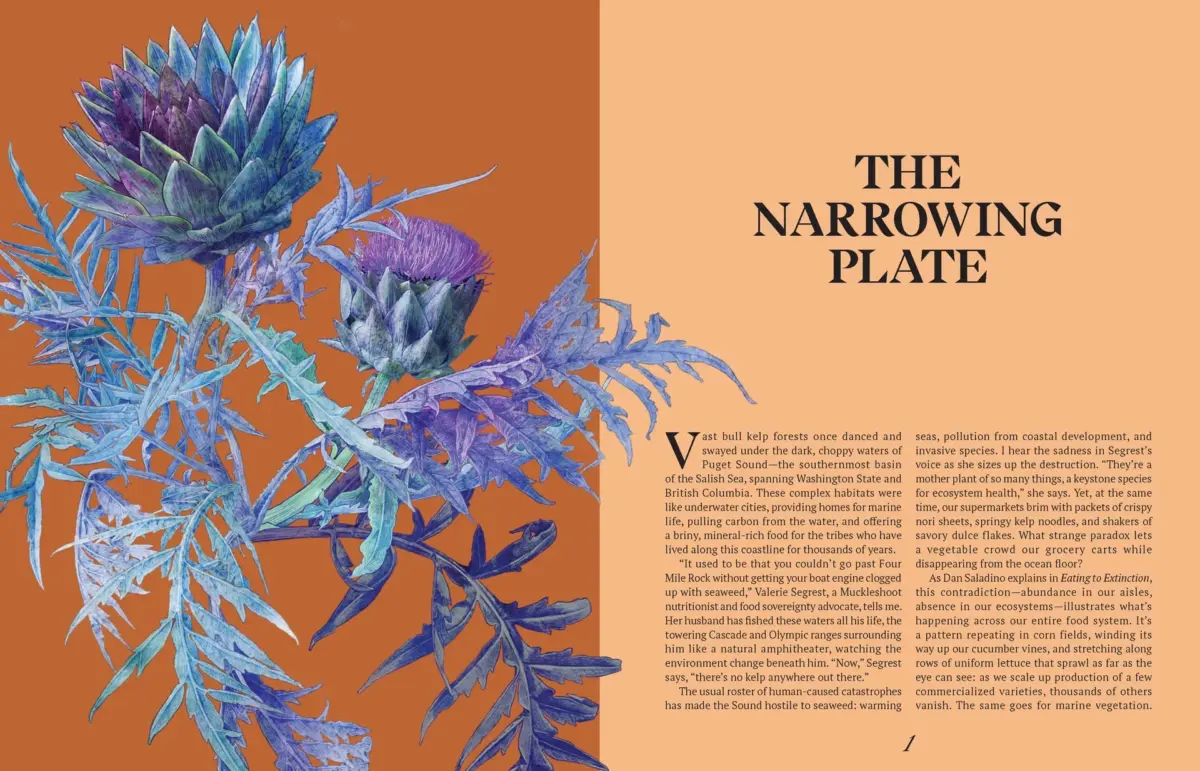
At first glance, contemporary food choices can seem more abundant and accessible than ever before. Modern global logistics allow consumers to eat sushi almost anywhere in the world and purchase a fresh tomato or container of strawberries in the dead of winter. Yet, beneath this veneer of limitless supermarket abundance lies a surprising and troubling narrowing of what humanity actually grows and consumes. Historical data reveals that more than 90% of the specific crop varieties documented in the early 20th century are no longer readily available in modern commerce, taking with them a vast amount of the genetic diversity those unique cultivars once represented. Out of the tens of thousands of edible plant species that exist across the globe, modern agriculture relies on a remarkably small fraction. Just three primary crops—rice, maize, and wheat—now provide roughly 60% of all plant-driven calories consumed worldwide. It presents a strange, paradoxical contradiction for the modern consumer: more apparent choice on the supermarket shelf, yet significantly less biological diversity in the agricultural field.
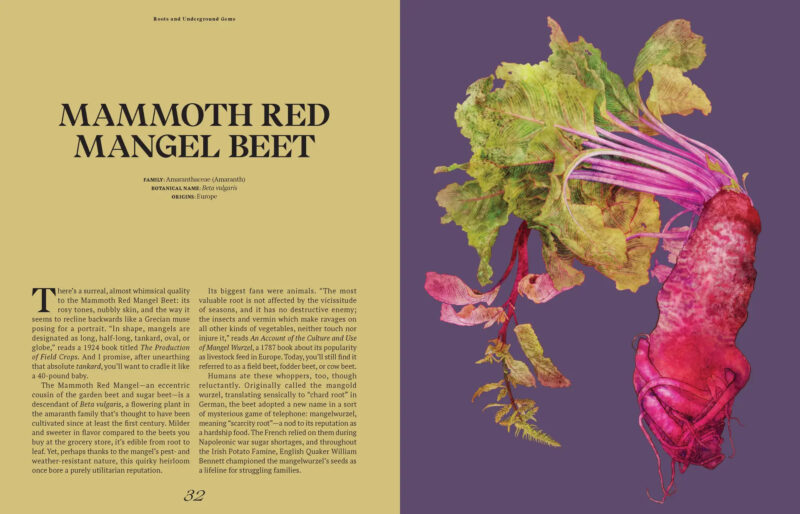
This systemic agricultural challenge is precisely where Ali Francis’s The Curious Lives of Vegetables becomes essential reading. Francis profiles more than 125 distinct vegetables, dedicating substantial attention to rare, heirloom, and historically overlooked varieties. Throughout the book, she traces their fascinating journeys through human culture, scientific development, agricultural migration, and shifting culinary tastes over centuries. Readers may think they understand a common tomato, only to discover its complex, globe-spanning history. They may believe they know a standard carrot, only to be introduced to its evolutionary lineage, its diverse regional varieties, and the specific historical choices that determined which cultivars became mainstream while others quietly faded toward extinction.
Vegetables are much more than simple culinary ingredients for a weeknight recipe. They serve as tangible records of human migration, ingenuity, and cultural memory. They reflect our planet’s biodiversity and participate in a massive, interconnected global food system. A single vegetable can simultaneously serve as the foundation for a comforting home-cooked dinner and a clear window into centuries of agricultural cultivation, trade routes, and cross-cultural exchange.
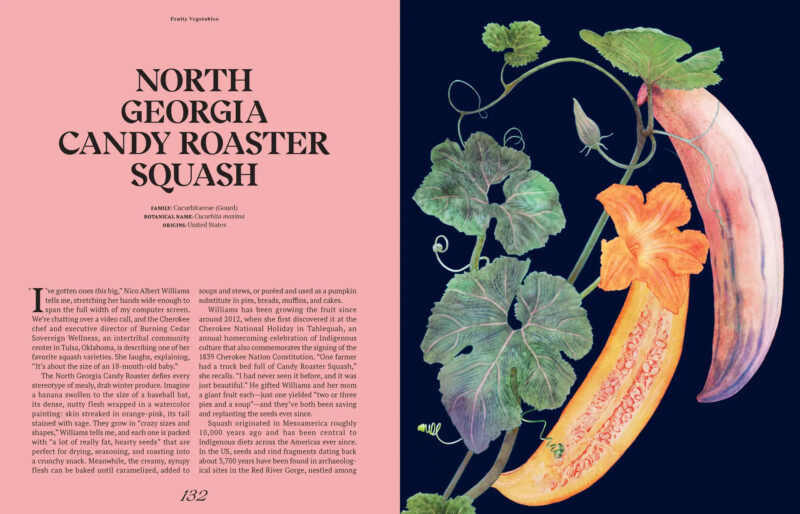
The intricate beauty of Adriana Picker’s botanical illustrations elevates the reading experience further, granting these edible plants the careful attention they truly deserve. Rather than presenting them with the clinical, sterile precision of a scientific diagram, Picker portrays each plant with the intimacy and dignity of a classical portrait.
The more society understands the complex history behind everyday sustenance, the more difficult it becomes to take modern agricultural abundance for granted. Environmental biodiversity is not merely an abstract concept debated by scientists; it is quite literally sitting on our plates at every meal. Preserving heirloom and unusual plant varieties is about much more than simply finding an unexpected ingredient for a dinner party. It is fundamentally about maintaining vital genetic diversity, safeguarding irreplaceable cultural knowledge, and keeping future agricultural possibilities alive for generations to come.
This pressing agricultural reality has manifested in surprisingly personal ways within domestic life as well. In the author’s household, a life partner—a middle-aged former skater punk who once spent his time flipping through skateboarding magazines and digging through dusty boxes of vintage vinyl at local flea markets—has recently transitioned into an avid enthusiast of Seed Savers catalogues. While the rebellious, independent energy remains entirely intact, it is now productively channeled into cultivating obscure varieties of heirloom peppers and preserving native plant species in the backyard garden.
For millennia, the simple, cyclical act of saving a seed from one harvest to replant in the spring served as the absolute bedrock of human survival and civilization. However, over the course of the past century, profound shifts in industrial agriculture, commercial seed ownership, and modern intellectual-property law have made the basic human right to save, share, and cultivate certain seeds increasingly complicated and restricted. Consequently, there is something deeply radical today about the straightforward act of saving a seed—preserving a physical piece of one growing season to safely launch the next. This grassroots sentiment even achieved legislative recognition in the United state of Maine, where voters overwhelmingly approved a constitutional "Right to Food" amendment in 2021 that explicitly protects the traditional right to save and exchange seeds.
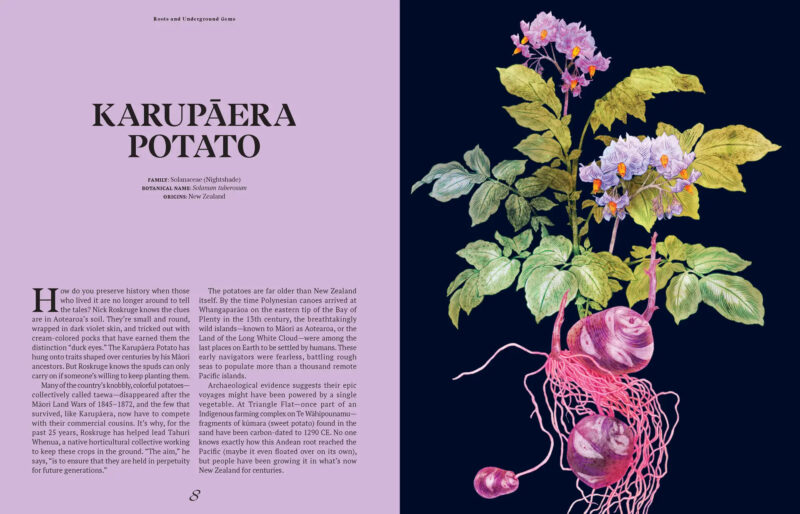
Ultimately, The Curious Lives of Vegetables functions just as much as a book about our collective future as it does an exploration of our shared agricultural past. It challenges readers to pay closer attention to what we choose to grow, what we consume, what we actively preserve, and what we might otherwise allow to quietly disappear from the earth. It powerfully reminds us that the foods we casually label as ordinary are almost always the product of extraordinary historical journeys.
Reflecting once again on milestone celebrations and the passage of time, human lives share a deep affinity with the vegetables detailed in these pages. People inevitably become far richer and more interesting when they truly understand their own histories. What might appear from a distance to be a simple, finished entity is, in reality, the complex accumulation of countless seasons: what was planted, what flourished under favorable conditions, what was temporarily neglected, what was lost along the way, and what was bravely carried forward into the future.
Perhaps that is what makes this particular seasonal transition so compelling. The end of summer is never truly an abrupt ending. Instead, it functions as a natural pause between active growing seasons, offering a timely reminder that some things are meant to be fully enjoyed in the present moment, some preserved for the leaner months ahead, and others carefully saved as seeds for whatever new life comes next.
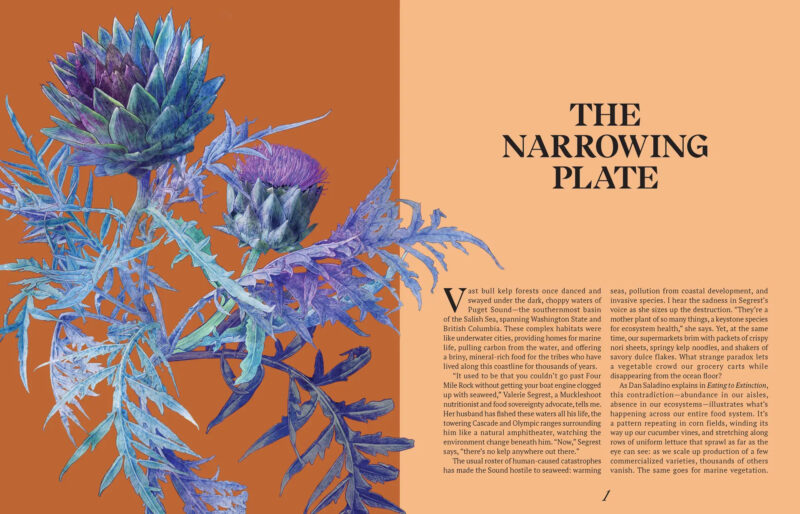
Published by Hardie Grant, The Curious Lives of Vegetables: An Artful Exploration of the Wonderful World of Edible Plants, Their History, and Their Crucial Role in Our Future is available now.