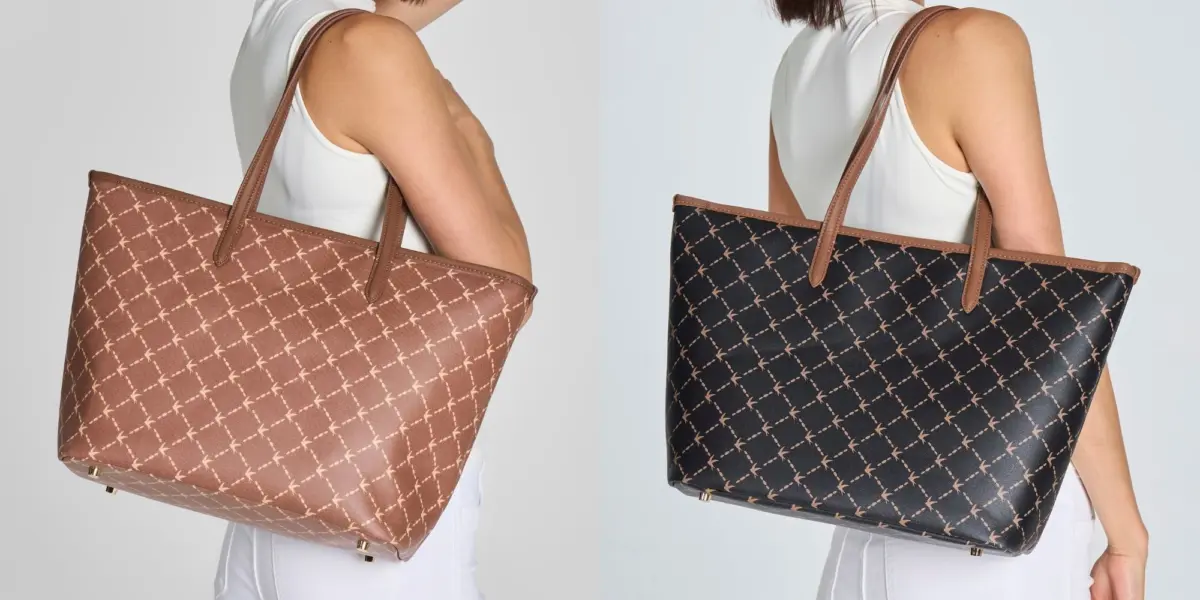






As consumers increasingly seek ways to align their everyday purchasing decisions with their environmental values, the humble tote bag has emerged as a focal point for conscious fashion. Whether utilized for carrying groceries, packing essentials for a weekend getaway, heading to a yoga class, or navigating the daily commute, the tote bag is an ubiquitous accessory. Yet, despite their widespread availability in coffee shops, supermarkets, and high-end boutiques alike, not all tote bags are created by businesses operating with sustainability in mind.
To help consumers navigate this crowded market, editors who curate highly rated brands assessed through rigorous rating systems have rounded up a selection of more sustainable tote bags. This curated collection spans several categories, featuring vegan options from brands like Sans Beast and Mashu, budget-friendly choices from Up-Fuse and Terra Thread, and upcycled picks from Elvis & Kresse and E.L.V. Denim. Understanding what goes into these products requires a closer look at the materials, manufacturing practices, and ethical standards that define a genuinely more sustainable option in the modern accessories market.
What makes a more sustainable tote bag?
The criteria for evaluating a more ethical and environmentally conscious tote bag begin with the raw materials utilized in its production. Lower-impact materials, such as recycled and organic fibers, play a pivotal role in reducing the ecological footprint of the fashion industry. Traditional tote bags are frequently crafted from cotton canvas; however, conventional cotton cultivation often relies heavily on synthetic pesticides and vast amounts of water, making organic cotton a preferred alternative. Similarly, polyester options are frequently utilized for their durability and capacity to carry heavy loads, but virgin polyester is derived from fossil fuels. This extraction process contributes directly to greenhouse gas emissions and drives the global demand for oil. For consumers who require the durability of synthetic fibers, choosing recycled polyester is widely recommended as a more responsible path forward.
Animal-derived materials represent another critical consideration in the assessment of sustainable accessories. High-end tote bags are frequently manufactured from conventional leather, an industry associated with significant land use, methane emissions, and toxic chemical tanning processes. To address these concerns, sustainability advocates advise either seeking out certified leather options that adhere to rigorous environmental and social standards or finding innovative vegan alternatives.
Beyond materials, indicators of longevity are paramount in determining the true sustainability of any accessory. A bag that must be replaced frequently due to poor craftsmanship ultimately generates unnecessary waste, regardless of the materials used in its initial creation. Quality manufacturing—characterized by robust stitching, securely attached handles, reinforced seams, and durable fastenings—ensures that a tote bag can stand up to frequent use and the heavy loads of daily life. By prioritizing items built to last, consumers can significantly reduce their overall consumption patterns.
Highlighting Conscious Brands and Innovative Producers
Within the broader landscape of ethical fashion, several standout enterprises are redefining how accessories are produced. Among the brands highlighted in the recent editorial roundup is Up-Fuse, a Cairo-based social enterprise dedicated to promoting an eco-conscious lifestyle through design. Operating under the philosophy that "one’s trash is another’s fabric," the brand collaborates closely with Syrian, Ethiopian, and Sudanese female refugees living in Egypt, integrating social empowerment into its environmental mission by creating unique, upcycled products from discarded materials.
Another notable name in the space is Ucon Acrobatics, a brand that firmly believes in the importance of innovative, functional, and minimalistic products tailored for creative consumers. The company constructs its offerings with a high proportion of eco-friendly materials, prominently featuring organic cotton. In its direct operations, Ucon Acrobatics utilizes renewable energy to actively reduce its climate impact. Furthermore, the brand demonstrates a commitment to social responsibility by ensuring the payment of a living wage at the final stage of production, addressing the often-overlooked labor conditions within global manufacturing supply chains.
For consumers seeking luxury alternatives free from animal products, brands like Svala offer sophisticated solutions. Svala specializes in crafting luxury vegan handbags, purses, bags, and totes that do not compromise on elegance or ethical standards. Each bag is handcrafted responsibly in Los Angeles, utilizing high-quality, premium vegan leather, cork, and Piñatex—an innovative natural textile derived from pineapple leaf fibers. This commitment to alternative materials demonstrates how luxury fashion can successfully decouple itself from traditional animal agriculture and intensive resource extraction.
Similarly, Lefrik approaches accessory design through the lens of circularity, giving plastic waste a second life by creating functional backpacks and accessories. The brand blends practical design with smarter production practices, transforming discarded polyethylene terephthalate bottles into durable, versatile fabrics that reduce landfill waste and reliance on virgin petrochemicals.
In the realm of vegan accessories, the British label Mashu has earned a positive reputation, holding a "Good" environmental rating from independent assessors. Mashu specializes in handbags that merge high fashion with environmental responsibility. The brand crafts the exterior of its products using innovative vegan leather alternatives, while the interiors feature a luxurious vegan suede made from recycled polyester. This meticulous attention to detail ensures that consumers no longer have to sacrifice their ethical morals for the sake of style.
Editorial Transparency and Ongoing Updates
The evaluation of these brands forms part of a broader ongoing mission to bring transparency to the fashion and beauty industries. Good On You publishes comprehensive ratings that assess brands based on their impact on people, the planet, and animals, utilizing a standardized methodology to help shoppers make informed choices. Because the sustainability landscape is dynamic, with brands continuously evolving their practices, editorial selections are subject to periodic review.
As part of this commitment to keeping consumers informed with the most accurate and up-to-date information, the underlying editorial selections are frequently refreshed to incorporate brands with recent and verified ratings. Through these continuous updates, shoppers gain access to a reliable directory encompassing thousands of evaluated brands, empowering them to support businesses that genuinely prioritize ecological preservation and ethical labor standards across their supply chains.