






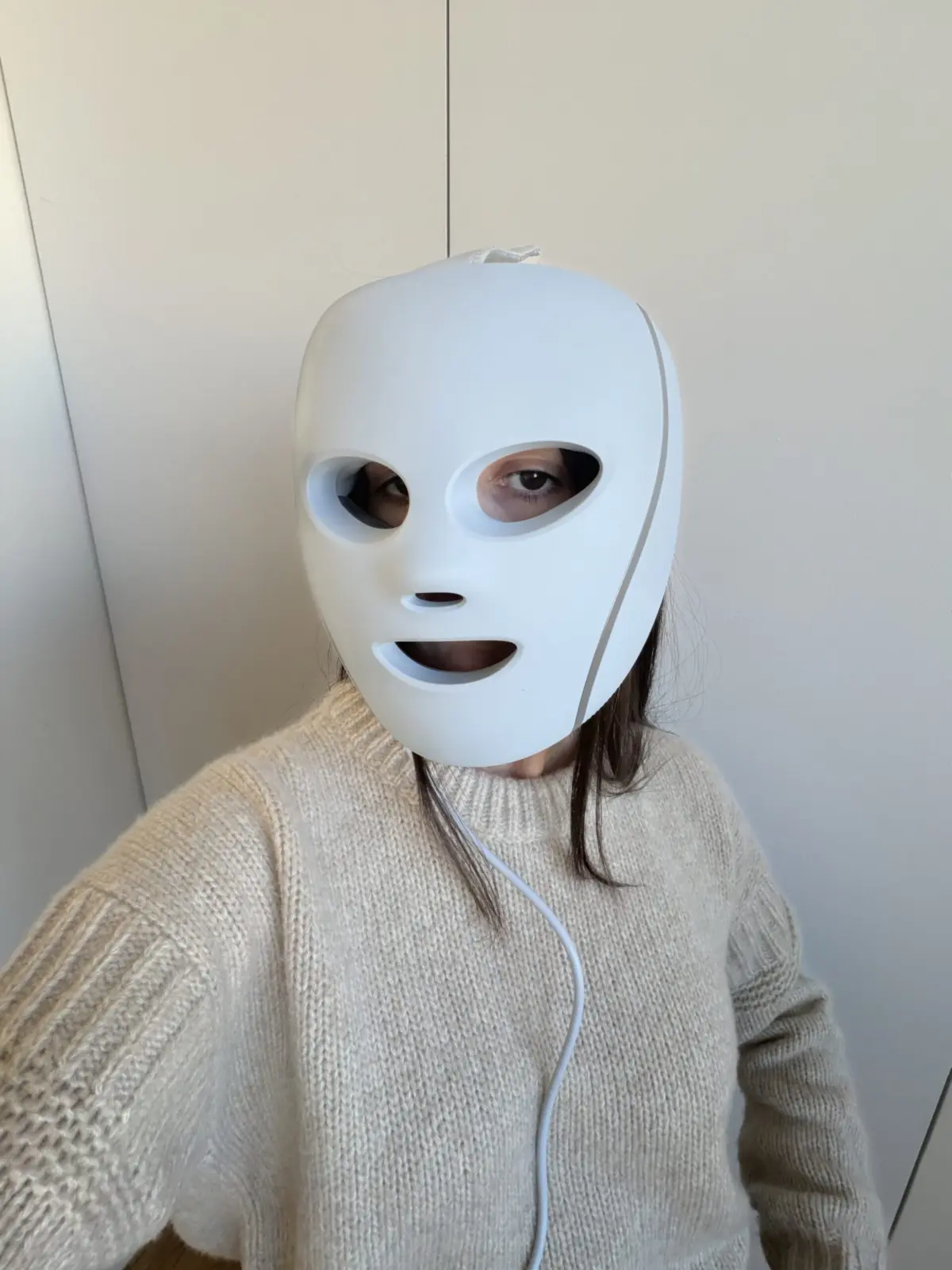
When it comes to modern at-home skincare treatments, few innovations have captured the public imagination quite like red light therapy masks. Adorned with bright LED arrays and futuristic, high-tech designs, these masks are a mainstay across social media feeds and frequently spotted on high-profile celebrities. However, leading dermatologists emphasize that the intense popularity of these devices is entirely justified. Far from being a fleeting social media trend, red light therapy is backed by robust scientific principles that offer tangible, cumulative benefits for a wide variety of skin concerns.
According to Dr. Kiran Mian, a board-certified dermatologist at Hudson Dermatology & Laser Surgery, the therapeutic applications of red light masks are extensive. These devices can help decrease inflammation and localized redness, stimulate collagen production to improve the visual appearance of fine lines, enhance overall skin quality through collagen remodeling, and generally elevate the skin’s clarity and texture. Yet, as with most clinical-grade skincare regimens, achieving these transformative outcomes requires patience and discipline. Dr. Mian notes that consistency is the single most critical factor for success, emphasizing that these beneficial effects are gradual, subtle, and accumulate through consistent application over extended periods.
To understand why these devices have become essential additions to modern beauty routines, it helps to examine the underlying mechanisms of the technology. Red light therapy masks operate on a scientific process known as photobiomodulation, whereby specific wavelengths of light are absorbed into the various layers of the skin to trigger targeted biological responses at a cellular level.
The roots of this technology stretch far beyond the beauty industry. Light-emitting diode technology was initially developed and utilized by NASA to support plant growth in controlled environments, and it has since been adapted and refined for medical and dermatological applications. Dr. Jane Leonard, a general practitioner and cosmetic doctor, explains the biological cascade that occurs when these devices are applied to the face. When light at the precise, therapeutic wavelength hits the skin, it is absorbed by chromophores, which are light-sensitive molecules within human cells. This absorption stimulates the mitochondria—often referred to as the powerhouse of the cell—to produce a greater quantity of adenosine triphosphate, commonly known as ATP, which serves as the fundamental energy currency of the cell. The resulting surge in cellular energy drives essential repair processes, including enhanced collagen synthesis, significant reduction of inflammation, and accelerated cellular renewal.
Reinforcing this perspective, Dr. Rishi Chopra, a board-certified dermatologist, advises his patients to commit to at least three to four months of consistent, routine use before evaluating changes in fine lines, surface texture, and overall skin quality. Dr. Chopra reiterates that the key word is gradual, drawing a direct parallel between LED light therapy and the long-term use of a topical retinoid. A single treatment session is never transformative on its own, but consistent utilization over time compounds into meaningful, visible improvements in skin health. Many of his patients seamlessly incorporate the practice into their evening routines several times per week.
Given the substantial financial investment required for many premium devices, dermatologists have weighed in on which specific models deliver genuine clinical value, highlighting options that range from budget-friendly choices to high-end, splurge-worthy favorites.
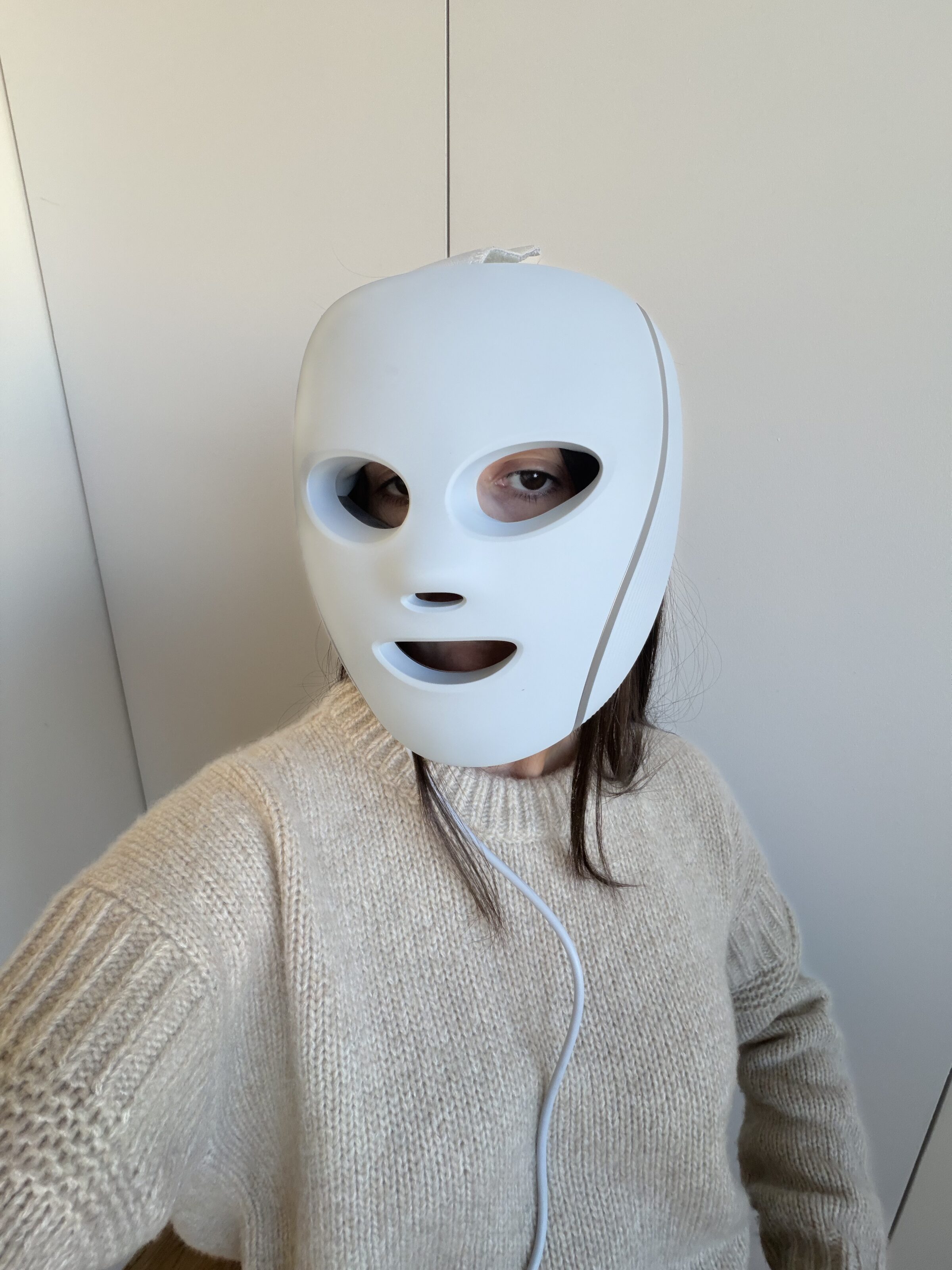
For individuals seeking smoother, more youthful-looking skin, the celebrity-favorite CurrentBody LED Red Light Therapy Face Mask has long been a prominent choice, and the brand has recently elevated its technology with the introduction of the Series 3 mask. Dr. Leonard points out that the Series 3 model incorporates six distinct wavelengths that can be precisely tailored to specific areas of the face using a companion smartphone application. The integrated MyDose technology determines the appropriate light dose for each wavelength independently, ensuring that every wavelength remains securely within its optimal therapeutic range during use.
For consumers who struggle with acne-prone skin alongside signs of aging, investing in a multi-functional device that pairs red light with blue light can be particularly advantageous, as blue light is clinically proven to help eliminate acne-causing bacteria. Dr. Mian highlights the Dr. Dennis Gross DRx SpectraLite FaceWare Pro as an exemplary choice in this category, noting that it offers a combination of red, near-infrared, and blue light with full FDA clearance for treating both wrinkles and blemishes. Furthermore, its rapid three-minute treatment time makes it exceptionally convenient for users striving to maintain the daily consistency required for optimal results.
While many high-end devices command substantial prices, consumers do not necessarily have to spend a fortune to access the benefits of photobiomodulation. An affordable alternative catching the attention of skincare enthusiasts is the Wavytalk Red Light Therapy Mask. Available at an accessible price point under $200, this FDA-cleared and clinically tested device features 456 individual LED chips and three distinct treatment modes. Constructed from flexible silicone, it is engineered to provide full-face coverage, incorporating specialized U-Zone and T-Zone configurations designed to eliminate treatment gaps across the contours of the face.
For those prioritizing ergonomic comfort during their sessions, options like the Solawave Wrinkle Retreat Pro Face Mask offer sophisticated design solutions tailored to fit the facial landscape comfortably, ensuring that at-home treatments remain a relaxing ritual rather than an inconvenience.
When it comes to devices engineered specifically for rigorous clinical performance and measurable physiological outcomes, Dr. Chopra recommends the Therabody TheraFace Mask Glo. He notes that Therabody stands out in the crowded beauty tech market due to its unusual level of transparency regarding its underlying technology. Rather than merely counting the number of LEDs, the manufacturer publishes precise data concerning the exact wavelengths, power density, and light doses delivered by the mask, making it significantly easier for professionals to evaluate the device objectively. Its published output sits on the higher end of the spectrum for consumer at-home masks, and the device is further distinguished by robust clinical testing that surpasses many of its industry competitors.
Another innovative hybrid device gaining traction in the market is the Shark CryoGlow Under-Eye Cooling and LED Face Mask, created by Shark Beauty. This unique mask merges traditional red light therapy with cryotherapy by incorporating advanced under-eye cooling technology. Designed to tighten and de-puff the delicate eye area simultaneously while delivering red, blue, and deep infrared light treatments, it is clinically proven to enhance overall skin appearance within an eight-week timeframe.
Finally, for those focusing primarily on targeted anti-aging benefits, the Omnilux Contour Face LED Mask remains a favorite among dermatologists due to its rigorous testing and science-backed engineering. Dr. Kobets describes it as a dependable, FDA-cleared flexible mask that combines 633-nanometer red light and 830-nanometer near-infrared light. The ten-minute treatment duration makes maintaining regular consistency realistic for busy schedules, with professionals recommending usage three to five times per week for a period of four to six weeks, followed by appropriate maintenance sessions. Dr. Mian echoes this endorsement, noting that the Omnilux mask reliably delivers consistent energy output through rigorous testing, possessing the exact wavelengths and adequate energy delivery necessary to achieve genuine anti-aging results.