






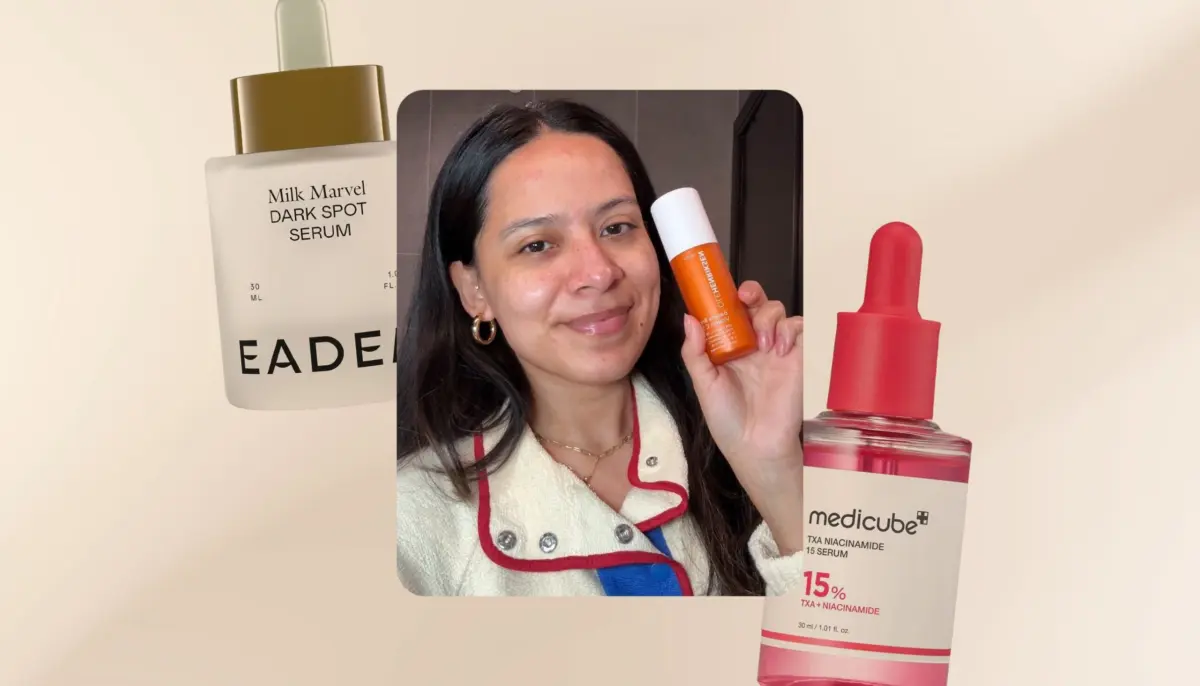
Navigating the world of skincare can often feel like deciphering a complex scientific puzzle, particularly when dealing with stubborn discoloration. Whether triggered by the sun, hormonal shifts, or the aftermath of a breakout, dark spots remain one of the most common and persistent skin concerns for individuals across all demographics. To better understand what causes these pigment changes and how to effectively treat them, leading dermatologists have shared comprehensive insights into the science of hyperpigmentation, detailing which ingredients work, which combinations to avoid, and what results consumers can realistically expect.
According to Dr. Castilla, a dark spot is fundamentally an area of extra pigment in the skin. These patches can manifest in several distinct forms, including age spots, sun spots, and melasma. While sun exposure is a primary culprit, melasma is frequently triggered by hormonal changes such as those experienced during pregnancy or menopause. Although these spots often fade naturally over time, specialized skincare products like dark-spot correctors can significantly accelerate the process and help even out the skin tone.
The mechanism behind these corrective treatments relies heavily on targeted active ingredients. According to Dr. Rachel Nazarian, a board-certified dermatologist in New York City, ingredients such as prescription hydroquinone, retinol, and other proven brighteners work by accelerating skin resurfacing and minimizing the appearance of excess pigment. Dr. Dendy Engelman, another board-certified dermatologist based in NYC, explains that effective dark-spot correctors help break down existing hyperpigmentation while actively preventing new spots from forming by inhibiting the transfer of melanin to skin cells.
Understanding the specific role of each active ingredient is crucial for building an effective routine. Dermatologists frequently recommend alpha hydroxy acids, retinol, vitamin C, and niacinamide. For newer dark spots and lingering acne scars, Dr. Engelman also recommends kojic acid, an ingredient derived from fermented rice.
When it comes to exfoliating acids, Dr. Ellen Marmur, a board-certified dermatologist and founder of MMSkincare, points out that alpha hydroxy acids like glycolic acid or lactic acid help speed up cell turnover and fade surface-level pigmentation. Meanwhile, beta hydroxy acids like salicylic acid are especially helpful for tackling acne-related dark spots. Dr. Marmur notes that both categories should be used in moderation, as they have the potential to irritate sensitive skin. For those with delicate skin types, poly-hydroxy-acids offer a gentler alternative. Because PHAs feature a smaller molecule that allows for more controlled penetration, they exfoliate and slough off dead skin with significantly less irritation.
Retinol, widely recognized as a derivative of vitamin A, plays a dual role in skin health. Dr. Engelman notes that retinol helps fade hyperpigmentation marks by stimulating cell turnover. Regular use not only diminishes dark spots over time but also delivers numerous broad benefits for the overall appearance, health, and function of the skin. Because retinol can initially cause dryness and irritation, dermatologists emphasize the importance of building tolerance gradually. Users are advised to start by applying it once a week, slowly increasing frequency to twice a week, and eventually moving to every other day or daily use as the skin adapts.
Vitamin C operates through a different mechanism entirely. According to Dr. Brooke Jeffy, a board-certified dermatologist in NYC, vitamin C works to actively reduce melanin production while simultaneously serving as an antioxidant. By neutralizing free radicals—which are often triggered by sun exposure or skin trauma—vitamin C stops the pigment production cycle in its tracks, making it a staple in many corrective formulations.
Additional options for lightening dark spots include tranexamic acid, cysteamine, azelaic acid, soy, and arbutin. According to Dr. Hope Mitchell, a board-certified dermatologist and founder of Mitchell Dermatology, these compounds successfully inhibit melanin production while accelerating skin cell turnover to gradually fade discoloration. While hydroquinone can also be highly effective for lightening dark spots, dermatologists urge caution. Dr. Engelman warns that hydroquinone is not safe for individuals with deeper skin tones and can, in some cases, paradoxically exacerbate hyperpigmentation in darker skin.
Incorporating these active ingredients into a daily regimen requires careful timing. Dermatologists generally recommend applying dark-spot correctors containing vitamin C, acids such as AHAs, azelaic acid, ferulic acid, and alpha arbutin during the morning routine. Conversely, retinol should be reserved for the evening because it can make the skin extra sensitive to sunlight. Furthermore, experts advise against using strong actives like retinol and vitamin C serums simultaneously, as this combination is highly likely to cause excessive irritation. Above all, consistency is vital, and daily sunscreen application remains the single most important defense for protecting the skin from further hyperpigmentation.
When patients ask how quickly they can expect results, dermatologists emphasize patience. Dr. Marmur notes that most dark spots take anywhere from eight to 12 weeks to noticeably fade with consistent treatment. Deeper or older hyperpigmentation can take several months to resolve, and incidental sun exposure can significantly slow down progress, reinforcing the absolute necessity of daily SPF.
For those seeking the fastest possible results, dermatologists frequently turn to a combination approach. Dr. Rambhia explains that specialists often pair prescription-strength pigment inhibitors—such as hydroquinone, retinoids, tranexamic acid, or cysteamine—with diligent sunscreen use and, when appropriate, in-office procedures like chemical peels or laser treatments. Regardless of the chosen clinical approach, experts agree that broad-spectrum sunscreen application is non-negotiable. Without consistent sun protection, dark spots can persist, worsen, or recur, rendering previous treatments ineffective.
Discoloration can also present differently depending on the underlying cause. Dr. Jeffy explains that there are many types of dark spots, ranging from sun spots, or lentigines, which are commonly referred to as age spots, to post-inflammatory hyperpigmentation, freckles, melasma, and seborrheic keratoses. While all fall under the broad category of dark spots, their origins and treatment responses can vary significantly.
Addressing dark spots is not limited to the face. For discoloration on the body, experts recommend utilizing retinol-based body lotions and creams, scanning ingredient lists for brightening vitamin C and anti-inflammatory niacinamide. Regular exfoliation is also encouraged to remove dead skin cells, paired hand-in-hand with comprehensive sun protection for both the face and body to prevent further darkening.
Despite the wide array of available treatments, dermatologists warn against the common pitfall of over-exfoliation. Dr. Kseniya Kobets, director of cosmetic dermatology at Montefiore Einstein Advanced Care, highlights that her biggest concern is patients stacking too many irritating ingredients. Because a typical dark-spot corrector already contains an exfoliating acid or a vitamin A derivative, layering separate retinoids, acid toners, scrubs, or peels can easily overwhelm the skin barrier. Dr. Kobets stresses that increased redness and peeling do not equal better results; in fact, with conditions like melasma or post-inflammatory hyperpigmentation, excess inflammation often stimulates the skin to create even more pigment. Instead, experts suggest pairing dark-spot correctors with soothing, hydrating ingredients like hyaluronic acid and rich moisturizers to calm the skin.