





Silver—a lustrous, white metallic element represented by the symbol Ag on the Periodic Table—has long occupied a central, transformative role in human civilization. Harder than gold yet softer than copper, silver ranks second only to gold in both malleability and ductility. Because of its exceptional resistance to oxidation, it is classified as one of the noble metals. While modern consumers often view silver as an affordable alternative to gold or platinum, historical and archaeological records reveal that this versatile metal has frequently driven technological revolutions, shaped global economies, and even altered the course of wars.
Throughout history, the quantities of silver utilized in jewelry and decorative arts have vastly outweighed those of all other precious metals combined. Its unique thermal and electrical conductivity, paired with its striking aesthetic appeal, made it an indispensable material for artisans, traders, and rulers across millennia.
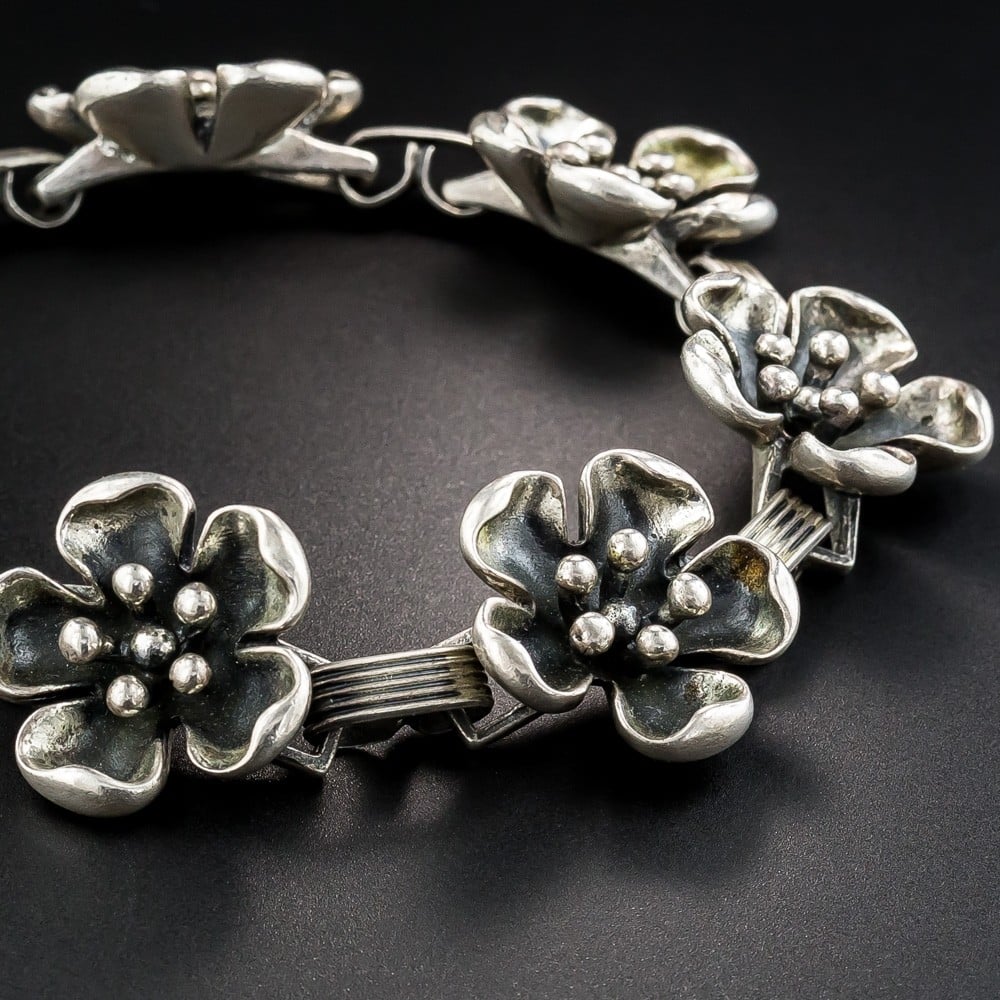
Silver Significance
Today, silver is relatively inexpensive when compared to its precious counterparts, leading to the common misconception that it lacks historical or economic weight. However, examining the historical record paints an entirely different picture. At various points in antiquity, silver was valued far more highly than gold. Furthermore, the quest for silver deposits catalyzed technological advances in mining and metallurgy that far outpaced those driven by other precious metals. Entire economies have risen and fallen based on access to silver veins, making it undeniably one of the most critical elements in human history.
Bronze Age Silver
The story of silver begins near the end of the fourth millennium BC, when innovative inhabitants of modern-day Turkey discovered a method to extract silver from lead through a process known as cupellation. While surviving artifacts from this era are exceptionally rare, they offer profound insight into the advanced capabilities of Bronze Age silversmiths.
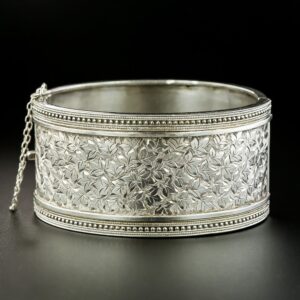
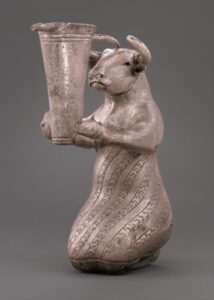
In Mesopotamia, at the very dawn of written history, silver served as a primary form of currency. Rather than appearing as standardized coins, it circulated by weight or in the form of rings. Mesopotamian workshops often combined the production of gold and silver jewelry. Although silver is slightly less ductile than gold and requires more frequent annealing during manufacturing, ancient artisans successfully cast it, hammered it into paper-thin sheets, engraved it, embossed it, and decorated it using intricate repoussé, filigree, and granulation techniques. Archaeological excavations have uncovered vessels, statuettes, and high-purity jewelry that highlight the remarkable skill of these early metalsmiths.
In ancient Egypt, value was heavily dictated by rarity and exotic origin. While gold was readily available locally in the mountains of the Eastern Desert and Nubia, pure silver had to be imported along arduous trade routes that also brought prized Afghan lapis lazuli. Consequently, pure silver was initially valued above gold and reserved exclusively for the elite. By approximately 1600 BC, however, the supply of silver had grown sufficiently for its value to stabilize at roughly half that of gold, establishing it as an abstract currency. The popularity of silver fluctuated with fashion; while King Tutankhamun’s tomb contained very few silver objects, later rulers like Sheshonq II were laid to rest in magnificent all-silver sarcophagi.
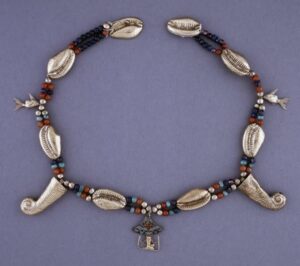
Meanwhile, the Minoans and Mycenaeans actively traded silver throughout the Mediterranean, leaving behind a rich legacy of early Greek jewelry on the mainland, Crete, and Cyprus. Later, the Phoenicians revolutionized the availability of the metal by initiating the exploitation of rich Spanish silver deposits, distributing it throughout the classical world and pulling silver out of its strictly exotic status.
Classical Silver
To both Greek and Roman societies, a steady supply of silver was vital for maintaining coinage. While surviving archaeological evidence suggests gold was favored for high-end personal jewelry—partially due to the frequent remelting and recycling of silver artifacts—ancient peoples utilized silver for finger rings, anklets, and armlets.
The Romans developed a particular fondness for niello, a surface decoration technique resembling enameling but executed with silver sulfate rather than glass. Providing a striking metallic luster and superior durability, niello spread rapidly across Northern and Eastern Europe during the Roman occupation.
Roman historians like Pliny the Elder documented the societal obsession with silver in his monumental Naturalis Historia. Pliny detailed the deep shaft mining required to extract silver ore, noting the immense productivity of Carthaginian and Roman mines in Spain, where operations like the Bábelo mine yielded hundreds of pounds of silver daily. He also recorded the evolving extravagances of Roman elites, from silver-plated banqueting couches and tableware crafted by legendary artists like Mentor to Empress Poppaea’s famous decision to shoe her favorite mules with gold. Pliny contrasted these displays of opulence with the frugality of early Roman commanders, such as Catus Ælius, who famously dined from earthenware and possessed no silver save for two valorous drinking cups.
Celtic Silver
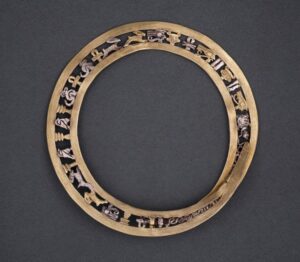
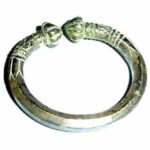
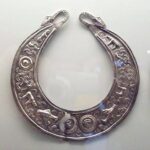
Celtic tribes across Europe utilized silver extensively alongside bronze to craft decorative brooches, torcs, and lunulae. Before the advent of Roman influence, the Celts relied on "ring money"—standardized rings of silver, copper, bronze, or gold—as a dedicated medium of exchange rather than personal adornment.
Medieval Silver
Following the collapse of Roman supply lines, gold grew exceedingly scarce in Europe, catapulting silver to the forefront of jewelry production. Germanic jewelry from this period emphasized functional items such as fibulae, disc brooches, penannular brooches, and belt buckles crafted from silver, occasionally gilded or inlaid with red garnets.
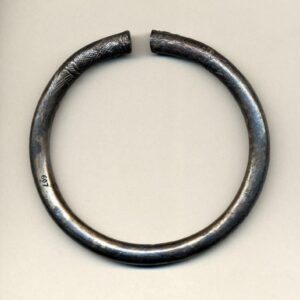
From the ninth century onward, Viking expansion across Northwest Europe funneled massive quantities of silver into Scandinavia, sparking a flourishing tradition of silver smithing. This tradition was further bolstered around the turn of the first millennium by the discovery of rich Swedish silver deposits. Germanic tribes also embraced niello, using the sharp black-and-white contrast to accentuate intricate engraved patterns, as seen in iconic masterpieces like the Anglo-Saxon Fuller Brooch housed in the British Museum.
As medieval trade routes to the East reopened, gold reclaimed its status as the premier metal for fine jewelry. However, this expanding trade also fostered a burgeoning middle class. Individuals outside the ruling elite began adorning themselves, frequently turning to affordable silver jewelry. By the close of the Middle Ages, the proliferation of silver items led to the establishment of formal assaying and hallmarking systems to guarantee metal purity.
Renaissance Silver
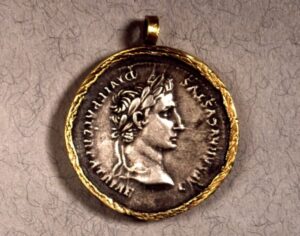
Spanning roughly from 1500 to 1600, the Renaissance was fueled by a resurgence of trade, population recovery following the plague, and the diffusion of knowledge brought by Byzantine exiles following the fall of Constantinople in 1453. Italy emerged as a cultural and financial epicenter, powered by wealth accumulated through trade with Asia and Europe.
The Age of Discovery dramatically altered the global silver market. Following Christopher Columbus’s expeditions, Spanish conquistadors such as Pizarro and Cortés subjugated the Inca and Aztec empires, unlocking immense mineral wealth. The discovery of major silver deposits in modern-day Mexico in 1546 unleashed a flood of silver into global commerce, with a portion traveling directly across the Pacific to China to secure Asian commodities. While traditional metalworking techniques remained largely unchanged, the sheer abundance of American silver kept the metal affordable and widely accessible for currency and European jewelry production.
Baroque Silver
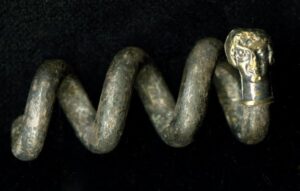
During the Baroque period spanning the seventeenth century, European powers—including England, France, and the Netherlands—established robust colonial footholds in the New World, frequently clashing over treasure fleets laden with South American silver.
While silverworking methods remained consistent, new stylistic applications emerged. Portable timepieces, a technological novelty of the era, were frequently housed in silver cases. Furthermore, silversmiths began utilizing silver to set diamonds. Intensified maritime trade with India allowed direct access to diamond dealers, bypassing traditional Arabic middlemen. The bright white luster of silver perfectly complemented the colorless sparkle of these newly arriving gemstones.
Georgian Silver
The Georgian era witnessed booming silver production driven by ongoing discoveries in South America and, beginning in 1727, newly uncovered diamond and precious metal deposits in Brazil. Setting diamonds in silver became standard practice. Fine jewelry frequently combined gold bodies with silver-topped fronts, and the characteristic cut-down collet settings of the period utilized silver to enhance the brilliance of the stones.
Technological innovation arrived in 1777 with the introduction of die striking, a manufacturing method that used dies, presses, and drop hammers to stamp and cut precious metal components for manual assembly. This cost-effective technique inaugurated the era of mass-produced jewelry, enabling manufacturers to flood the market with accessible, die-struck silver pieces.
Victorian Silver
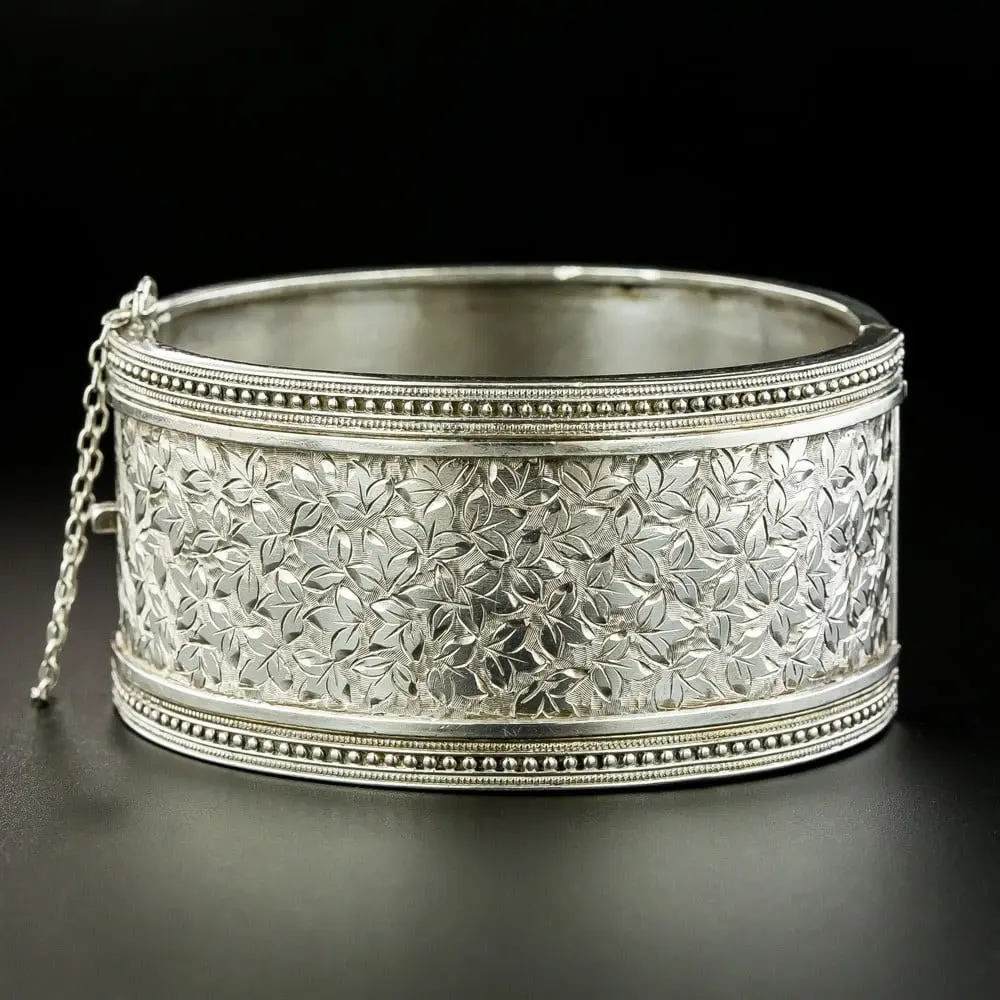
The Industrial Revolution profoundly transformed Victorian jewelry manufacturing, with silver playing a central role in mechanized stamping and die-striking operations. Cultural shifts also dictated fashion; following Queen Victoria and Prince Albert’s acquisition of Balmoral Castle in 1848, Scottish agate jewelry set in silver became a widespread trend across Europe.
Toward the end of the Victorian era, the Arts and Crafts movement emerged as a direct reaction against industrial mass production. Artisans of this sub-period prioritized artistic design and craftsmanship over the intrinsic market value of materials. Favoring silver over gold and preferring bezel-set cabochon stones to faceted gems, Arts and Crafts jewelers cemented silver’s enduring reputation as a medium for artistic expression.