




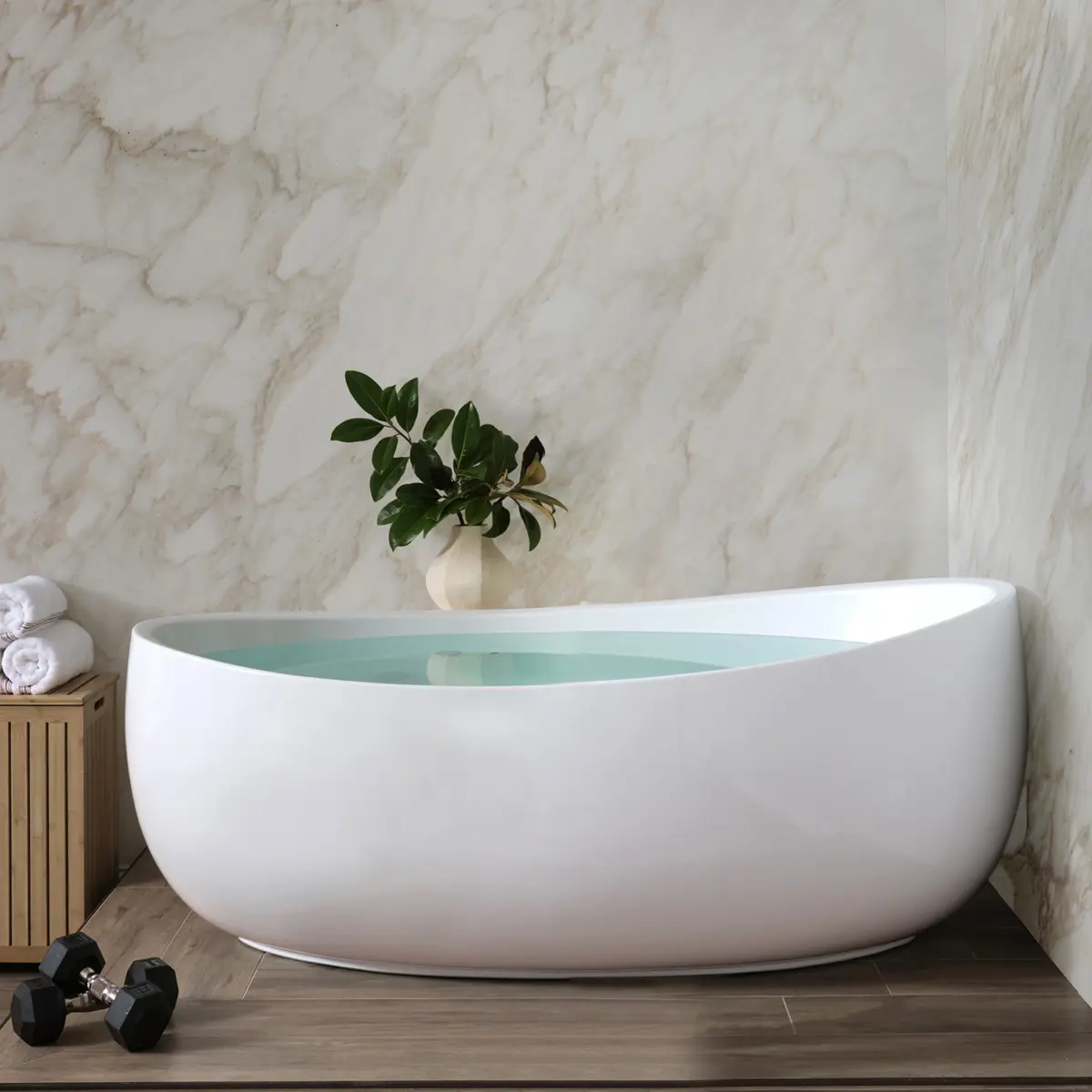
Once relegated strictly to rugged backyards, specialized home gyms, and high-end athletic training facilities, cold plunges are finding a completely new home within residential architectural and interior design. As cold-water immersion and holistic wellness practices continue to surge in mainstream popularity, modern homeowners are increasingly looking to incorporate cold therapy directly into their primary indoor living spaces, particularly bathrooms. This shift is transforming what was once treated as a standalone, utilitarian piece of fitness equipment into an integrated, seamless architectural feature of the contemporary home.
This growing design interest extends far beyond specialized athletic recovery circles. Cold-water immersion has long been associated by enthusiasts and practitioners with a wide array of potential health benefits, ranging from reduced post-workout muscle soreness to improved sleep quality and enhanced stress management, although researchers frequently note that formal scientific study into its broader, long-term health effects remains limited. Still, the consumer appeal is undeniably evident in market data and home-buying trends. According to Houzz’s
2024 Summer Trends Report, platform searches for the term “cold plunge” experienced a dramatic 74% increase year over year, while searches for “indoor sauna” rose by 69%, highlighting a massive pivot in how people want to experience comfort at home.
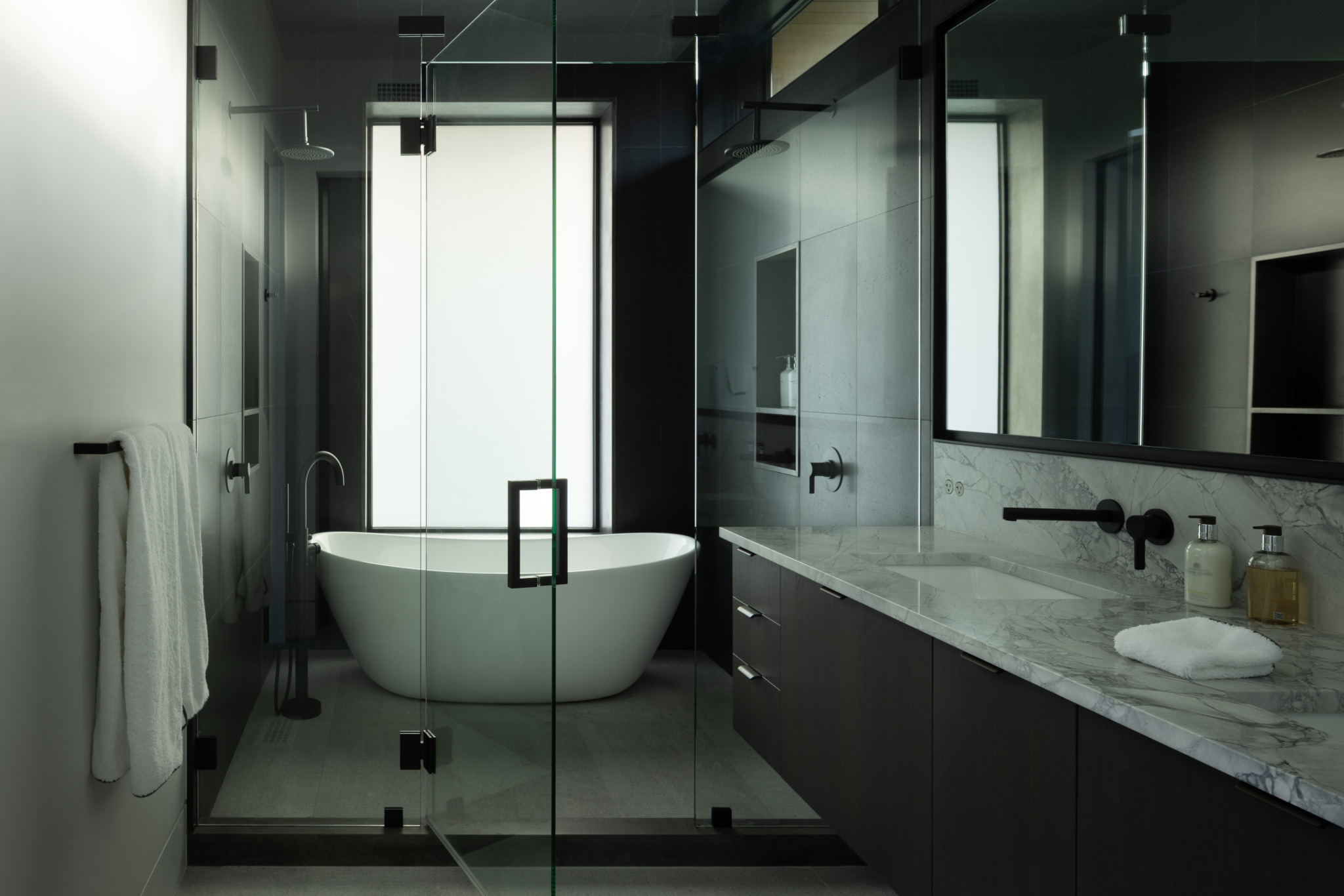
This widespread consumer interest reflects a much larger, structural shift toward wellness-focused residential spaces that prioritize mental and physical health. Subsequent data from the platform’s emerging trends reports reveals that searches for the broader category of a “wellness room” skyrocketed by an astounding 164%. This massive leap suggests that contemporary homeowners are no longer viewing health amenities as mere afterthoughts; instead, they are thinking much more intentionally about how their daily living environments can actively support relaxation, restoration, and overall well-being.
For professional interior designers and residential architects, these changing consumer priorities are introducing entirely new sets of technical and aesthetic considerations into everyday residential projects. Arizona-based designer Stephanie Larsen, who frequently incorporates high-end wellness amenities such as cold plunges, infrared saunas, and integrated aromatherapy systems into her high-end residential commissions, has witnessed firsthand how much greater emphasis her clients are placing on these restorative features. In recent commentary provided to Luxe Interiors + Design, Larsen noted that today’s discerning clients are craving homes that genuinely heal and inspire, expressing a clear desire for living spaces deeply infused with advanced wellness technology.
Accommodating these sophisticated client requests requires designers to think far beyond individual fixtures, focusing instead on how different hydrotherapy experiences can function harmoniously together. Cold plunges, for instance, are very frequently paired alongside saunas to facilitate contrast therapy, a wellness practice that alternates rapidly between intense hot and cold exposure to stimulate circulation and recovery. Bringing both of these extreme environments into a cohesive residential setting requires meticulous planning regarding available floor space, specialized plumbing requirements, heavy-duty electrical loads, and the visual relationship between disparate architectural elements.

Simultaneously, manufacturing brands are responding to these complex demands by engineering more integrated, flexible systems. Ashley Steinhardt, Vice President of Sales at Hydro Systems, points out that the industry is witnessing wellness become a much more intentional part of residential design. Manufacturers are developing dedicated spaces and multifunctional fixtures that bring together multiple hydrotherapy experiences into a single footprint, ranging from traditional cold plunging and whirlpool actions to advanced oxygenated microbubble therapy.
Responding to these market demands, the California-based bath manufacturer has developed its proprietary Hydro Chill technology, designed to seamlessly incorporate cold-plunge capabilities directly into customizable freestanding bathtubs. This engineering feat effectively eliminates the absolute necessity for homeowners to purchase and install a separate, bulky piece of equipment in a garage or yard. Furthermore, the latest iterations of these integrated tubs introduce sophisticated smart-home functionality, allowing users to conveniently adjust water temperatures and schedule their cold plunges remotely via digital interfaces.
Beyond single-function upgrades, Hydro Systems is actively exploring how multiple hydrotherapy experiences can share the exact same physical footprint without sacrificing performance. Their newly introduced Hydro Chill Ultra system is engineered to deliver both hot and cold water through a completely self-contained mechanism that even generates its own hot water internally. Because this advanced unit does not strictly require a traditional, high-capacity domestic hot-water connection, the technology offers unprecedented flexibility for complex installations, making it vastly easier to place units in remote pool houses, basement retreats, and dedicated home wellness rooms.
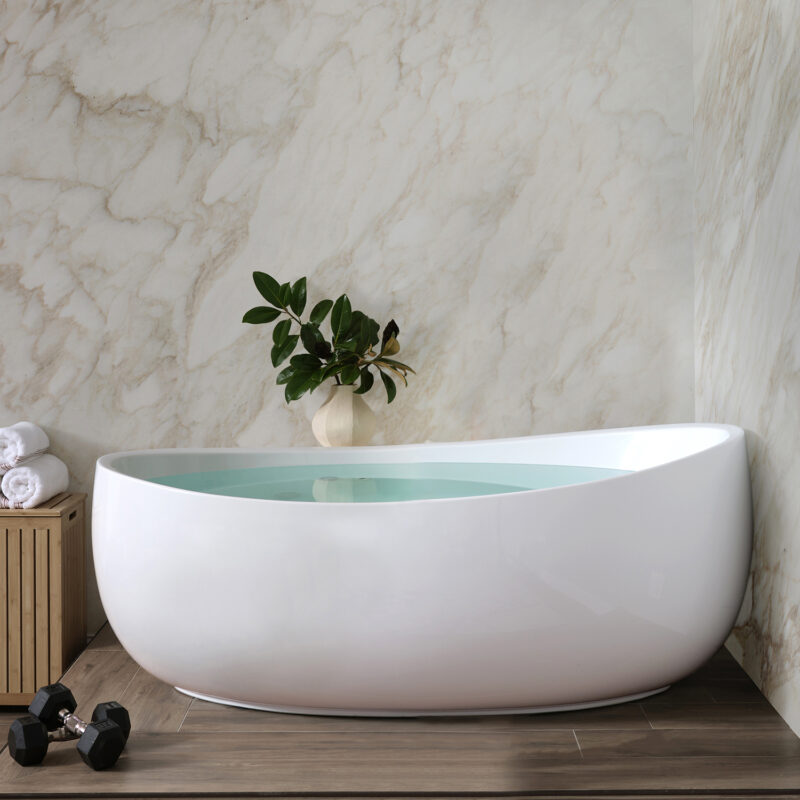
While expansive luxury home spas provide ample square footage to accommodate separate saunas, standalone plunge tubs, and sprawling recovery zones, integrating high-performance hydrotherapy into an existing, conventional bathroom requires an entirely different design approach. Multifunctional fixtures play a crucial role here, helping to drastically reduce the spatial footprint required for these intensive experiences and making them far more realistic to incorporate within standard residential floor plans. Steinhardt emphasizes that wellness does not always have to be confined to a massive, dedicated room, noting that sophisticated hydrotherapy can easily be integrated into smaller bathroom footprints to weave restorative routines directly into everyday life.
Although residential cold plunges may still occupy a relatively niche segment of the overall housing market, their rapidly growing visibility is prompting architects and designers to fundamentally reconsider what a modern bathroom can and should accommodate. As an increasing number of advanced wellness features make their permanent way into everyday residential architecture, the primary challenge for design professionals moving forward will be integrating these heavy-duty systems seamlessly—ensuring that cutting-edge health technology enhances, rather than compromises, the overall functionality, daily comfort, and refined aesthetics of the surrounding home.