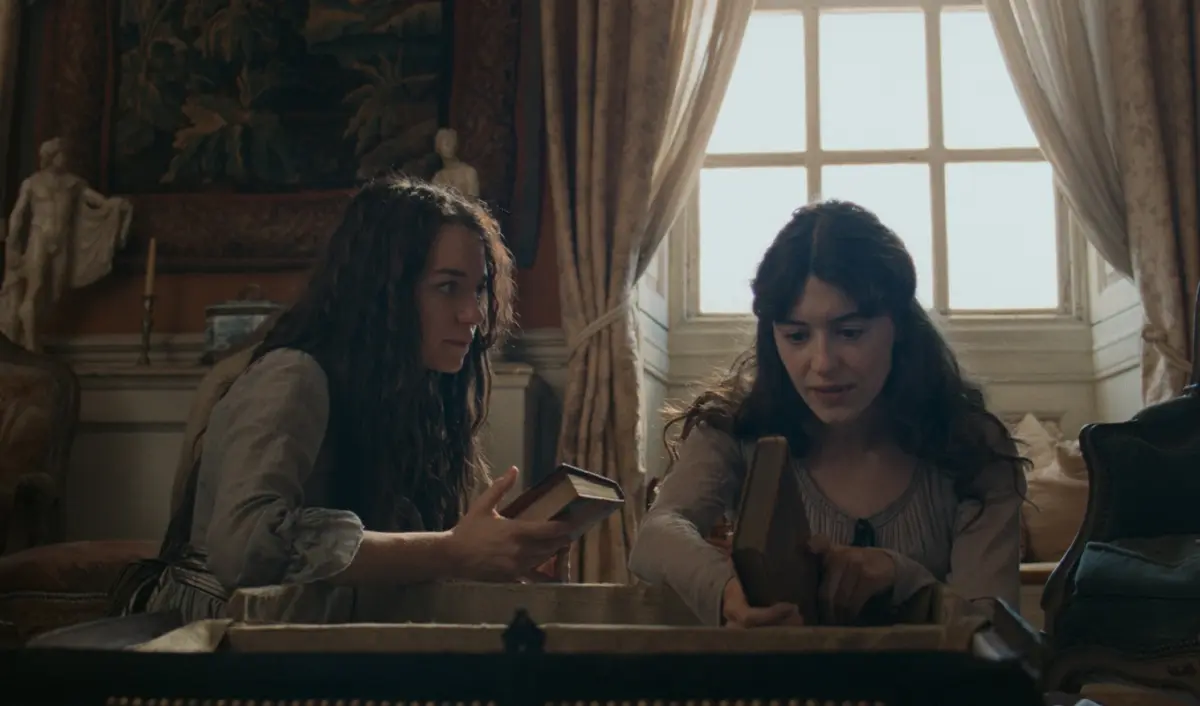
The landscape of cinematic literary adaptations is once again expanding to embrace the timeless wit and social observations of Jane Austen. Following a wave of major announcements last year—including a fresh take on Pride and Prejudice heading to Netflix—Focus Features is bringing a brand-new cinematic adaptation of Sense and Sensibility to theaters. For longtime fans and newcomers alike, the release arrives with considerable anticipation, especially considering the enduring legacy of the source material. Austen’s very first published novel, which originally debuted to the public in 1811, has long held a cherished place in literary history. Yet, bringing it back to the big screen invites inevitable comparisons to past masterpieces.
For many film enthusiasts, the gold standard for Austen on screen remains Joe Wright’s 2005 adaptation of Pride and Prejudice, which starred Keira Knightley. That film achieved a rare balance of cinematic beauty and emotional resonance that many consider absolute perfection. Realizing that the 2005 film is now over two decades old can be jarring, yet its cultural footprint remains remarkably fresh. Meanwhile, the previous definitive film adaptation of Sense and Sensibility graced theaters back in 1995, featuring an iconic ensemble cast that included Emma Thompson, Kate Winslet, Hugh Grant, and Alan Rickman. Given the towering shadow cast by that beloved 1995 version, the natural question was how a new generation of filmmakers and actors would carry the torch forward.
Stepping into this rich legacy is a fresh rendition led by Daisy Edgar-Jones. Rather than merely recycling the familiar tropes of period-piece romances, this new adaptation unearths something remarkably intense, with emotional beats so passionate they occasionally border on a striking, raw energy. More importantly, it serves as a powerful reminder of the true singularity of Austen’s debut work: rather than placing traditional romance at the absolute center of the plot, the story functions primarily as a profound and enduring ode to sisterhood.
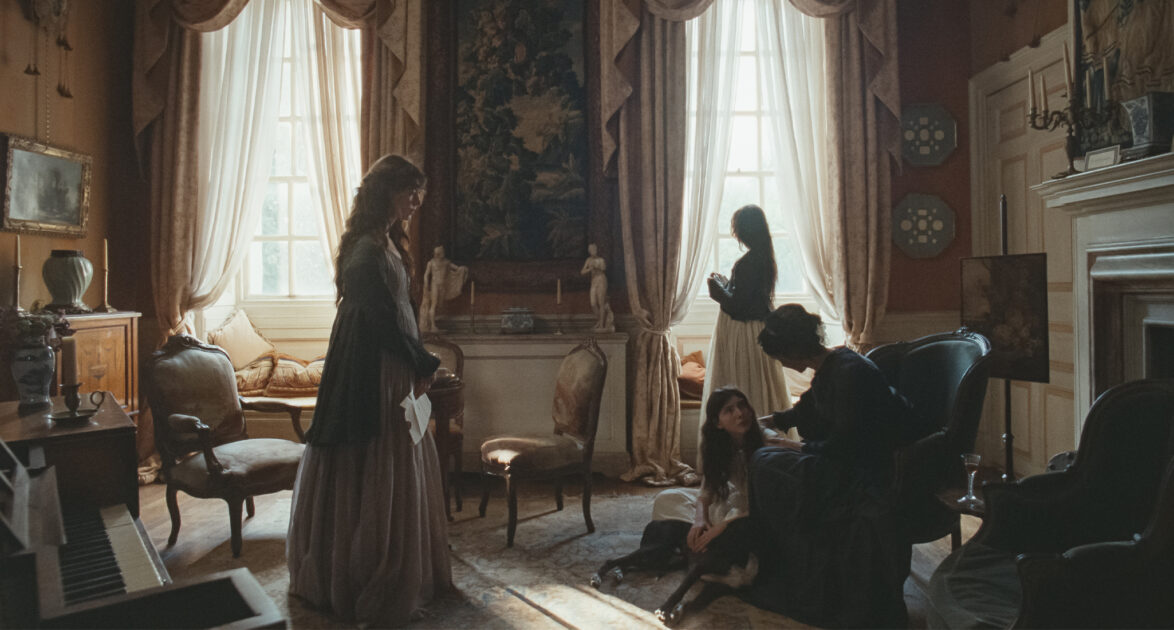
For those unfamiliar with the intricate world of Austen’s nineteenth-century society, Sense and Sensibility follows the fortunes—and misfortunes—of Elinor and Marianne Dashwood. Following the sudden death of their father, the sisters find themselves thrust out of their comfortable home and consigned to a life of genteel poverty alongside their mother. As they navigate their new, restricted social standing, both young women find themselves entangled in complex romantic attachments that are immediately met with formidable obstacles.
Elinor develops deep, guarded feelings for her step-brother-in-law, Edward Ferrars, while her impulsive younger sister Marianne is swiftly swept off her feet by the charming, roguish Willoughby. Yet, happiness is not easily attained. Both young women are kept frustratingly apart from the men they love. Elinor faces the quiet agony of knowing Edward’s ambitious mother expects her son to secure a marriage with significant financial and social standing, while Marianne suffers the abrupt heartbreak of Willoughby being called away to mysterious business by a wealthy aunt. Left bereft and isolated in a society that judges women by their marital prospects, the sisters find their potential futures looking increasingly bleak, leaving them with only each other to cling to.
This dynamic hits at the very heart of what makes the narrative unique. Fittingly, Austen’s original working title for the manuscript was Elinor and Marianne. The true core of the novel—and what this new film adaptation captures with brilliant clarity—is not the temporary romantic entanglements of the sisters, but the steadfast, intimate, and often complicated relationship they share with one another.

In this new cinematic interpretation, some of the most emotionally charged and passionate scenes transpire entirely between Elinor and Marianne. The moments where the girls shed bitter tears and raise their voices in frustration or anguish are so potent that their respective romantic pursuits begin to feel like minor, almost trivial footnotes in comparison. Within the framework of the story, Edward and Willoughby function more as secondary and tertiary narrative arcs. It is exclusively over Marianne that Elinor—a character who is otherwise notably laconic, composed, and restrained—breaks down in deep, personal weeping, entirely eclipsing the sorrow she feels over her own romantic struggles.
As the male figures in the story ultimately prove to be fickle and unreliable, much like many of the men across Austen’s broader literary catalogue, Elinor and Marianne are forced to lean exclusively on one another for survival and solace. Their relationship is far from idealized or overly saccharine; neither sister is painted as a saint. They harbor secrets from one another, trade stinging remarks, and occasionally push each other away in moments of pride or grief. Yet, no matter the distance they create, they are invariably drawn back together in times of tribulation and crisis.
The success of this emotional core relies heavily on the strength of its lead performances. Daisy Edgar-Jones steps into the role of the sensible, grounded Elinor with precision and quiet strength, anchoring the chaotic world around her. Opposite her, Éléonore Creed-Miles delivers a compelling interpretation of Marianne, perfectly capturing the character’s inherently impulsive, tempestuous, and emotionally overwhelming nature. Their on-screen chemistry anchors the film, grounding the grand period aesthetics in authentic human friction and affection.

Overall, the film takes calculated artistic liberties, resulting in a modern adaptation that feels vibrant and accessible for today’s younger audiences, while still paying respectful homage to the cinematic milestones of the past, including the 1995 Sense and Sensibility and the 2005 Pride and Prejudice. For many viewers, works like the 2005 film served as a vital gateway into the broader, captivating world of Jane Austen. Watching this new rendition brings back that familiar sense of joy, sparking a renewed curiosity about the characters, their rigid societal structures, and the timeless emotional truths that bind them.
Beyond its cinematic merits, the most ardent hope accompanying this release is that it will inspire a new generation of viewers to look beyond the screen and dive directly into the pages of Austen’s original novel. As the film demonstrates with striking clarity, while romances may flicker and fade, the enduring bond between sisters remains unbreakable.