






The Dutch parliament has overwhelmingly backed a proposal calling for 130,000 civilians to be formally trained to support the police, army, and emergency services during major crises, prompting lawmakers to ask the cabinet to open up defense ministry facilities to help make the ambitious initiative a reality.
A clear majority in parliament supported a motion on Tuesday introduced by the centrist Christian Democrat party, the CDA, which sets a target of establishing this large corps of civilian reservists within a four-year timeframe, according to public broadcaster NOS.
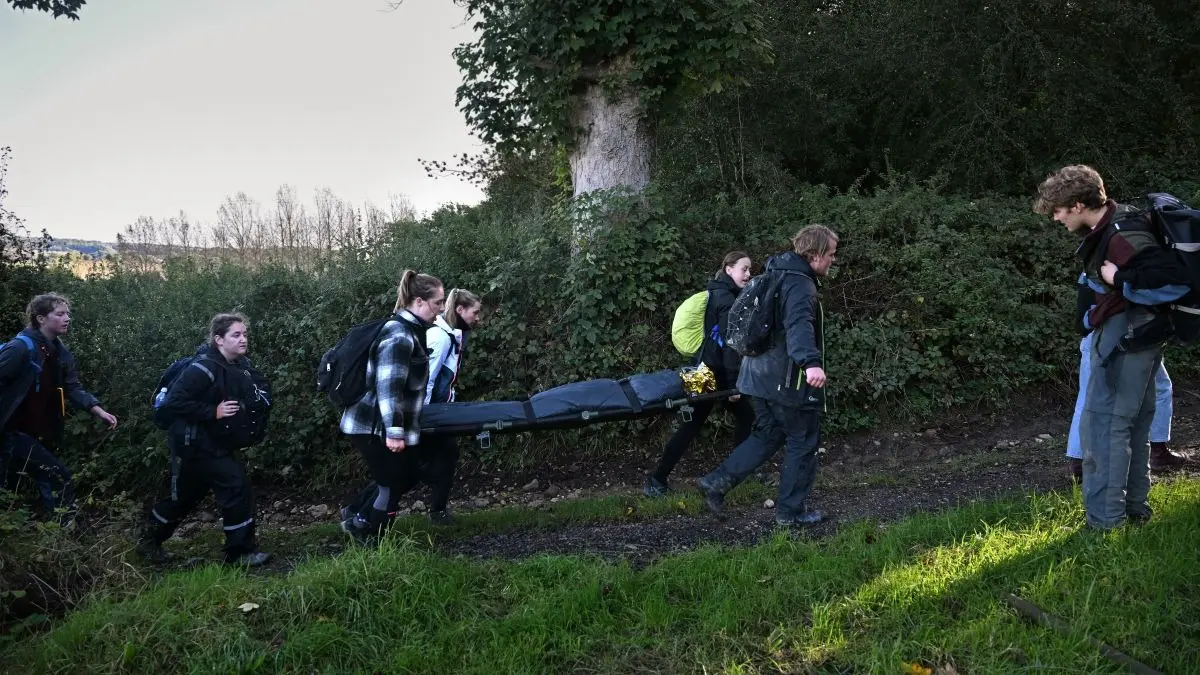
Under the proposal, these volunteers would not be integrated into the armed forces, nor would they be expected to bear arms or engage in direct combat operations. Instead, they would function as a robust support network surrounding the professional military and emergency personnel. Their specific, highly targeted role would be to step in and prevent chaos from breaking out during the critical first three days of a major disaster or national emergency—a window of time when security and emergency services are widely acknowledged to be unable to cope entirely on their own.
According to reports from NOS, the volunteers would receive specialized training across three distinct operational areas: technical, logistics, and security. To populate these roles effectively, the initiative plans to draw on the existing professional skills of everyday citizens, recruiting individuals such as mechanics, heavy vehicle drivers, and licensed security guards whose day-to-day expertise can be rapidly redirected toward crisis management.
Rather than demanding direct financial subsidies from the national treasury, the MPs behind the motion want the cabinet to assist through "in-kind" support. Specifically, the proposal asks the government to make defense ministry training grounds, firing ranges, and classrooms available free of charge to facilitate the large-scale instruction needed. The cabinet has responded favorably, stating that it fully shares the overarching aim of bolstering national preparedness.
From 1,000 to 130,000
The target of 130,000 trained civilian reservists directly matches the long-term strategic goal of De BurgerReserve, a privately run organization that only began training volunteers last year. The group currently operates a rigorous two-day foundational course held at the national training centre in Vught. The intensive program concludes with a large-scale, realistic simulated disaster exercise and is primarily financed through contributions from employers and private individuals who recognize the growing need for societal resilience.
Despite its ambitious goals, the organization has trained approximately 1,000 people so far this year, according to NOS. Scaling this operation up to reach the targeted 130,000 reservists within a four-year period would require training more than 30,000 people annually. Given that the individual courses listed on the organization’s current website accommodate a maximum of 64 participants per session, achieving this massive expansion will require a fundamental scaling of infrastructure, instructors, and organizational capacity—making the government’s offer of free defense ministry facilities a critical component of the plan.
This parliamentary push comes at a time of heightened anxiety across the Netherlands regarding national security. Fears over sophisticated cyberattacks, infrastructural sabotage, and hostile strikes driven by advancements in artificial intelligence have spread rapidly throughout society over the past year. These concerns have been repeatedly validated by official channels, most notably when the Dutch intelligence and security service, the AIVD, issued a stark public warning stating that the Netherlands currently faces a level of risk and threat at home and abroad that it has not experienced since the Second World War.
Catching Up
The political vote in parliament follows a broader, sustained government campaign that has actively urged households across the nation to individually prepare for the crucial first 72 hours of an unexpected crisis or major disruption. As part of this public awareness drive, every single household in the country received a comprehensive official emergency guide booklet over the winter months. Subsequent tracking data indicated strong public engagement, with half of all Dutch households reporting by February that they had adjusted their habits and now actively stock emergency provisions, food, and water in line with government recommendations.
However, despite these individual steps toward preparedness, institutional leaders have warned that broader societal resilience still lags behind military investments. Karen van Oudenhoven-van der Zee, director of the Social and Cultural Planning Bureau, known as the SCP, highlighted the imbalance during an appearance on the current affairs television program Nieuwsuur. She pointed out that recent government budgets have disproportionately favored hard military power while paying insufficient attention to people, communities, and grassroots societal structures.
Detailing the financial allocations, she noted that the 2027 national budget sets aside just €40 million to support neighborhoods and local communities, and that this already modest figure is scheduled to drop to €20 million in each of the two subsequent years.
"When it comes to resilience, we have catching up to do," she told the program, underscoring the gap that lawmakers are now attempting to bridge by mobilizing a massive civilian support force.