





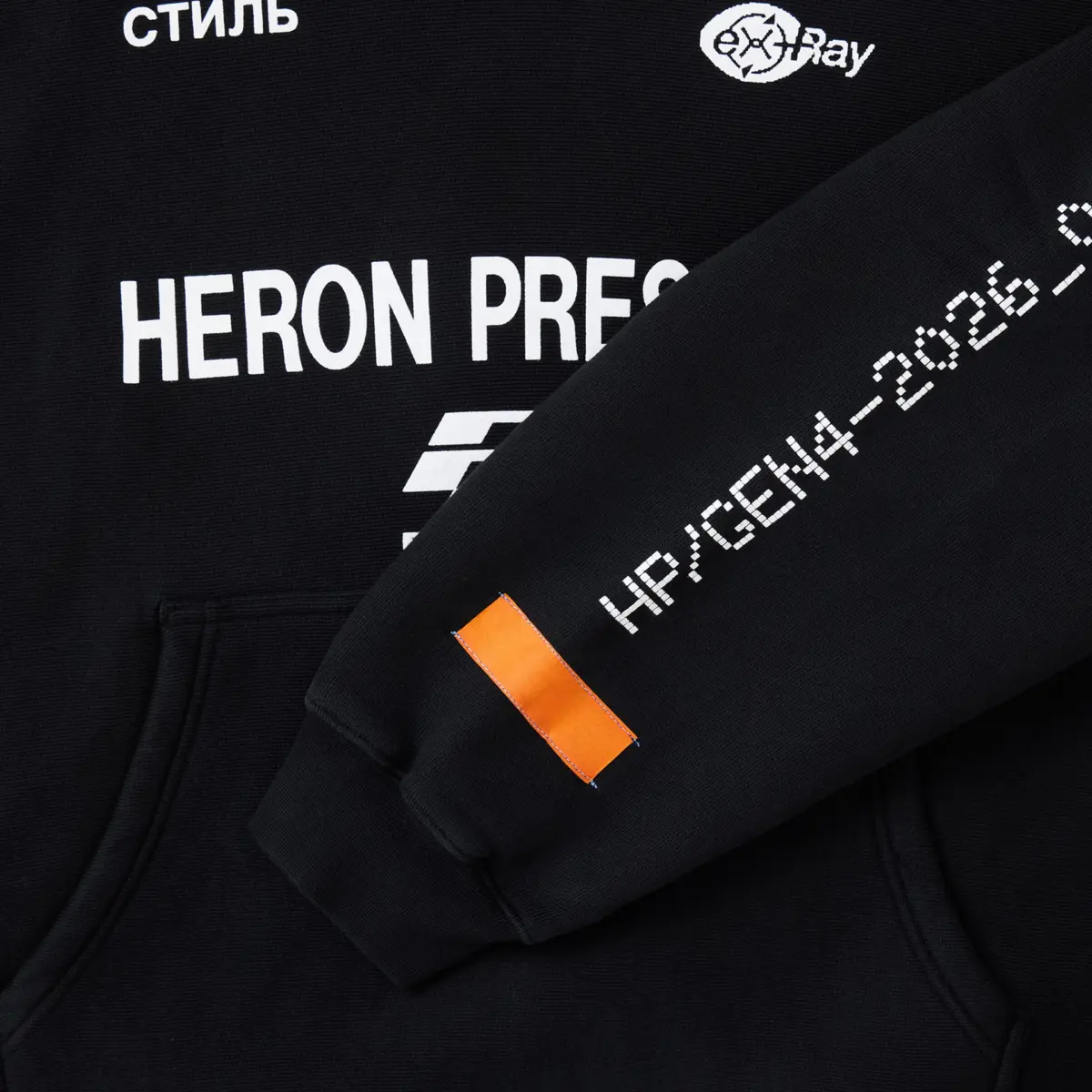
Designer Heron Preston has launched a long-term partnership with Formula E, introducing an innovative approach to sustainable apparel that turns the motorsport’s recycled materials into garments built to be read. Previewed over the weekend at ComplexCon in Los Angeles, the collaboration debuted with an eye-catching installation featuring a GEN4 race car wrapped in Preston’s custom livery, set alongside a collection of apparel meticulously cut from recycled fabric. The unveiling marks the first public look at a creative relationship that both parties intend to sustain for years to come, bridging the gap between high-speed electric racing and conscious, purpose-driven design.
The creative concept took hold during Preston’s initial discovery phase as he immersed himself in the mechanics, history, and culture of the electric racing series. While studying the sport, he learned that Formula E cars—which operate entirely on electric power—are engineered to recover kinetic energy under braking and feed it directly back into the race. The parallel to his own design methodology landed immediately. For more than a decade, Preston has built his career on repurposing materials that carry a distinct history, and Formula E suddenly presented him with an entire sport’s worth of raw components, textiles, and operational waste ready for a second life.
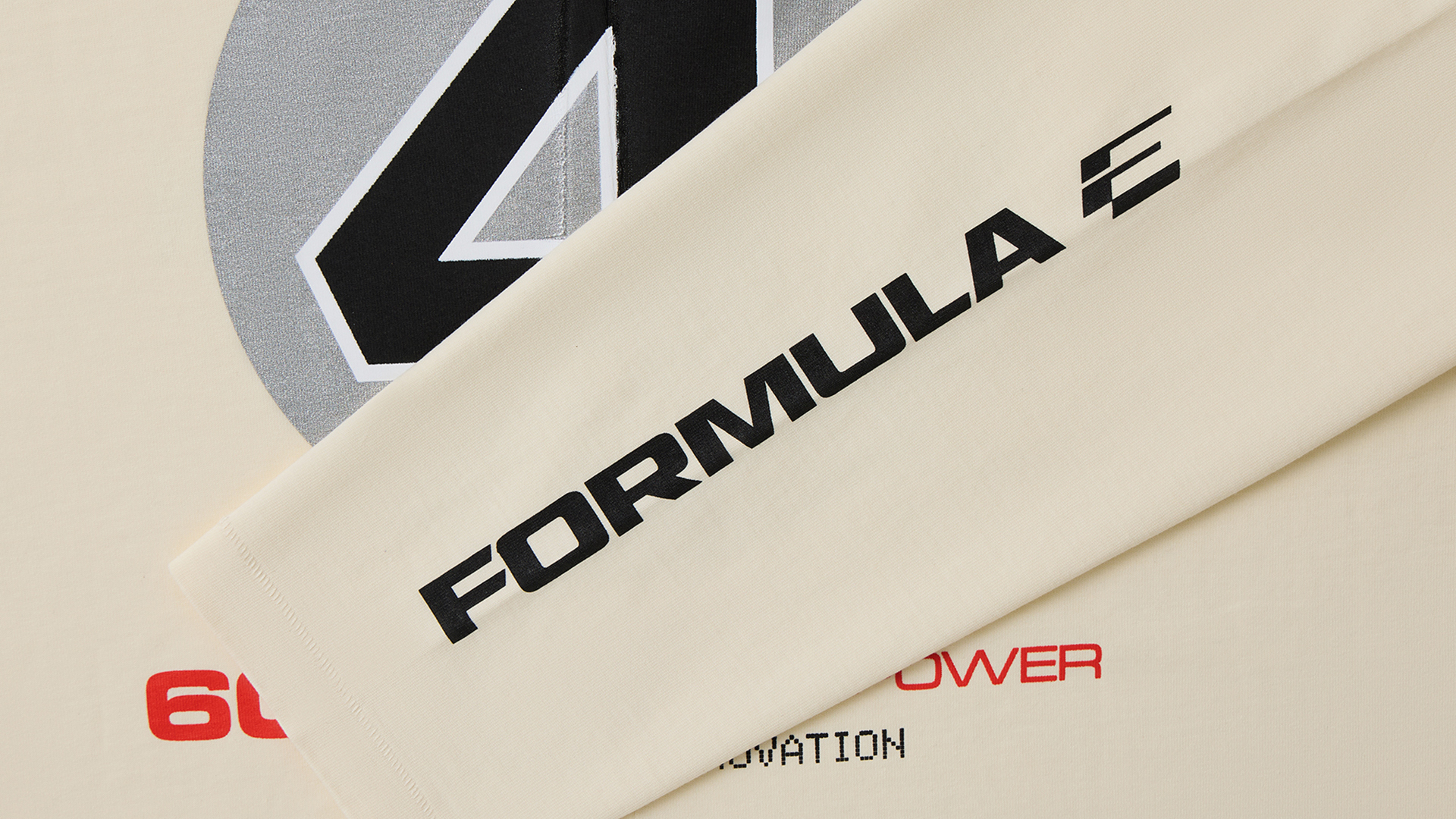
What initially surprised the designer was discovering how deeply sustainability is already embedded in the racing organization’s operations. He noted that a significant portion of Formula E’s existing apparel already utilizes recycled materials, proving that environmental consciousness is fundamentally baked into the organization’s DNA. Finding this common ground assured Preston that both entities were starting from the exact same philosophical baseline—a rare alignment to achieve at the highest levels of a major brand partnership.
The pieces showcased at ComplexCon originate from eX-Ray, a platform that Preston describes as his most advanced L.E.D. line, an acronym standing for less environmentally destructive. This comprehensive collection scrutinizes every element of a product’s lifecycle, from the initial fiber selection down to the welfare of the people who manufacture the garments. Rather than simply ordering finished fabrics from a commercial mill, Preston develops his own textiles from the inside out. For this inaugural chapter with Formula E, he utilized a proprietary fabric he had already been refining: recycled cotton spun directly from pre-consumer factory off-cuts. These remnants are carefully sorted, shredded, and re-spun into yarn, then woven into a heavy, tight knit engineered for exceptional substance, durability, and longevity. Describing the process, Preston emphasizes that it is a fabric he deeply believes in—transforming factory waste into a brand-new medium where the material does the arguing for him.
Preston’s uncompromising standard for quality and utility stems from his long-standing fascination with clothes built for rigorous labor and operational duty. Having spent years working with utilitarian garments, he views workwear and military gear as legitimate forms of performance clothing. In his design philosophy, every detail must earn its place on the garment through functional necessity. Racing reads to him as the extreme, high-velocity manifestation of that exact principle. He maintains a single guiding rule that serves as the foundation for the entire collection: a piece must retain enough of its source material—whether through color, texture, or the specific way it was constructed for motorsport utility—so that anyone looking at it instantly recognizes its racing heritage.
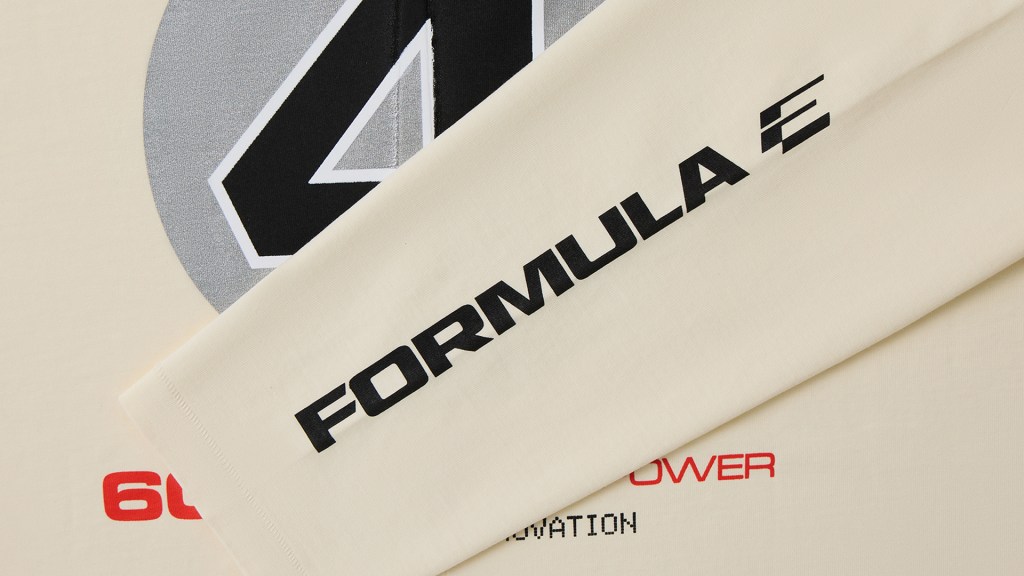
This conviction shaped the design of the GEN4 race car just as profoundly as it influenced the apparel line. Preston began his creative process by focusing on color and logos, specifically the bold, high-contrast graphics that initially drew him to motorsports as a child. He leaned heavily into orange, the signature institutional color of the Heron Preston brand, but elevated it by applying a striking chrome finish designed to catch and reflect the light as the car aggressively rounds each corner. This brilliant metallic element was deliberately contrasted against a tactile, matte finish to create visual depth.
Furthermore, Preston allowed the vehicle to transparently explain its own engineering, incorporating bold text graphics that proudly call out specifications like "Zero Rare Earth Minerals" and "600kW Max Power." These markings serve to highlight how dramatically the GEN4 platform has evolved compared to previous generations of racing technology. Designing for a speeding vehicle taught the designer a valuable lesson in visual economy. Because a race car is observed from a vast distance, moving at 200 miles per hour, and visible for only a split second, every design decision changes fundamentally. This extreme environment forced him to simplify his graphics, ensuring that every single mark could be read effortlessly at full speed.
The new partnership sits comfortably within a much broader continuum of Preston’s past work. His acclaimed 2016 UNIFORM project famously gave decommissioned New York City Sanitation Department uniforms a vital second life, while more recent collections have reimagined Mercedes-Benz crash-test airbags and reclaimed municipal street signs into wearable art. Each of these projects focused on materials engineered for a singular, high-stakes moment before being rescued and kept in motion. Formula E represents the natural next chapter of this ongoing investigation. By asking the same fundamental question on a much larger scale—examining what is already present in the world and imagining what it could become—Preston found in Formula E a partner boasting entire warehouses of materials rich with automotive history.
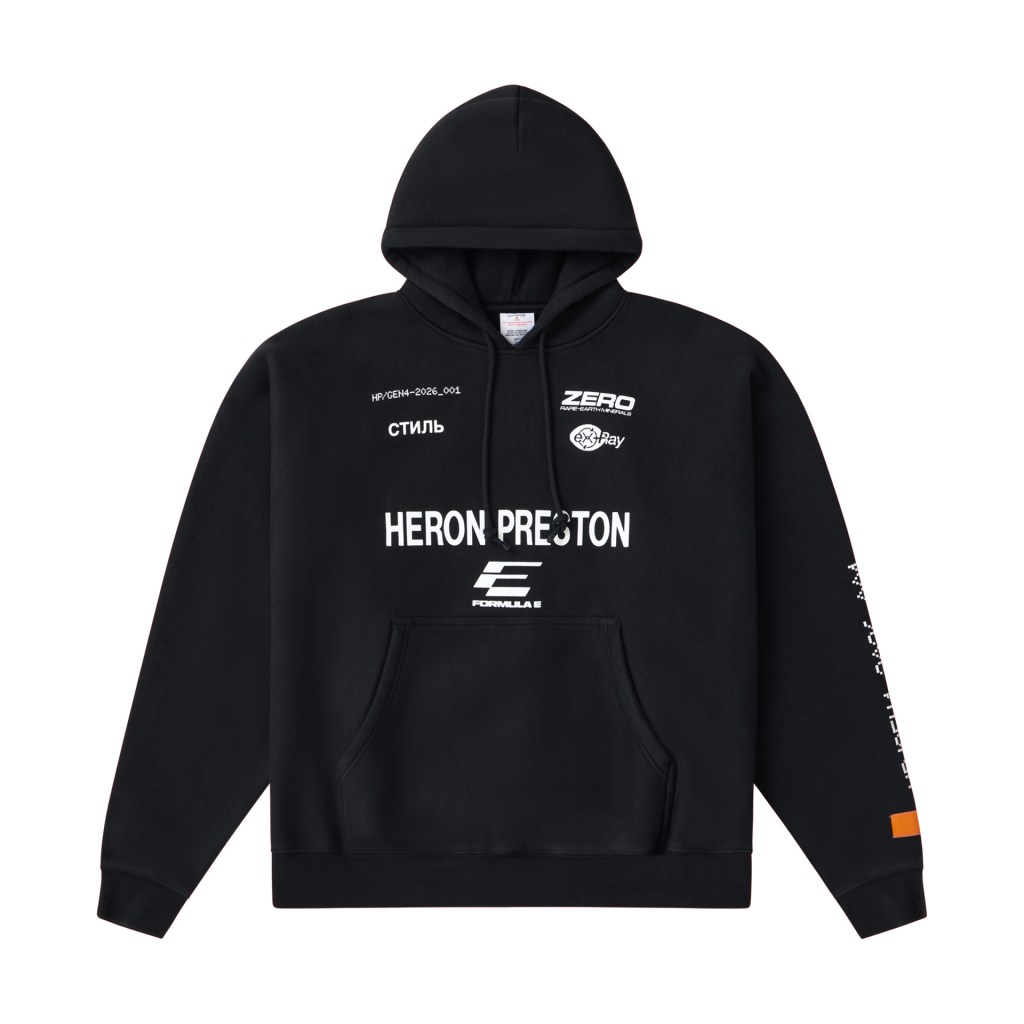
Looking ahead, the roadmap for the collaboration extends far beyond a one-off preview, with plans encompassing technical performance apparel, accessories, and fan merchandise constructed from upcycled components harvested directly from the sport. Preston is particularly enthusiastic about rethinking the category of fan merchandise. He wants supporter gear to stand as the highest-quality item available in the stadium stands, moving far beyond the conventional industry standard of printing a simple logo onto a generic blank garment. Because fans physically touch, wear, and hold onto what they buy, merchandise serves as the ultimate litmus test for whether his design philosophy holds true, while also acting as the primary touchpoint where the general public interacts with the brand.
Choosing to debut the partnership at ComplexCon followed a deliberate instinct to meet audiences directly where they already congregate. The annual cultural convention brings together fashion, sneaker enthusiasts, music lovers, and design visionaries under one roof, attracting a crowd that largely overlaps with contemporary youth culture rather than traditional motorsport fandom. By launching within this cultural hub, the collaboration successfully frames lifestyle and community as the welcoming front door to the world of electric racing.
For Preston, the ultimate measure of success will become apparent several seasons down the line. He views true sustainability not as a finishing touch applied at the end of a manufacturing process, but rather as the foundational operating system for both organizations—providing a cleaner way for Formula E to race and a more honest way for his studio to create. He will know the industry standard has shifted when the final product is derived directly from the sport’s own physical waste, and when fans can easily read the precise lineage of what their clothing is made from. Through this visionary partnership, the true livery is the one worn on the back: an undeniable proof of origin, displayed proudly in plain sight.