





Progress continues steadily in the structural reorganization of IEEE’s geographic regions, building upon the foundational framework outlined in The Institute’s February 2023 feature article, "IEEE Is Realigning Its Geographic Regions." As the organization looks toward the future of global technical collaboration and member support, volunteers and operational teams are actively laying the groundwork for a modernized geographical footprint.
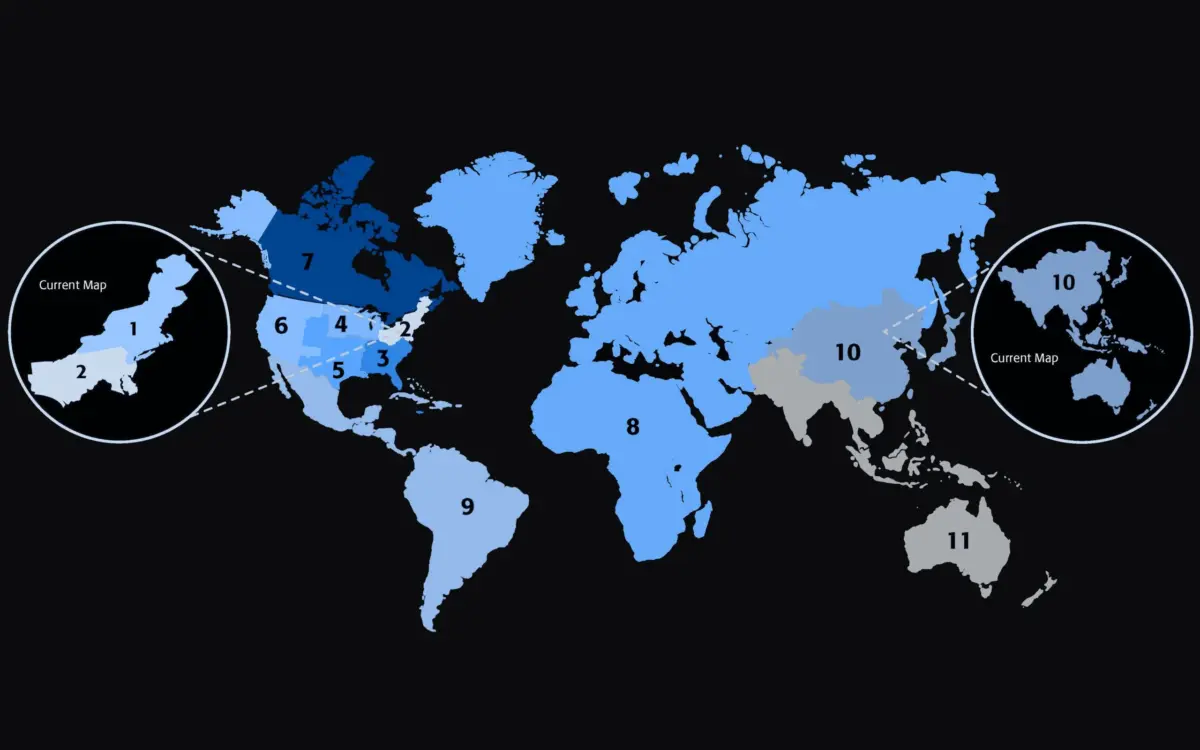
The scope and vision of this sweeping organizational update are visually defined by the newly redrawn map accompanying this article, which details how IEEE’s worldwide territories will be organized in the years to come. While the official transition remains scheduled for the future, the massive logistical undertaking required to update a global technical society of IEEE’s scale is already well underway across multiple departments and administrative layers.
What’s underway
Although the new regional alignment will not officially take place until 1 January 2028, several preparatory activities have already begun within IEEE Member and Geographic Activities (MGA) and across a broad spectrum of other IEEE organizational units. This extended timeline is intentional, designed to ensure a seamless, well-managed transition that minimizes disruption to the organization’s hundreds of thousands of technology professionals, academics, and corporate members worldwide.
Within MGA, dedicated groups of volunteers and professional staff have been actively addressing a wide array of administrative, technical, and operational workstreams. Among the primary areas of focus are necessary system enhancements to ensure that IEEE’s digital infrastructure, member databases, and internal software tools can accurately reflect the newly structured boundaries. Furthermore, planners are addressing upcoming director and director-elect elections, updating governance documents to align with the new map, developing comprehensive communications strategies, and reviewing regional finances and member offerings to guarantee equity and stability across all updated territories.
This meticulous preparation involves extensive coordination across various geographic levels. Because IEEE operates on a truly global scale, touching nearly every continent and connecting diverse technical communities, any alteration to its regional structure requires careful harmonization between headquarters staff and local leadership. Committees within MGA are reviewing feedback from regional leaders to ensure that the updated boundaries better support member density, emerging technology hubs, and regional growth trends identified over the past decade.
The transition process also involves updating standard operating procedures for regional meetings, financial allocations, and volunteer leadership pathways. By addressing these complex administrative details years in advance, IEEE aims to prevent operational bottlenecks and provide regional committees with ample time to adapt their long-term strategic plans to the upcoming boundaries.
No changes to membership
Even as this extensive behind-the-scenes restructuring progresses, leadership emphasizes that work will continue steadily from now until the effective date of realignment in 2028. Throughout this multi-year transition period, members can expect business as usual regarding their day-to-day engagement with the organization.
Crucially, the upcoming structural change will not affect your IEEE membership in any way, nor will it change either your local IEEE section or chapter. Members will retain their current voting rights, member grade status, access to publications, and participation privileges within their local geographic units. The primary intent of the realignment is to optimize top-level organizational efficiency, governance, and regional support structures rather than to disrupt the local communities where members interact most frequently.
Local sections and chapters will continue to operate under their established frameworks during the transition window, ensuring that technical meetings, conferences, and student branch activities experience zero interruption. Local leaders are being kept informed of the broader timeline so they can communicate clearly with their constituents and alleviate any potential concerns about membership continuity.
As preparations advance toward the 2028 implementation date, IEEE will continue to provide updates through its official communication channels, including The Institute and the MGA portal, keeping the global membership informed of key milestones. If you have any questions regarding the realignment process, its timeline, or its broader implications for regional administration, you are encouraged to contact the dedicated support team at [email protected].