



In the ever-spinning cycle of modern fashion, a familiar narrative plays out with disheartening regularity: garments and accessories deeply rooted in non-white cultures are plucked from their origins, rebranded as contemporary trends, and systematically stripped of their heritage. From crochet caps and nameplate jewelry to hoop earrings, cultural artifacts frequently undergo a process of whitewashing once they enter the mainstream Western consciousness. Today, that critical conversation centers on the Afghan coat—a garment frequently mislabeled by the contemporary fashion lexicon as the "Penny Lane" coat.
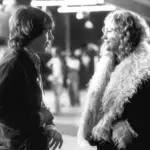
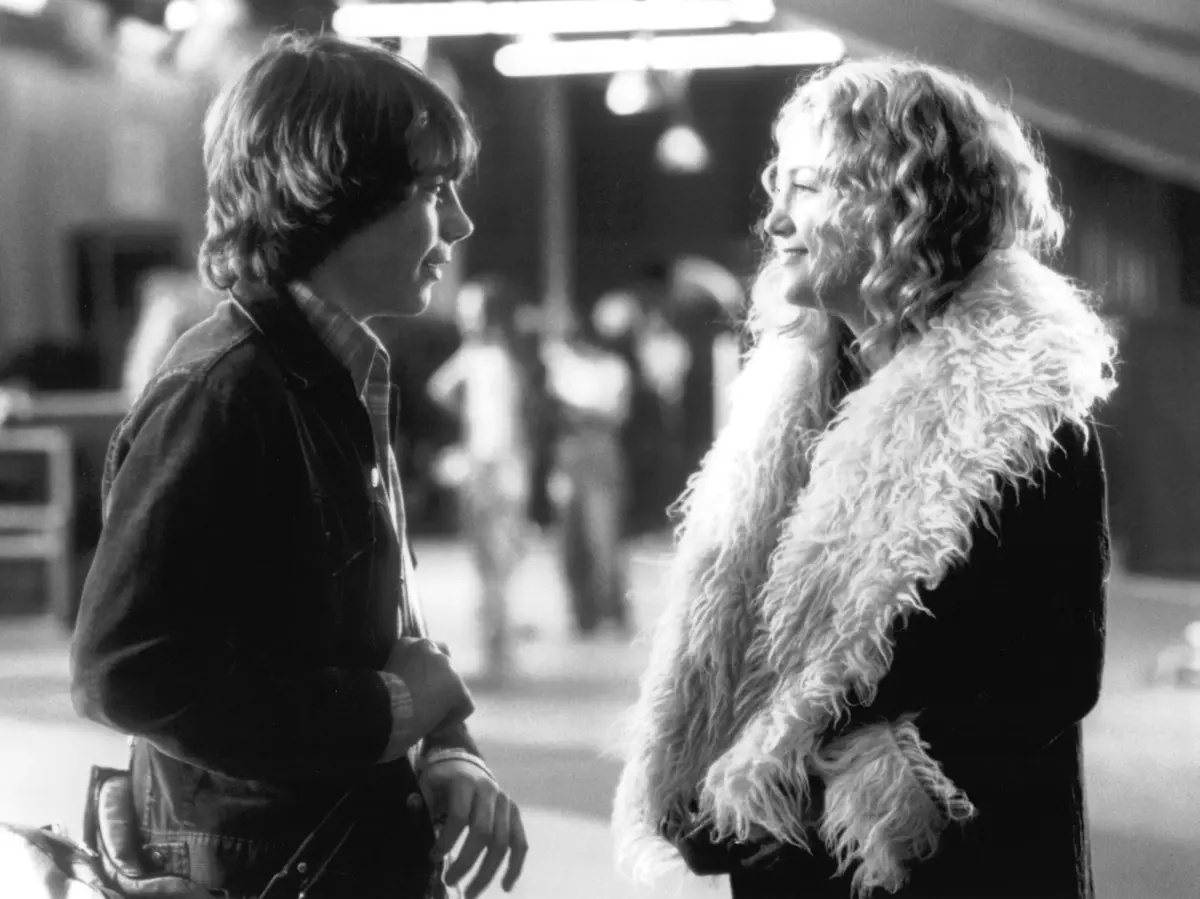
By crediting a fictional cinematic character from Cameron Crowe’s 2000 film Almost Famous rather than the rich artisanal history of the culture that handcrafted these garments for generations, the fashion industry has actively erased its roots. While there is inherent value in adopting and appreciating styles across cultural boundaries, understanding the origins of these garments is essential to move from cultural appropriation to genuine appreciation. As this statement piece reclaims its status as a winter wardrobe staple, exploring the true history of the Afghan coat offers a necessary reminder of the hands and heritage behind the trend.
Traditional Roots: The Artisans of Ghazni
The authentic history of the Afghan coat dates back to the 20th century in the Ghazni province of Afghanistan. Long before the garment ever touched a Western boutique or graced the shoulders of a Hollywood star, local artisans meticulously designed these heavy coats to combat the bitter, punishing cold of the mountain weather. According to historical accounts and cultural preservation archives like @eurfashionheritage, these garments were crafted from locally sourced materials, including durable suede, sheepskin, goatskin, and leather, complemented by plush fur linings and dramatic fur cuffs.
Beyond serving a purely practical function for survival in harsh climates, the creation of these coats was an opportunity for Afghan artisans to showcase extraordinary generational skill through intricate hand embroidery. These garments were never mass-produced on factory assembly lines. Instead, extensive time, physical effort, and artistic vision were poured into each individual piece, ensuring that every single coat was entirely unique. Notably, traditional Ghazni embroideries featured distinct floral motifs and geometric shapes—designs carrying deep cultural significance that were lovingly passed down from generation to generation. Each stitch told a story of craftsmanship, identity, and regional pride.
The Hippie Era: Counterculture Adoption
The transition of the Afghan coat from regional mountain wear to a global counterculture symbol occurred during the height of the hippie movement. Travelers journeying along the famous "hippie trail" through South Asia encountered the striking garments and brought the style back home to Europe and North America. Almost overnight, the coats became a uniform of rebellion and self-expression, embraced by some of the most influential music icons of the era, including John Lennon, Janis Joplin, Jimi Hendrix, and members of The Kinks. As these figures championed the counterculture movement, their fans eagerly followed suit, turning the traditional garments into a global phenomenon.
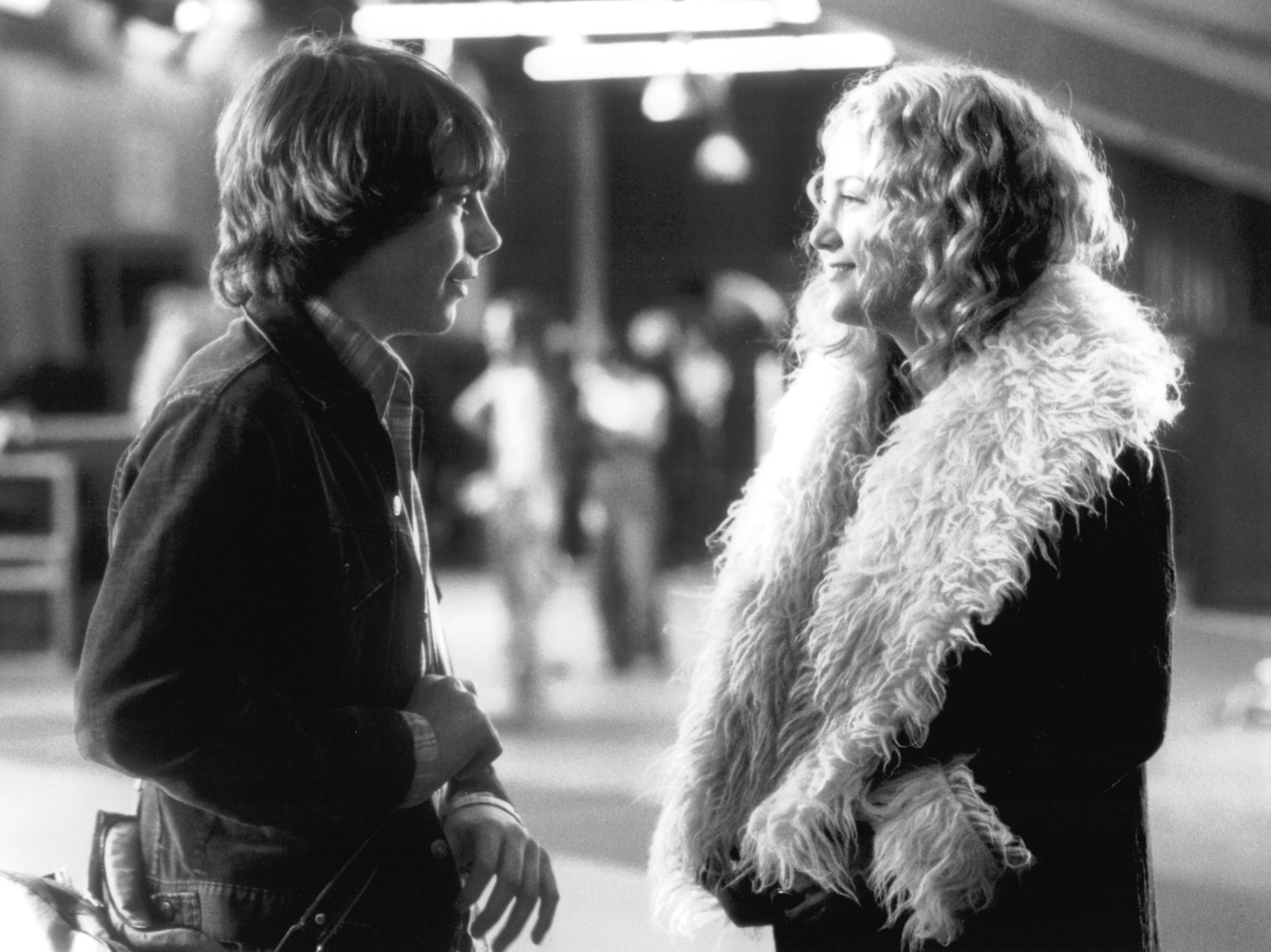
This adoption captured a significant ethos of 1960s and 1970s hippie culture. In a conscious rejection of mass-produced clothing and exploitative corporate manufacturing, the counterculture movement embraced handmade, artisanal goods. Many individuals even took on the task of customizing and crafting things themselves, embodying principles of sustainability and slow fashion long before those concepts became modern industry buzzwords. The Afghan coat, with its organic materials and labor-intensive handmade embroidery, aligned perfectly with a philosophy that valued authenticity, anti-consumerism, and global craftsmanship.
A Pop Culture Revival: From Silver Screen to Modern Runways
As decades passed, the Afghan coat periodically resurfaced in popular culture, cementing its status as a timeless vintage treasure. In 1999, actor Angelina Jolie famously wore an Afghan coat in her Oscar-winning role in Girl, Interrupted. Just one year later, Cameron Crowe released Almost Famous, a film set in 1973 that immortalized the aesthetic through Kate Hudson’s character, Penny Lane. Penny Lane’s distinct, quintessentially 1970s wardrobe—anchored by her signature shearling-trimmed coat—left an indelible mark on cinematic and sartorial memory.
In the years following the film’s release, the terms "Afghan coat" and "Penny Lane coat" became virtually interchangeable in the public lexicon. Over time, however, this linguistic shift contributed to the gradual fading of the style’s rich cultural history, distancing the garment from its Afghan roots and anchoring it purely in cinematic nostalgia.
As the fashion landscape continues to look backward for inspiration, the garment has re-entered the spotlight. Contemporary designers such as Charlotte Simone and Susanna Chow have introduced high-end interpretations of the traditional silhouette, while style figures like Bella Hadid have been spotted wearing vintage Afghan coats—reportedly sourced through her once-anonymous Depop account. High-profile appearances, such as Kendall Jenner wearing the Connor Ives Demi Coutured Fur & Silk Maxi Robe with distinct Afghan coat influences, signal that the style has firmly transitioned from a niche vintage find into a major modern trend. What was once a deeply personal representation of Afghan culture and heritage now stands at the forefront of contemporary winter fashion, making an acknowledgment of its true origins more vital than ever.