





For world-renowned chef Mauro Colagreco, approaching a new restaurant destination has never been a matter of simply stamping a signature menu onto a fresh map. Instead, the creative force behind the legendary three-Michelin-starred Mirazur in Menton, France, treats every new venture as an intensive listening exercise. Before a single dish is conceptualized or plated, Colagreco and his dedicated research and development team spend weeks, and often months, studying the local topography, cultivating relationships with regional purveyors, and discovering what the land and water naturally yield.
This meticulous, deeply respectful methodology forms the foundation of Cetino, Colagreco’s highly anticipated first restaurant in Italy, situated within the luxurious confines of The Lake Como EDITION. Rather than imposing a preconceived culinary identity onto the historic palace, the chef has allowed the distinct character of Lombardy to guide the evolution of his kitchen, building a menu rooted in local lake fish, regional cheeses, and the intimate stories of the producers who supply them.
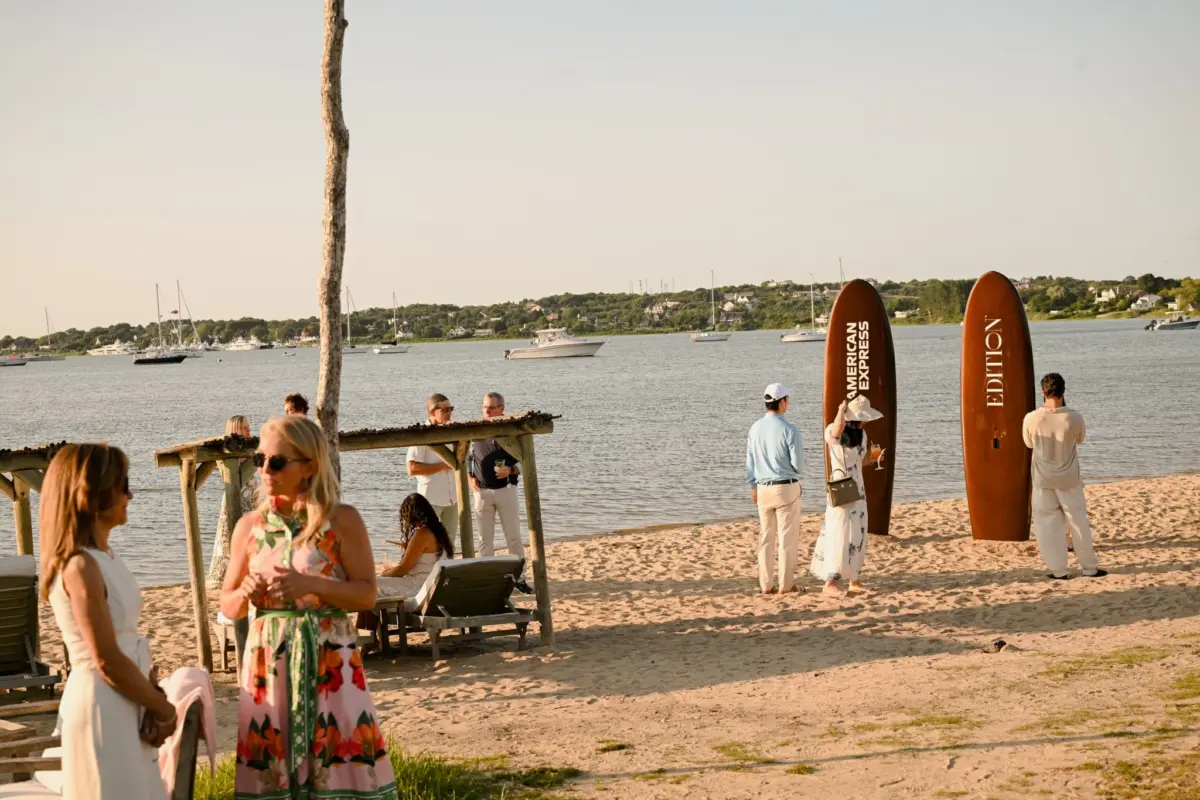
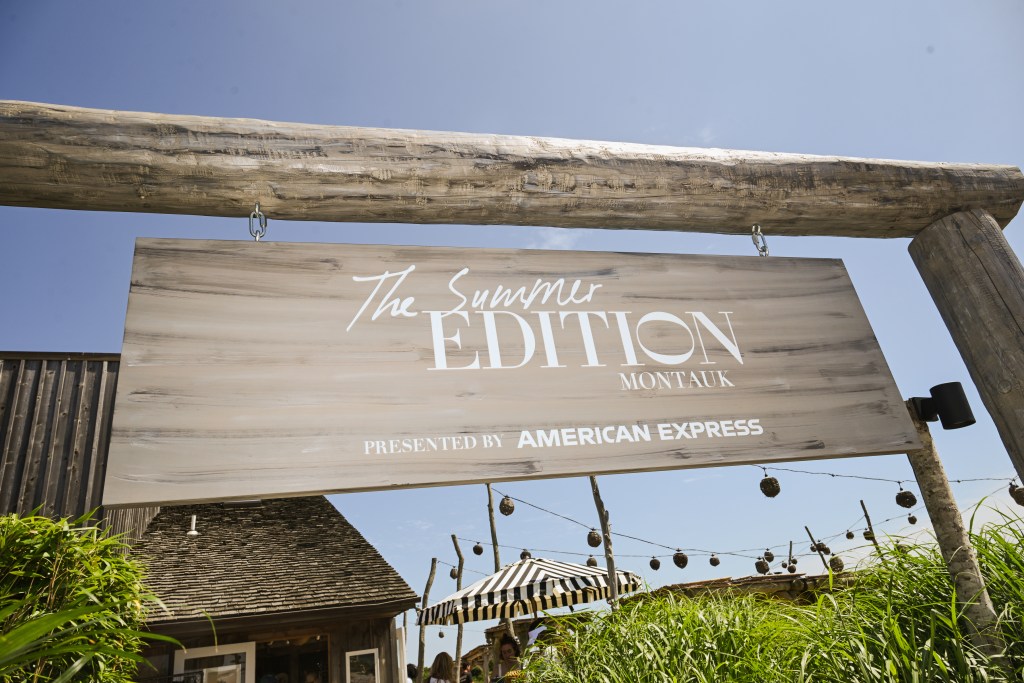
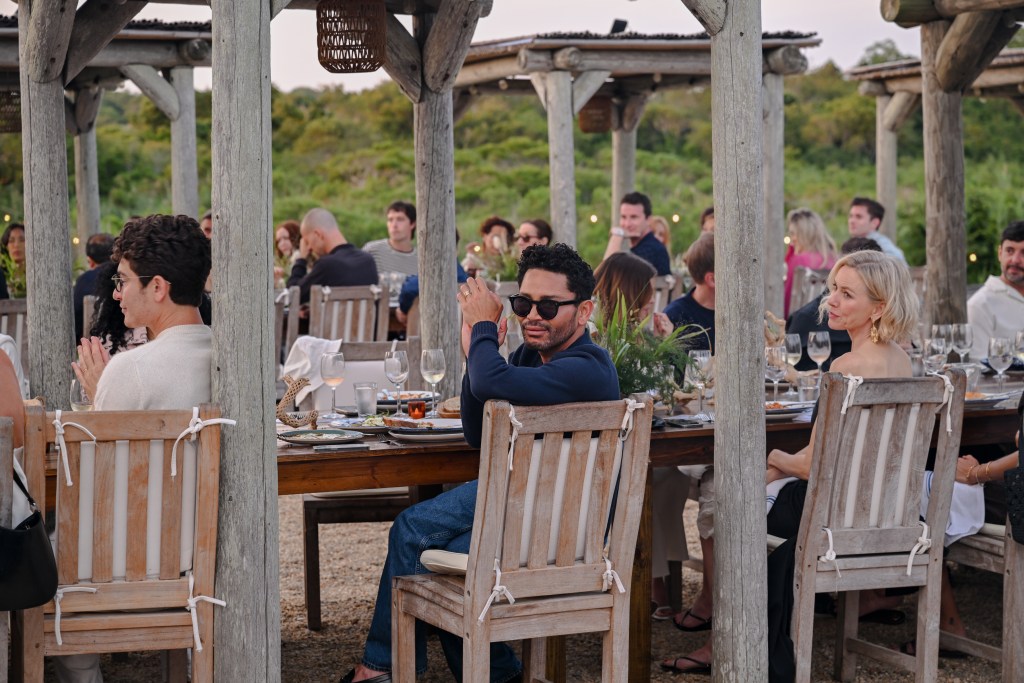
This patient, terroir-driven philosophy was recently showcased across the Atlantic in July, when Colagreco and his team hosted a pop-up dining experience at The Summer EDITION in Montauk, New York. Set against the breezy backdrop of Crow’s Nest, the multi-course meal felt entirely effortless, belying the months of meticulous behind-the-scenes preparation that made it possible.
“As with all our events, everything is obviously prepared in advance,” Colagreco explains. “We have a team dedicated exclusively to events, which allows us to start the research work several weeks, or even months, before the event, especially to identify local producers and ingredients.” This crucial lead time is dedicated entirely to tracking down the farmers, fishermen, and artisans who catch and grow the food, long before anyone in the kitchen decides how those ingredients will be cooked.
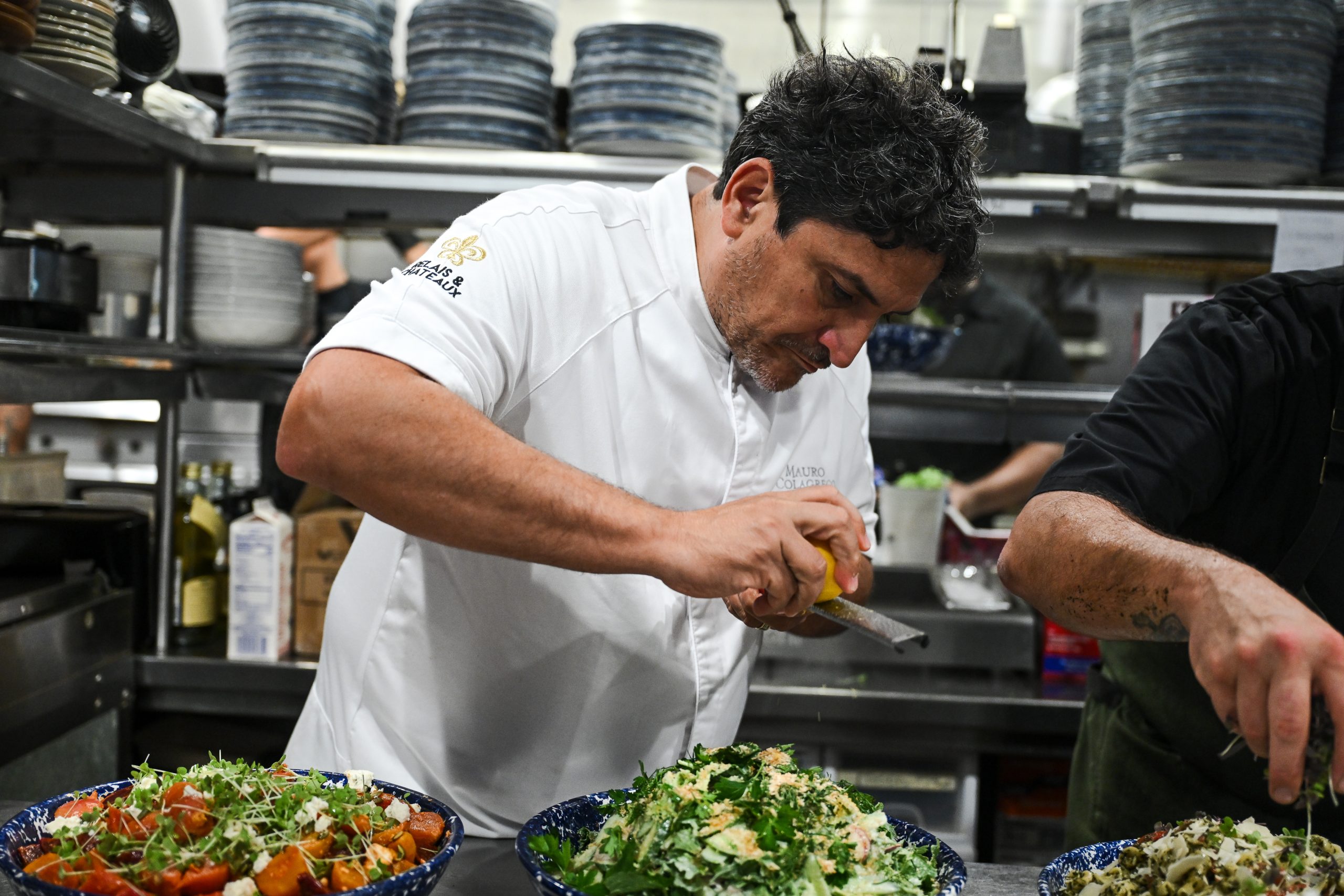
For Colagreco, a menu always starts with the territory and what nature offers at a specific time and place. The East End of Long Island offered an abundance of heirloom tomatoes, seasonal peaches, fresh lobster, and Chilean sea bass—ingredients that his kitchen interpreted through a distinctively Mediterranean sensibility while meticulously preserving each element’s natural identity and seasonal peak. Plates delivered to the communal tables included rich burrata paired with vitello tonnato, ricotta, and lemon-and-zucchini cannelloni topped with caviar, alongside lobster au gratin and roasted sea bass served family-style.
“The menu was designed as a true celebration of summer in Montauk: something generous, joyful, and friendly, with family service and dishes in the center of the table, designed to be shared,” he notes.
Even with months of rigorous planning, however, the kitchen must remain flexible up until the moment of service. “Anticipation is important, but you also have to leave room for what the place brings you and know how to adapt until the last moment,” Colagreco adds, emphasizing that spontaneous adjustments in the kitchen continue right through the evening service.
Each Territory Has Its Own Language
When comparing his coastal home in Menton to his new surroundings in Northern Italy, Colagreco observes distinct differences tempered by subtle echoes of familiarity. Mirazur grew out of a unique terroir where the rugged Mediterranean meets the mountains under a brilliant, specialized quality of light, anchored by expansive gardens that have served as the engine of the restaurant for years. At Lake Como, by contrast, the landscape presents an entirely different vocabulary: the vast, deep waters of the lake, distinct local vegetation, enveloping humidity, historic gardens, and a deeply entrenched gastronomic culture bound inextricably to the surrounding valleys.
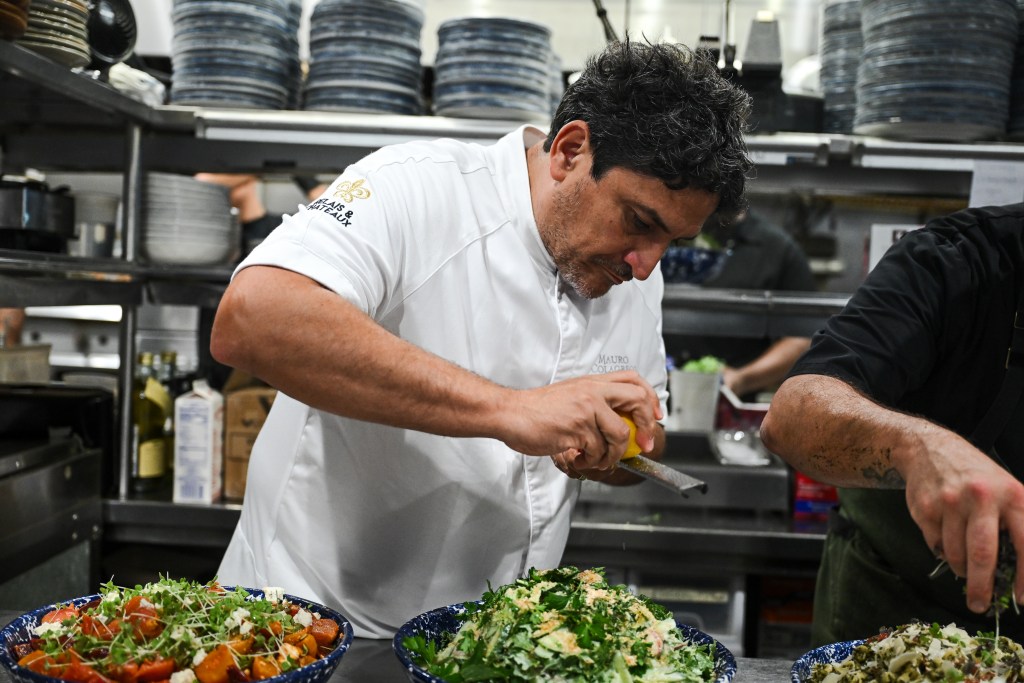
“What interests and motivates me is precisely not to try to reproduce what we do in Menton, but to infuse it with our philosophy and our view of cuisine, to build a new concept from what the place tells us,” he says. “You have to listen to it, understand your environment, and let the territory guide you.” That profound commitment to listening is precisely why he invests so much time in studying a new address long before his brigade lights the burners.
For the chef, establishing a restaurant in Italy also carries a profound personal resonance, rooted deeply in his Argentine upbringing where Italian culture, culinary traditions, and familial gestures were woven into daily life. “In Argentina, Italian culture is very present in the kitchen, in the families, in the gestures that are passed on, and in these recipes that we sometimes make without even knowing exactly where they come from,” he reflects. Cooking in Italy represents a return to a vital part of his personal history, approached with characteristic humility and an unwavering devotion to the art of welcoming and the joy of sharing a table.
The physical architecture of The Lake Como EDITION plays an equally vital role in shaping the culinary experience. Housed within a meticulously restored 19th-century palace featuring contemporary interior design by Neri&Hu, the hotel provides a striking visual and atmospheric backdrop. “The architecture, the light, the materials, the landscape, the way people move around and sit around a table are all part of the experience,” Colagreco observes. Neri&Hu’s design introduces a contemporary layer to the historic palace without erasing its storied past. Colagreco views his kitchen—where technical mastery always remains strictly at the service of the ingredient—as settling into these historic rooms on the exact same terms, creating a harmonious dialogue where food and architecture highlight each other without competing for dominance.
“I think a lot about cooking as a language,” he says. “You can have the same sensitivity and the same values, but tell very different stories.”
Encounters Over Ingredients
For years at Mirazur, Colagreco has structured his menus around the lunar calendar, a practice that began outdoors in the permaculture and biodynamic gardens to optimize planting and land management. Following global lockdowns, his team successfully transitioned the lunar framework indoors to help dictate the rhythm of the dining room. “It’s not a rigid rule that dictates everything we do, but rather a source of inspiration and a way to stay attentive to cycles, plants, the earth, and everything around us,” he explains.
At Lake Como, the culinary team began by closely observing the regional seasonality and natural rhythms before deciding how the lunar calendar would apply locally. The overarching goal is simply to preserve a pure, natural relationship with growing things, seamlessly adapted to the unique environment of the lake.
This deep observation extends just as naturally to people as it does to plants and agricultural cycles. “A producer does not just pass on an ingredient: he transmits knowledge of the climate, the land, the seasons, the traditions, and the history of a place,” Colagreco says. True to this philosophy, Cetino’s kitchen has already begun working hand-in-hand with local purveyors, sourcing freshwater fish from the lake such as agone and trout, alongside bresaola della Valtellina, local Casera cheese, and traditional sciatt fritters from Lombardy and its neighboring valleys. Through these daily interactions, local artisans are actively teaching the region’s rich culinary heritage to a kitchen that is eager to learn.
Colagreco is deliberately selective about how he characterizes his approach to sourcing. “I prefer to talk about encounters rather than simply looking for the ‘best products,’” he notes. “What matters to me is the relationship we build with those who produce them, and everything that these exchanges teach us about the territory.” This ethos forms the core brief for Cetino: deeply seasonal ingredients sourced directly from trusted regional producers, allowing the cuisine to evolve organically as the team’s understanding of the local terroir deepens over time.
Longevity, with Appetite
With wellness and longevity serving as central pillars of The Lake Como EDITION—highlighted by the property’s comprehensive spa and fitness facilities—Colagreco naturally extends this philosophy into the dining room. “As the ancients already said, our food is our first medicine,” he observes. For the chef, true longevity begins with maintaining a healthy, respectful relationship with what we consume, translating in practical terms to uncompromising product quality, strict adherence to seasonality, plant diversity, and vibrant food packed with vitality. Furthermore, he believes longevity means projecting forward toward future generations, ensuring that caring for nature today includes passing down a lasting respect for the earth. Crucially, none of these principles come at the expense of culinary pleasure.
“I don’t believe in a cuisine that opposes health and greed,” he asserts. “On the contrary, the two can go together. Nature offers us an incredible diversity of foods that are both good for us and delicious.” Emotion, he adds, remains an essential, non-negotiable ingredient in any memorable meal. “Our role as cooks is to transmit joy, wonder, and pleasure,” viewing this transmission as a profound form of well-being and a dedicated way of caring for others.
While The Lake Como EDITION houses several distinct dining and drinking venues under one roof, Colagreco ensures each space maintains a distinct identity. While the overarching philosophy of respect for ingredients, seasons, and local territory remains uniform, the guest experience shifts purposefully from room to room. Backed by a dedicated research and development team cultivated over years of operation, the group takes the necessary time to fully understand each new concept, its distinct identity, its target audience, and its surrounding environment before ever launching a menu.
This multi-faceted approach is evident in Colagreco’s more casual ventures as well, including the Mitron bakery-cafe, La Pecoranegra pizzeria, and the CARNE burger brand—all of which are built upon the same foundational commitments to circular cuisine and positive environmental impact.
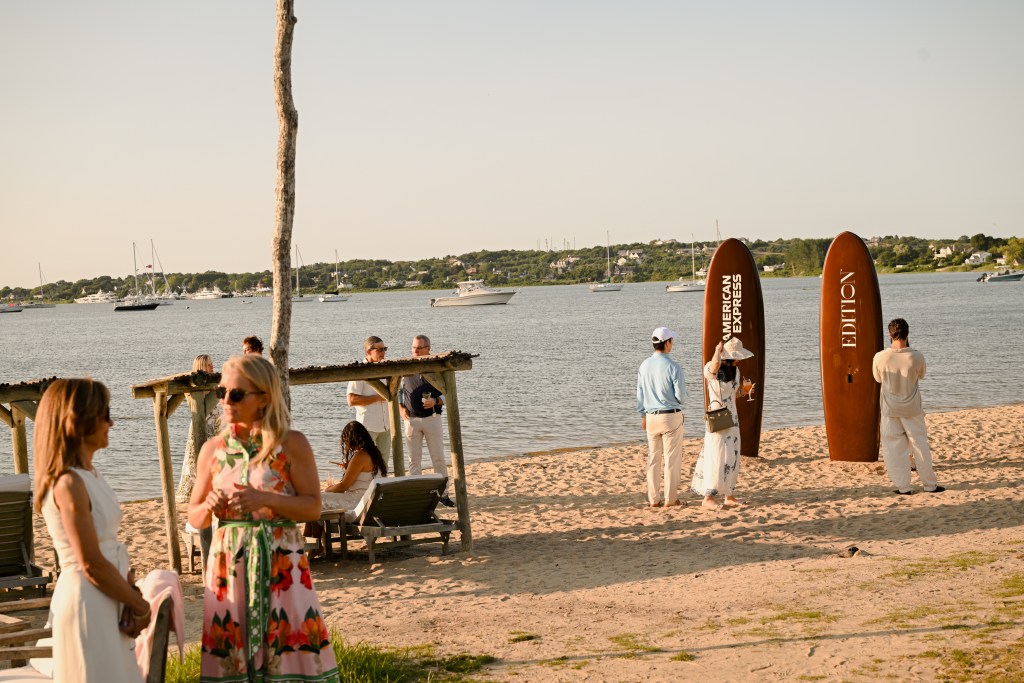
Asked whether any specific elements from the Montauk pop-up managed to follow him across the globe to the shores of Lake Como, Colagreco points directly to simplicity and conviviality. The family-style meal, characterized by generous dishes placed in the center of the table where everyone serves themselves, is a dynamic he finds naturally replicated at The Lake Como EDITION.
“Basically, the places change, the products change, but the pleasure of being together around a beautiful table remains universal,” he concludes. In Montauk, it was fresh lobster and seasonal peaches; on Lake Como, it is local agone and Casera cheese. But the table itself remains unchanged.