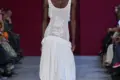





The fashion stakes for Halloween are remarkably high, and with each passing year, the expectations for creative execution only seem to escalate. While mainstream costume ideas often rely on pop culture tropes, cinematic characters, or predictable spooky staples, a growing segment of style enthusiasts is turning toward a far more sophisticated and exclusive reference library: the international runway. From Chanel’s ambitious rocket-launch tweeds to the mesmerizing, transformable frocks engineered by Hussein Chalayan, the global fashion calendar offers a treasure trove of conceptual masterpieces. For those with a penchant for sartorial history, Halloween has become the ultimate playground to let ambitious DIY recreations run wild, transforming historic ready-to-wear moments into striking, wearable tributes.

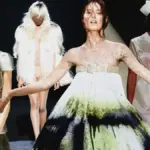
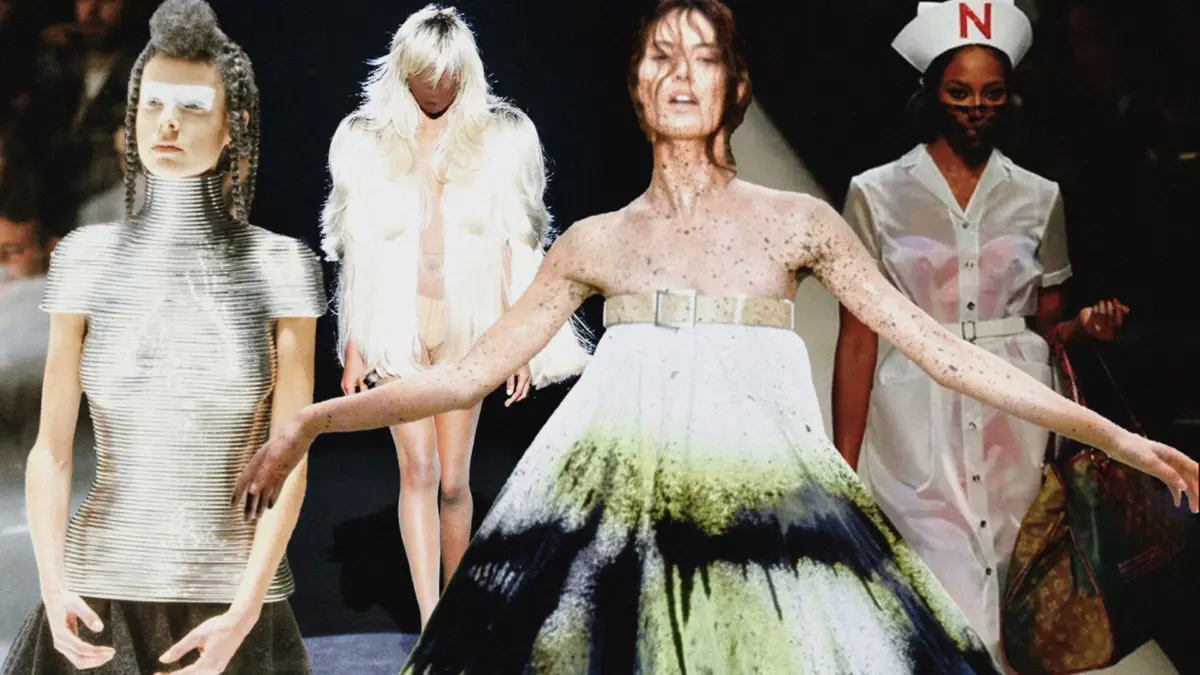
For some, achieving a high-impact runway look requires minimal heavy lifting while still delivering an undeniable punch of fashion history. A remarkably popular and accessible option draws directly from Alexander McQueen’s legendary spring 1999 presentation, where model Shalom Harlow spun on a wooden platform while being dynamically spray-painted by industrial robot arms. With little more than a white bed sheet, a tan belt, and carefully applied green and black spray paint, a devotee can instantly capture one of the most indelible moments in modern runway history. Similarly, the appeal of recreating niche, high-concept styling choices is sweeping through creative circles. One model recently shared plans to rally her friends around the sexy, lace-masked nurses from Marc Jacobs’s spring 2008 collection for Louis Vuitton, proving that fashion-literate group costumes are having an undeniable cultural moment.

Yet, not everyone is interested in taking the easy route. Naomi Vizcaino certainly falls into the latter category. Over the course of a rigorous week, the ceramicist and content creator set out to meticulously reconstruct McQueen’s intricate fall 1999 coiled aluminum corset. The original masterpiece was crafted by visionary jeweler Shaun Leane, whose avant-garde metalwork recently returned to the spotlight during Sean McGirr’s spring swansong for the house. Vizcaino admits a deep, enduring fascination with Leane’s portfolio, noting that this particular project offered a chance to engage with a garment that would otherwise remain completely out of reach.

The construction process was an exercise in resourcefulness and domestic engineering, beginning with a foundational project familiar to home sewers: a custom duct-tape dress form designed to mimic her exact measurements. To build the iconic silhouette, she hot-glued concentric rounds of irrigation tubing sourced directly from a local hardware store. Rather than risking damage to her sewing machine’s delicate internal mechanisms with industrial adhesives, Vizcaino cleverly installed a zipper using additional hot glue before applying a seamless coat of silver spray paint across the entire bodice. It is a spirit of upstart ingenuity and hands-on fabrication that Alexander McQueen himself would likely have appreciated.

This makeshift ethos is shared by others within the creative community who view historical garments as challenges to be creatively conquered. Set designer Laura Hughes once took on the formidable task of recreating Maison Margiela’s spring 2009 wig dress. Her version relied on an assemblage of inexpensive hairpieces carefully sewn onto a basic jacket, paired with drugstore tights and a pair of classic heels. Hughes explains that her goal was to target a specific niche that true fashion historians would instantly recognize, while ensuring the ensemble remained visually arresting even for those entirely unfamiliar with the original reference. The fact that her natural hair color was blonde conveniently saved her time and money on at least one of the required wigs, earning her metaphorical bonus points for carrying a remarkably hairy Halloween candy bag to complete the look.

Of course, the most ideal option for capturing an authentic runway moment is to go straight to the source by pulling from an established archive. Power stylist Karla Welch recently demonstrated this approach when she paired a striking red Prada spring 2009 runway ensemble—featuring its signature crinkled bra top, matching shrug, and skirt—with a pair of traditional devil horns. The look was assembled for fellow stylist Erica Cloud’s villain-themed birthday celebration, effectively merging high fashion with classic costume iconography to create a literal interpretation of The Devil Wears Prada. Welch revealed that she purchased the vintage set well over a decade ago from Sielian Vintage, noting that the resulting outfit came together as a relatively last-minute decision. After sourcing a pair of devil horns via a quick delivery app from a local party store, the look was complete. As Welch aptly put it, achieving iconic status is remarkably straightforward when you are playing the devil and happen to maintain a closet full of vintage Prada.

The breadth of inspiration found across decades of runway presentations continues to fuel the imaginations of designers, stylists, and creators alike. Among the most memorable homages witnessed by Vizcaino and Hughes are ingenious recreations of Margiela’s spring 2006 packaging-taped flower top, as well as a dynamic duo who attended a celebration dressed as Rick Owens’s gravity-defying spring 2016 human backpack. As the holiday approaches, conversations among style insiders naturally turn toward future engineering feats, with discussions centering on whether classic Mugler robot couture might be brought to life using little more than household supplies and a determined trip to the local hardware store.