




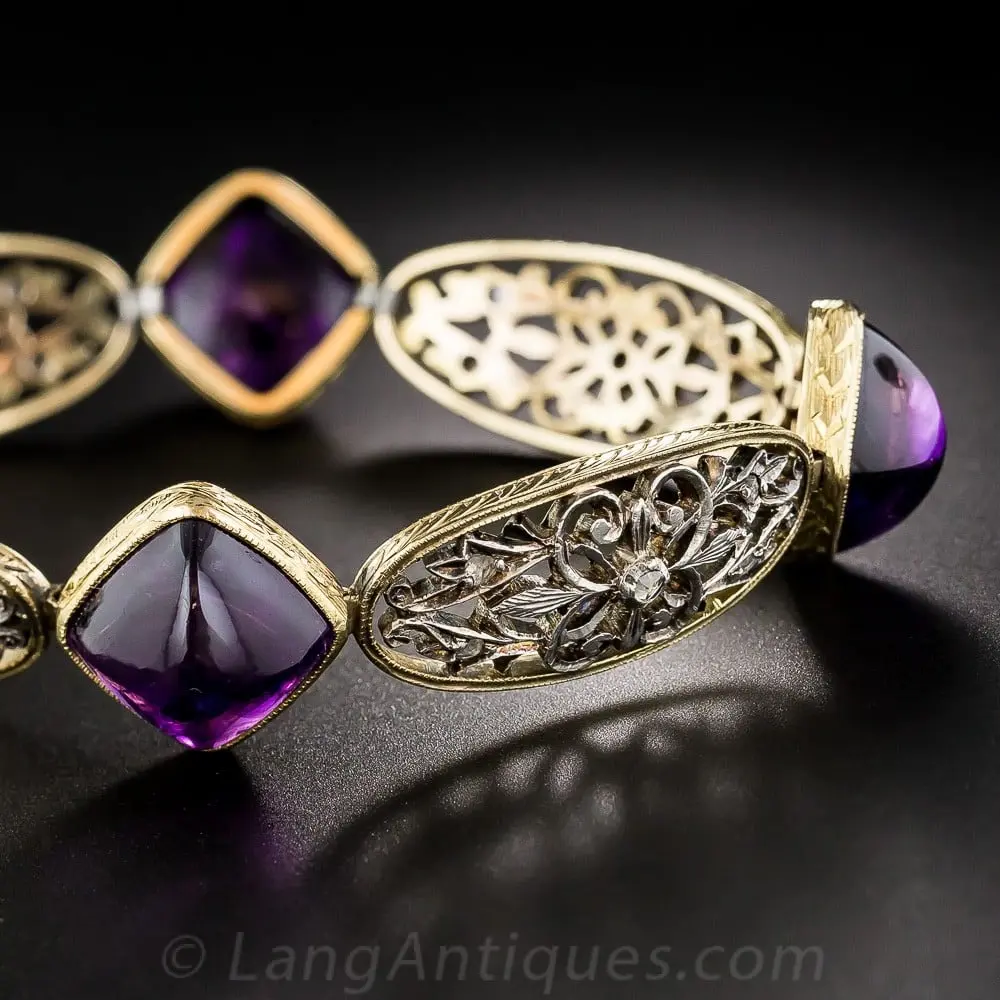
The Aesthetic Period of Victorian jewelry emerged not merely as a shift in stylistic preference, but as a profound cultural reaction against the heavy conventions, industrial uniformity, and historical pastiche of earlier decades. As society grew increasingly disillusioned with rigid historical revivals and mass-produced furnishings, artists, craftsmen, and the burgeoning "modern" woman sought a path toward a more refined artistic taste. This cultural awakening sought to break free from past constraints, paving the way for fresh design philosophies, innovative materials, and a revolutionary reimagining of femininity at the close of the nineteenth century.
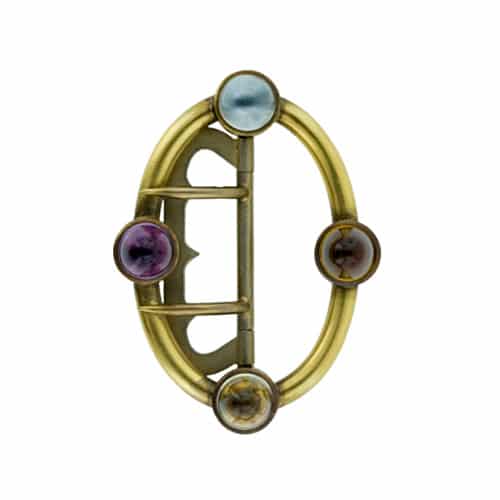
The Rise of the Craftsman and the Modern Woman
In the spirit of preserving medieval craftsmanship in defiance of the industrial revolution, visionary figures like William Morris led cultural efforts toward hand-wrought artistry. Following his example, a coalition of dedicated craftsmen established the Art Workers’ Guild in 1884, soon followed in 1886 by the formation of the Arts and Crafts Exhibition Society. Together, these groups set out to captivate the public with authentic, beautifully crafted works rooted in intrinsic artistic value rather than ostentatious material wealth.
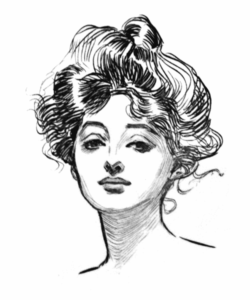
This philosophy found a parallel in the changing social landscape of women. The iconic "Gibson Girl," famously immortalized in 1890 through the illustrations of Charles Dan Gibson, captured the zeitgeist of the era. Portrayed as independent, fun-loving, self-aware, and self-assured, the modern woman stepped confidently into colleges, the business world, and political arenas. Activist groups such as the Primrose League, founded in 1885, and the Women’s Liberal Federation, established in 1886, saw women working furiously toward achieving the right to vote.
New sporting activities—including bicycling and golf—prompted dramatic wardrobe adjustments. To accommodate these active lifestyles while keeping hands free, women adopted long chains that held essential accessories such as coin purses, watches, and lorgnettes. For ladies embarking on long, unchaperoned horseback rides, whistle bracelets became an absolute must, allowing them to summon help from a two-mile radius. Elaborate hair accessories, notably carved tortoise shell combs embellished with gemstones, became indispensable for anchoring the loose, modern coiffures required by these activities. Meanwhile, fashionable women embraced an air of deliberate, modern frivolousness, signaling to the world that they were thoroughly fin de siècle.
A Shift in Daytime Adornment and International Expos
Despite the emergence of these clever new accessories, daily jewelry habits underwent a significant scaling down. In general, women wore considerably less jewelry during daylight hours, with diamonds widely perceived as being in poor taste under the sun. By 1890, the Jewellers’ Association grew concerned that women were abandoning jewelry altogether and formally appealed to the Princess of Wales for assistance. While the Princess graciously purchased several pieces to set an example, true displays of heavy jewels remained largely confined to evening affairs, dress balls, and the opera.
International exhibitions throughout the nineteenth century continued to play a pivotal role in introducing the public to industrial and artistic innovations. In 1893, Chicago hosted the Colombian Exposition to celebrate the 400th anniversary of the discovery of America, with electricity serving as the ultimate marvel. Visitors were left awestruck by illuminated displays showcasing creations by premier American designers like Tiffany and Gorham.
The accompanying Victorian jewelry displayed at the exposition marked a clear departure from past eras. Pieces were lighter and rendered on a smaller scale; weighty brooches gave way to smaller pins scattered gracefully across dress bodices, while diamond brooches were frequently pinned directly into evening hairstyles. Furthermore, as the latest Victorian hair trends exposed the ears, small stud earrings surged in popularity.
Breaking with Tradition: The Birth of Art Nouveau and New Materials
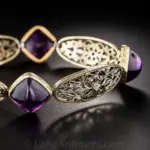
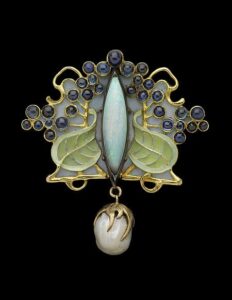
The new generation of jewelry designers felt deep disdain for the blatant copying of historic motifs and the heavy-handed creations of their predecessors. Eager to break completely with imitative traditions, they championed soft curves, natural shapes, and delicate color palettes. Gemstones were increasingly cut en cabochon, with a distinct preference for amethysts, emeralds, and opals. C.R. Ashbee, a prominent leader of the Arts and Crafts movement, championed the belief that jewelry should be valued for its intrinsic beauty rather than its material cost, frequently setting pink topaz and amethysts within dull silver or gray gold—a trend quickly adopted by fellow artisans.

Simultaneously, the Art Nouveau movement was blossoming in France. René Lalique pioneered an entirely underivative style characterized by feminine profiles with flowing hair, soft-colored stones, simple floral motifs, and delicate enamels. In England, Lalique’s work was celebrated as the ultimate realization of the aesthetic modern jewelers had striven to achieve, making his designs an instant sensation among the new Victorians.
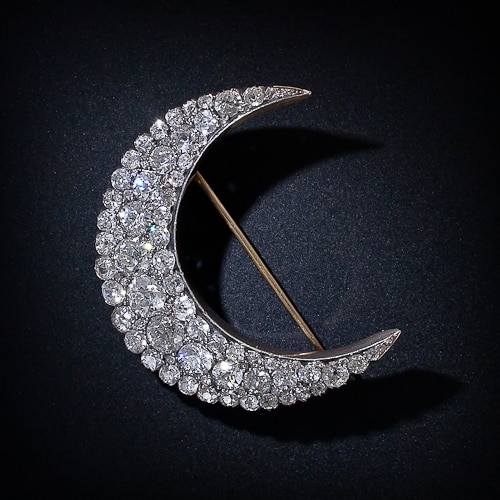
While avant-garde styles flourished, more conventional jewelry retained a dedicated following, albeit transformed by a simpler aesthetic centered on a single featured gemstone. Diamonds remained the ultimate choice for special occasions, showcased in rivières, tiaras, and bracelets crafted from silver-topped gold. These pieces utilized airy, delicate settings that minimized metal visibility to maximize stone brilliance.
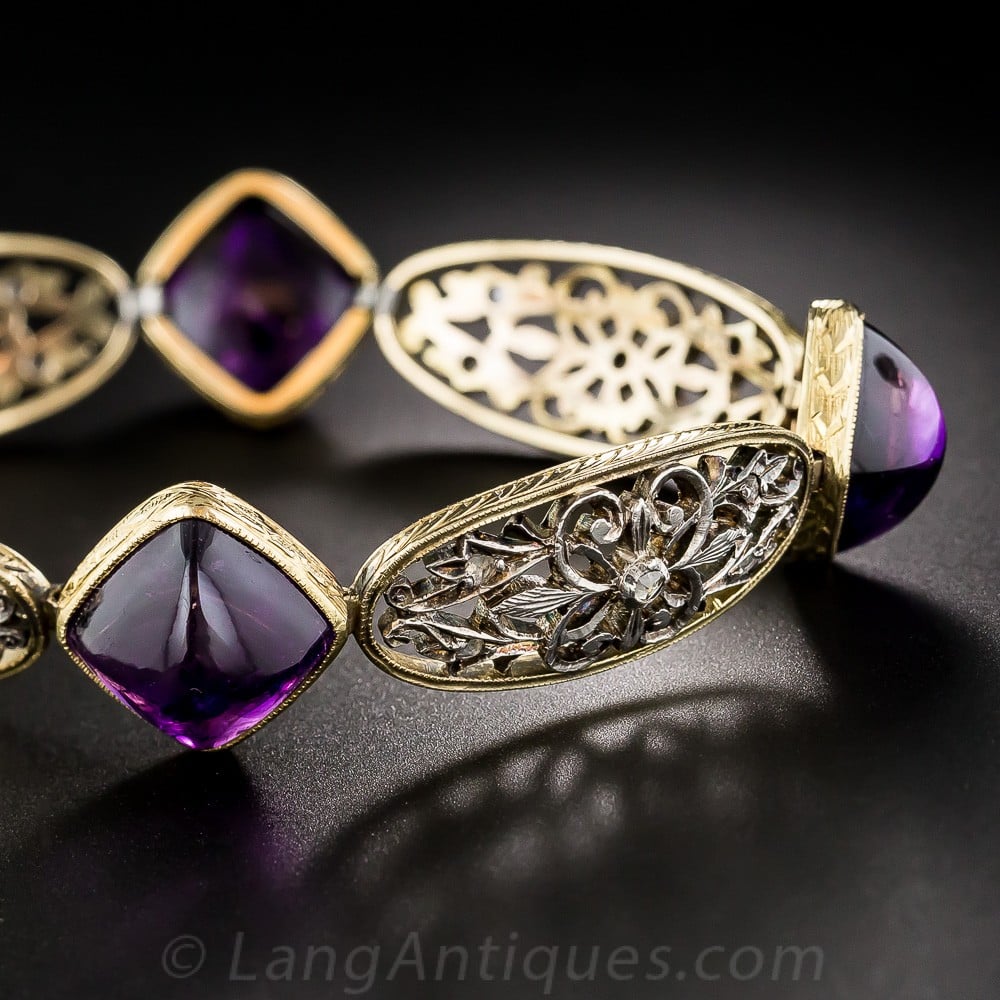
Material innovations further transformed the craft. Following the widespread popularity of 12K gold—often rendered in a bloomed finish—advancements in manufacturing during the late 1880s established platinum as a viable and preferred metal for diamond mountings. Later, near the end of the century, the Boer War temporarily cut off the supply of South African diamonds, allowing alternative gemstones to regain their former prominence.

Novelty, Cultural Influences, and the End of an Era
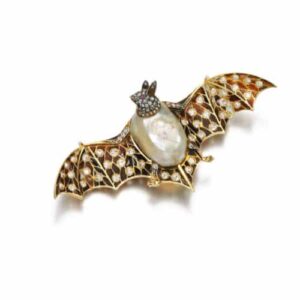
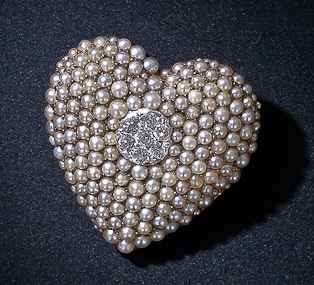
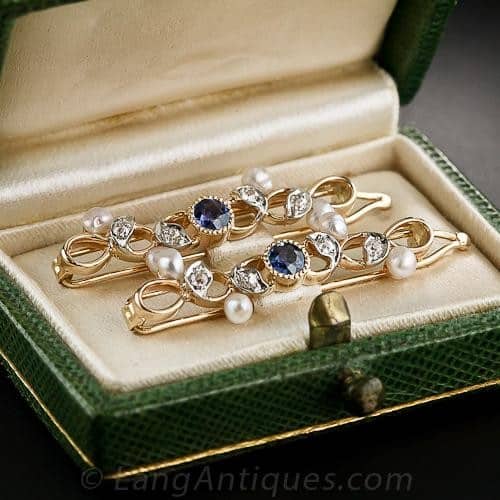
A wave of whimsy fueled the late-nineteenth-century jewelry market. Lace pins—short bar or safety pins featuring a small decorative motif—along with bar brooches and delicate pendant necklaces, captured the public imagination. They were adorned with shamrocks, multi-dimensional stars, knots, and hearts. Some jewels were so diminutive as to seem nearly invisible, yet their sheer novelty rendered them immensely charming. The "honeymoon" brooch, depicting a delicate bee perched upon a crescent moon, became a beloved favorite, accompanied by a menagerie of playful novelties including diamond chickens, jeweled lizards, frogs, and owls.
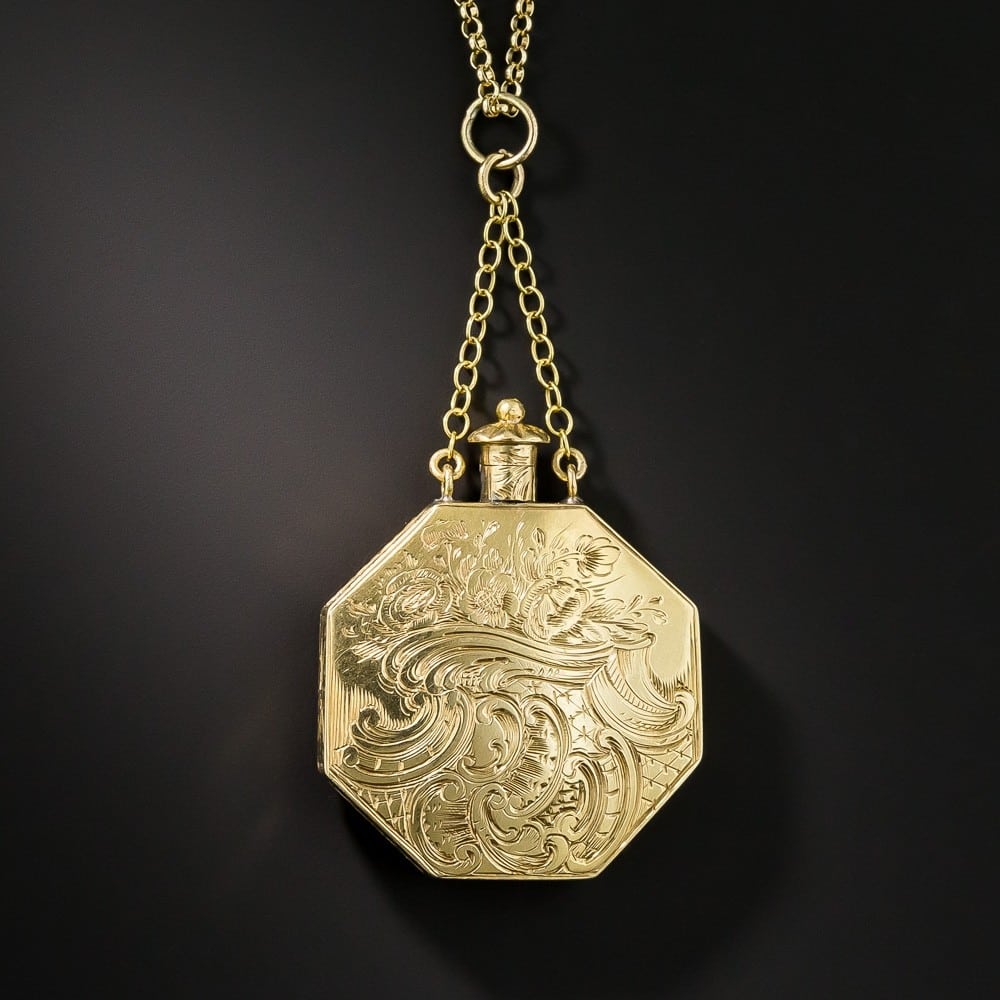
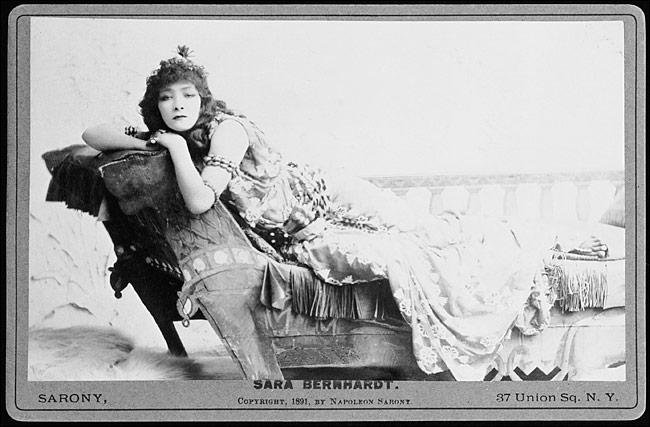
The quest for a fresh aesthetic was heavily influenced by cultural icons and global art displays. When actress Sarah Bernhardt starred in Cléopâtre in 1891, she wore Egyptian-motif jewelry featuring turquoise set in silver, sparking an immediate public revival of Egyptian-styled ornaments. Similarly, striking displays of Indian jewelry at the 1886 Exhibition captivated English designers. Rather than copying the style outright, craftsmen were drawn to its entirely handmade nature, asymmetry, and lack of rigid precision. This spirit of creative recycling also gave rise to a brief up-cycled trend between 1885 and 1889, wherein hand-pierced escapement covers—originally crafted in the seventeenth and eighteenth centuries to protect watch balance wheels—were repurposed into unique earrings, bracelets, and pendants.
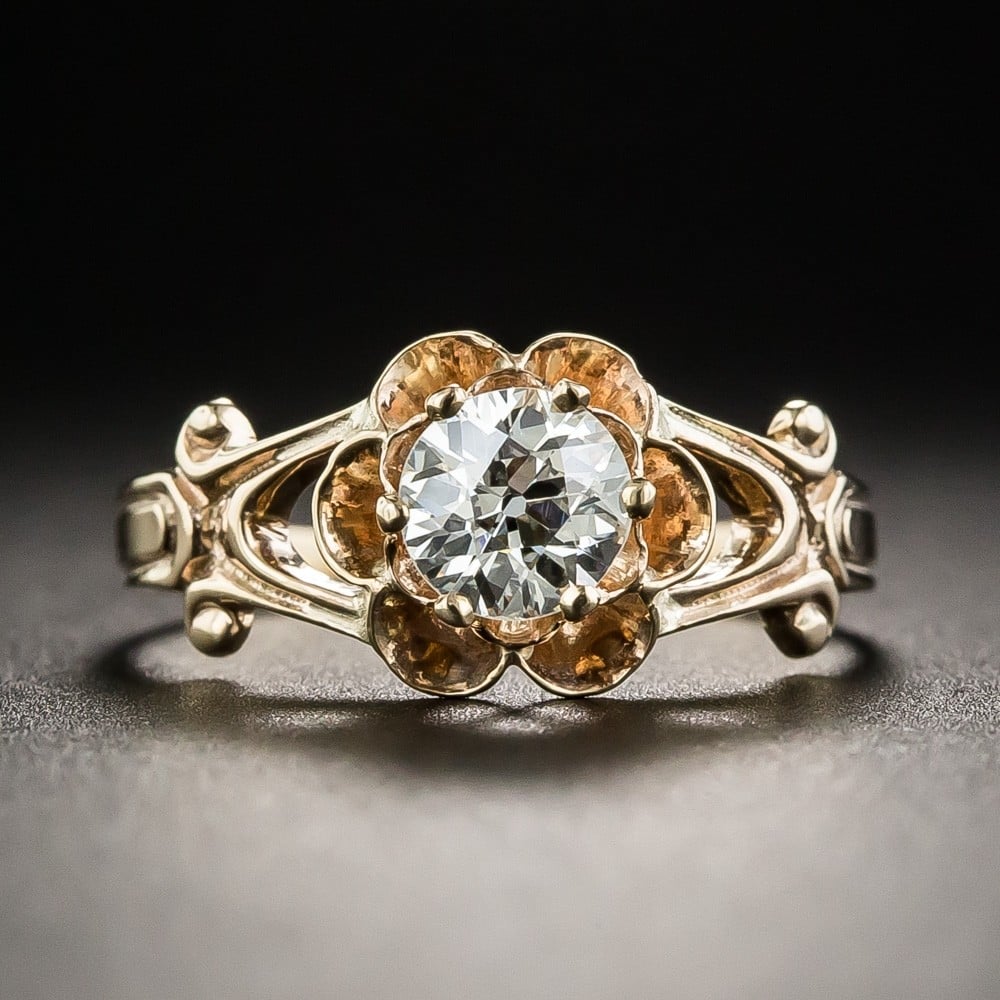
The extended British Royal Family continued to exert profound global influence over fashion. The distinctive dog-collar necklaces (colliers de chien) and multi-stranded pearl ropes worn by Princess Alexandra to conceal a scar were emulated across the globe. Following the passing of Queen Victoria in 1901, King Edward VII and Queen Alexandra cemented their roles as definitive trendsetters, carrying these revolutionary artistic philosophies into the dawning twentieth century.