






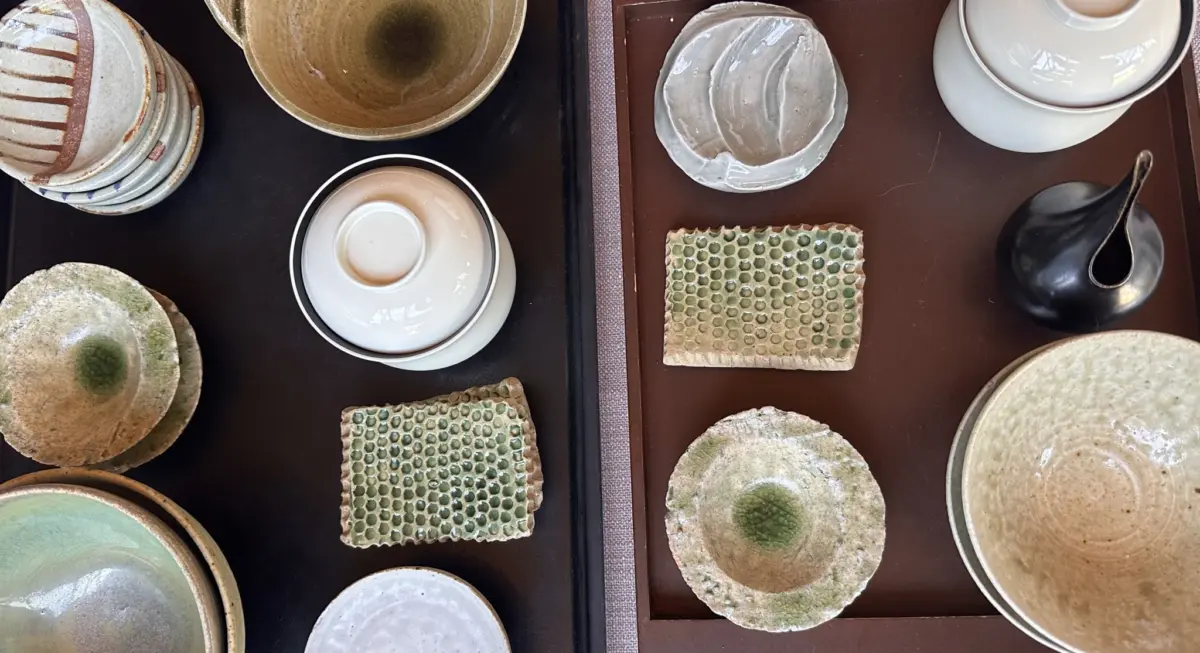
In this month’s Taste column, a visit to SingleThread Farm for the second annual FieldNotes summit offers a profound look into how the design of a centuries-old Japanese clay pot can fundamentally transform the rituals of preparing, serving, and sharing food. Walking the grounds at SingleThread Farm in Northern California’s picturesque Dry Creek Valley, one immediately understands why Katina and Kyle Connaughton chose to build their life and creative hub here. For nearly a decade, the visionary couple behind Healdsburg’s renowned three-Michelin-starred restaurant, five-room inn, and sprawling 24-acre farm have cultivated an essential gathering place for individuals who care deeply about how food is grown, cooked, and shared. Alongside co-owner Tony Greenberg, they have continuously expanded upon that foundational philosophy, successfully translating the unique SingleThread approach to new restaurants and ambitious hospitality projects across the globe.
The momentum at SingleThread shows no signs of slowing down. Earlier this year in March, the team celebrated the opening of SoNoMa by SingleThread, their very first international restaurant venture, located inside Capella Kyoto in Japan. As the calendar turns to November, their eagerly anticipated new book, SingleThread: A Seasonal Approach to Intentional Cooking, Farming, and Hospitality, will hit bookstore shelves right before the opening of The Selvedge, a new bed and breakfast designed in close collaboration with the acclaimed design studio AvroKO. Overlooking the serene Russian River, this new property artfully blends modern California comfort, Victorian charm, and British style, all infused with a distinctly independent punk spirit.
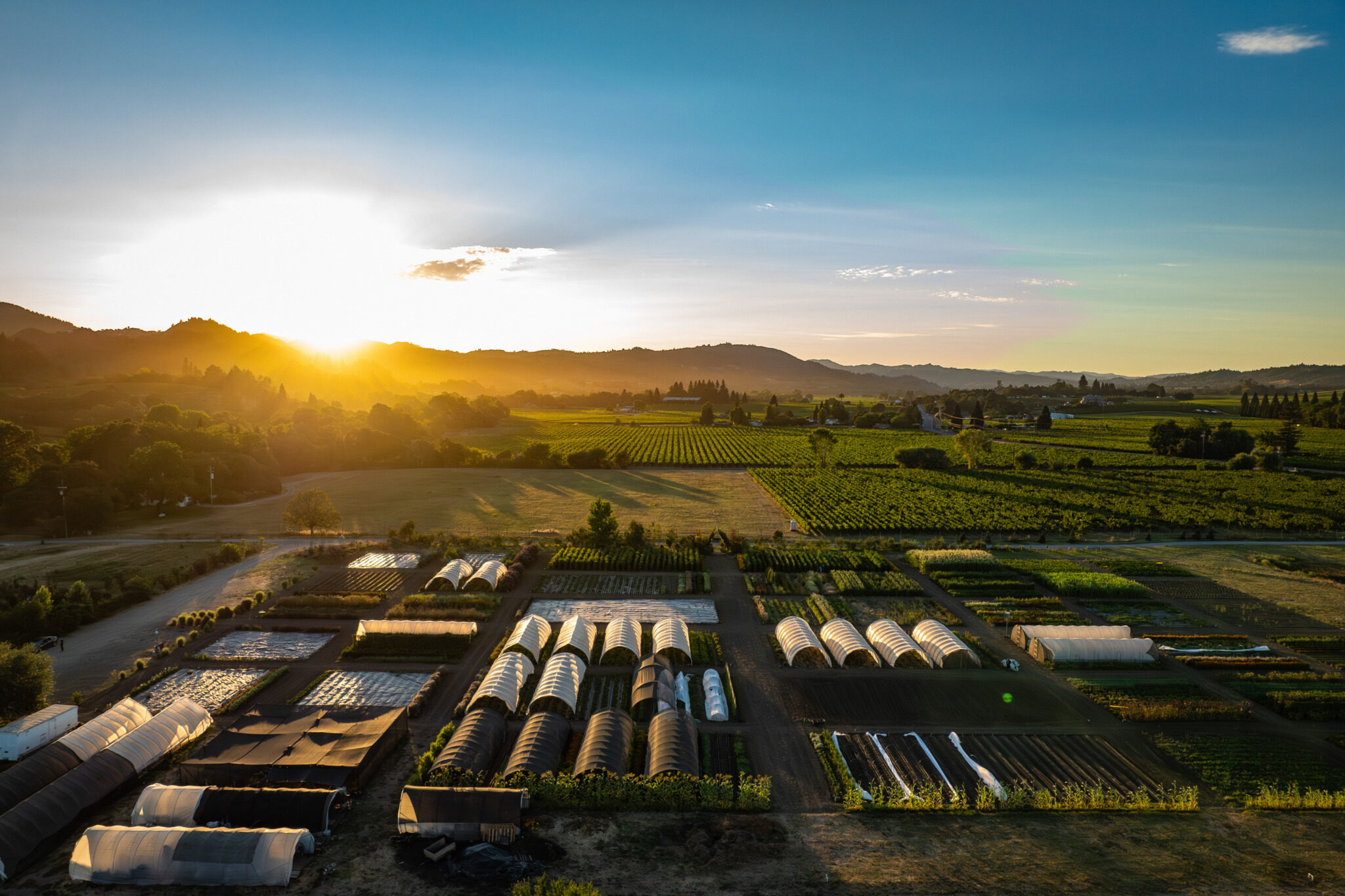
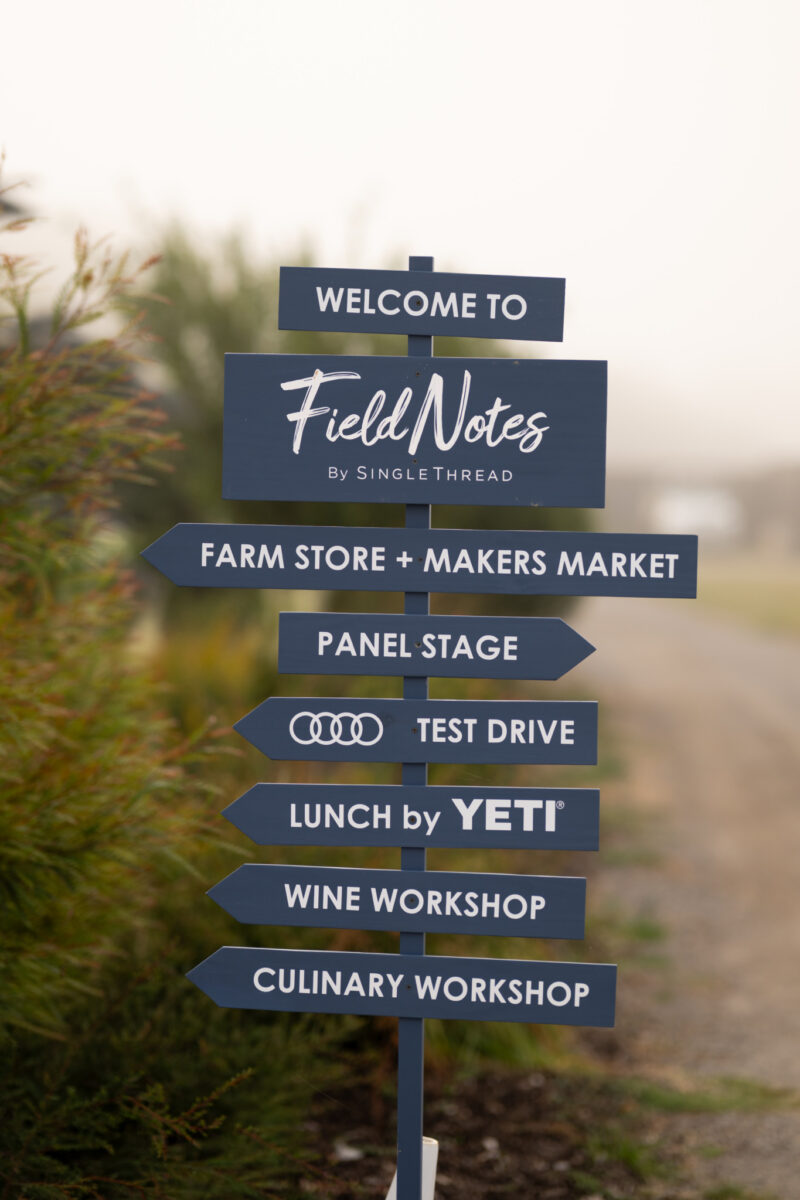
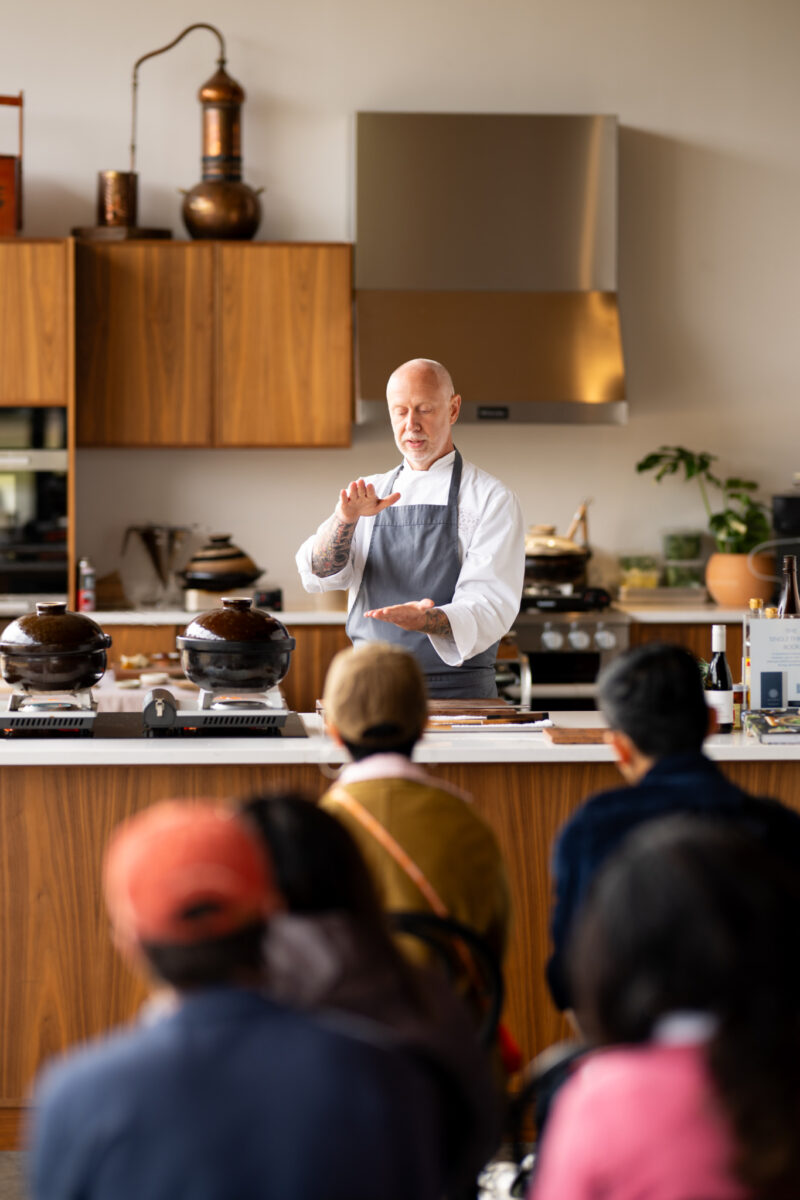
These expansive hospitality endeavors were recently showcased at the second annual FieldNotes by SingleThread, a vibrant gathering that brings together chefs, winemakers, farmers, and artisans to celebrate the intersection of land and craft through immersive workshops, collaborative meals, and thoughtful conversations right on the farm. In the crisp morning mist, Zach Dorman, the director of events and partnerships, alongside his dedicated team, warmly greeted guests as they arrived at the agricultural sanctuary. Following a leisurely morning stroll through the fields with freshly brewed coffee in hand, attendees made their way directly to the farm’s demonstration kitchen to participate in a specialized culinary session entitled Advanced Donabe: Smoke, Fire & Seasonal Technique, led personally by owner and chef Kyle Connaughton.
Upon entering the space, a copy of The Fine Art of Japanese Food Arranging by Yoshio Tsuchiya was spotted resting casually on a nearby side table. When a guest picked up the out-of-print volume, Chef Kyle eagerly joined the conversation, recounting how he had first encountered the book as a child. He noted that it has long remained mandatory reading for every single chef who passes through the kitchens at SingleThread. Tsuchiya’s meticulous approach to Japanese food and presentation continues to heavily influence Connaughton’s culinary work, including several key layouts featured in his and Katina’s forthcoming publication. It served as a remarkably fitting introduction to a workshop designed to reveal the staggering amount of historical thought, material science, and generational knowledge that can be contained within a single traditional cooking vessel.
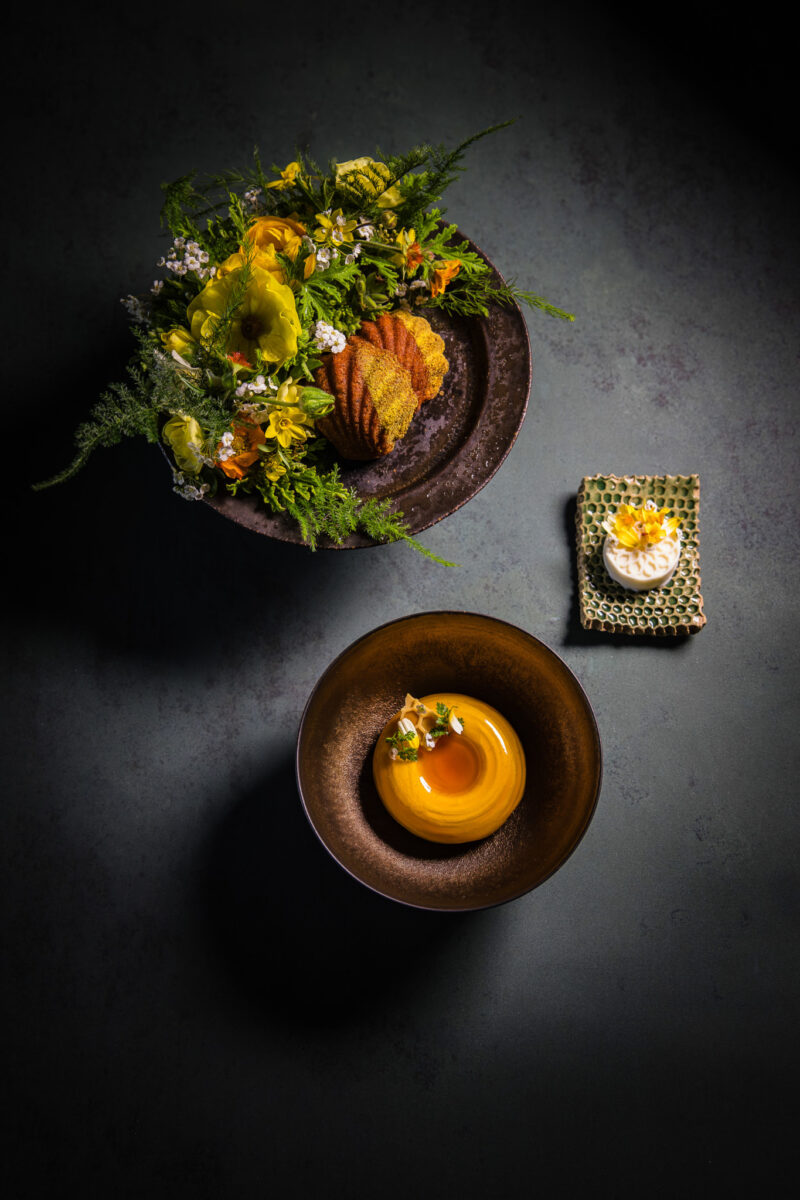
To understand the core of the workshop, one must look at the term itself. Donabe translates simply to an earthenware pot in Japanese. Much like a traditional Moroccan tagine, this specialized clay cookware is engineered specifically for use over an open flame, utilizing its porous clay walls to absorb and retain heat efficiently. This unique thermal property allows ingredients to cook slowly and evenly while delicately preserving natural moisture and concentrating complex flavors.
The most coveted donabe pots originate from Iga, Japan, where Nagatani-en, an eighth-generation family of master potters who have been actively working since 1832, crafts them according to the ancient Iga-yaki tradition. According to Chef Kyle, the secret to their unmatched performance lies entirely in the regional clay. The magic of the Iga clay is its specific terroir, originating from a region that was entirely underwater hundreds of thousands of years ago. As a result, the clay is densely populated with layers of tiny fossilized remains, which directly creates the characteristic porous nature of the finished donabe after it undergoes high-temperature firing. It is precisely this porous structural design that causes donabe vessels from Iga to heat up slowly and evenly while cooking ingredients with remarkable intensity.
Kyle Connaughton’s personal fascination with donabe began in the early 2000s. While working under Chef Michel Bras, he lived alongside Katina and their children in a tiny, coastal scallop-fishing village situated on Hokkaido, Japan’s northernmost island. Through the long, harsh, and heavily snowy winters, the young family managed to stay warm with the help of a small kerosene heater and a humble donabe hot pot resting on a simple tabletop burner.
Years later, in 2011, Connaughton traveled back to Iga in the company of Naoko Takei Moore, a former culinary student of his who now imports authentic Iga donabe into the United States through her Los Angeles-based enterprise, Toiro. While Kyle may have originally started as her instructor, he frequently notes that she eventually became his teacher. The two stayed closely embedded with the Nagatani-en family while writing their comprehensive cookbook, Donabe: Classic and Modern Japanese Clay Pot Cooking, which features stunning photography by Eric Wolfinger.
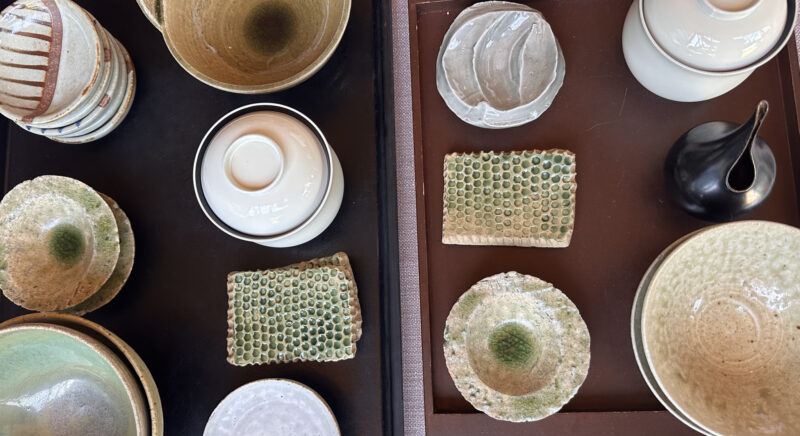
Back inside the farm’s demonstration kitchen, Chef Kyle was joined by Alex Fuentes, his chef of special projects, to examine one of the oldest forms of cooking technology through a thoroughly contemporary lens. The live demonstrations effortlessly pivoted between traditional Japanese methods and surprisingly inventive modern preparations, vividly demonstrating the immense versatility of the donabe. The visible camaraderie between the chefs added a sense of theatrical joy to each steamy, aromatic reveal.
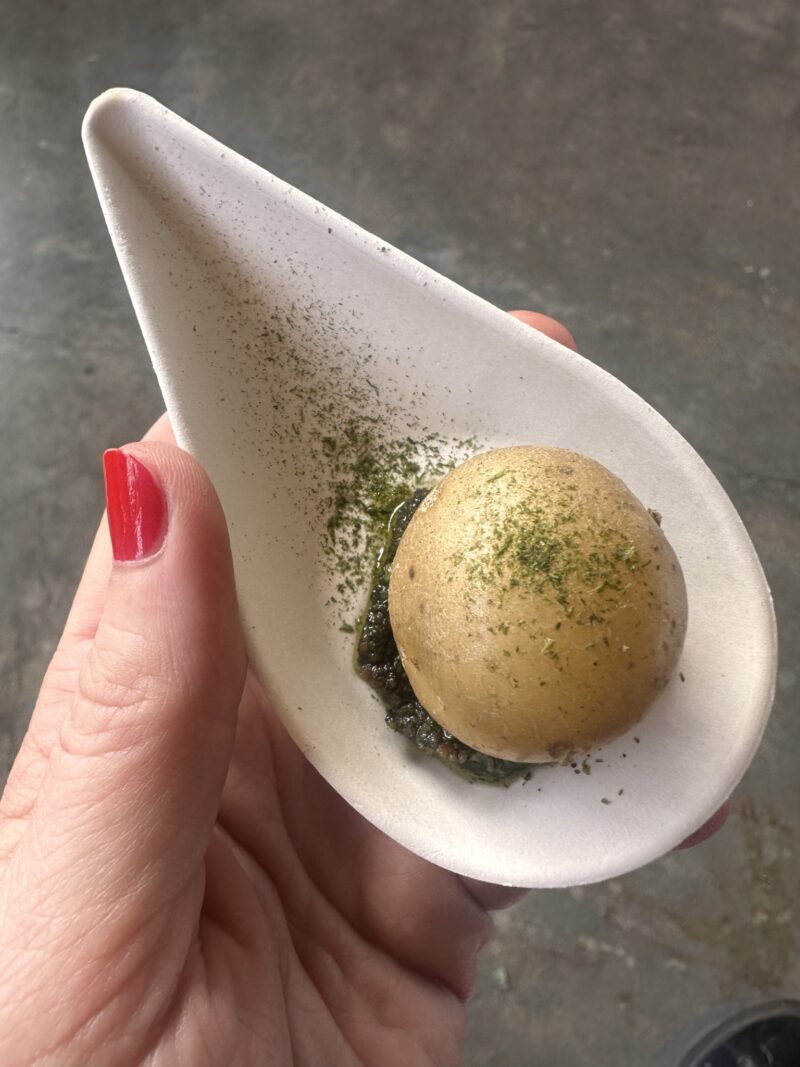
The culinary journey began with a delicate first bite pairing a single farm-grown potato with a vibrant sunflower nori pesto, followed swiftly by a second presentation featuring a cube of smoked salmon accompanied by a long-scallion shio-koji vinaigrette and paper-thin radish shavings. Both dishes were served piping hot and executed with exceptional precision. The salmon possessed an extraordinarily delicate smoky flavor, courtesy of cherry blossom wood chips placed strategically at the base of the smoker donabe. When the heavy lid was lifted, accumulated smoke and rich aromas billowed out into the room. This theatrical presentation was far more than a simple visual flourish; the tangible sense of anticipation became an integral part of the overall dining experience, reinforcing a central theme of the workshop: the donabe actively redefines the temporal design of eating.
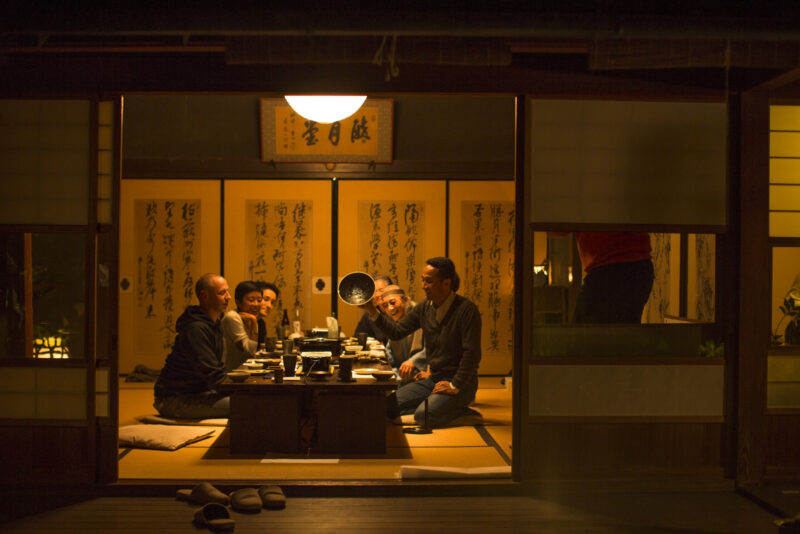
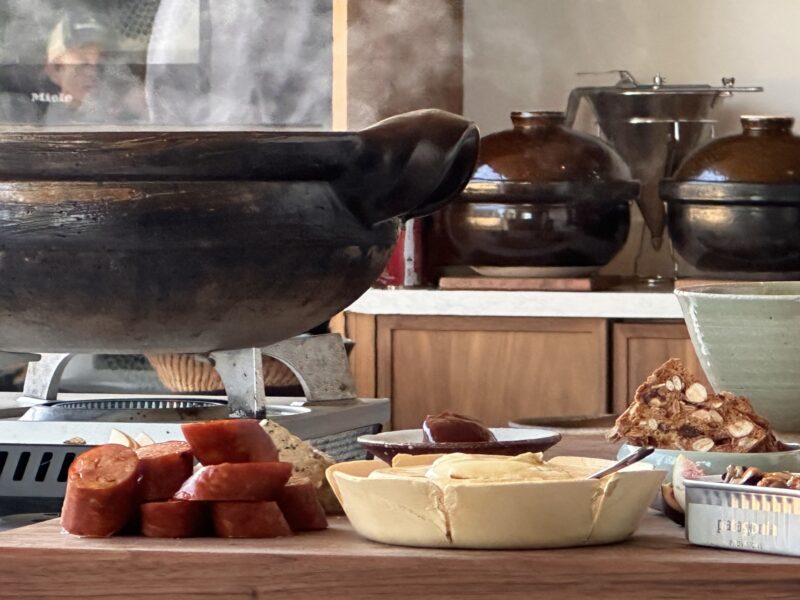
Chef Kyle also demonstrated how donabe vessels can transcend traditional Japanese cuisine entirely, presenting an interactive, fondue-like communal dish. He placed a wood-box Camembert cheese, artisanal sausage sourced from neighboring Sonoma producer Journeyman Meat Co., and tinned mussels directly inside the Ibushi Gin donabe. Securing the lid, he poured water around the clever rim to establish an airtight seal that trapped the wood smoke securely inside the vessel, offering a brilliantly reimagined alternative to the ubiquitous modern cheese-and-charcuterie board.
The masterclass culminated with the chefs layering fresh ingredients in a striking pinwheel formation to prepare a Duck Hot Pot with Fall Vegetables and Inaniwa Udon Shime. From the deeply flavorful stock to the perfectly seared duck breasts and savory meatballs, Kyle explained how every single component of the bird was utilized without waste. He shared the engaging story of how he personally convinced a local turkey farmer to begin raising specialized DuClair ducks exclusively for the restaurant, drawn specifically to their superior, gamier flavor profile.
Simultaneously, colorful heirloom carrots, tender long beans, and translucent cabbage simmered gently in the rich broth. The collaborative joy both chefs took in this style of communal dining was infectious, highlighting an approach to cooking that is inherently hospitable. Using long wooden cooking chopsticks, Kyle added the shime, representing the final course of Inaniwa udon noodles, into the fragrant remaining broth. Attendees were then invited to customize their bowls using homemade kimchi and kanzuri, a pungent, fermented Japanese chili paste crafted with yuzu and koji. It is inherently interactive, Kyle explained to the room, noting how guests continually add to the shared broth, feeding one another and dining collectively.
Following the immersive donabe workshop, guests transitioned outdoors for a Garden to Glass session hosted by cocktail visionary Scott Beattie, gaining hands-on experience mixing four distinct seasonal drinks directly within the farm fields. Beattie’s inspired garnishes included an heirloom pineapple tomato chip that instantly captured attention with its brilliant hues and mind-blowing, crisp texture—the result of spending roughly an entire month inside a dehydrator.
At the stroke of noon, participants settled down at long communal tables for a family-style luncheon prepared by New Orleans-based, James Beard Award-winning Chef Alon Shaya. The menu featured dishes such as sablefish chraime accompanied by roasted tomatoes alongside saffron rice tahdig studded with blistered Jimmy Nardello peppers. A room full of devoted SingleThread enthusiasts audibly savored and gushed over every single course, which was thoughtfully paired with regional wines designed to toast the growers, makers, and producers shaping the Dry Creek Valley.
Later in the afternoon, Chef Shaya and his wife and business partner, Emily, joined Katina and Kyle Connaughton on stage for an engaging keynote conversation touching on food, memory, storytelling, and a deep-rooted connection to place. As the panel concluded, Chef Kyle excused himself to return downtown and begin preparations for the evening service at SingleThread’s flagship Healdsburg restaurant.
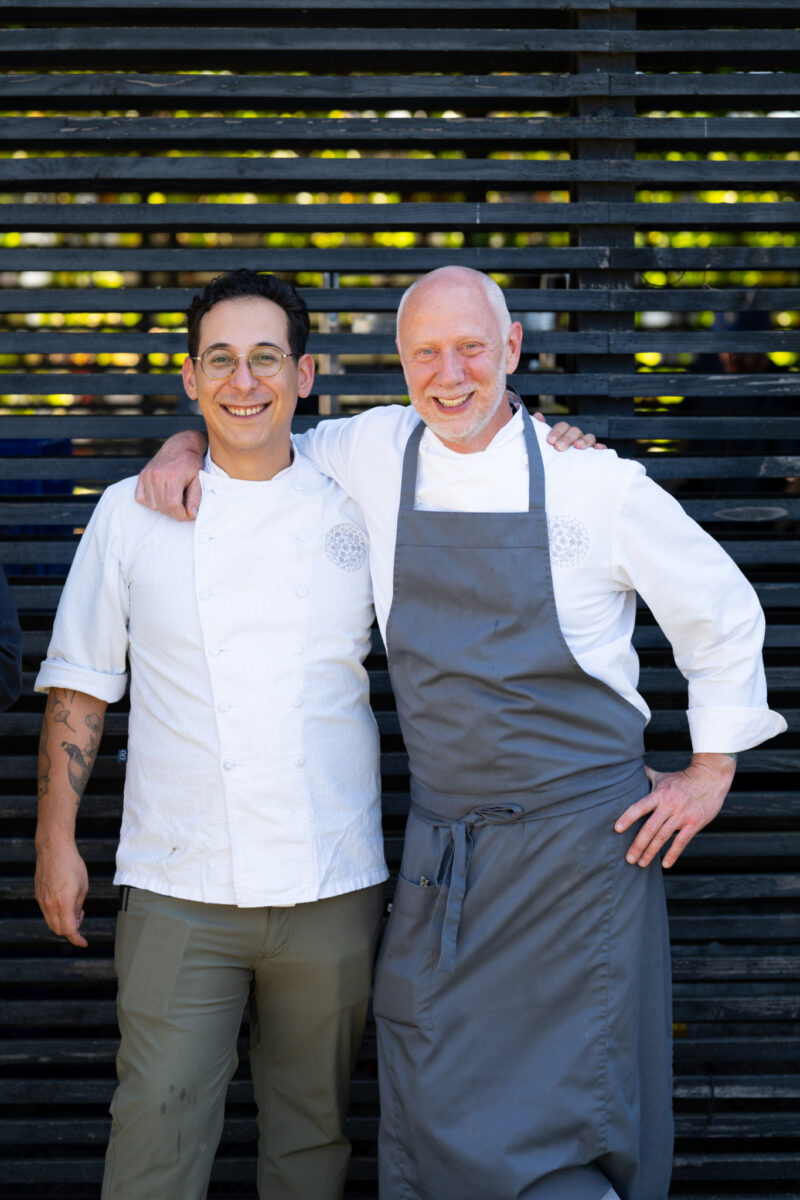
For the evening service, the SingleThread team joined forces with Chef Brian Limoges of Sonoma County’s newly minted three-Michelin-starred restaurant Enclos. Together, they presented an extraordinary 10-course collaborative menu directly inspired by the farms, producers, and surrounding landscapes of Northern California. The dinner served as a dual celebration of Enclos’s recent culinary milestone while reflecting a shared, unwavering commitment to seasonality, sustainable practices, and a profound sense of regional identity. Shaped entirely by the bounty of the autumn harvest, the meal brought the day’s extensive dialogues surrounding food, craft, and community into a cohesive, delicious reality.
Reflecting on the inspiring visit, it felt impossible to depart SingleThread without acquiring a donabe of one’s own. Captivated during the morning workshop by the Ibushi Gin smoker, but guided carefully by the expertise of the resident chefs, attendees browsed the Farm Store and ultimately selected a Mushi Nabe steaming donabe crafted by Nagatani-en. Featuring a practical, removable steaming grate designed for gently cooking both vegetables and proteins, it felt like the ideal vessel for gathering around the table at home with family and close friends.
A turn of the heavy pot reveals another dimension of its distinct craftsmanship: the unglazed underside of an authentic Iga pot remains wonderfully rough and pockmarked, a direct physical manifestation of the porous clay responsible for its superior heat retention properties. Before its inaugural cooking duty, the pot received a traditional welcome in the form of a simple rice porridge, simmered slowly to season the clay and prepare it for a long lifetime of culinary service.
Now resting quietly on a kitchen counter, the new vessel awaits the moment it can fill a home with rich aromas and lingering atmosphere. While Southern California weather often keeps the reality of autumn at bay, the arrival of November’s evening chill means the newly acquired donabe will soon be called upon to transform an ordinary supper into a slow, deliberate ritual of gathering.