





The Aesthetic Period of Victorian jewelry emerged not merely as a shift in fashion, but as a profound cultural reaction against the heavy, mechanized conventions of the past. As Victorians grew increasingly disillusioned with the rigid furnishings and ornate fashions of mid-century industrialization, society began searching for a way out of historical constraints. This movement toward a refined, artistic sensibility found champions across Britain and Europe, setting the stage for a dramatic transformation in how women dressed, accessorized, and presented themselves to the world.
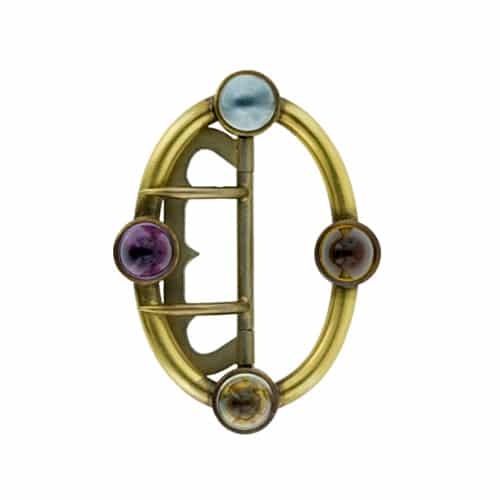
At the forefront of this philosophical shift was William Morris, who fought tirelessly to keep the organic spirit of the Middle Ages alive amidst the relentless march of the industrial revolution. Inspired by Morris’s vision, a collective of dedicated craftsmen formed the Art Workers’ Guild in 1884. Shortly after, in 1886, a cohort of visionary artists established the Arts and Crafts Exhibition Society. Together, these groups set out to captivate the public with handcrafted, thoughtful design that elevated artistic integrity above mass production.
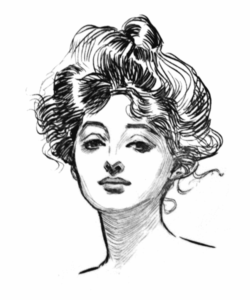
This new artistic freedom paralleled a revolutionary change in the status and portrayal of women. In 1890, artist Charles Dan Gibson introduced the world to his iconic drawings of the "Gibson Girl," capturing a cultural archetype that felt entirely fresh. The Gibson Girl was independent, fun-loving, self-aware, and self-assured. To achieve this modern coiffure, essential accessories included hair combs carved from tortoiseshell and embellished with gemstones. As women embraced newfound freedom through sporting activities such as bicycling and golf, their wardrobes underwent dramatic, functional adjustments. Long chains, designed to keep hands free, held practical items like coin purses, watches, and lorgnettes. For women taking long, solitary rides, whistle bracelets became an absolute must-have accessory, allowing them to summon help from a two-mile radius should the need arise.
Simultaneously, women were stepping boldly into the business and political spheres. They established the Primrose League in 1885 and the Women’s Liberal Federation in 1886, campaigning fiercely for suffrage. Young women flooded college campuses, taking an active interest in sports and leisure. Fashionable women sought to project an aura of modernity and worldly sophistication—embracing the fin de siècle spirit with an air of playful independence.
Despite these emerging daily necessities, women generally wore far less jewelry overall, keeping daytime adornment minimal. Diamonds, in particular, were considered to be in poor taste during daylight hours. By 1890, the Jewellers’ Association grew deeply concerned that women were abandoning jewelry altogether and formally appealed to the Princess of Wales for assistance. While the Princess graciously purchased several pieces and attempted to set a standard, true displays of jewels remained largely confined to grand dress balls and the opera.
International Exhibitions and the Shift Toward Delicacy
Throughout the 19th century, international exhibitions played a pivotal role in introducing the public to innovations spanning both art and industry. Celebrating the 400th anniversary of the discovery of America, Chicago hosted the monumental 1893 Colombian Exposition, where the undisputed highlight was electricity. Visitors stood awestruck before fabulous, illuminated displays crafted by America’s premier designers, including Tiffany and Gorham. Case after case of Victorian chains, rings, bracelets, earrings, and watches met with overwhelming public enthusiasm.
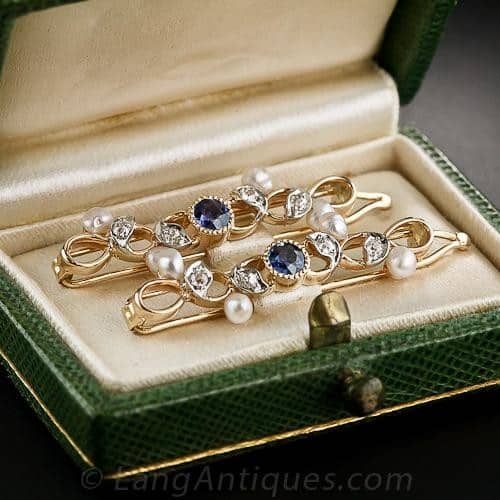
Crucially, this jewelry was significantly lighter and on a smaller scale than the heavy adornments of previous decades. Weighty Victorian brooches gave way to smaller pins scattered playfully across the bodice of a dress, while diamond brooches were frequently pinned into the hair for evening wear. Small stud earrings also became highly desirable as contemporary hairstyles exposed the ears.
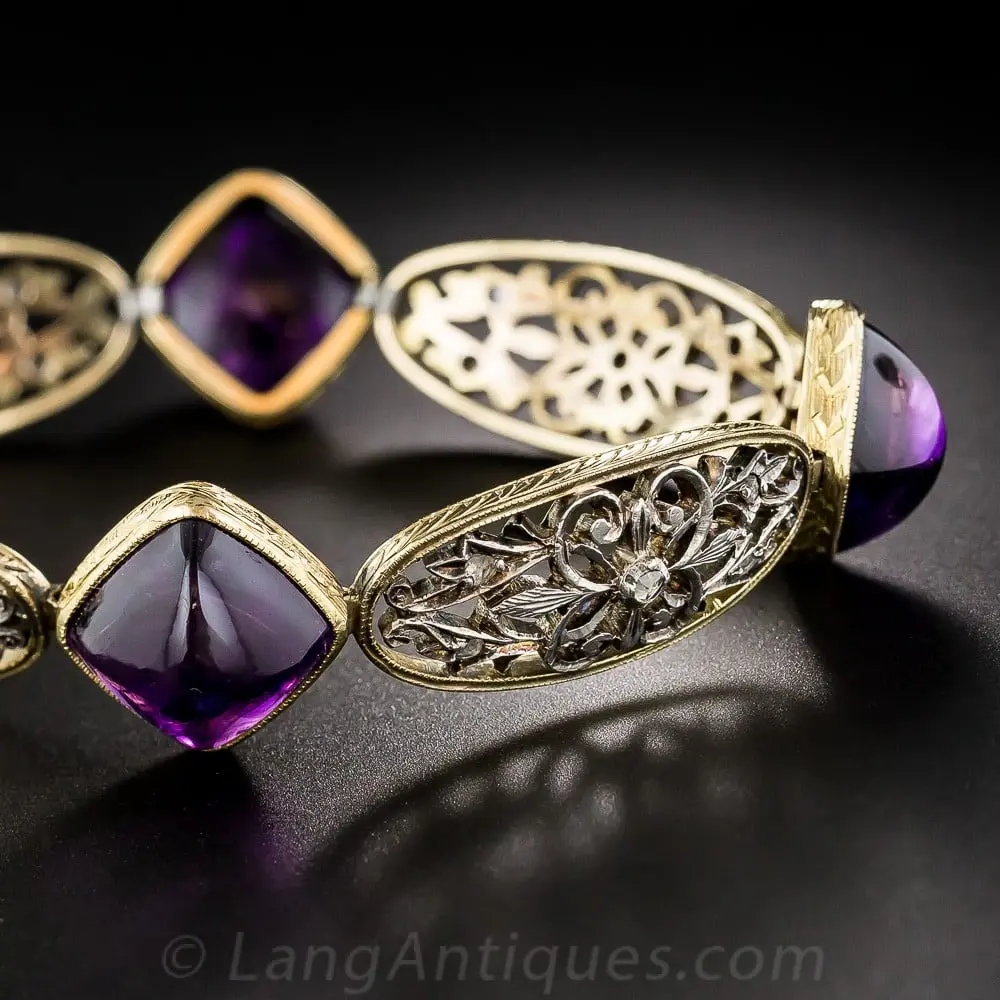
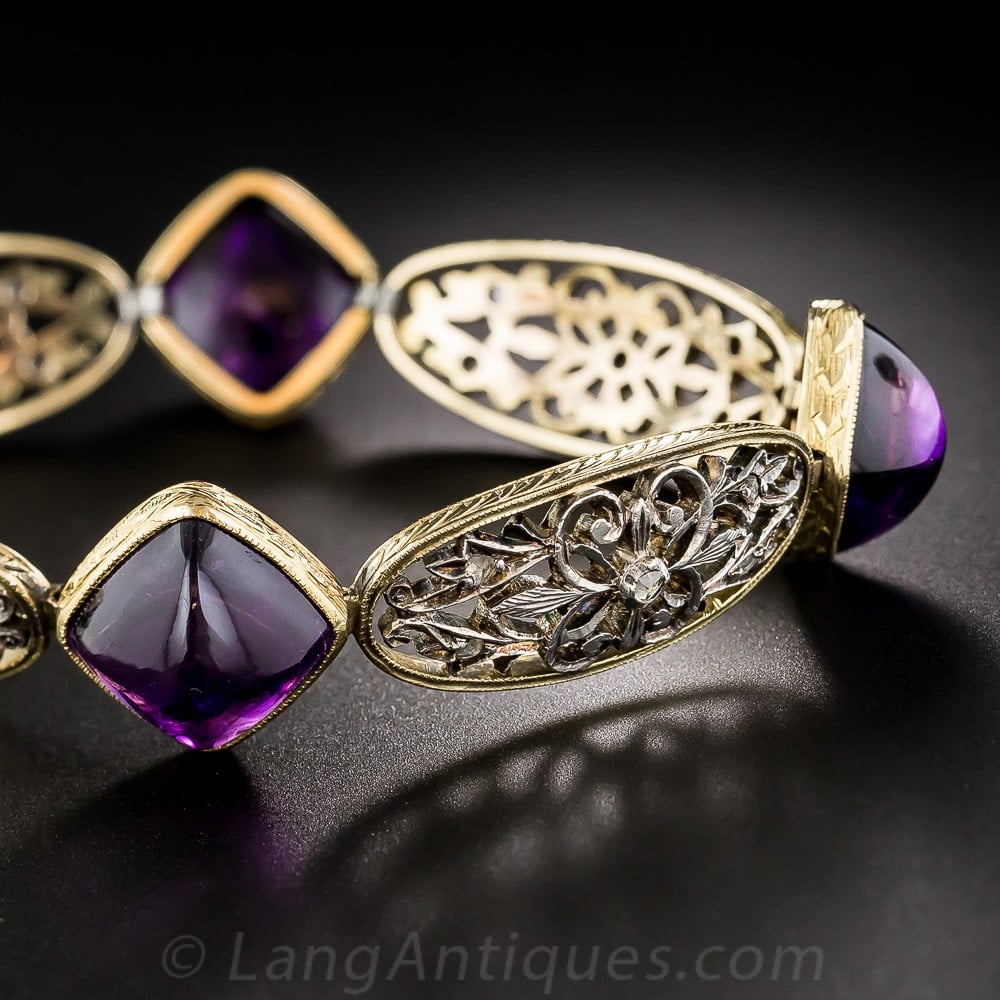
A new generation of jewelry designers felt outright appalled by the blatant copying of historic jewels and the heavy-handed creations of their predecessors. Eager to break completely with imitative traditions, they championed soft curves, natural shapes, and delicate coloring. Gemstones were increasingly cut en cabochon, with a marked preference for amethysts, emeralds, and opals. C.R. Ashbee, a prominent leader in the Arts and Crafts movement, epitomized this philosophy. Believing that jewelry should be valued for its intrinsic beauty rather than its material wealth, Ashbee utilized pink topaz and amethyst set against dull silver or gray gold, a trend quickly adopted by fellow artisans.

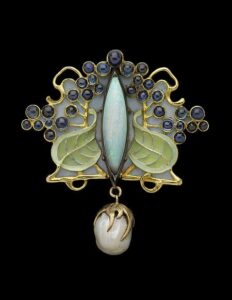
Meanwhile, the Art Nouveau style was flourishing in France. René Lalique pioneered an entirely univative style featuring feminine heads with long, waving hair, soft-colored stones, simple floral motifs, and delicate enamels. He infused fantasy and originality into his work, and in England, his creations were celebrated as the ultimate culmination of the modern aesthetic. This made Lalique’s style an instant success among the "new" Victorians.
Even as avant-garde styles gained traction, a more conventional type of jewelry remained popular, albeit transformed by a simpler look centered around a featured gemstone. Jewelers specialized in offering carefully curated selections of precious stones. Diamonds remained the top choice for special occasions, with diamond rivières, tiaras, and bracelets set in silver-topped gold dominating elite circles. These pieces featured airy, delicate settings that minimized visible metal. Gold standards also evolved; from the mid-1850s through the early 1930s, 12K gold—often rendered in a textured bloomed style—enjoyed widespread popularity. By the late 1880s, manufacturing advancements made platinum a viable option, quickly turning it into a favorite mounting for diamonds. Later, near the end of the century, the Boer War temporarily cut off the supply of South African diamonds, allowing alternative gems to regain some of their historical popularity.
Novelty Design and Cultural Inspirations
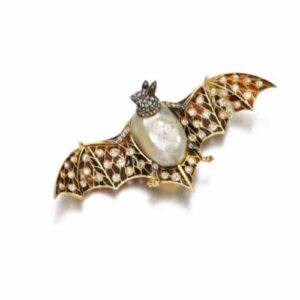
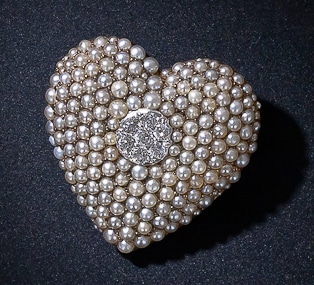
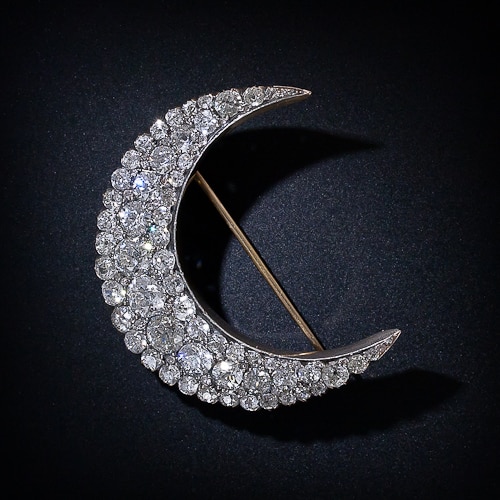
The era also saw a boom in novelty and sentimental jewelry. Lace pins—short bar pins featuring a small design on top—along with bar brooches and delicate pendant necklaces, captured the public imagination. They were decorated with popular motifs like shamrocks, dimensional stars, knots, and hearts. Some pieces were diminutive to the point of invisibility, yet their novelty made them immensely charming. The "honeymoon" brooch, depicting a bee perched on a crescent moon, became a particular favorite alongside playful animal motifs such as diamond chickens, jeweled lizards, frogs, and owls.

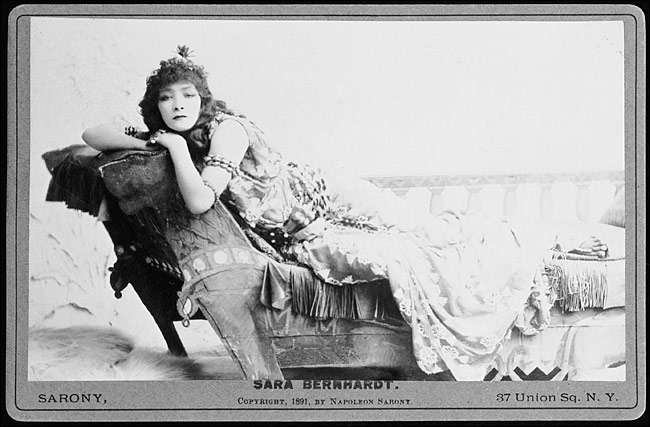
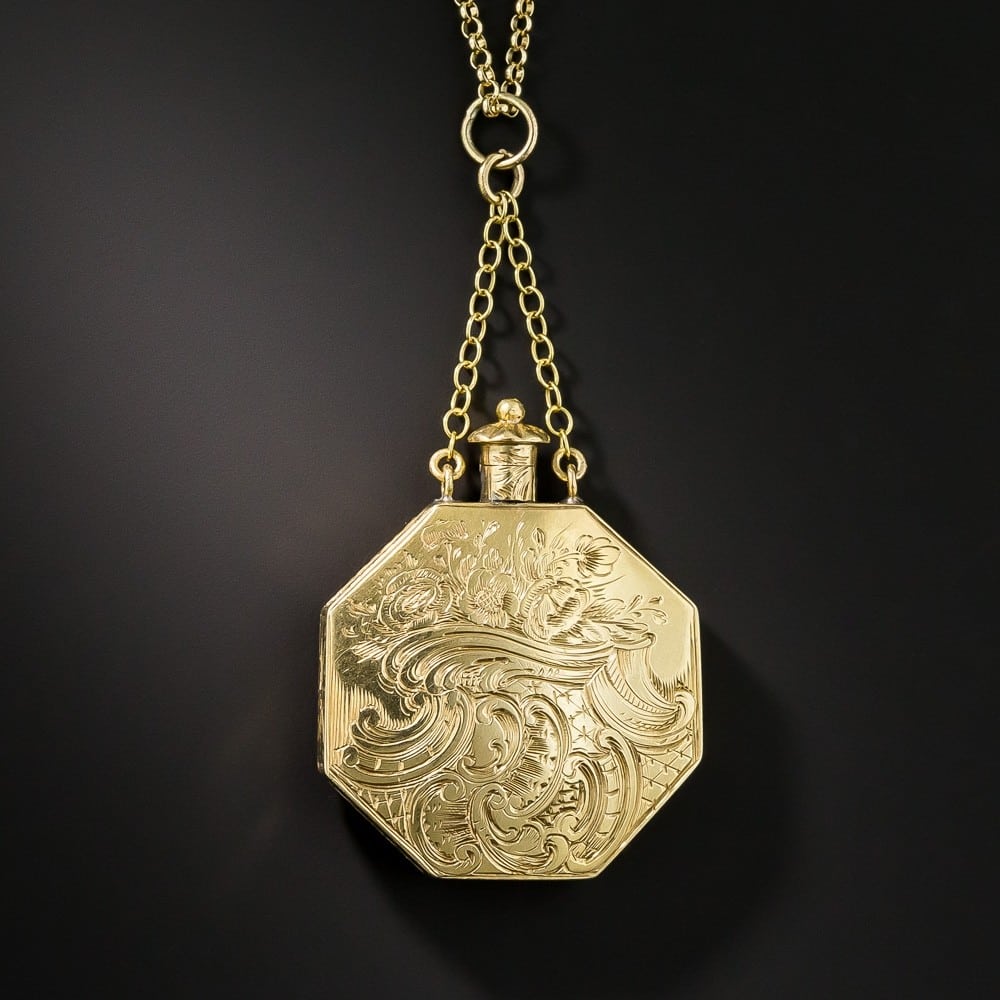
Those seeking fresh aesthetic inspiration drew from diverse cultural touchstones. When actress Sarah Bernhardt starred in Cléopâtre in 1891, she wore Egyptian-motif jewelry featuring turquoise set in silver. Her immense popularity sparked an immediate worldwide revival of Egyptian-styled adornments. Similarly, Indian jewelry gained immense traction following eye-catching displays at the Exhibition of 1886. Rather than copying these pieces as they had previously done with Greek and Etruscan works, English jewelers appreciated the handmade, asymmetrical, and imprecise nature of Indian designs. A striking upcycling trend also emerged between 1885 and 1889, wherein hand-pierced escapement covers—originally crafted in the 17th and 18th centuries to protect watch balance wheels—were repurposed into unique earrings, bracelets, and pendants.
The End of an Era
The extended British Royal Family maintained an undeniable influence over global fashion. The signature dog-collar necklaces and layered pearl ropes worn by the Princess of Wales were emulated across continents. Following the death of Queen Victoria in 1901, King Edward VII and Queen Alexandra continued to guide the trajectory of style, carrying the spirit of elegance into the dawn of a new century.