





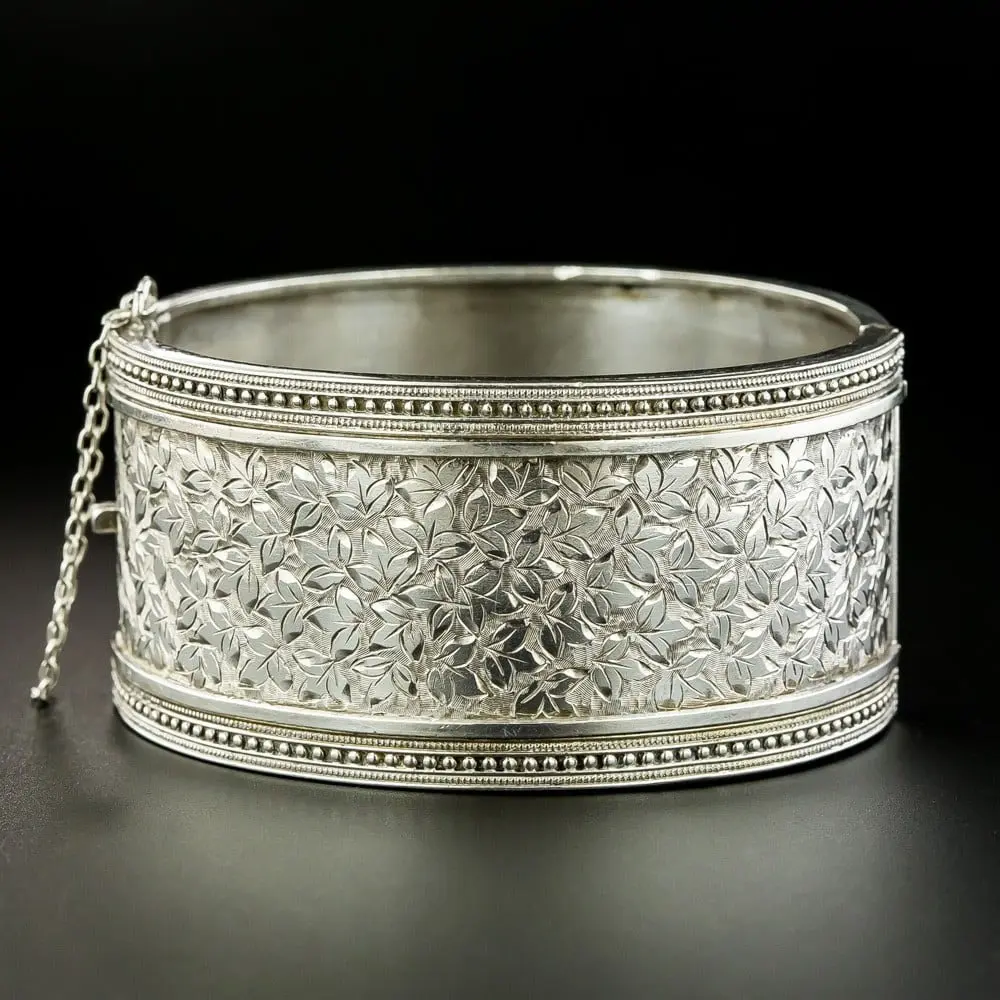
Silver, the brilliant white metallic element designated by the symbol Ag on the Periodic Table, has occupied a central role in human civilization for millennia. Harder than gold yet softer than copper, silver stands second only to gold in its extraordinary malleability and ductility. Because of its exceptional resistance to oxidation, it is classified among the noble metals. Furthermore, silver boasts unmatched thermal and electrical conductivity, qualities that have made it indispensable not only in the decorative arts and jewelry production, but also in the advancement of global technology and industry.
While modern markets often price silver well below gold and platinum, leading casual observers to underestimate its historical weight, such an assumption overlooks the profound impact the metal has had on human history. At various points in antiquity, silver was valued far more highly than gold. When evaluated by the sheer quantities utilized in jewelry and decorative objects, silver outweighs all other precious metals by a wide margin. Moreover, the pursuit of silver deposits triggered far more technological advances in mining and metallurgy than its precious metallic counterparts. Entire economies have risen and fallen on the availability of silver, and access to its rich veins has frequently shifted the tides of war and altered the course of history.
Bronze Age Beginnings: Mesopotamia, Egypt, and the Aegean
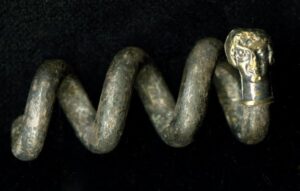
The story of silver extraction begins near the end of the fourth millennium BCE, when ancient innovators in modern-day Turkey discovered a method to extract silver from lead ores through a process known as cupellation. Although surviving artifacts from this nascent period are exceptionally rare, those that remain offer a fascinating glimpse into the capabilities of Bronze Age silversmiths.
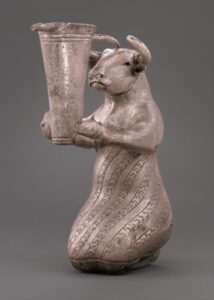
At the dawn of written history, silver served as a standard medium of exchange in Mesopotamia. Rather than circulating in the form of standardized coins, the metal was traded by weight or fashioned into simple rings. The workshops of Mesopotamian silversmiths closely mirrored those of goldsmiths, and the two crafts were frequently practiced by the same artisans. Although silver is slightly less ductile than gold and demands more frequent annealing during the manufacturing process, it can be cast, hammered into ultra-thin sheets, engraved, embossed, and decorated with intricate repoussé work, filigree, and granulation. Archaeological excavations have uncovered delicate vessels, statuettes, and jewelry pieces crafted from high-purity silver, resulting in items of remarkable softness.
In ancient Egypt, where society deeply cherished the rare and exotic, silver was initially viewed as an elite, highly exclusive commodity. While gold was readily available closer to home within the mountains of the Eastern Desert and Nubia, pure silver had to be imported along arduous trade routes that also brought prized Afghan lapis lazuli to the Nile Valley. Consequently, silver was initially valued more highly than gold and reserved exclusively for the highest strata of society.
By approximately 1600 BCE, however, the global supply of silver had expanded considerably, causing its market value to drop to roughly half that of gold. By this era, it functioned as an abstract currency of relatively constant value. The popularity of silver in Egyptian burial customs fluctuated wildly according to fashion; while the tomb of King Tutankhamun contained scarcely any silver artifacts, later pharaohs such as Sheshonq II were laid to rest in magnificent all-silver sarcophagi.
Across the Aegean and the Mediterranean, the Minoans and Mycenaeans engaged in extensive maritime trade, bringing them into frequent contact with silver resources. Archaeological sites throughout mainland Greece, Crete, and Cyprus have yielded considerable collections of early Greek silver ornaments. Meanwhile, the Phoenicians played a transformative role in Mediterranean civilization through their far-flung colonization and trade networks. By initiating the large-scale exploitation of Spanish silver deposits and distributing the metal throughout the classical world, the Phoenicians pulled silver out of its exclusive, exotic category, making its availability soar to unprecedented heights.
Classical Antiquity and Roman Splendor
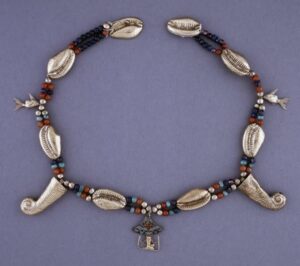
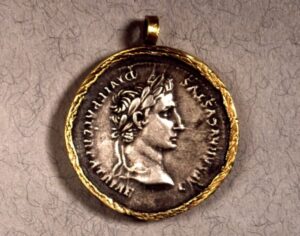
For both Greek and Roman societies, a steady supply of silver was vital for economic survival, as their monetary systems depended entirely on properly minted silver coinage. While surviving artifacts suggest that gold was more commonly employed for elite jewelry—partially due to the high rates of remelting and recycling over the centuries—surviving classical silver includes finger rings, anklets, and armlets.
The Romans developed a particular fondness for niello, a surface decoration technique closely resembling enameling but executed with silver sulfate rather than glass. Niello produced a much tougher finish with a distinctive metallic luster rather than a vitreous one. As Roman legions marched across Europe, the technique spread throughout the continent, leaving a distinct mark on Anglo-Saxon artifacts in Britain and various finds across Eastern Europe.
The writings of Pliny the Elder in his monumental Naturalis Historia provide a vivid, albeit often skeptical, window into Roman attitudes toward silver. Pliny documented the deep shafts sunk into the earth to extract silver ore, noting that unlike gold, silver offered no sparkling surface indications to signal its presence. He detailed the immense operations of Spanish mines originally opened by Hannibal, such as the Bæbelo mine, which reportedly yielded three hundred pounds of silver per day while requiring teams of water-bearers to labor day and night under torchlight.
Pliny also recorded the various methods Romans used to test silver quality, noting that superior metal would remain stark white when placed upon a white-hot iron fire-shovel, whereas inferior metal turned reddish and worthless silver turned black. He lamented the sweeping evolution of Roman luxury, observing how elite consumption expanded from modest silver plate to lavish sideboards, silver-plated banqueting couches, and even carriages trimmed with chased silver, contrasting sharply with the frugality of earlier Roman generals who owned virtually no silver at all.
Celtic and Medieval Innovations
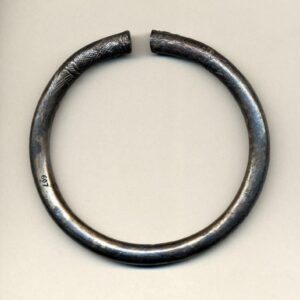
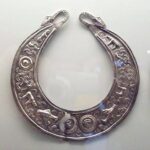
To the Celtic tribes of Europe, silver and bronze were the primary materials for personal adornment. Elaborate brooches, heavy torcs, and crescent-shaped lunulae represented the height of craftsmanship. Prior to Roman incursions, the Celts relied on "ring money"—standardized rings of silver, copper, bronze, or gold used strictly as a circulating currency rather than for wear.
With the collapse of Roman trade routes and the subsequent scarcity of gold across Europe, silver emerged as the premier metal for jewelry production. Germanic jewelry during the migration period focused heavily on functional items such as fibulae, disc brooches, penannular brooches, and belt buckles, frequently fashioned from silver, gilded, or inlaid with gemstones, with red garnets being overwhelmingly popular.
From the ninth century onward, Viking raids and conquests along the northwestern European coasts funneled enormous quantities of silver into Scandinavia, where local silversmiths developed sophisticated traditions. The subsequent discovery of rich Swedish silver deposits around the turn of the first millennium further cemented silver as the dominant medium of personal adornment. The Roman affinity for niello was readily adopted by Germanic tribes, who utilized the stark black-and-white contrast to highlight intricate, interlaced engraving patterns.
A supreme masterpiece of this era is the Fuller Brooch, an Anglo-Saxon circular silver brooch from the ninth century housed in the British Museum. Crafted from hammered sheet metal with a slightly convex profile, the brooch is extensively inlaid with niello. Its complex decorative scheme features personifications of the Five Senses arranged in a central roundel surrounded by an openwork outer zone of geometric animal and human motifs symbolizing aspects of Creation.
As medieval society evolved and eastern trade routes reopened, gold regained its traditional status as the preferred metal for fine jewelry among the ruling elite. Nevertheless, expanding commerce fostered the rise of a prosperous middle class whose members sought adornments previously restricted to monarchs. For those on a more modest budget, silver jewelry offered an accessible and attractive alternative. The versatility of silver designs expanded beyond purely functional items into decorative and symbolic pieces, including finger rings, bangles, and pendants. By the close of the Middle Ages, the trade in silver items became strictly regulated through the establishment of formal assaying and hallmarking systems.
The Renaissance, Baroque, and Georgian Eras
The Renaissance witnessed a massive revival in European art and commerce, spurred by the recovery of populations following the plague and the expansion of trade centers in northern coastal regions like the Netherlands. Following the European age of exploration and the Spanish conquests in the New World, vast quantities of silver began flowing across the Atlantic. Significant discoveries of silver deposits in Mexico from 1546 onward ensured a steady supply of the metal for both European markets and international trade. While silver-working techniques remained largely rooted in medieval traditions, the sheer abundance of the metal allowed it to maintain its dual role as a vital currency and an affordable precious medium.
During the Baroque period of the seventeenth century, South American silver continued to pour into European ports. While traditional manufacturing techniques persisted, new trends emerged, such as the proliferation of portable timepieces frequently housed in silver cases. Most notably, silver began to be utilized to set diamonds. The bright white metal perfectly complemented the lack of color in diamonds, which were now arriving in greater numbers from newly established trade outposts on the Indian peninsula, bypassing traditional middlemen.
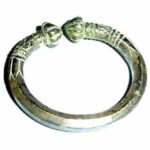
This practice reached its zenith during the Georgian era, as diamond imports surged from both India and newly discovered deposits in Brazil starting in 1727. While fine jewelry was frequently crafted from gold with silver-topped front faces, items composed entirely of silver remained common. The characteristic cut-down collet settings of Georgian jewelry were almost universally cast in silver to enhance the brilliance of the stones.
Furthermore, the introduction of die-striking in 1777 revolutionized jewelry production. By utilizing mechanical presses and drop hammers to stamp and cut precious metal components that were subsequently assembled by hand, manufacturers could produce inexpensive, mass-market jewelry lines. Because silver was readily available in large quantities, vast amounts of die-struck silver jewelry flooded commercial markets.
Victorian Industrialization and the Arts and Crafts Movement
The Industrial Revolution of the Victorian era brought profound changes to manufacturing, heavily impacting the jewelry sector. Silver was widely utilized in advanced stamping and die-striking operations that had been perfected since the late Georgian period. Following Queen Victoria and Prince Albert’s acquisition of Balmoral Castle in 1848, Scottish agate jewelry set in silver became an international trend deeply rooted in Northern European traditions.
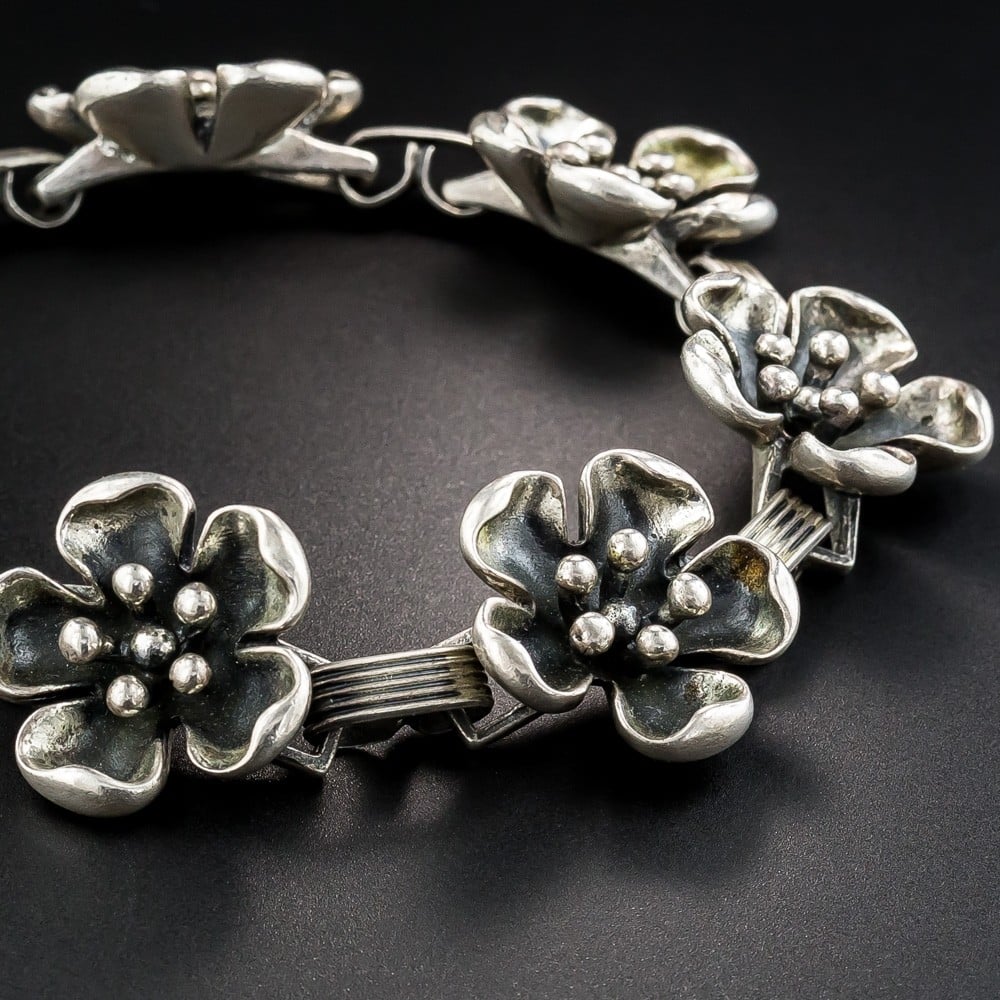
Toward the end of the Victorian period, the Arts and Crafts movement emerged as a direct ideological reaction against the mass industrialization of jewelry. Artisans of this movement prioritized hand-crafted design and artistic integrity over the intrinsic monetary value of metals and gemstones. Consequently, they favored silver over gold and preferred bezel-set cabochon stones over highly faceted gems, cementing silver’s artistic revival at the close of the nineteenth century and reinforcing its enduring, historical place in human culture.