






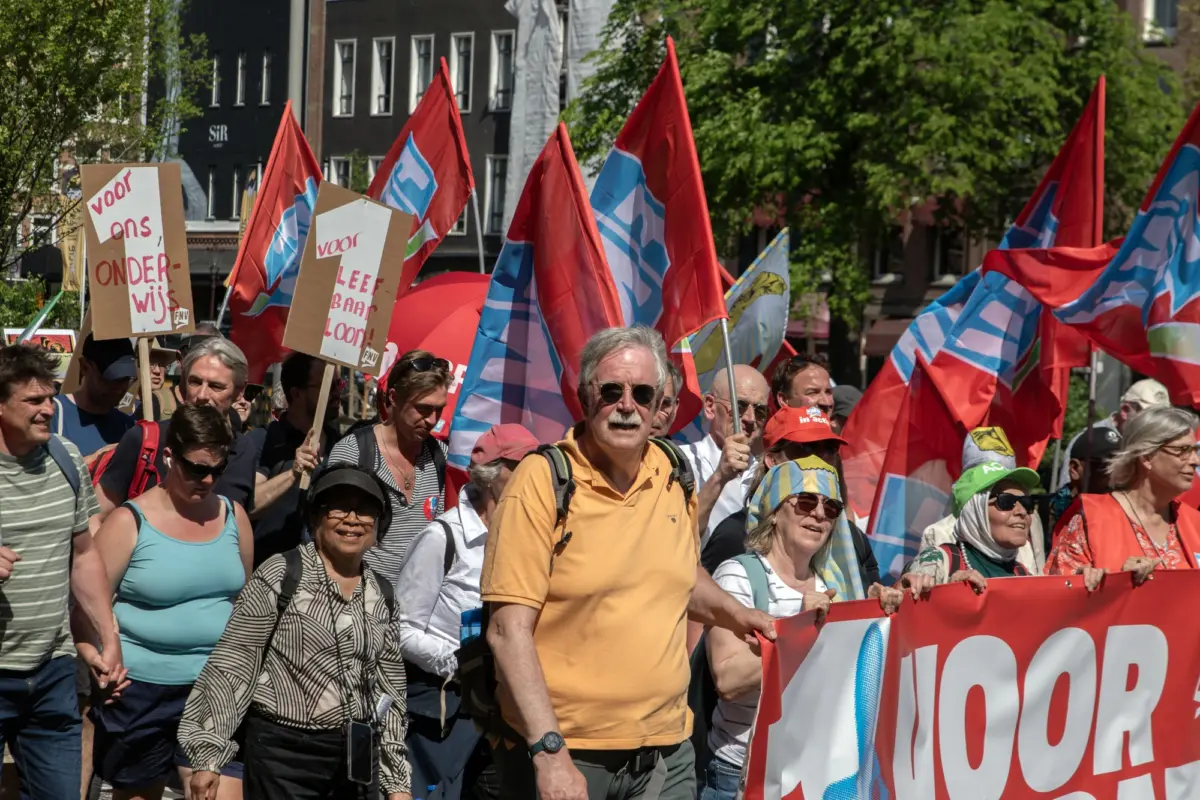
Regional bus services throughout the Netherlands face severe disruptions on Wednesday as trade unions FNV and CNV proceed with a coordinated nationwide 24-hour strike. The sweeping industrial action follows the complete breakdown of negotiations over a new collective labor agreement, setting the stage for what could become a prolonged period of transportation chaos for commuters, students, and travelers across the country.
The dispute centers on a public transport collective agreement that officially expired on July 1. Approximately 13,000 workers—predominantly bus drivers—are covered by this framework and are directly involved in the labor dispute. The strike impacts regional operations run by major transport companies including Arriva, EBS, Qbuzz, Keolis, Transdev, and the regional services operated by RET. However, municipal public transport networks in the major metropolitan areas of Amsterdam, Rotterdam, and The Hague remain unaffected, as their staff operate under separate municipal and urban transport agreements.
The nationwide stoppage comes after eight rounds of intensive negotiations between union representatives and the employers’ organization VWOV failed to yield a compromise. Tensions reached a boiling point earlier this week when a final ultimatum issued by the unions to the employers’ association expired without receiving any substantive response. With dialogue stalled and positions entrenched, union leaders concluded that industrial action was the only remaining avenue to protect the rights and livelihoods of transport workers.
Marijn van der Gaag, a negotiator for the FNV union, sharply criticized the stance taken by transport operators in a formal statement detailing the breakdown of talks. Employers are holding on to drastic cuts in working conditions, Van der Gaag said, adding that in doing so, they are effectively forcing their staff to take action. According to the unions, the concessions demanded by management go far beyond standard cost-cutting measures and threaten the basic stability and health of transit workers.
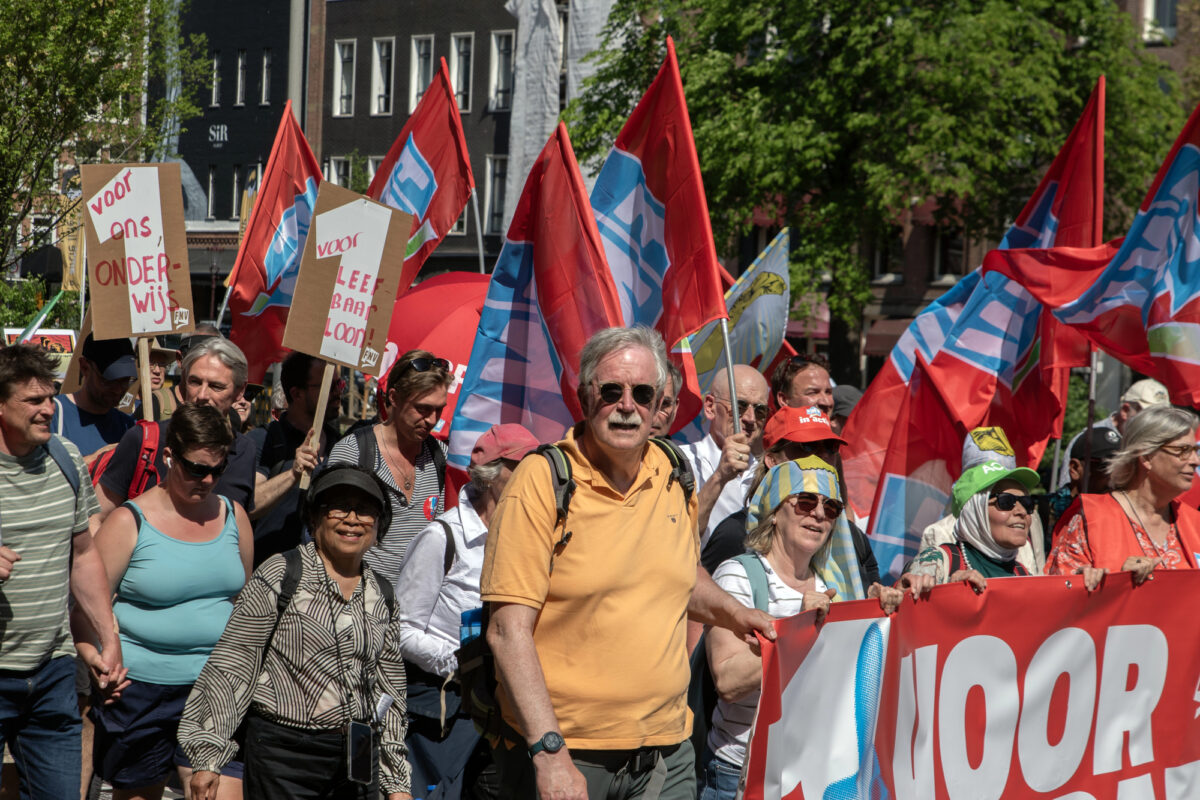
Among the most contentious issues on the bargaining table are proposed reductions to sick pay, the introduction of additional unpaid breaks during shifts, and a significant reduction in employee autonomy regarding work schedules. At present, driver rosters are typically finalized and communicated about eight days in advance, providing workers with a modest window to plan their personal lives. Employers, however, are pushing to slash that notice period to four days or less, a move the unions argue will make predictable work-life balance virtually impossible for drivers who already navigate irregular and demanding hours.
The financial demands of the workforce are similarly a major sticking point in the negotiations. The FNV is pressing for a baseline 6% pay rise to help members cope with ongoing economic pressures and inflation. Meanwhile, the CNV is advocating for a more comprehensive package, calling for a 9.5% wage increase spread over a two-year period, alongside improved provisions and protections for older workers and accelerated pathways to permanent employment contracts for junior and temporary staff.
Union leadership has made it clear that Wednesday’s 24-hour strike is merely the opening salvo in a broader campaign if employers refuse to return to the negotiating table with revised proposals. Should Wednesday’s action fail to shift the employers’ position, the unions intend to escalate their strategy by holding a recurring action day every week. To maximize the impact of these future disruptions and prevent transport companies from mitigating the effects, the unions have announced that they will not publish strike dates in advance, keeping the exact timing under wraps until shortly before each action takes place.
This tactical decision is designed to counter the contingency planning of transport executives. Niels Rook, a negotiator for the CNV, explained the rationale behind the deliberate withholding of future strike schedules. We will not let employers sabotage the action by drawing up emergency rosters at the last minute, Rook stated, emphasizing the determination of the workforce to maintain pressure on management until their demands for fair pay and stable working conditions are met.
As Wednesday unfolds, millions of commuters dependent on regional bus networks will need to seek alternative transportation arrangements, while employers and union representatives remain locked in a high-stakes standoff with the pre-Christmas travel season looming on the horizon.