




The human body serves as both the starting point and the ultimate testing ground for Lucy McRae’s speculative art and design practice. Spanning sculpture, film, conceptual fashion, and experimental design, the British-born Australian artist explores how emerging technologies might fundamentally alter the ways we inhabit our physical selves and relate to one another. Rather than treating technology as an external accessory, McRae’s work treats the human body as a living medium through which possible futures can be physically experienced, questioned, and understood.
At the core of this approach is Future Sensitive, an art-led speculative lab directed by McRae that brings together scientists, artists, and designers to examine body futurism and post-nature futures. McRae’s deep-seated interest in these themes developed through a unique multidisciplinary trajectory that bridges physical training, architectural research, and technological experimentation. After completing her studies in interior design at RMIT, she stepped into the role of leading a far-future design research lab at Philips from 2006 to 2010. During this formative tenure, she worked on pioneering wearable technologies, including emotional-sensing dresses and electronic tattoos.
That early corporate experience planted the seed for a recurring question that continues to drive her independent practice today: what happens when technology becomes completely inseparable from the living body?
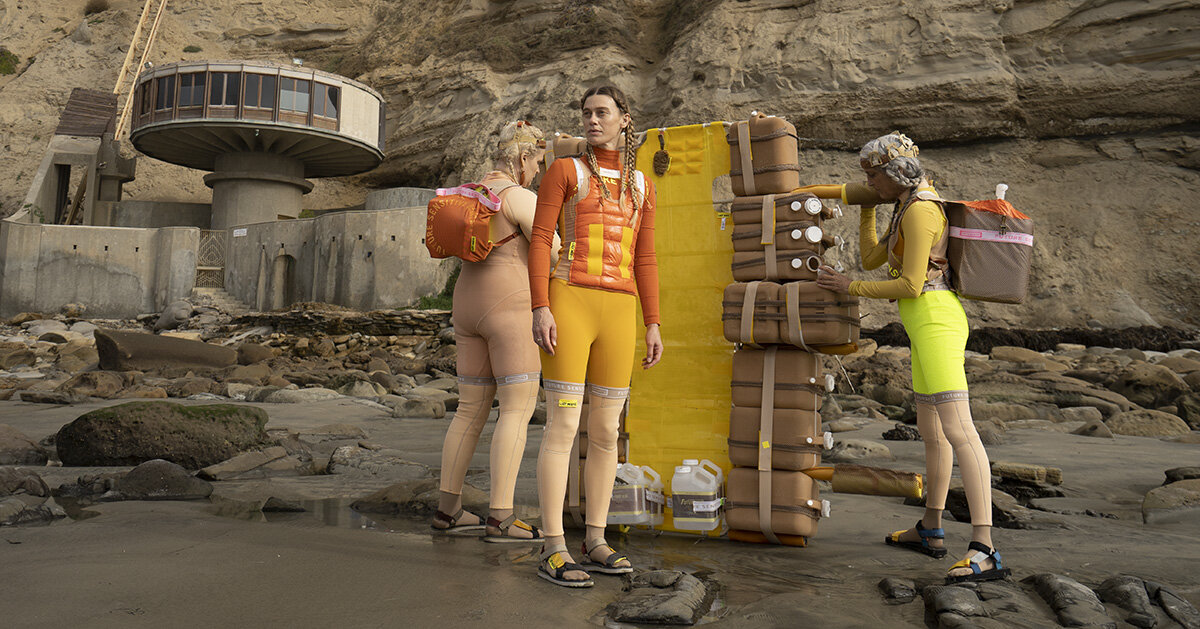
"I’ve been investigating complex science for two decades. We can’t un-invent technology, and it all lands on the body," McRae shares in an interview with designboom. "The body has been my canvas, tool, and medium."
From Speculative Technology to Lived Experience
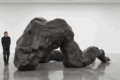
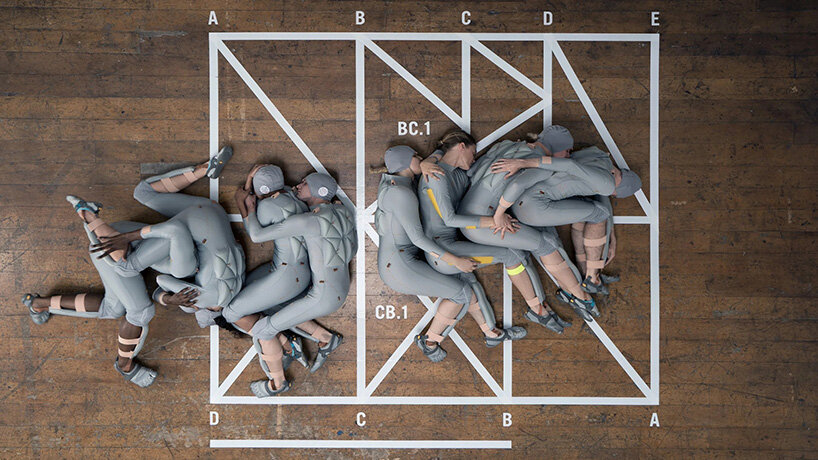
For McRae, grounding abstract or complex technologies in the physical human form is a deliberate strategy to make future innovations tangible and legible to the public. This philosophy heavily informed her work on Compression Cradle, a prominent project presented at the 2019 Milan Triennale exhibition Broken Nature, which was curated by the acclaimed Italian author and critic Paola Antonelli. The conceptual weight and visceral imagery of Compression Cradle later inspired visual references in Blade Runner 2099, for which McRae was tasked with designing a crèche and birth bags for replicants. This crossover demonstrates how ideas originating within experimental art spaces can ripple outward into major cinematic worldbuilding.
McRae’s speculative projects consistently probe the ambiguous boundary where the human body ends and technology begins. A striking example is Swallowable Parfum, developed in collaboration with synthetic biologist Sharef Mansy. In this project, McRae imagined a functional cosmetic pill that, once ingested, would interact with the body’s metabolism to cause the skin to secrete its own unique fragrance. Conceived and presented as a fictional high-end beauty commercial, the project unexpectedly crossed the line between fiction and market reality, attracting serious inquiries from international pharmaceutical brands.
"After leaving Philips I kept looking at technology through an art and worldbuilding lens. What happens when technology becomes the size of a blood cell, and we can eat it? I was also exploring pheromone excretion, and how the smell of our immune system is body odor. With Sharef Mansy, a synthetic biologist, we created Swallowable Parfum, a cosmetic pill that makes the body produce its own fragrance from the inside. We made it as a fictional beauty commercial, and it drew real responses from pharmaceutical brands. The fiction became a market signal," McRae explains. "So does the body become tech when we eat it? Maybe the better question is what far greater things could exist if technology is swallowable."
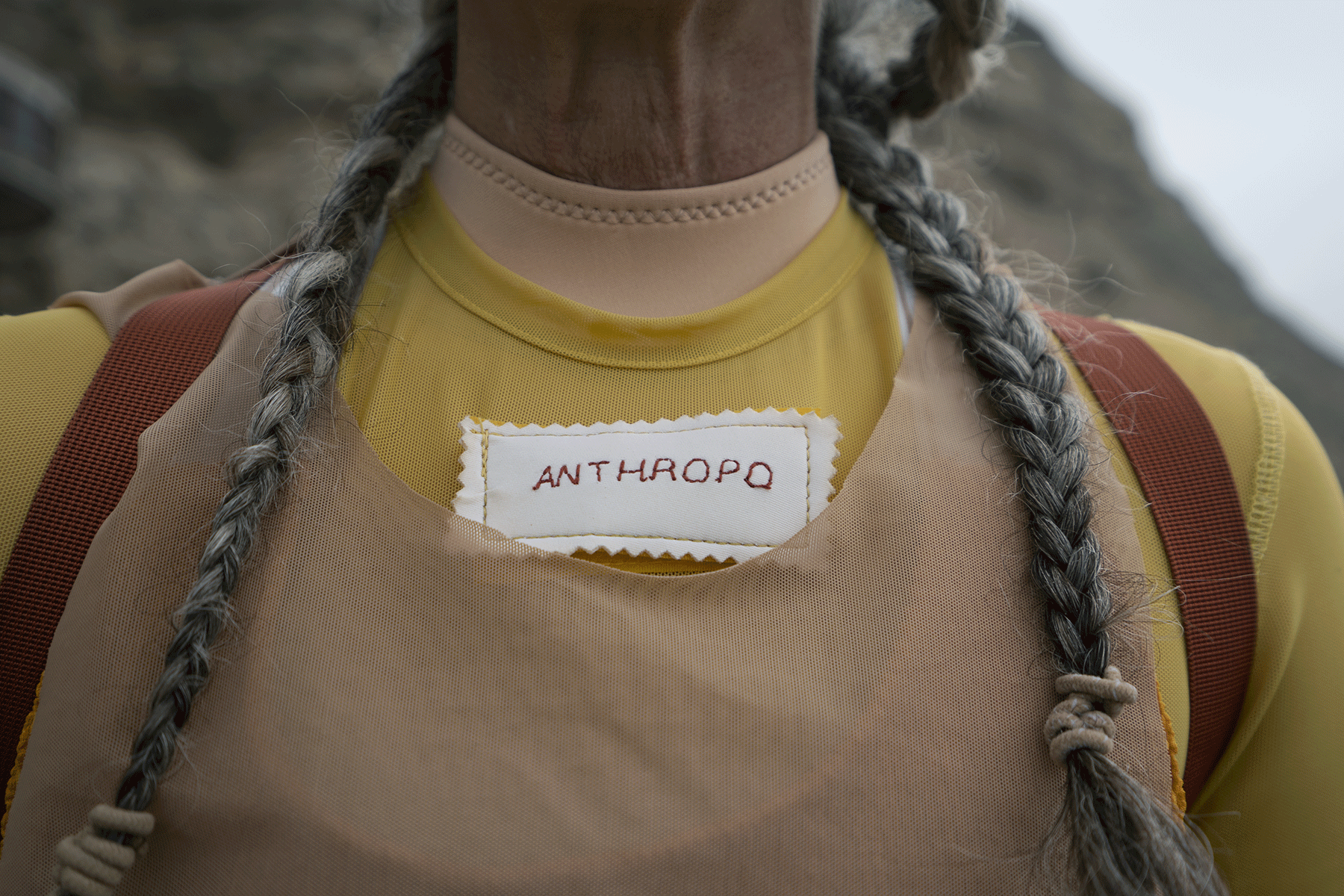
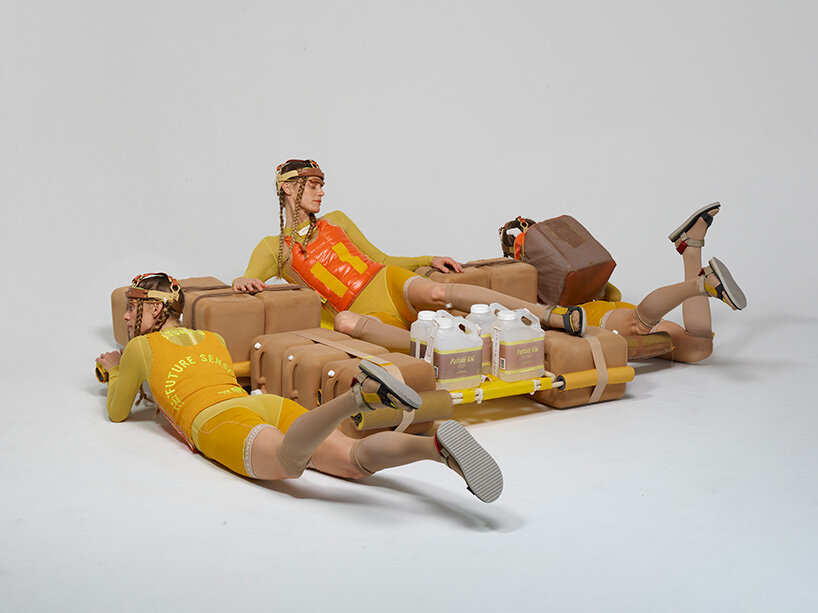
This forward-looking perspective directly shapes the artist’s approach to fashion and apparel. McRae has recently completed a new collection for Future Sensitive, drawing inspiration from cinematic costumes and sculptural artworks to craft garments intended for everyday wear. Slated to launch in Los Angeles in 2027, the collection investigates how clothing can actively communicate ideas about the future while shifting how wearers perceive and feel within their own skin.
Clothing as an Invisible Architecture
McRae’s foundational background in interior design heavily influences her understanding of wearable objects, viewing them as far more than traditional garments. Her creative curiosity focuses on the invisible relationships between entities: the dynamic between a room and a body, a machine and a building, or an individual and the immediate spatial atmosphere surrounding them. These spatial and psychological boundaries become fluid when clothing is recognized as a medium capable of altering not just physical appearance, but human perception and behavior.
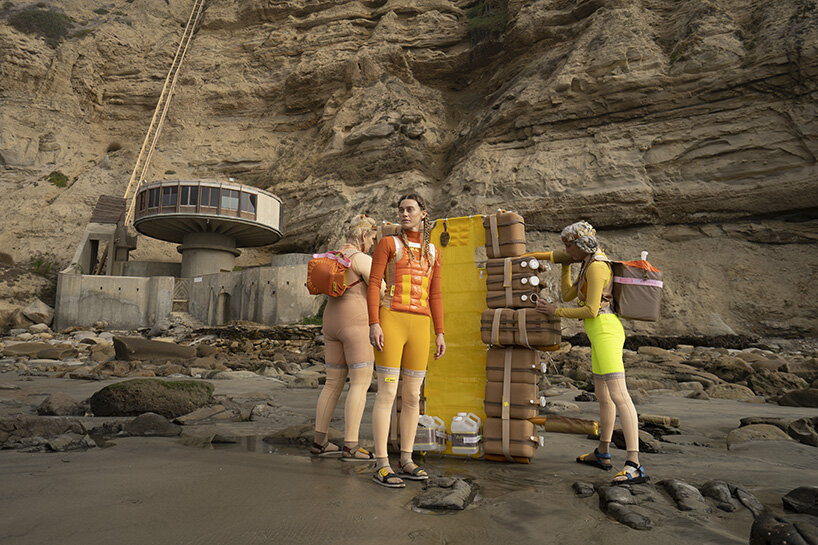
"I think objects we wear create architectures, but they’re invisible," McRae notes. "They’re fields of feeling, or of psyche."
The psychological impact of these garments can be subtle yet deeply consequential. Wearing a specialized, unconventional outfit can fundamentally alter how an individual carries themselves in public space or how they are interpreted by observers, generating a temporary social dynamic without requiring any physical construction. McRae is actively testing her forthcoming collection in public settings, utilizing clothing as a mechanism to project internal identities that might otherwise remain unexpressed.
"It says ‘I am cooler than you think,’ or really, ‘I am cooler than I think.’ It pumps up identity without words," she tells designboom.
McRae’s preoccupation with how clothing shapes internal confidence and external perception stems in part from her own personal history. Growing up, she recalls frequently feeling like an outsider and turning to making her own clothes as a strategy to fit in. This universal desire to belong remains a steady emotional undercurrent in her contemporary work, connecting high-concept speculation to deeply human vulnerabilities.
"The estrangement you sense might be a trace of that: a yearning, a trying, a squeezing into something. Wanting to belong is universal," she reflects.
Making Futures That Can Be Inhabited
As an artist working at the intersection of science fiction and physical design, McRae views her installations and projects as blueprints for evaluating plausible scenarios. By prioritizing the physical, sensory experience of a project, she makes its broader societal implications immediate and undeniable. A speculative future becomes truly persuasive only when audiences can mentally and physically imagine themselves inhabiting it, though that immersion should always invite critical dialogue.
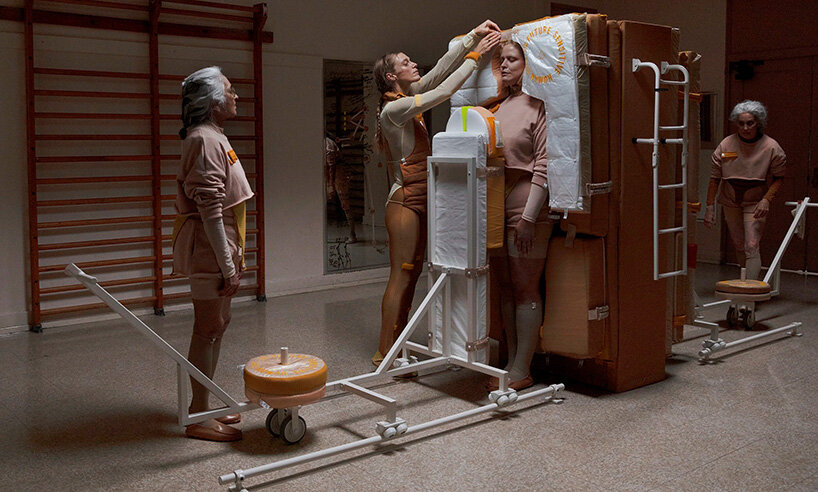
"Powerful stories are felt more when you can imagine yourself as the character, lie down in them, and embody a future," she emphasizes. "Just as important, you have to be able to refute it, argue with it, or offer alternatives."
McRae’s vision for future projects extends beyond traditional gallery spaces, encouraging active public participation rather than passive observation. Among her ambitions is the realization of an immersive artwork staged within a swimming pool, incorporating wearable flotation devices and choreographed water rituals.
"I dream of designing artwork in a pool: wearable flotation pieces, rituals in water, buoyancy to relax, immerse and transcend. Maybe the whole thing gets filmed, and it becomes the campaign for the fashion launch!" she adds with a laugh.