





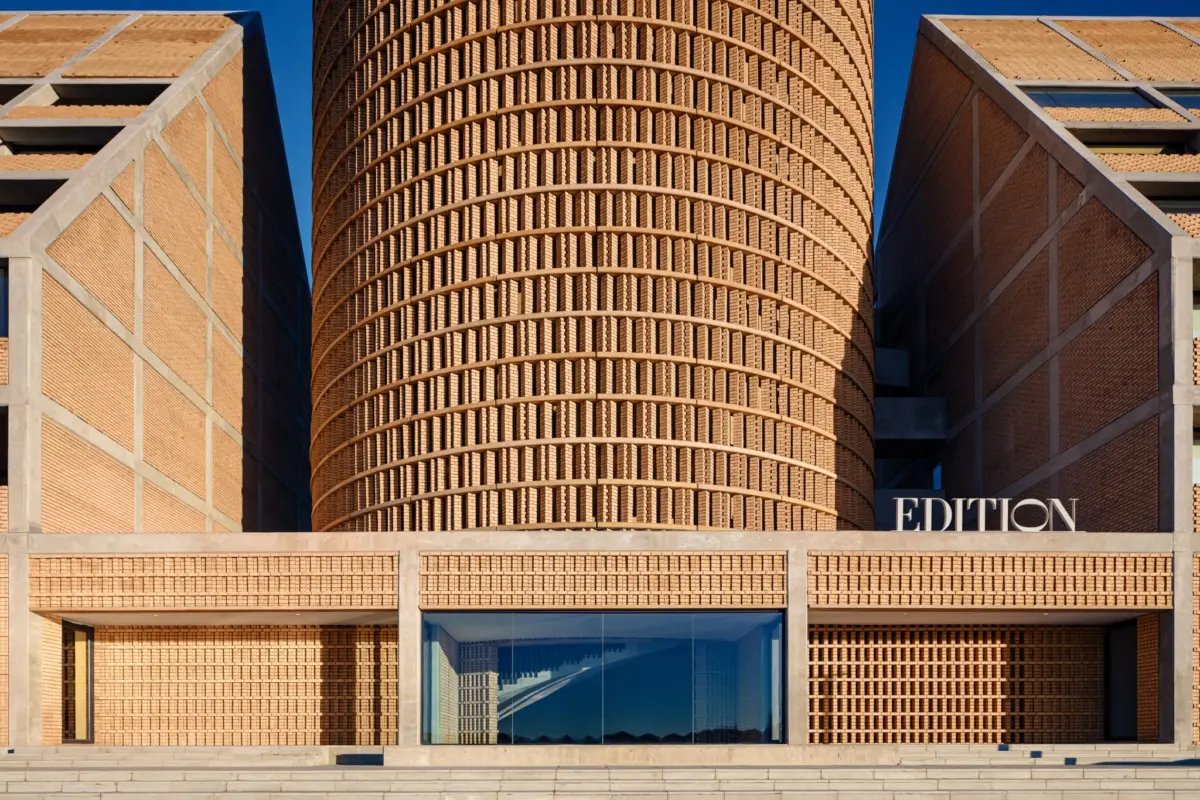
Located on Quay 7 at the vibrant V&A Waterfront in Cape Town, South Africa, the newly opened Cape Town Edition hotel successfully transforms its historic maritime site into a contemporary destination that feels both deeply modern and unmistakably local. Designed by the renowned international architecture studio Neri&Hu in close collaboration with local architects and specialized professional firms, the property draws profound inspiration from the industrial character of its surroundings while gracefully embracing Cape Town’s evolving, dynamic cultural landscape.
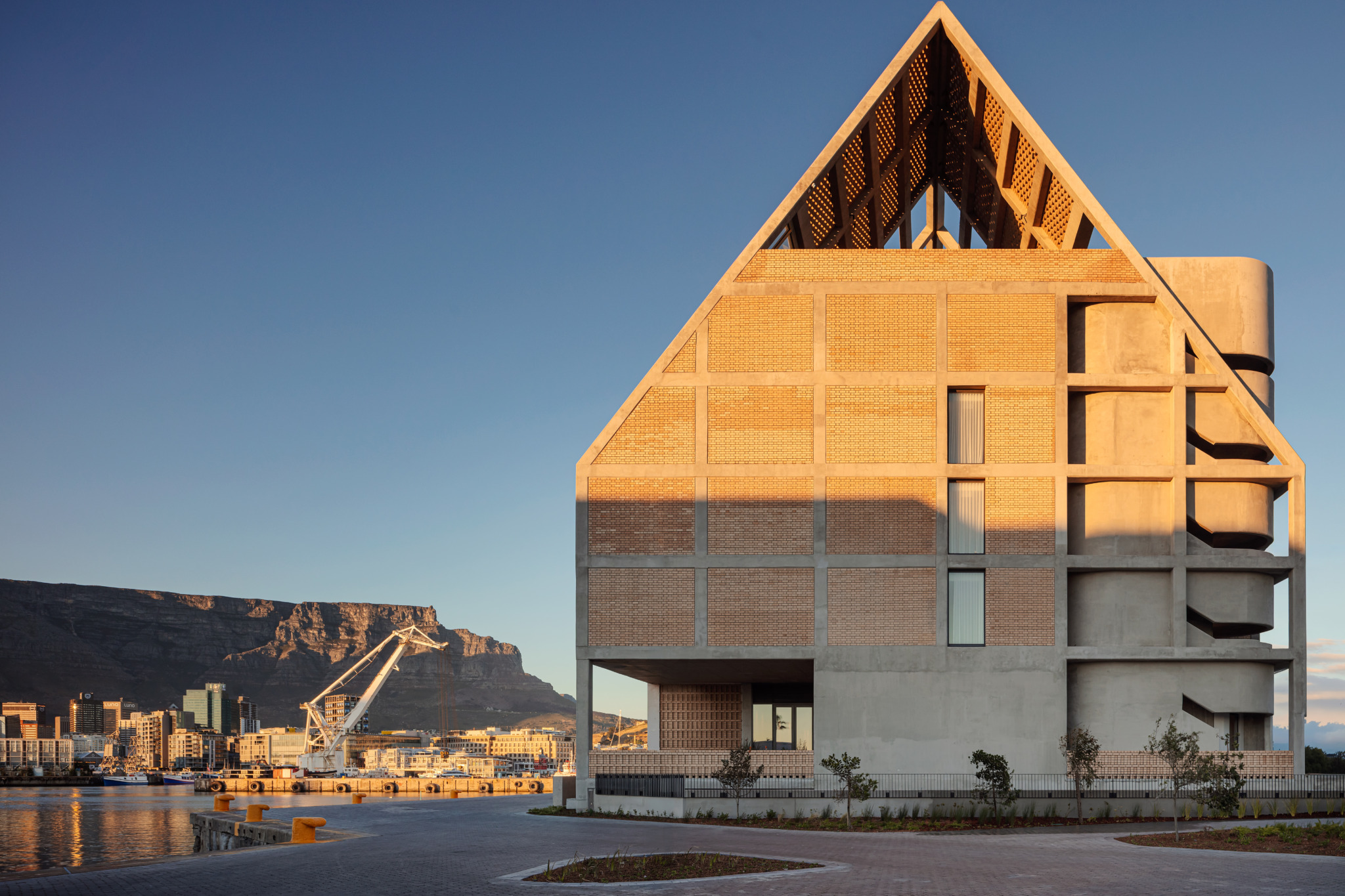
While the original warehouse structure occupying the site was ultimately found to be too structurally unstable to preserve in its entirety, its historic footprint and fundamental construction logic served as the guiding blueprint for the new building. The resulting architecture directly references the long, narrow forms and distinctive pitched roofs that characterize the surrounding industrial vernacular of the harbor district.
As part of a prestigious global portfolio of hotels, The Cape Town Edition centers its spatial experience around a striking architectural feature known as The Drum—a soaring, cylindrical space that remains open to the elements. From this central vantage point, visitors, hotel guests, and local residents alike can take in sweeping 360-degree views of the bustling harbor, the iconic silhouette of Table Mountain, the vast expanse of the Atlantic Ocean, and the lively waterfront below. By ascending the spiral staircase tucked within the structure, individuals are treated to an unmatched bird’s-eye perspective of the city.

For Lyndon Neri, co-founder of Neri&Hu, the conceptualization of The Drum began with a fundamental architectural dialogue regarding how best to connect and simultaneously distinguish the hotel’s hospitality spaces from its residential offerings. Reflecting on the design philosophy behind the prominent feature, Neri notes that the route is intended to be both architectural and civic in nature. By turning everyday circulation into an immersive experience of the surrounding landscape, the design grants the project a broader public dimension that extends far beyond traditional accommodation.
Grounded firmly in its distinct geographical landscape, The Cape Town Edition has been meticulously crafted with an unwavering appreciation for materiality and local resources. A commitment to local sourcing formed the cornerstone of the hotel’s overarching sustainability strategy, influencing not only the careful selection of durable building materials but also the meticulous curation of custom furniture, commissioned artworks, and decorative objects found throughout the property.

To achieve this authentic tactile quality, vital elements such as specialized metalwork and custom joinery were procured directly from local manufacturers. The intricate joinery work itself draws heavy inspiration from the classic design of 19th-century travel trunks, paying homage to the history of exploration and trade that defines the region. Furthermore, custom furnishings manufactured within South Africa and rich, tactile rugs woven by the KwaZulu-Natal-based enterprise Shuttleworth Weaving inject an exceptional level of local craftsmanship into the interiors. These warm, grounded finishes are thoughtfully juxtaposed against expansive window frames designed to capture the breathtaking, shifting views of the natural landscape outside.
The building’s striking exterior envelope further emphasizes this commitment to local materiality. More than six million individual bricks, supplied by a family-owned manufacturing business based in the Western Cape and laid meticulously by hand, create subtle, shifting patterns across the expansive facade. This intricate brickwork imbues the structure with a rich sense of texture and visual rhythm. The warm, earthy sand tones of the bricks harmonize seamlessly with the natural hues of the surrounding coastal environment, creating a powerful visual backdrop that contrasts gracefully against the cool, deep blues of the adjacent sea.

Expounding on the design ethos, Neri explains that the team’s interest was never to create an architectural statement that aggressively competes with the breathtaking landscape, nor one that simply defers to it in a passive manner. Instead, the focus centered on how the building might actively register those natural forces, utilizing brickwork, shifting daylight, and the deliberate framing of sightlines to curate a sequence of interior and exterior spaces that remain permanently bound to the Waterfront while feeling unmistakably rooted in Cape Town.
Throughout the hotel interiors, art transcends mere decoration, serving instead as a vital medium to reflect Africa’s rich creative landscape and forge meaningful connections between guests and the people and cultural traditions that define the destination. Design Network Africa played a pivotal role in this endeavor by sourcing authentic objects from makers spread across the continent. Among these curated elements are traditional Zulu ukhamba vessels and delicate, mouth-blown recycled glass pieces originating from Eswatini.

Complementing these objects, the prominent Cape Town art gallery Southern Guild curated a sophisticated collection of contemporary artworks. This collection features striking black-and-white portraits by photographer Zanele Muholi, Usha Seejarim’s textured artwork Fading Dish Cloth, and expressive, smoke-fired ceramics created by artist Chuma Maweni. Together, these pieces lend a strong, sculptural presence to the hotel’s public areas, including the lobby and various dining spaces.
Crowning the upper levels of the property are a spacious 240-square-meter Penthouse and an expansive 112-square-meter Harbor Suite, each designed to provide generous living spaces alongside panoramic vistas of the city and sea. In total, The Cape Town Edition houses 142 meticulously appointed guestrooms and suites that carefully balance elevated, luxurious comfort with a welcoming, residential appeal.

Beneath sea level, the hotel’s wellness facilities offer guests a comprehensive sanctuary. The subterranean spa is equipped with a traditional sauna, a steam room, advanced infrared beds, and personalized aromatherapy treatments. To further enhance the guest experience, the hotel offers a daily wellness program featuring sound baths, guided yoga classes, and specialized movement sessions. For those seeking relaxation above ground, additional opportunities to unwind are available directly beside the heated rooftop pool and its accompanying sundeck.
Culinary and social experiences within the hotel are equally rooted in historical context. The Punch Room draws direct inspiration from the centuries-old global tradition of communal punch drinking—a historic ritual that traveled along ancient trade routes which historically passed through the Cape. Featuring deep velvet banquettes, rich wood paneling, and moody, atmospheric lighting, the space offers an opulent retreat that provides a modern, sophisticated interpretation of the region’s complex cultural and culinary heritage.

Ultimately, the overarching vision for the property is to ensure that guests and visitors depart with a lasting, sensory impression of Cape Town, one forged through the seamless integration of the hotel’s interiors and the striking natural landscape that surrounds it. For Neri, the core intention was always to design a building that reflects not merely the visual aesthetic of Cape Town, but its underlying material culture and enduring tradition of craftsmanship.