





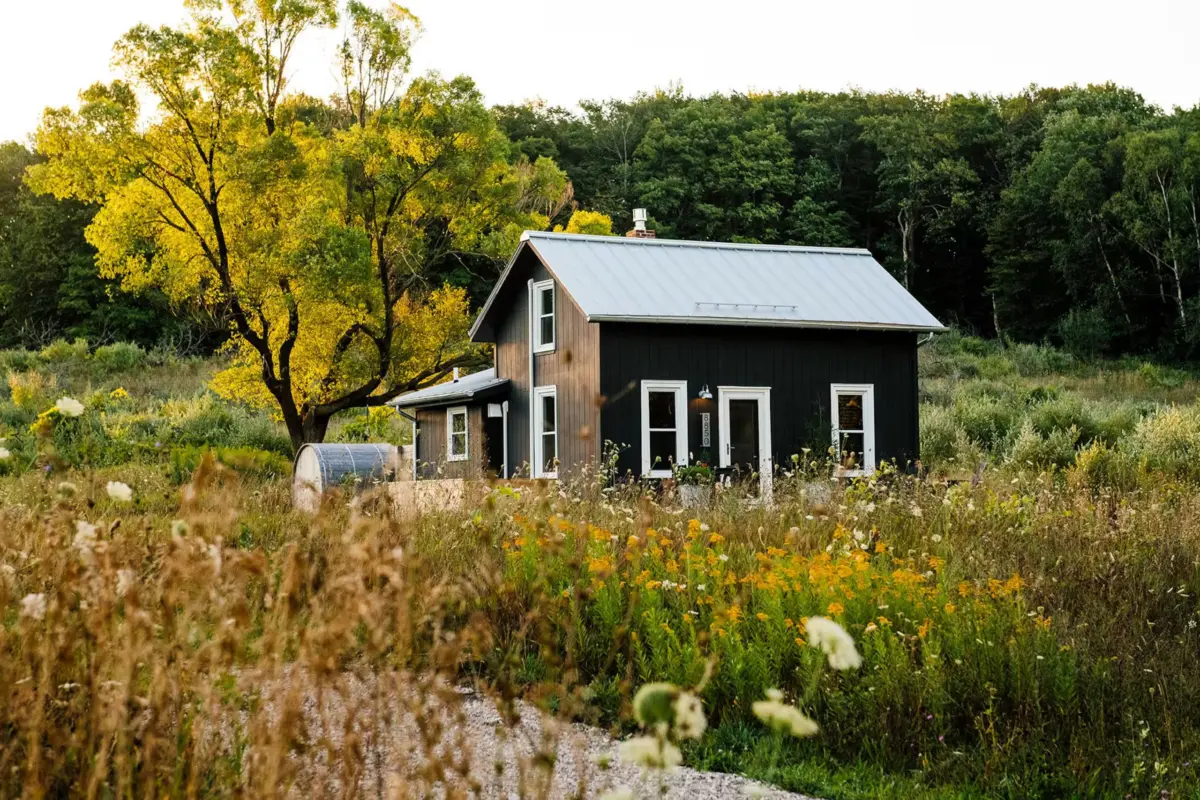
Country living, with its beautiful nature, relaxing atmosphere, and stunning wildlife, makes it incredibly easy to forget your day-to-day stressors and embrace a slower, more deliberate path. For generations, the rural landscape of the United States has been defined by the utilitarian architecture of agriculture—sturdy structures built to withstand harsh winters, store massive harvests, and house livestock. Today, however, these agricultural touchstones are undergoing a remarkable transformation, offering travelers a unique way to experience the countryside without sacrificing modern comforts.
And where better to enjoy this peace and quiet than from an Airbnb converted from a barn—provided, of course, you are not actually sleeping next to a pitchfork and a pile of hay? Across the United States, old dairy barns, horse stables, haylofts, and grain silos that once kept America’s farms running are finding dreamy second lives as vacation rentals. These sturdy structures are getting some very glamorous redesigns, but they are carefully retaining the soaring ceilings, original timber beams, weathered wood, and old architectural details that no new build can quite replicate.
The movement represents a growing niche in the hospitality and travel sectors, where guests increasingly seek out accommodations that offer authenticity, historical character, and a connection to the local environment. Rather than checking into a standardized hotel room, travelers are turning to properties that tell a story. In rural communities from the Hudson Valley to the Pacific Northwest, property owners are investing heavily in adaptive reuse projects, transforming decaying agricultural buildings into design-forward sanctuaries.
These conversions require an immense amount of architectural vision and craftsmanship. Historic barns were never intended to be lived in; they were engineered for maximum storage and ventilation. Transforming them into habitable spaces while preserving their historical integrity means working around massive structural posts, steep roof pitches, and massive sliding doors. Yet, the architectural payoff is immense. The open-plan layouts of old threshing floors and haylofts lend themselves naturally to expansive living areas, flooded with natural light pouring through newly installed glass panels or historic loft openings.
From sprawling farmhouses with enough room for the whole gang, to intimate hayloft hideaways made for a national park trip, to old grain silos that are surprisingly stylish places to sleep, there is something interesting in every corner of the country. Expect modern interiors tucked behind century-old barn doors, outdoor soaking tubs overlooking rolling pastures, and properties where the resident animals are still very much part of the picture—morning coffee with a few curious goats, anyone?
This blending of agrarian heritage and modern hospitality has struck a chord with urbanites and travelers looking to unplug. The appeal lies partly in the juxtaposition of old and new. Sleek stainless-steel appliances, minimalist furniture, and spa-grade bathrooms contrast sharply with hand-hewn chestnut beams that bear the marks of nineteenth-century carpenters. The weathered exterior siding, kissed by decades of weather and sun, conceals climate-controlled sanctuaries designed for year-round comfort.
Furthermore, these conversions often serve as a means of preservation for rural architecture that might otherwise be left to decay. As modern farming practices have evolved and consolidation has changed the face of American agriculture, thousands of historic barns have fallen out of use. Converting them into short-term rentals provides rural landowners with a sustainable economic model to maintain these massive structures, keeping local agricultural history alive for visitors from around the world to appreciate.
The geographical diversity of these properties is vast. In the rolling hills of the Northeast, historic dairy barns have been transformed into cavernous retreats featuring massive stone fireplaces and floor-to-ceiling windows looking out over apple orchards. In the Midwest, converted grain silos offer circular, multi-level living spaces that feel like private, modern towers set amid endless cornfields and prairies. Out West, horse stables near iconic national parks have been re-imagined into rustic-chic basecamps where hikers can rest their feet after a long day on the trails, surrounded by rugged mountain vistas.
For travelers planning a getaway, these spaces offer a distinct alternative to standard resort stays. Whether you are after a little farmyard nostalgia, a design-forward country escape, or simply a storied home just steps away from the wild, these barn Airbnbs make a pretty compelling case to trade your average stay for something with a little more hay-day history. As the demand for experiential and immersive travel continues to grow, the humble American barn is proving that its most productive and memorable years may still lie ahead.