Silver, a brilliant white metallic element identified on the Periodic Table by the symbol Ag, occupies a unique and enduring place in human history. Harder than gold yet softer than copper, silver ranks second only to gold in both malleability and ductility. Its exceptional thermal and electrical conductivity, combined with a high resistance to oxidation, categorizes it firmly among the noble metals. Throughout the centuries, this versatile white metal has served as a cornerstone in the production of fine jewelry and exquisite objets d’art. Because pure silver is inherently soft, artisans have historically alloyed it with other metals to provide the structural integrity needed to maintain intricate shapes and fine details.
While modern markets often price silver well below precious counterparts like gold and platinum, dismissing its historical or cultural importance would be a grave mistake. At various junctures in antiquity, silver was valued far more highly than gold. When evaluating the sheer volume of metal utilized in ancient and historical jewelry production, silver outweighs all other precious metals by a substantial margin. Furthermore, the quest for silver deposits and the refinement of its metallurgy triggered technological advancements that repeatedly reshaped global economies, influenced geopolitical conflicts, and ultimately altered the course of human history.
Bronze Age Origins and Early Metallurgy
The narrative of silver begins near the close of the fourth millennium BC, when innovative inhabitants of modern-day Turkey discovered a method to extract silver from lead ores through a process known as cupellation. Although surviving artifacts from this nascent period are remarkably rare, those that endure offer a fascinating glimpse into the advanced capabilities of Bronze Age silversmiths.
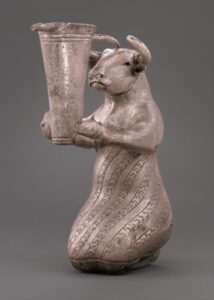
At the dawn of written history, silver functioned as a primary currency in Mesopotamia. Rather than circulating as standardized coins, the metal was exchanged purely by weight or shaped into functional rings. The workshop of the Mesopotamian silversmith closely mirrored—and frequently overlapped with—that of the goldsmith. Although silver is slightly less ductile than gold and demands more frequent annealing during fabrication, skilled artisans could successfully cast it, hammer it into paper-thin sheets, engrave it, emboss it, execute delicate repoussé work, and embellish it with filigree and granulation. Archaeological excavations have uncovered vessels, statuettes, and jewelry crafted from high-purity silver, yielding objects of remarkable delicacy and softness.
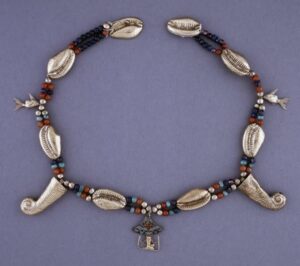
In ancient Egypt, where society placed an immense premium on the rare and exotic, silver was initially treated as an ultra-exclusive commodity. While gold was readily accessible in the nearby mountains of the Eastern Desert and Nubia, pure silver had to be imported along arduous trade routes that also brought prized Afghan lapis lazuli. Consequently, early Egyptian silver was valued more highly than gold and remained strictly reserved for society’s elite.
By approximately 1600 BC, however, the influx of imported silver caused its market value to drop to roughly half that of gold, reflecting a significant expansion in supply. During this era, silver began functioning as a standardized abstract currency. Its popularity fluctuated according to the whims of fashion; the tomb of King Tutankhamun contained almost no silver items, whereas the burial of Pharaoh Sheshonq II featured a magnificent all-silver sarcophagus.
Across the Mediterranean, the Minoans and Mycenaeans engaged in extensive maritime trade, frequently handling silver and leaving behind a rich legacy of early Greek jewelry across the Greek mainland, Crete, and Cyprus. Meanwhile, the Phoenicians played a pivotal role by pioneering the exploitation of rich Spanish silver deposits and distributing the metal throughout the classical world. Their aggressive commercial networks helped transition silver from an exotic luxury into a widely accessible commodity.
The Classical Era of Coins and Empire
To both Greek and Roman societies, a steady supply of silver was vital for economic stability, as their monetary systems relied heavily on the production of properly minted silver coins. While gold dominated surviving archaeological jewelry collections from this era—partly due to the widespread practice of melting down and recycling silver—surviving pieces demonstrate that the white metal was fashioned into every conceivable ornament, including finger rings, anklets, and armlets.
The Romans developed a particular fondness for niello, a surface decoration technique resembling enameling but utilizing silver sulfate rather than glass. Niello yielded a much tougher finish with a distinct metallic luster, and during the Roman occupation of Northern Europe, the technique spread rapidly across the continent, influencing Anglo-Saxon craftsmanship in Britain and artistic traditions in Eastern Europe.
Writing in his monumental Naturalis Historia, the Roman scholar Pliny the Elder provided an invaluable, if characteristically skeptical, contemporary perspective on the Roman obsession with silver. Pliny detailed the laborious process of deep-shaft mining, noting that silver ore was exclusively found deep underground without the surface indications typical of gold. He highlighted the legendary Spanish mines, observing that shafts originally opened by Hannibal—such as the mine at Baebelo—yielded massive quantities of silver daily, sustained by teams of laborers operating around the clock in subterranean conditions.
Pliny also documented the rigorous testing methods employed by Romans to verify the quality of silver, which involved heating pieces on an iron shovel to observe color changes, as well as the escalating luxury culture surrounding silver plate. He lamented how extravagant displays of chased silver vessels and plate supplanted the frugality of early Roman republicans, noting that wealthy citizens routinely decorated household furniture, banquet couches, and even travel carriages with lavish silver ornamentation. Despite strict traditionalist outcries, the insatiable Roman appetite for elaborate silver art objects continued unabated until the fall of the empire.
Celtic and Medieval Transformations
Celtic tribes utilized silver extensively alongside bronze to forge decorative brooches, torcs, and crescent-shaped lunulae. Prior to Roman contact, the Celts relied on "ring money"—standardized rings of silver, copper, bronze, or gold—as a circulating medium of exchange rather than traditional coinage.
Following the collapse of Roman supply lines, gold temporarily vanished from much of Europe, catapulting silver into the premier position for jewelry production. Germanic jewelry from the Migration Period favored functional items such as fibulae, disc brooches, penannular brooches, and belt buckles fashioned from silver, occasionally gilded or inlaid with striking red garnets.
From the ninth century onward, Viking expansion along the northwestern European coast introduced massive quantities of Scandinavian silver trade, fueling a vibrant local silversmithing tradition. The subsequent discovery of rich Swedish silver deposits around the turn of the first millennium further cemented silver’s cultural prominence. Artisans continued to favor the high-contrast aesthetic of niello inlay, a technique inherited from Roman traditions and adapted to intricate Germanic engraving patterns, as beautifully exemplified by the ninth-century Anglo-Saxon Fuller Brooch housed in the British Museum.
As medieval society evolved and Eastern trade routes reopened, gold regained its traditional status as the preferred medium for elite jewelry. However, this same commercial expansion fostered a prosperous new middle class eager to adorn themselves. Individuals priced out of gold turned to silver, broadening the versatility of jewelry design away from strictly utilitarian fasteners toward purely decorative and symbolic pieces, including finger rings, bangles, and pendants. By the late medieval period, the trade in silver jewelry and plate became strictly regulated through formal assaying and hallmarking systems.
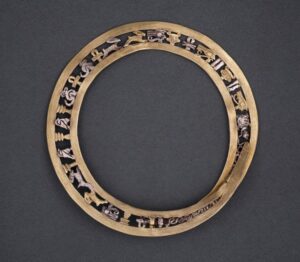
Renaissance Expansion and the New World
The Renaissance brought profound economic and artistic transformations across Europe. The fall of Constantinople in 1453 drove Byzantine scholars westward, while the recovery of European populations following the devastation of the plague spurred the growth of commercial centers, particularly in northern coastal regions like the Low Countries.
Following Christopher Columbus’s historic voyage, the Age of Exploration triggered a fierce rivalry among European powers to claim newly discovered territories. Spain and Portugal spearheaded exploitation of the New World, leading to dramatic conquests such as Francisco Pizarro’s subjugation of the Inca Empire and Hernán Cortés’s defeat of the Aztecs. Following the discovery of rich silver deposits in regions like modern-day Mexico in 1546, massive shipments of South American silver flooded into European markets. A significant portion of this silver was even transported directly across the Pacific to China to acquire coveted Asian trade goods.
While silversmithing techniques largely mirrored those of the medieval period, the unprecedented availability of American silver ensured that the metal remained an affordable and dependable medium for both circulating currency and middle-class jewelry.
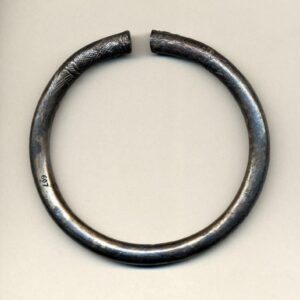
Baroque and Georgian Innovations
During the Baroque period spanning the seventeenth century, European involvement in the New World deepened, with English, French, and Dutch colonial powers competing fiercely for control of lucrative maritime trade routes carrying silver fleets. Silver found novel applications during this era, most notably in the manufacture of portable timepieces. Furthermore, the establishment of direct trade routes with India following the creation of European trading posts allowed a steady stream of Indian diamonds to reach Europe. Jewelers quickly discovered that setting these diamonds in silver beautifully complemented the stones’ colorless brilliance, avoiding the warm cast imparted by gold settings.
The Georgian era witnessed an unprecedented boom in South American silver production. The practice of setting diamonds in silver became standard workshop procedure, visible in both fully silver-mounted jewelry and hybrid pieces featuring gold bodies with silver-topped fronts. The characteristic cut-down collet settings typical of Georgian diamond jewelry were almost universally crafted from silver to accentuate the bright white fire of the gems.
Furthermore, the introduction of die-striking technology in 1777 revolutionized manufacturing. By utilizing specialized dies, presses, and drop hammers, artisans could rapidly stamp and cut out identical precious metal components to be hand-assembled into finished jewelry. This cost-effective production method heralded the dawn of mass-market jewelry, allowing large quantities of affordable silver items to reach a widening consumer base.
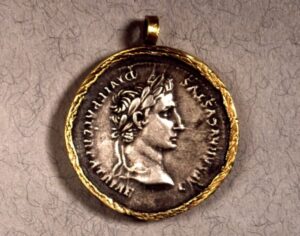
Victorian Industrialization and Revival Movements
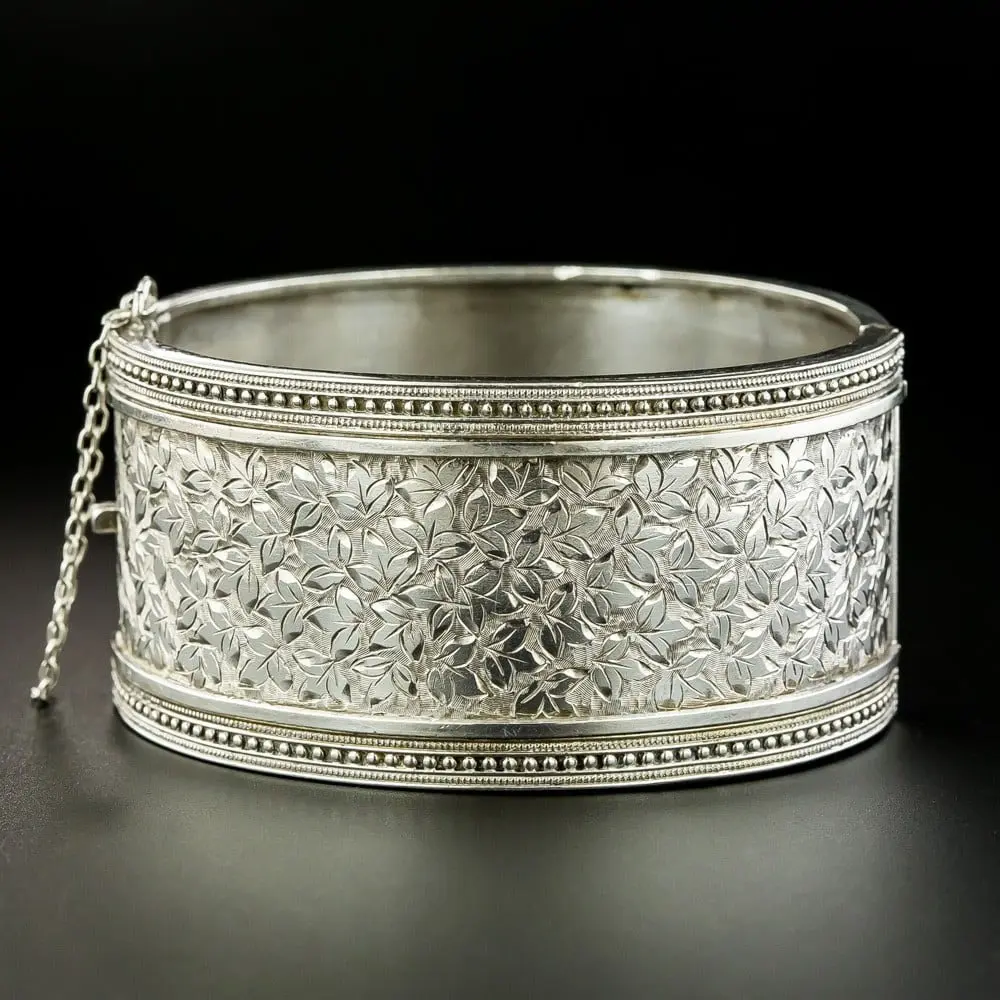
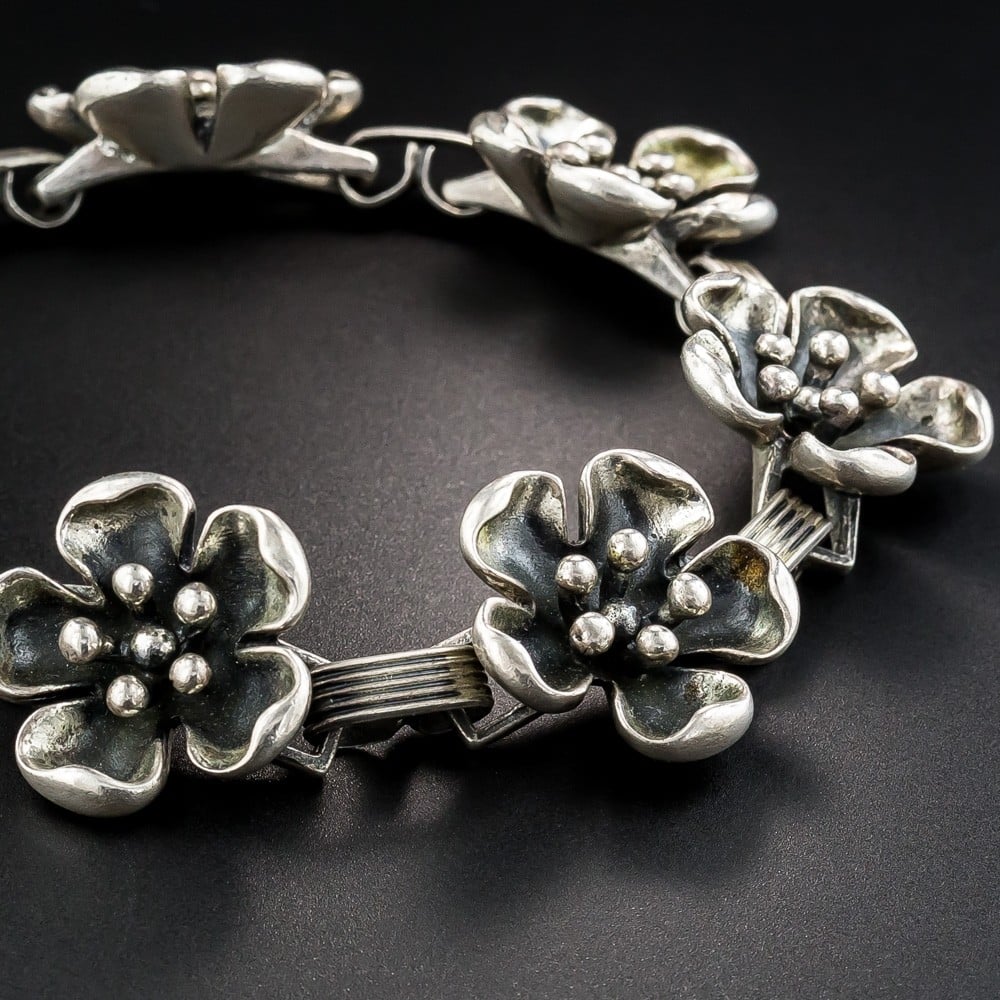
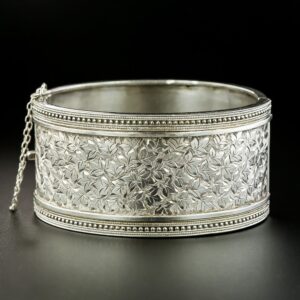
The Industrial Revolution of the Victorian era profoundly impacted jewelry manufacturing, leading to the widespread adoption of mechanized stamping and die-striking techniques perfected during the preceding Georgian period. Silver emerged as the primary metal of choice for much of this mass-produced output. A major cultural trend erupted after Queen Victoria and Prince Albert acquired Balmoral Castle in Scotland in 1848, sparking a widespread craze for Scottish agate jewelry predominantly executed in silver.
Toward the close of the Victorian era, the Arts and Crafts movement emerged as a direct philosophical reaction against industrial mass production. Arts and Crafts artisans prioritized artistic design and hand-crafted execution over the intrinsic material value of precious metals and gemstones. Rejecting faceted stones in favor of bezel-set cabochons, these designers decisively turned away from gold, elevating silver to the preeminent metal for expressive, artisan-crafted jewelry.