




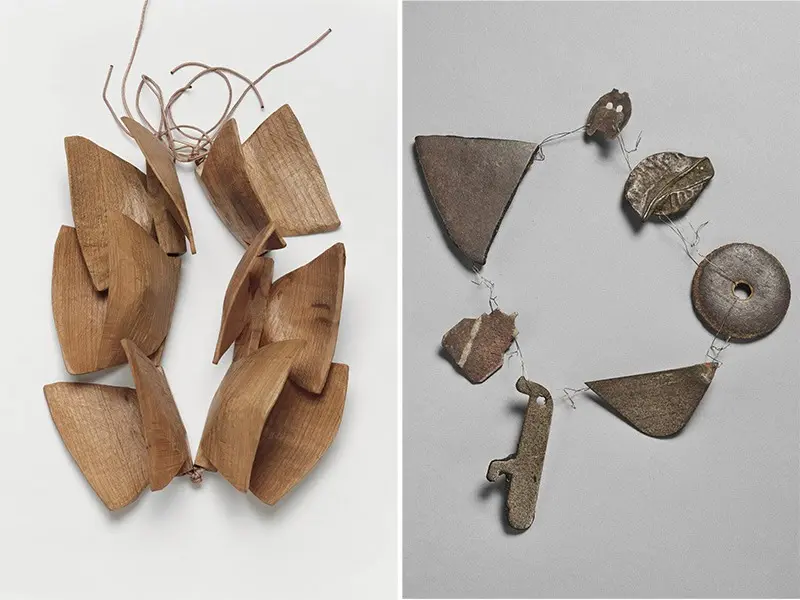
Bernhard Schobinger and Dorothea Prühl came to the world of contemporary jewelry from opposite sides of a divided Europe, developing revolutionary practices that challenged conventional definitions of value, material, form, and wearability. Schobinger came of age amidst Switzerland’s postwar avant-garde, absorbing the rigorous principles of Concrete Art before aligning himself with the raw, rebellious energy of the international punk movement. Prühl, conversely, developed her artistic vision in East Germany, building a deeply introspective practice first as a designer and later as an influential educator at the prestigious art school in Halle, where she had initially trained.
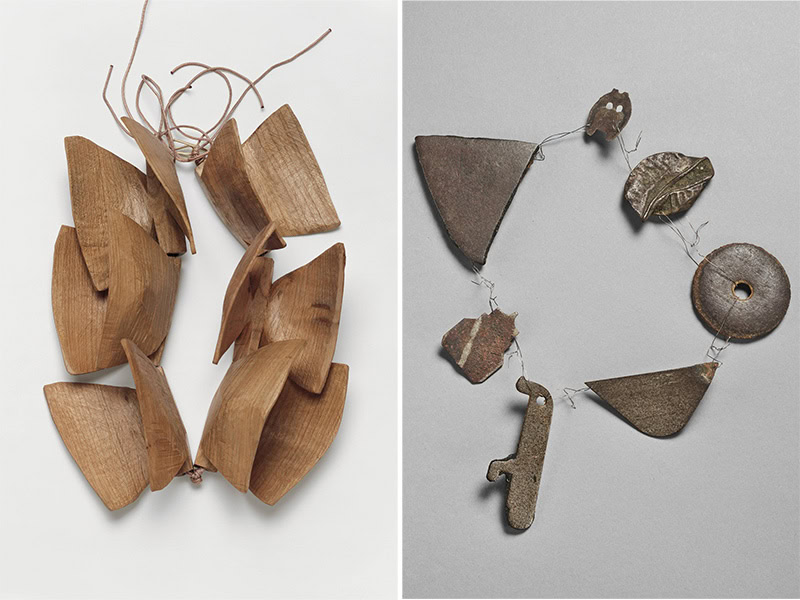
The year 1962 marked a symbolic crossroads in their parallel trajectories: the exact year Prühl graduated from her formal training, a 16-year-old Schobinger was just embarking on his own artistic education at the School of Applied Arts in Zurich. While both artists placed jewelry at the absolute center of their creative lives, their ultimate destinations diverged radically. Schobinger has physically pried jagged metal and asphalt out of a metropolitan street to incorporate into a necklace, and famously set an ancient meteorite into a ring. Prühl, meanwhile, journeys deep into rural forests to hand-carve organic sculptures from fallen trees. Yet, despite these vast stylistic differences, each artist poses the same fundamental question to the viewer: Where does true preciousness in jewelry actually reside?
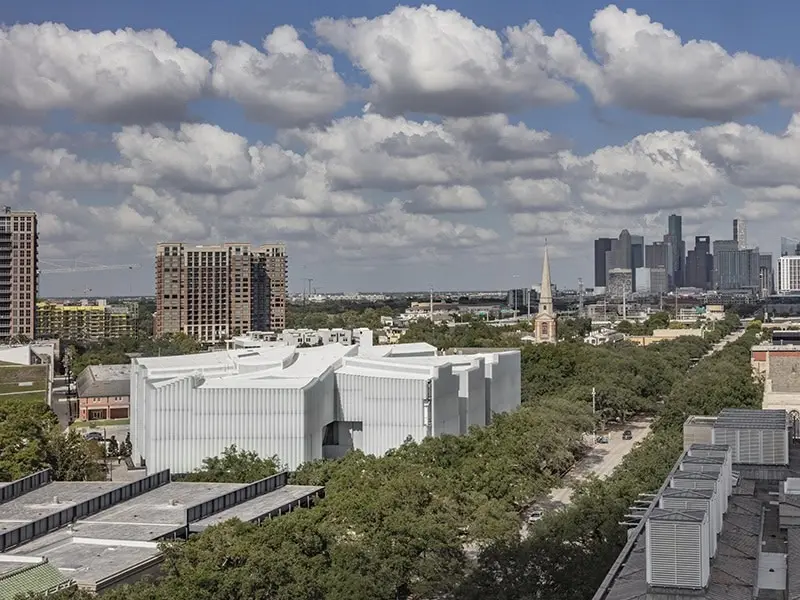
The Museum of Fine Arts, Houston (MFAH), is currently exploring these profound artistic inquiries through concurrent, landmark retrospectives: Going Underground: The Jewels of Bernhard Schobinger and The Jewelry of Dorothea Prühl. Both exhibitions are on view through January 3, 2027, marking the first-ever United States solo museum exhibitions for either artist. The dual presentations offer audiences a rare, comprehensive look at the lifework of two titans in the contemporary craft field, providing a unique lens through which to examine how two distinct European landscapes shaped generations of radical jewelry design.
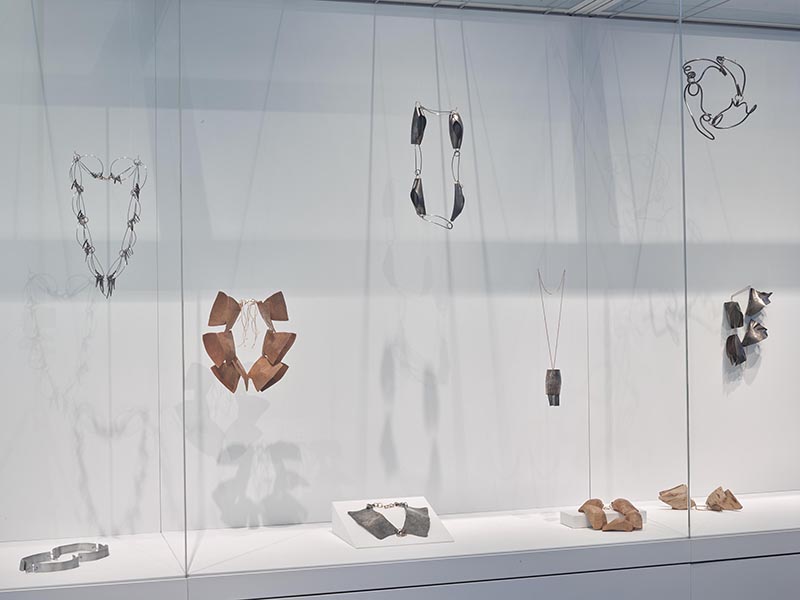
To understand how these monumental exhibitions came to fruition, one must look to the recent acquisition of a major contemporary collection. The genesis of the shows traces back to the transformative gift of the Rotasa Collection Trust—assembled by noted collector Susan Cummins—to the Museum of Fine Arts, Houston. Upon learning that the museum would become the permanent home of this world-class repository of contemporary art jewelry, Cindi Strauss, the MFAH’s Sara and Bill Morgan Curator of Decorative Arts, Craft, and Design, immediately began conceptualizing inaugural exhibitions to celebrate the acquisition.
Having long desired to mount a retrospective for Bernhard Schobinger, Strauss realized the timing was ideal, as the museum’s holdings of his work would soon surpass 30 pieces when combined with objects from the Helen Williams Drutt Collection. Simultaneously, the Rotasa Collection houses the largest institutional holding of Dorothea Prühl’s jewelry in the United States, making her a natural counterpart for a companion exhibition. While scheduling these concurrent exhibitions was initially a matter of museum timing, co-curators Strauss and Elizabeth Essner—the museum’s Windgate Foundation Associate Curator of Craft—quickly recognized the compelling dialogue that would naturally emerge between the two showcases.
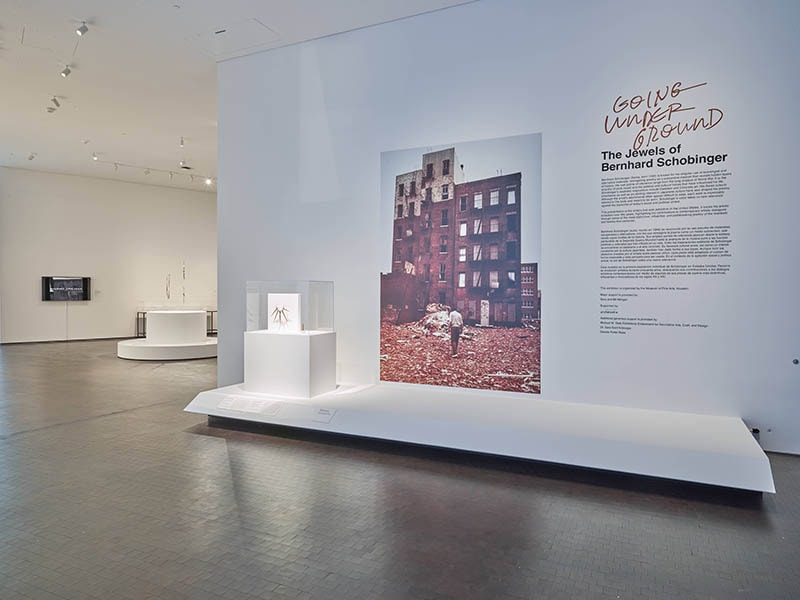
Although their visual languages stand in stark contrast, their practices share a singular, unwavering dedication to their craft, as well as a profound reliance on personal experience and a deep connection to place. Both artists matured during periods of intense political and cultural turbulence in Europe, and though their lived realities could hardly have been more different, those historical pressures indelibly stamped their creative outlooks.
Examining the historical and geographic contexts of the two makers reveals the immense chasm between their formative environments. Dorothea Prühl was born in 1937 in Breslau, Germany—a city that is now Wrocław, Poland. Consequently, the catastrophic devastation of World War II and the subsequent, isolated realities of living behind the Iron Curtain in the German Democratic Republic (GDR) profoundly shaped her life and work, long after the formal reunification of Germany in 1990. It is virtually impossible to decouple Prühl’s artistic output from her daily existence within East Germany.
Yet, Prühl remains an artist who looks resolutely inward for her inspiration rather than turning toward external political messaging. Her perspective is historical and philosophical, taking a long view of human civilization and contemplating the timeless ways in which personal ornamentation has always expressed the fundamental essence of what it means to be human.
Bernhard Schobinger’s journey unfolded against a dramatically different backdrop. Born in Zurich in January 1946, he came of age alongside the vibrant cultural explosions that swept through the West in the post-WWII era. Upon enrolling in Zurich’s School of Applied Arts, he was immediately immersed in avant-garde circles, finding early inspiration in the geometric, mathematically driven Concrete Art of Swiss masters Max Bill and Richard Paul Lohse, which initially informed the clean lines of his early jewelry.
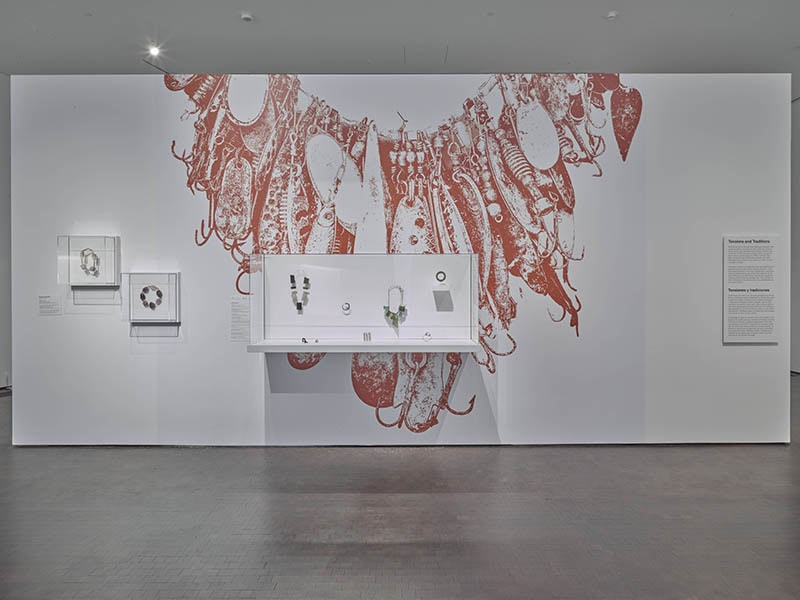
However, Schobinger’s trajectory shifted violently during the 1970s. Finding ideological and creative kinship with the burgeoning international punk movement, he began utilizing industrial detritus, broken glass, saw blades, and discarded urban materials. Through these raw, anti-establishment mediums, he set out to systematically redefine the very boundaries and expectations of jewelry.
Schobinger has frequently characterized himself as "a human paradox," a description that neatly encapsulates his fusion of rigorous, old-world Swiss goldsmithing with disruptive materials like asphalt and shattered bottles. His intellectual framework was heavily influenced by the maverick philosopher Paul Feyerabend, whose influential 1975 treatise Against Method aggressively challenged the existence of fixed, dogmatic rules in science and human inquiry.
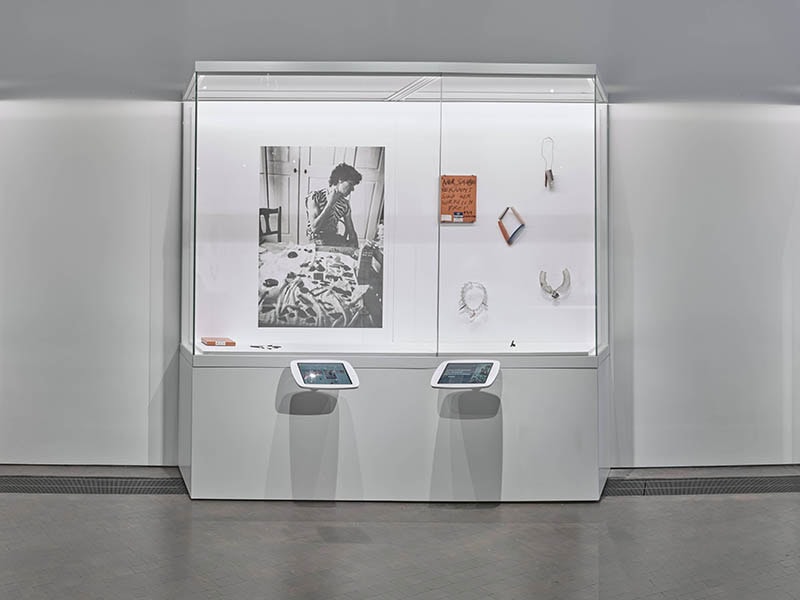
According to Cindi Strauss, Feyerabend’s iconoclastic writings, coupled with Schobinger’s firsthand experiences of urban subcultures, are vital keys to unlocking his studio practice. Yet, surface impressions can easily deceive the casual viewer. While Schobinger’s incorporation of found objects might initially lead an observer to assume his pieces are unwearable, uncomfortable, or aggressively hazardous, every single work is meticulously engineered for actual wearability—a commitment the artist refuses to compromise.
Furthermore, this raw aesthetic is underpinned by an elite level of traditional craftsmanship. Schobinger is a master-trained goldsmith, and the profound strength of that technical foundation is unmistakable upon closer inspection, particularly in the ingenious fabrication of hidden clasps, hinges, and structural connections.
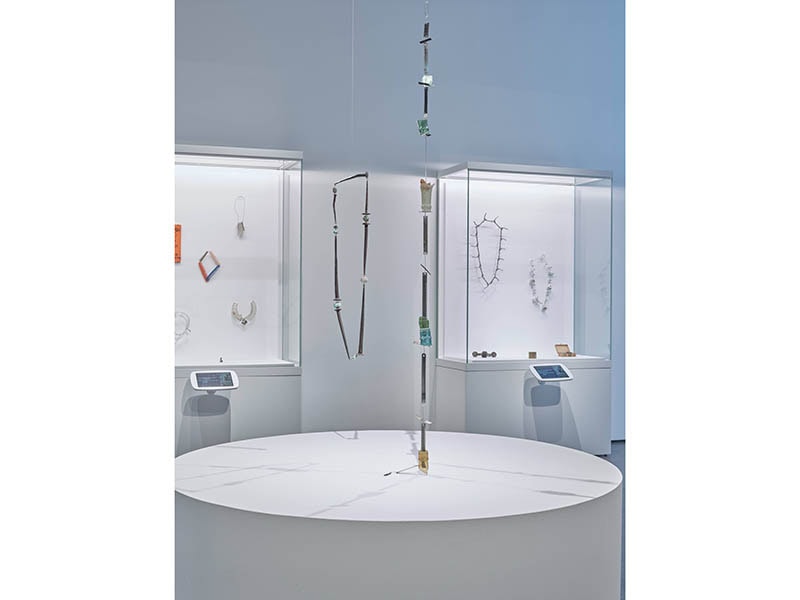
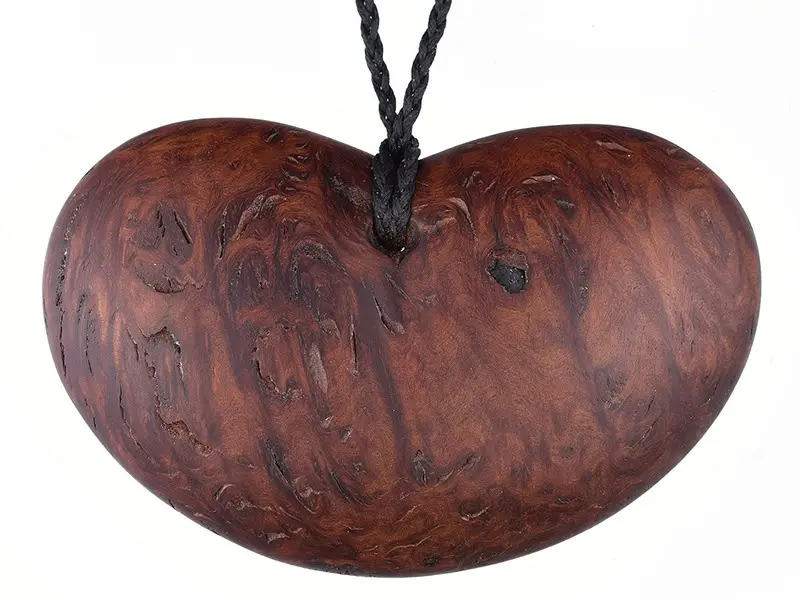
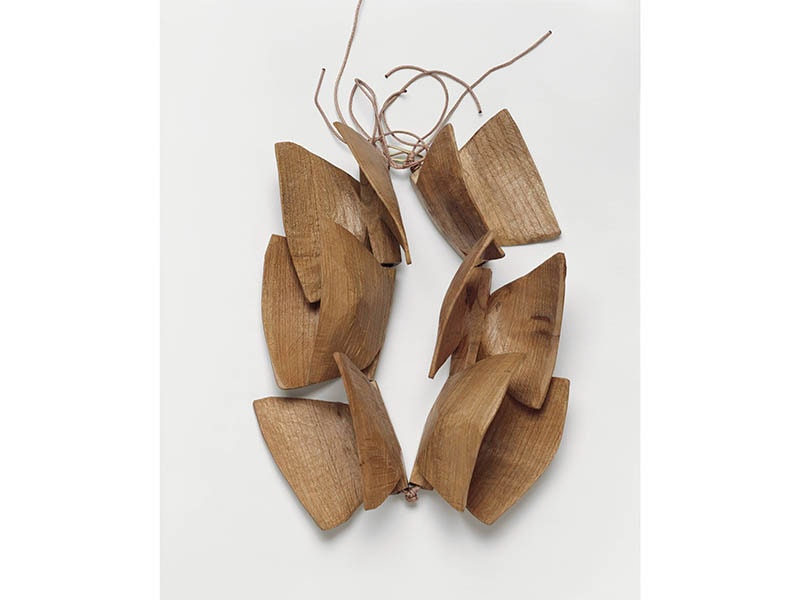
While Schobinger embraces the chaotic, urban energy of the street, Dorothea Prühl’s jewelry—crafted from carved wood, titanium, and select metals—often presents a deceptive appearance of utter simplicity. Elizabeth Essner notes that this apparent minimalism masks a deep, rigorous complexity. Prühl produces only a handful of distinct pieces each year, pouring a lifetime of accumulated knowledge into every phase of production. She considers not only how her chosen materials will manifest her envisioned forms, but also how the finished objects will acoustically resonate, how they will move with the body, and, most importantly, how they will evoke an emotional response within the wearer.
This relentless dedication yields objects that feel so organic and inevitable that they appear as though they must have always existed in nature. Prühl’s primary driving force is the pursuit of pure form—a direct legacy of her foundational training at the renowned Burg Giebichenstein in Halle (Saale). When she completed her studies, form was her paramount concern, and it has remained the unyielding anchor of her career ever since. Prühl is famously known to assert that if she ever has to verbally explain a piece of jewelry, she instantly knows that the form itself is simply not good enough.
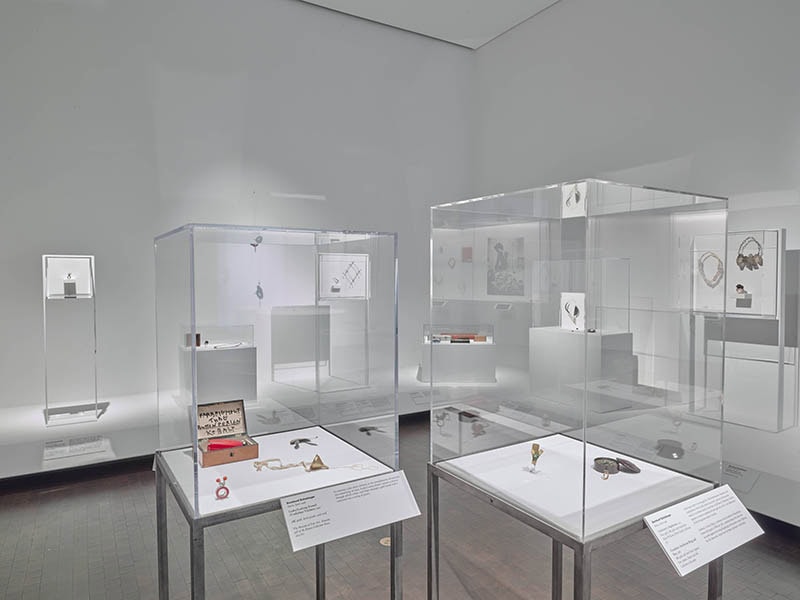
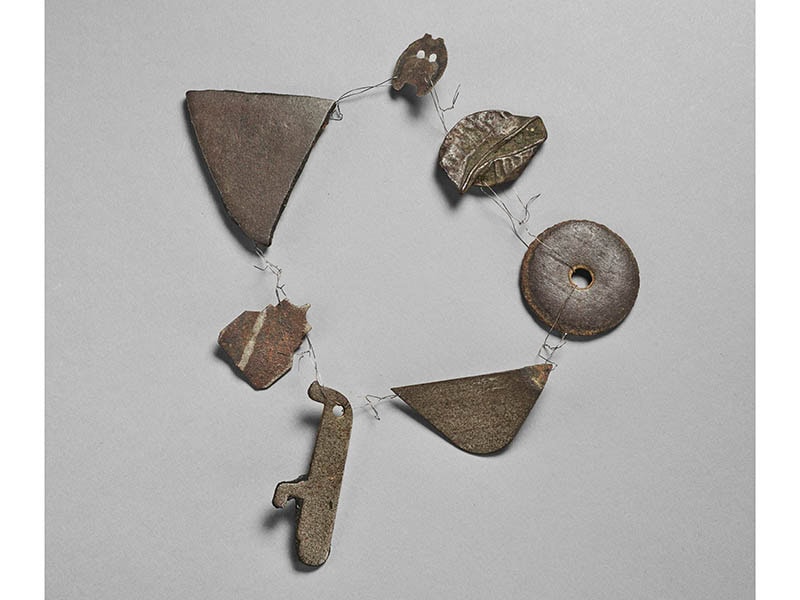
For visitors navigating the adjacent galleries at the Museum of Fine Arts, Houston, the curators encourage slow, contemplative looking across both exhibitions. Within Schobinger’s retrospective, certain historical pieces stand out as pivotal milestones, chief among them being NYC 1980. Created while the artist was constantly commuting between his quiet home in the Swiss village of Richterswil and the gritty, underground punk scenes pulsing through Zurich, London, Berlin, and New York City, the necklace serves as a physical archive of a specific time and place. The rough chunks of metal suspended in the piece were literally pried by Schobinger’s own hands out of the asphalt on West Broadway in Manhattan.
The resulting collar reads simultaneously as a protective amulet and a piece of urban armor, bearing faint formal echoes of the Concrete Art that inspired his youth. Yet, the true marvel lies in the nearly invisible, delicate twists of wire binding the heavy asphalt and metal fragments together. The structure is intact, yet it appears perpetually on the verge of coming apart, as though Schobinger were frantically attempting to bottle the volatile, explosive energy of a cultural moment he instinctively knew was too fragile to last.
Prühl’s creative process is similarly anchored in a deep, physical relationship with her materials, albeit in a radically different landscape. While her metal components are shaped in her urban studio in Halle, her wooden jewelry is carved in deep isolation within the forests located roughly three hours north. Working alone in a rustic farmhouse devoid of running water and reliant on a single heat source, Prühl surrounds herself with a limitless supply of timber harvested strictly from fallen trees. Works like Flowers from Augustenberg (Blumen aus Augustenberg) (1989), named after the wooded hamlet where she works, function as quiet lyrical odes to her rural upbringing, translating the tender, fragile spirit of the natural world into a wearable garland of carved alder wood.
Reflecting on the profound impact of organizing these twin retrospectives, the curators acknowledge a lasting shift in their own perspectives on the medium. Cindi Strauss notes that after working with international jewelry artists for a quarter-century, the deep dives into the practices of Schobinger and Prühl have fundamentally elevated her appreciation for the staggering level of sacrifice, daily persistence, and uncompromising dedication required to sustain an elite artistic career across decades.
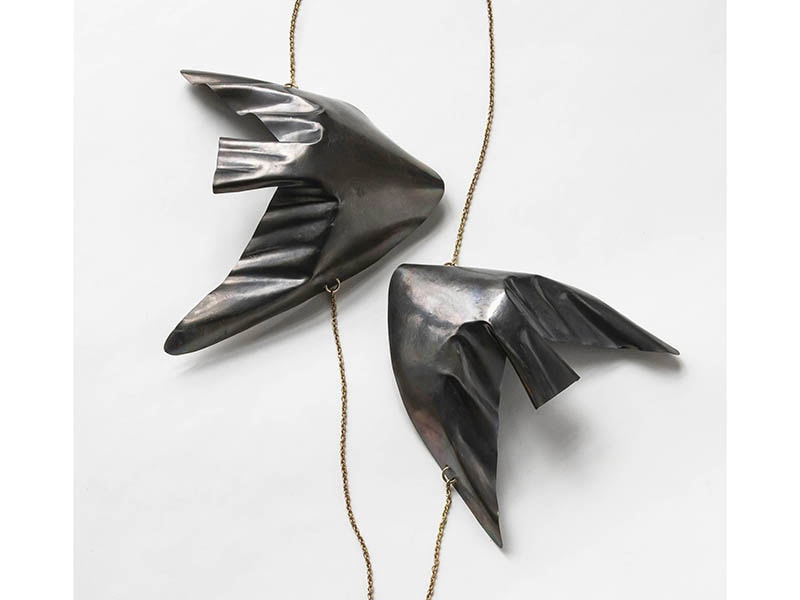
Elizabeth Essner echoes this sentiment, emphasizing how both makers expand the emotional and philosophical capacity of adornment. While jewelry is traditionally understood as a vessel for intimate personal narratives, Schobinger and Prühl demonstrate that it can also grapple with humanity’s most expansive concepts. Through a work like Meteor Iron Ring (1993), in which Schobinger embeds a fragment of an ancient meteorite alongside diamonds and copper, jewelry is suddenly tethered to a cosmic timeline stretching far beyond human civilization. Meanwhile, Prühl honors viewers with visions of the natural world—migratory birds in flight, delicate blossoms, and unfolding butterflies. While these subjects initially appear modest or everyday, pausing to truly absorb the meticulous execution of a bird’s wing or a wooden flower offers a humbling reminder of the quiet miracles embedded in the world around us.
The Jewelry of Dorothea Prühl is on view at the Museum of Fine Arts, Houston, through January 3, 2027, running concurrently with Going Underground: The Jewels of Bernhard Schobinger, which remains on view through January 3, 2027.