




LONDON — Among the myriad artifacts that link the modern world to the intricate daily routines of the ancient Roman Empire, few items offer as intimate a glimpse into personal grooming and fashion as the acus. Known specifically as the acus crinalis when used in hairstyling, this traditional Roman pin served a vital role in both aesthetic presentation and practical attire across the provinces, including Roman Britain. Typically measuring between six and nine inches in length, these substantial fasteners were crafted from a diverse array of materials ranging from precious metals to everyday organic substances, reflecting both the status of the wearer and the availability of resources in regions far from the heart of the empire.
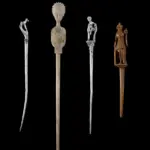
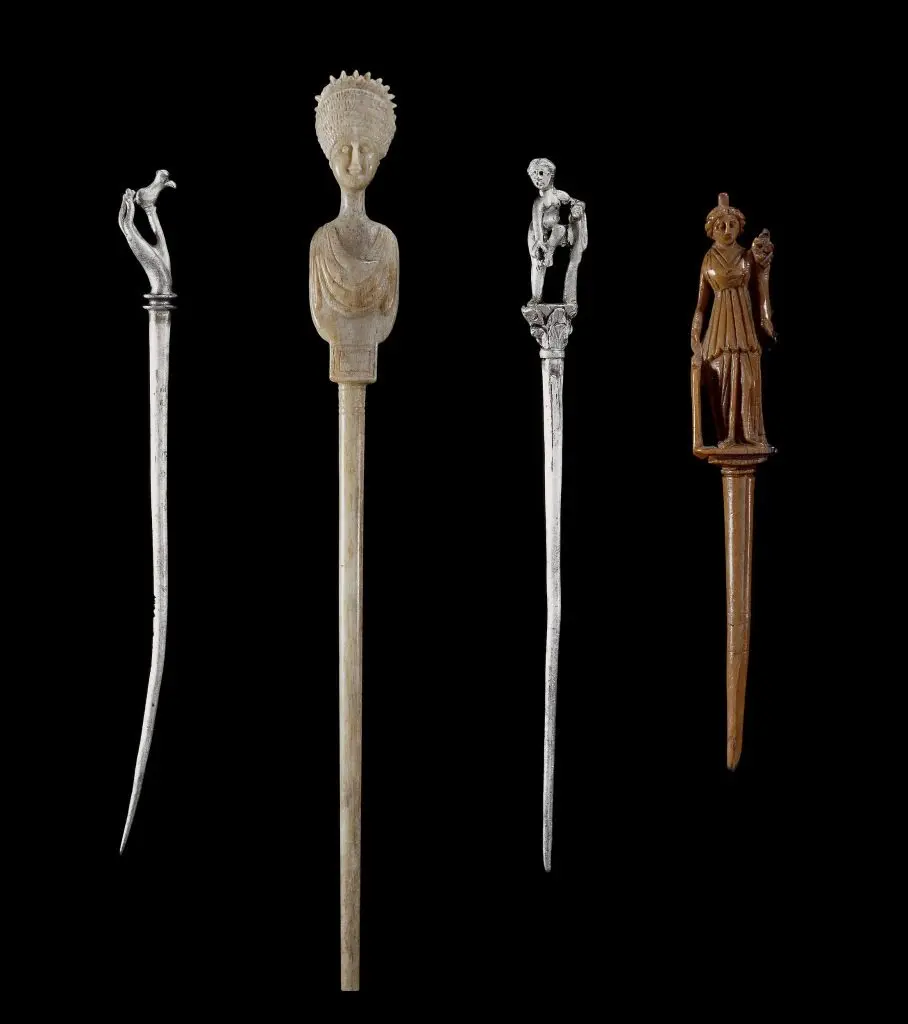
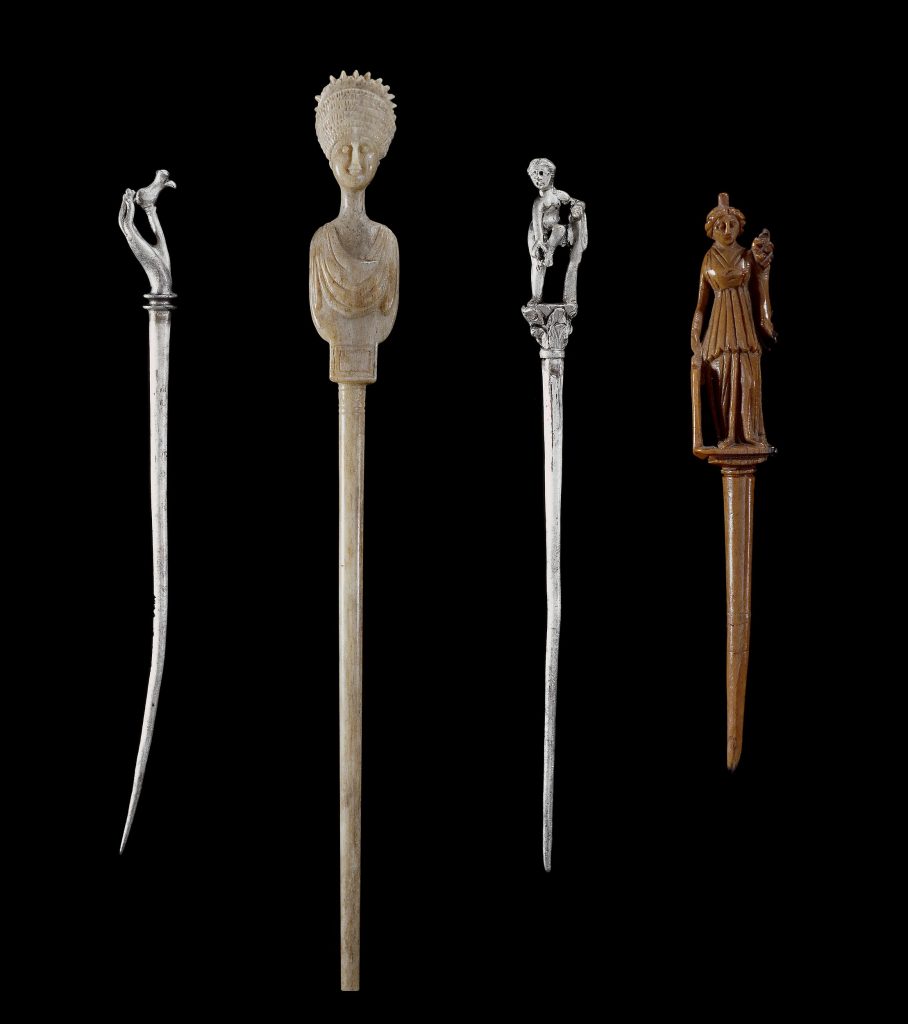
In the archaeological record, specimens housed in institutions such as the British Museum illustrate the remarkable craftsmanship dedicated to these personal items. Collections of Romano-British era bone and silver hairpins reveal a fascinating spectrum of design. While silver examples point to a higher socioeconomic standing, bone and wood pins demonstrate how luxury and personal maintenance were adapted by broader segments of the provincial population. Ivory, too, was utilized by those who could afford exotic imported materials, adding an element of rare luxury to the dressing table of a Roman or Romano-British woman.
The primary function of the acus crinalis was to anchor and secure the complex, towering hairstyles that defined Roman fashion, particularly during periods such as the Flavian era, when hairstyles reached architectural heights requiring robust structural support. Hair was often braided, curled, and built up over wire or wicker frames, and the long, rigid pins were driven through the mass of hair to lock the arrangement in place. Without the stabilizing presence of these sturdy pins, the elaborate coiffures favored by fashionable women of the era would have quickly unraveled.
However, the versatility of the acus extended far beyond the realm of hairstyling. Because of its generous length and sturdy construction, this multi-purpose pin could also be deployed to secure garments. In the daily dress of the Roman world, fabric was frequently draped rather than tailored, relying on pins and brooches to hold drapery in place on the shoulder or chest. While the fibula—the ancient precursor to the modern safety pin—was the standard fastener for cloaks and tunics, the acus was frequently utilized either in conjunction with a fibula or entirely on its own to pin heavy folds of cloth. This dual functionality made the pin an indispensable accessory in a Roman wardrobe, serving simultaneously as a tool for personal grooming and a functional component of clothing management.
The archaeological recovery of these objects across various sites in Britain provides valuable insight into the cultural integration of the province following the Roman conquest. As Roman customs regarding dress, appearance, and personal hygiene spread through Britain, local artisans began producing items that mirrored continental fashions while incorporating local materials like locally sourced bone. These artifacts are frequently discovered during excavations of Romano-British settlements, forts, and burial sites, where personal items were often interred with the deceased.
The physical characteristics of the surviving pins offer clues to their manufacture and use. The pointed ends were sharp enough to weave through dense braids and thick woolen fabrics, yet the shafts were robust enough to resist bending under pressure. Decorative elements were often carved into the heads of bone pins or hammered into the silver versions, ranging from simple geometric patterns to carved busts, spheres, and stylized animal forms. These decorative touches ensured that even a utilitarian item served as a subtle expression of personal taste and style.
As curators and historians continue to study collections like those preserved by the Trustees of the British Museum, the acus remains a compelling testament to the intersection of art, utility, and daily life in antiquity. Far more than mere fasteners, these objects encapsulate the sophistication of Roman material culture and the ingenuity required to maintain elaborate standards of dress and appearance in the distant provinces of the empire.