





The selection process for these premier properties reflects a broader shift in luxury and boutique travel toward authenticity, sustainability, and deep connection to place. Rather than focusing solely on traditional metrics of opulence, contemporary editorial evaluations increasingly emphasize how a hotel interacts with its local community, preserves architectural heritage, and offers guests an immersive experience of island life. Spain’s islands, with their distinct cultural identities, microclimates, and historical trajectories, provide a rich canvas for hoteliers seeking to redefine modern hospitality.
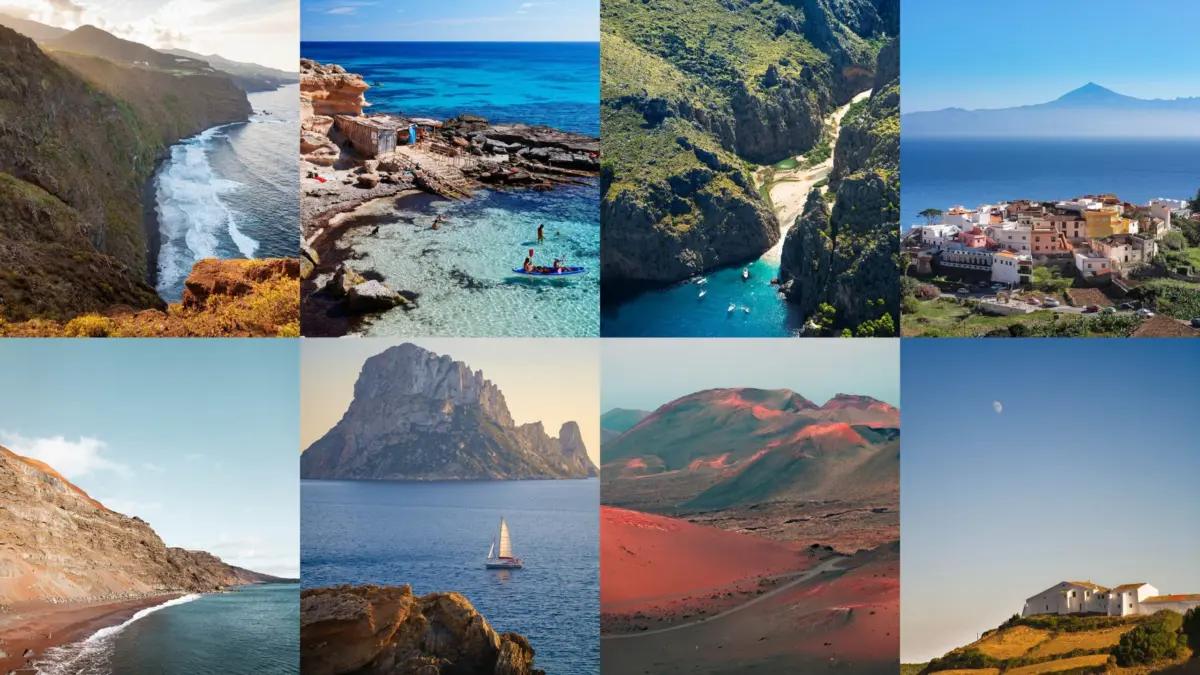
In the Balearic Islands, which have long served as a laboratory for Mediterranean resort design, the focus remains on balancing vibrant social scenes with secluded sanctuaries of relaxation. Mallorca and Ibiza, in particular, continue to attract significant investment in high-end hospitality, resulting in properties that respect traditional Mallorcan architecture—such as restored fincas and rural estates—while introducing world-class amenities and contemporary art collections. These hotels often act as cultural hubs, showcasing local craftsmanship, organic gastronomy, and wellness philosophies rooted in the rhythms of the Mediterranean landscape.

Further south, the Canary Islands offer an entirely different hospitality landscape shaped by dramatic volcanic topography, subtropical climates, and a unique blend of Spanish and African influences. Properties in Tenerife, Gran Canaria, Lanzarote, and La Gomera leverage their extraordinary natural surroundings to create immersive retreats. Here, the architectural vernacular often responds to the stark beauty of black sand beaches, ancient laurel forests, and towering volcanic peaks, resulting in design-forward hotels that feel both grounding and otherworldly. Editors highlighting these properties frequently point to their pioneering efforts in sustainable tourism, particularly in regions where water conservation and ecological preservation are paramount.
The growing emphasis on experiential travel has also transformed the role of food and beverage within these top-tier island hotels. No longer content with standard resort dining, guests increasingly expect menus that tell the story of the region through hyper-local sourcing, collaboration with artisanal producers, and innovative interpretations of traditional island recipes. Many of the properties featured in editorial roundups house destination restaurants led by acclaimed chefs, turning the hotels themselves into culinary landmarks that draw visitors from across the islands.
Wellness, too, has evolved from an amenity-driven checkbox into a core philosophy for these leading properties. Whether through holistic spa treatments utilizing local botanicals such as olive oil, aloe vera, and volcanic minerals, or through architectural spaces designed to promote mental and physical restoration, top Spanish island hotels are increasingly conceptualized as sanctuaries for holistic well-being. This aligns with a broader post-pandemic travel trend wherein guests prioritize health, tranquility, and meaningful engagement with nature over frantic sightseeing itineraries.

As these destinations prepare for upcoming travel seasons, the spotlight on Spain’s premier island accommodations underscores the enduring appeal of the Mediterranean and Atlantic archipelagos. By continuously raising the standard of service, design, and environmental stewardship, these hotels not only define the cutting edge of European hospitality but also reinforce the position of Spain’s islands as some of the most compelling places to stay in the world today.