





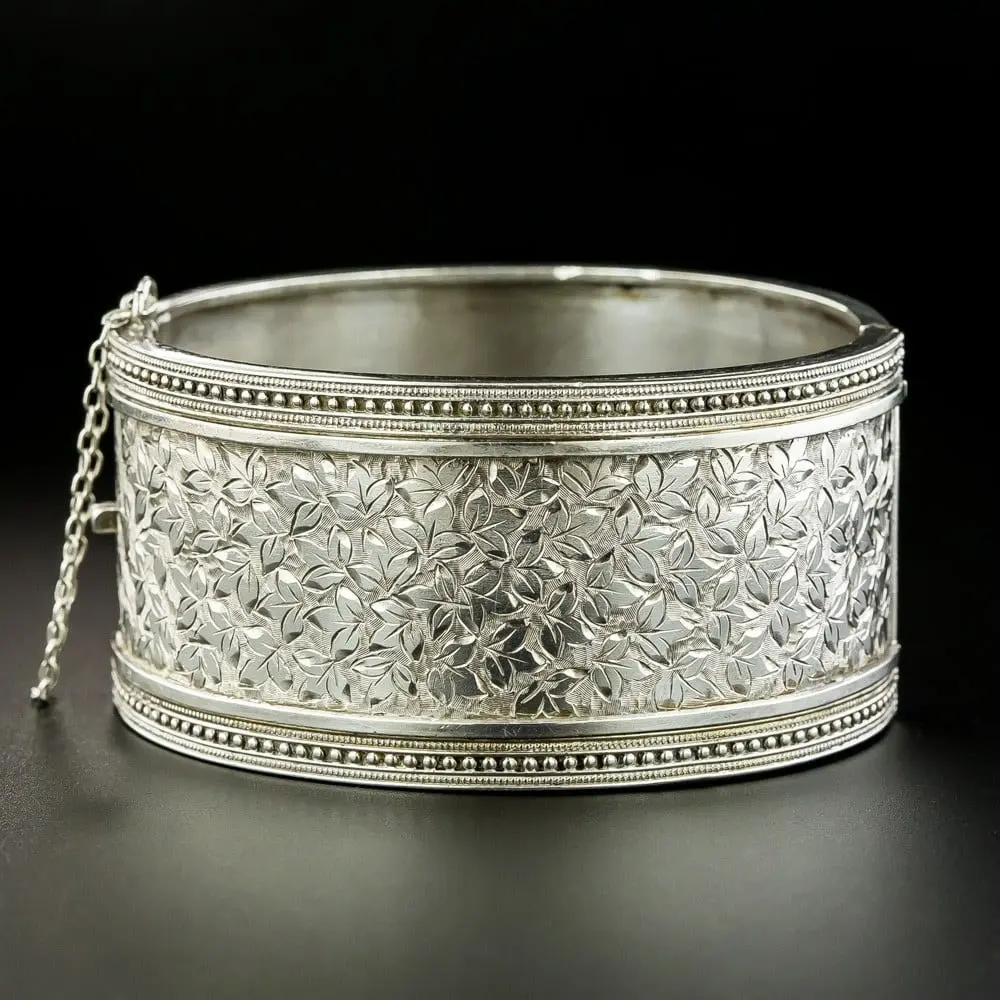
Silver has long captured human imagination as a brilliant, versatile precious metal. Represented on the Periodic Table of the Elements by the symbol Ag, silver is a white metallic element that is harder than gold, softer than copper, and second only to gold in both malleability and ductility. Beyond its physical properties, silver is an exceptional conductor of heat and electricity and belongs to the elite group of noble metals due to its remarkable resistance to oxidation. Historically, silver has played a prominent role in the production of fine jewelry and objets d’art. Because pure silver is naturally soft, it has traditionally been alloyed with other metals to provide the structural integrity required to maintain intricate shapes and fine details.
While silver is relatively inexpensive today when compared to precious metals like gold or platinum, dismissing its historical importance would be a grave mistake. At various points throughout history, silver was valued more highly than gold. When examining the sheer quantities of silver utilized in jewelry and decorative arts across the centuries, its use vastly outweighs all other precious metals by a large factor. Furthermore, this versatile white metal triggered far more technological advances in the fields of mining and metallurgy than its other precious metallic cousins. Entire economies have depended on its availability, and access to silver deposits has repeatedly shifted the balance of power, swung wars, and shaped the course of human history.
Bronze Age Silver Innovations
The story of silver begins near the end of the 4th millennium BC, when innovative inhabitants of modern-day Turkey discovered they could extract silver from lead through a metallurgical process known as cupellation. While very few silver artifacts from this nascent period have survived the millennia, those that remain offer extraordinary insights into the capabilities of Bronze Age silversmiths.
At the dawn of written history, silver served as a primary form of currency in Mesopotamia. Rather than circulating as standardized coins, silver was weighed out in bulk or shaped into rings. A Mesopotamian silversmith’s workshop closely resembled that of a goldsmith, and the two trades frequently operated out of the same establishment. Although silver is slightly less ductile than gold and requires more frequent annealing during the manufacturing process, it can still be cast, hammered into exceptionally thin sheets, engraved, embossed, worked in repoussé, and decorated with delicate filigree and granulation. Archaeological discoveries of ancient vessels, statuettes, and jewelry indicate that silversmiths of the era worked with high-purity silver, yielding objects of remarkable softness.
In ancient Egypt, society placed an immense value on the rare and exotic. The Egyptians went to extraordinary lengths to acquire prized materials from afar, such as lapis lazuli from Afghanistan. Silver arrived in Egypt along these same ancient trade routes and was treated with similar reverence, viewed as an exclusive material fit only for the highest echelons of society. While gold could be sourced relatively close to home from the mountains of the Eastern Desert and Nubia, pure silver had to be imported, making it worth more than gold during the early dynastic periods.
By approximately 1600 BC, however, the global supply of silver had grown considerably, causing its market value to drop to about half that of gold. By this time, it functioned as an abstract currency with a relatively constant value. The popularity of silver in Egyptian culture also fluctuated with changing fashions; King Tutankhamun’s famous tomb contained very few silver items, whereas Pharaoh Sheshonq II was buried in an all-silver sarcophagus.
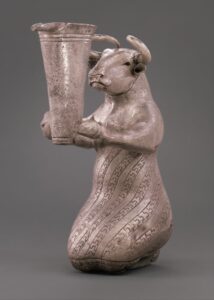
Across the Mediterranean, the Minoans and, to an even greater extent, the later Mycenaeans were prolific traders who handled significant quantities of silver. Numerous examples of early Greek silver jewelry have been recovered from archaeological excavations on the Greek mainland, Crete, and Cyprus. Meanwhile, the Phoenicians played a pivotal role in shaping Mediterranean civilizations through maritime colonization and extensive trade networks. It was the Phoenicians who initiated the large-scale exploitation of Spanish silver deposits, distributing the metal throughout the classical world and permanently shifting silver away from its former status as an exclusive, exotic commodity.
Classical Silver in Greece and Rome
For both ancient Greek and Roman societies, the availability of silver was of paramount importance because their monetary systems—specifically minted silver coinage—depended upon it. While archaeological records show that gold was more commonly used in surviving jewelry from the era, much of this disparity may be attributed to the continuous remelting and recycling of silver items. Surviving pieces demonstrate that silver was employed for every conceivable category of personal adornment, including finger rings, anklets, and armlets.
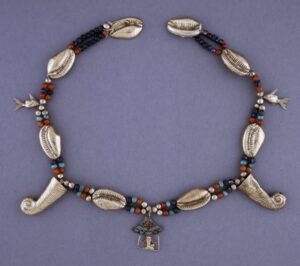
The Romans held a particular fondness for niello, a surface decoration technique closely related to enameling, executed using silver sulfate rather than glass. Niello proved to be much tougher than glass enamel and possessed a distinctive metallic luster rather than a vitreous one. During the Roman occupation of Northern Europe, the technique spread widely across the continent, as evidenced by Anglo-Saxon artifacts discovered in Britain and Eastern Europe.
Historical accounts, such as the observations of the Roman author Pliny in his monumental Naturalis Historia, provide a vivid window into Roman attitudes toward silver. Pliny documented the deep shafts sunk deep into the earth in search of silver ore, noting that the finest silver in the empire originated in Spain. He recorded that the mines originally opened by Hannibal in the Spanish provinces remained operational centuries later, with individual mines yielding hundreds of pounds of silver daily through grueling underground labor. Pliny also detailed various methods used by the Romans to test the purity of silver, the immense luxury displayed by citizens through extravagant silver plate, and the historical evolution from the republican frugality of early Roman leaders to the staggering opulence of the imperial era.
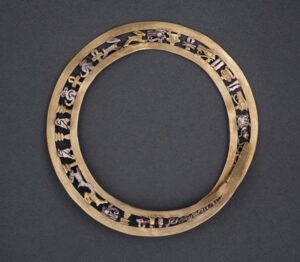
Celtic and Medieval Silver Traditions
Celtic tribes made extensive use of silver, often pairing it with bronze for the creation of elaborate jewelry. Decorated brooches, torcs, and crescent-shaped lunulae were among the most common items produced. Prior to the Roman invasion, the Celts did not use standardized coinage, relying instead on "ring money." These standardized rings—crafted from silver, copper, bronze, or gold—were not intended to be worn as personal adornments, but served strictly as a circulating medium of exchange.
With the collapse of Roman supply lines and trade networks, gold became an extreme rarity in Europe, elevating silver to the primary metal utilized for jewelry. Germanic jewelry of the migration period consisted largely of functional items such as fibulae, disc brooches, penannular brooches, and belt buckles, predominantly fashioned from silver and occasionally gilded or inlaid with precious stones, with red garnets being the most popular choice by far.
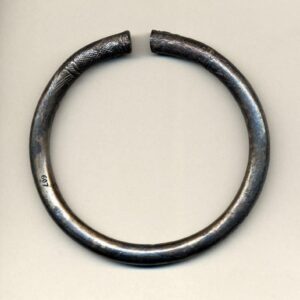
Beginning around 800 AD, Viking raids and conquests along the northwestern European coast funneled enormous quantities of silver into Scandinavia, where local silversmiths flourished and silver jewelry became a deeply ingrained cultural tradition. The subsequent discovery of rich Swedish silver deposits around the turn of the first millennium further fueled this widespread preference for silver adornment. The Roman affinity for niello was also adopted by Germanic tribes, who utilized the stark black-and-white color combination to create high visual contrast against intricate Germanic engraving patterns.
Among the finest surviving examples of this era is the Fuller Brooch, an Anglo-Saxon circular silver brooch dating to the 9th century and now housed in the British Museum. Hammered from sheet metal and extensively inlaid with niello, the brooch features intricate openwork framing a central roundel divided into compartments. These panels display personifications of the Five Senses surrounded by geometric animal and human motifs symbolizing aspects of creation.
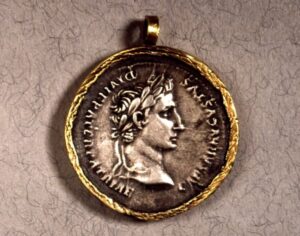
As medieval society developed and trade routes to the East were gradually re-established, gold reclaimed its traditional position as the preferred metal for fine jewelry. Nevertheless, this same commercial expansion allowed a burgeoning middle class to emerge, enabling individuals outside the wealthy ruling classes to adorn themselves. Those with limited budgets routinely turned to silver jewelry as an accessible and attractive alternative. The repertoire of silver ornaments expanded beyond purely functional items to encompass decorative and symbolic pieces, including finger rings, bangles, and pendants. By the end of the Middle Ages, both silver jewelry and silverware became subject to formal assaying and hallmarking regulations.
Renaissance and Baroque Silver Expansion
The Renaissance, spanning roughly from 1500 to 1600, was characterized by intensified trade with the Levant and the post-plague demographic recovery of Europe. Urban centers in northern coastal regions, such as the Netherlands, experienced exponential growth alongside the rise of a prosperous urban middle class. Following the fall of Constantinople in 1453, many Byzantine scholars fled to Europe, bringing classical knowledge that had been obscured throughout the Middle Ages, while Italy emerged as a cultural and financial hub fueled by trade with Asia and the power of the Church.
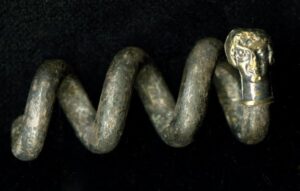
The Age of Discovery dramatically altered the global availability of precious metals. Following Christopher Columbus’s arrival in the Americas, Spanish, Portuguese, French, and English explorers competed to establish colonial empires. Conquistadors such as Francisco Pizarro and Hernán Cortés subjugated the Inca and Aztec civilizations, paving the way for massive silver extraction. Following the discovery of exceptionally rich silver deposits in modern-day Mexico in 1546, vast quantities of silver were funneled into international trade networks, with some shipments traveling directly from South America across the Pacific to China to acquire Asian commodities. While traditional silverworking techniques remained largely unchanged from the medieval period, the sheer abundance of American silver arriving in Europe ensured that the metal remained widely available for coinage and affordable jewelry production.
During the Baroque period (1600 to 1700), the continuous influx of South American silver intensified. The Netherlands emerged as a dominant maritime and economic power, frequently engaging in naval conflicts with Spain and England over heavily laden silver galleons returning from the New World. While silverworking methods remained stable, significant stylistic innovations emerged. Portable timepieces became a major novelty and were frequently housed in silver cases. Additionally, silversmiths began utilizing silver as a setting for diamonds. This white metal perfectly complemented the absence of color in diamonds, which were arriving in Europe in unprecedented quantities following the establishment of direct trade routes with Indian markets by European maritime powers.
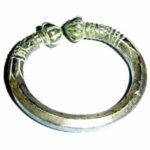
Georgian and Victorian Silver Evolution
During the Georgian era, continuous new discoveries of silver in South America maintained high production levels. The Baroque fashion of setting diamonds in silver blossomed into standard practice. Diamonds flowed into Europe in massive quantities from India and, after 1727, from newly discovered deposits in Brazil. While fine jewelry was often constructed from gold with silver-topped fronts, solid silver items remained common. The characteristic cut-down collet settings of Georgian jewelry were almost exclusively fashioned from silver to harmonize with the bright, silvery light of the diamonds they encased.
A major manufacturing milestone occurred in 1777 with the introduction of die striking for jewelry production. This technique involved stamping and cutting precious metal components using specialized steel dies, presses, or drop hammers, after which the stamped components were hand-assembled into finished pieces. This cost-effective manufacturing innovation birthed the first mass-produced jewelry lines, making items significantly more affordable than traditional handmade pieces. Naturally, accessible metals like silver were heavily utilized in this process, flooding the market with die-struck silver jewelry.
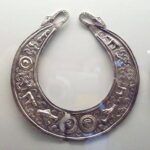
During the Victorian era, the height of the Industrial Revolution transformed jewelry manufacturing. Silver was extensively utilized in mechanized stamping and die striking, techniques perfected over the course of the 19th century. Following Queen Victoria and Prince Albert’s acquisition of Balmoral Castle in Scotland in 1848, Scottish agate jewelry surged in popularity, predominantly executed in silver in accordance with Northern European craft traditions.
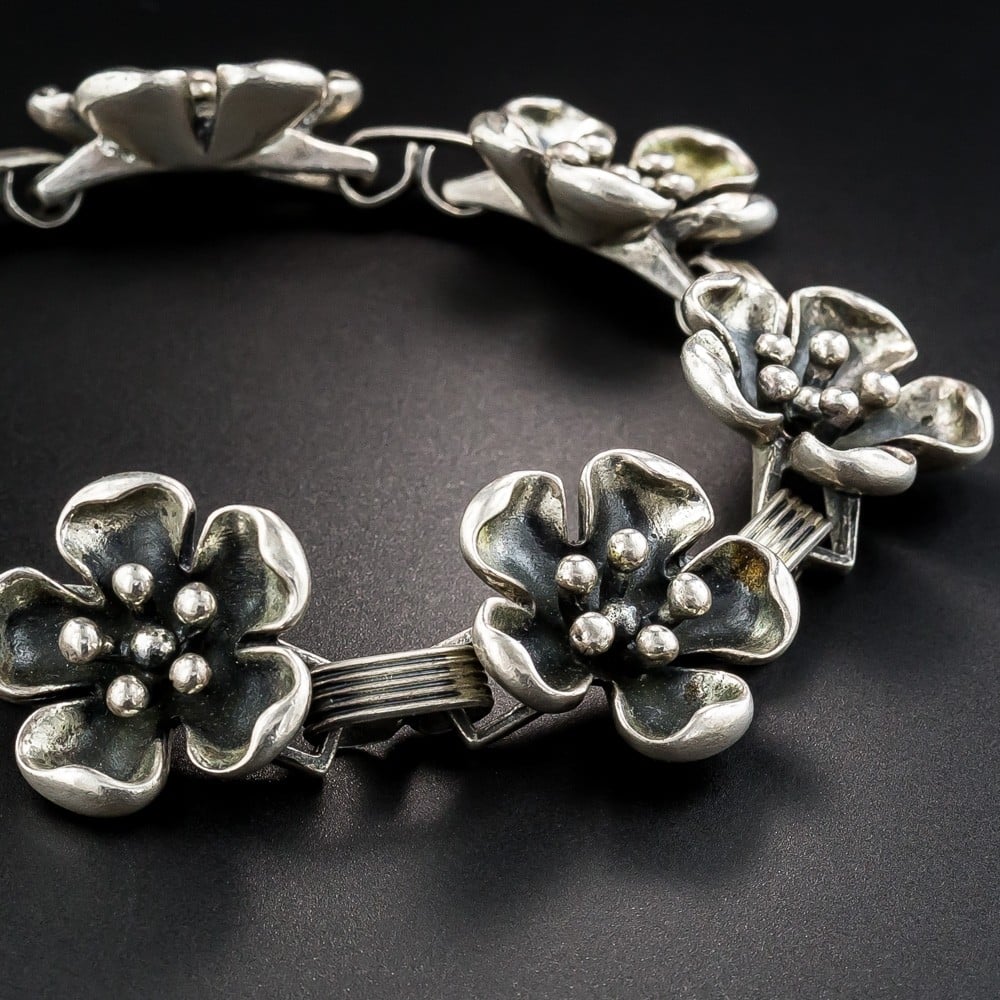
Toward the end of the Victorian period, the Arts and Crafts movement emerged as a direct aesthetic reaction against the mass industrialization of jewelry manufacturing. Arts and Crafts artisans prioritized artistic design and handcraftsmanship over the intrinsic financial value of raw materials. Consequently, these designers favored cabochon-cut gemstones in simple bezel settings and overwhelmingly chose silver over gold, cementing silver’s enduring artistic legacy well into the modern era.