




The term accessoires, or accessories, encompasses a rich and fascinating history of items that men and women have historically worn or carried not merely for aesthetic appeal, but for practical, daily purposes. Far from being simple decorative afterthoughts in the modern sartorial landscape, historical accessories were essential, highly functional utensils and nécessaires that played a vital role in the daily routines of past centuries.
Historical Roots: Utility Suspended in Elegance
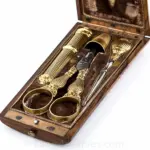
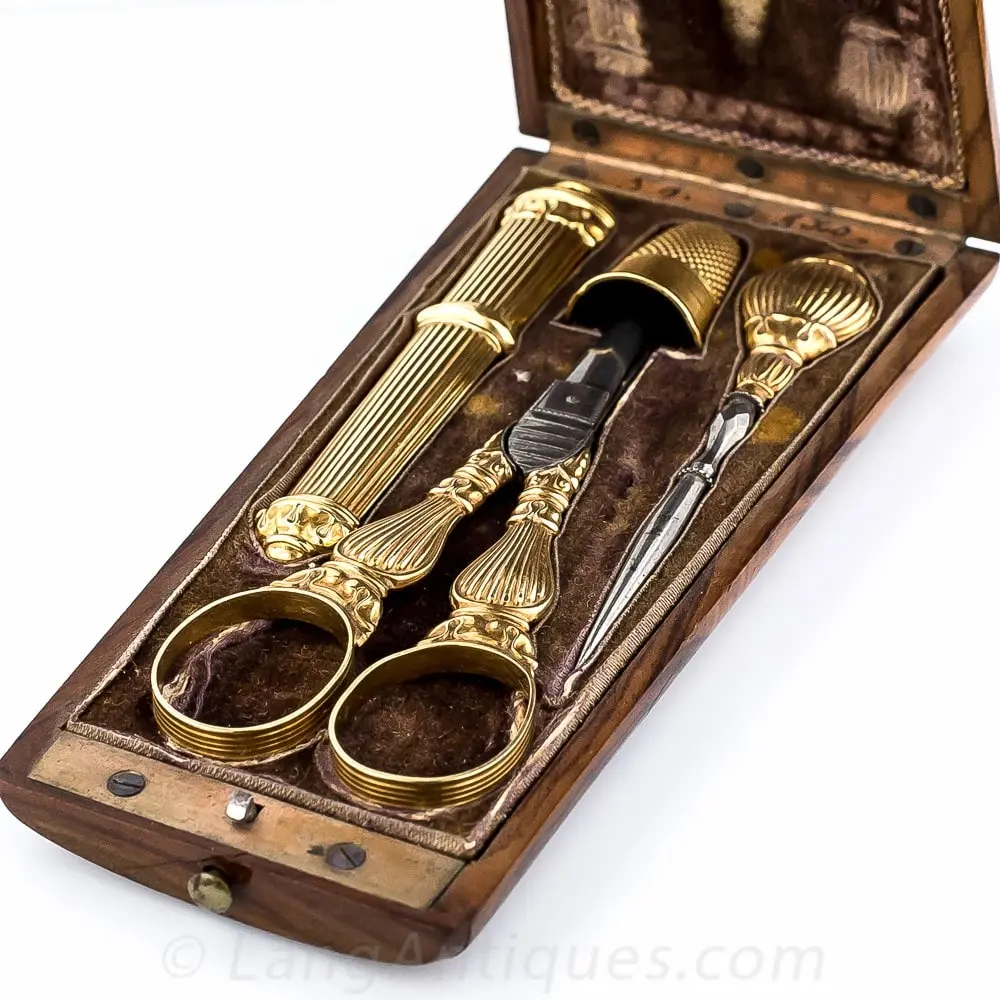
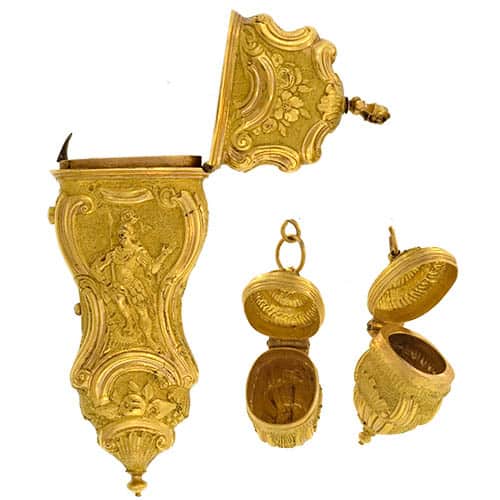
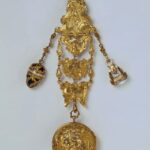
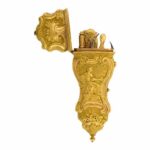
In historical contexts, accessories were often utilitarian instruments suspended delicately from a châtelaine—a decorative belt hook or clasp worn from the waist—or attached securely to a pocket watch chain. Frequently, these intricate tools were safely housed within an étui, a small, ornate ornamental case designed to hold needles, small pencils, knives, scissors, tweezers, and other delicate implements.
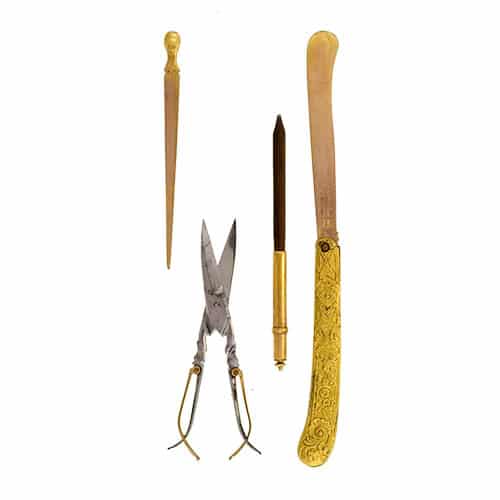
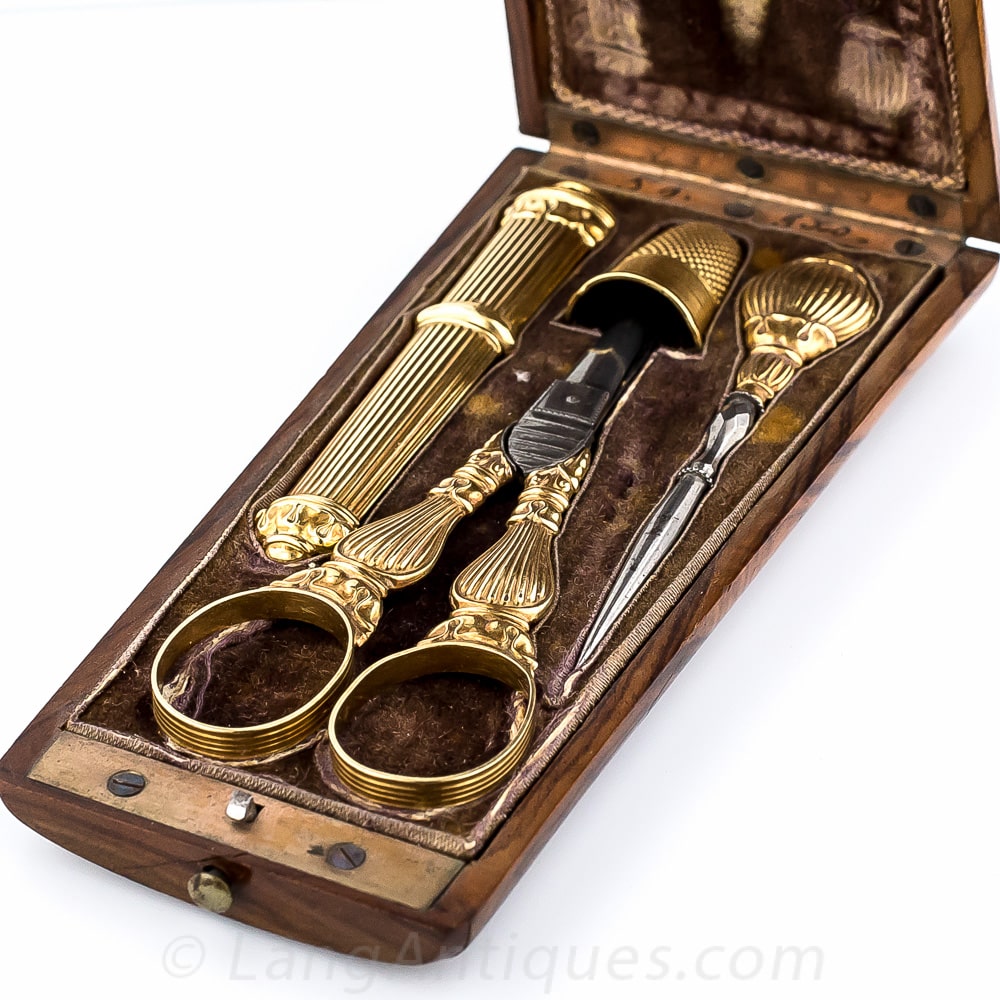
Along with the étui, items such as pomanders—small perforated containers holding aromatic substances or perfumes—were a common and striking sight dangling from historical châtelaines. These pieces were masterclasses in craftsmanship, often forged from precious metals, intricately engraved, and designed to keep essential daily tools close at hand. Whether it was a finely fitted antique French gold sewing kit housed in a custom box or a specialized set of miniature instruments, these historical accessories bridged the gap between high fashion and everyday utility.
The Transition to Modernity: From Nécessaire to Contemporary Elegance
As societal norms, fashion, and technology evolved through the centuries, the definition and function of the accessoire shifted correspondingly. While the eighteenth and nineteenth centuries favored multi-functional personal toolkits suspended from the waist, the twentieth century ushered in a new era of personal items designed for a rapidly modernizing lifestyle.
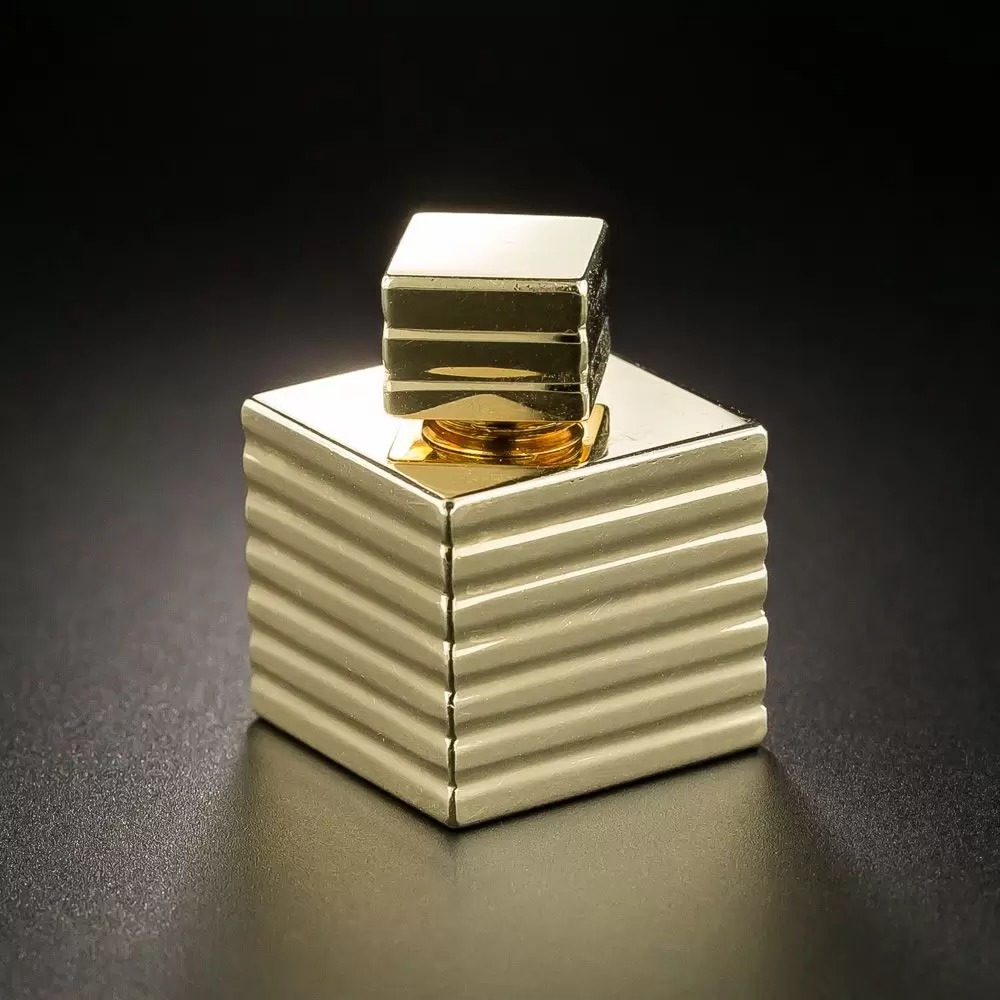
More contemporary accessories began to reflect the changing habits of society, shifting away from sewing gear and writing instruments toward items tailored for personal grooming, social outings, and leisure. A modern accessoire quickly came to include items such as a decorative compact for powder, a sleek lipstick case, a refined cigarette case, or an exquisite minaudière—a small, rigid evening bag often functioning as a jeweled case for various small essentials.
Despite these shifts in form and function, the core definition of an accessory has remained fundamentally tied to the concept of completion. Whether referring to a historical étui and châtelaine ensemble or modern belts, handbags, and fashion items utilized to pull together a complete wardrobe look, accessories have perpetually served as the finishing touch to an individual’s presentation.
Preserving the Legacy of Historical Accessories
Today, collectors, historians, and fashion enthusiasts continue to study and preserve these remarkable items, finding immense value in the artistry and ingenuity of past eras. Museums and private collections around the world—such as the Victoria & Albert Museum—house magnificent examples of eighteenth-century equipages, gold and gilt-chased châtelaines, rock crystal seals, and intricate sewing kits, offering a tangible link to the daily lives of previous generations.
As the broader narrative of fashion continues to move forward, understanding the rich lineage of the accessoire provides a deeper appreciation for how utility and style have forever remained intertwined in the human wardrobe.