





The dedicated shopping app, which was first spotted and brought to public attention by social media consultant Matt Navarra, is currently available for download on both iOS and Android platforms in Singapore, Malaysia, Thailand, and the Philippines. By breaking its shopping infrastructure out of the main entertainment app and housing it in a dedicated destination, TikTok is positioning its retail ecosystem to compete more directly and aggressively with established global e-commerce powerhouses like Amazon, Temu, and other regional shopping giants.
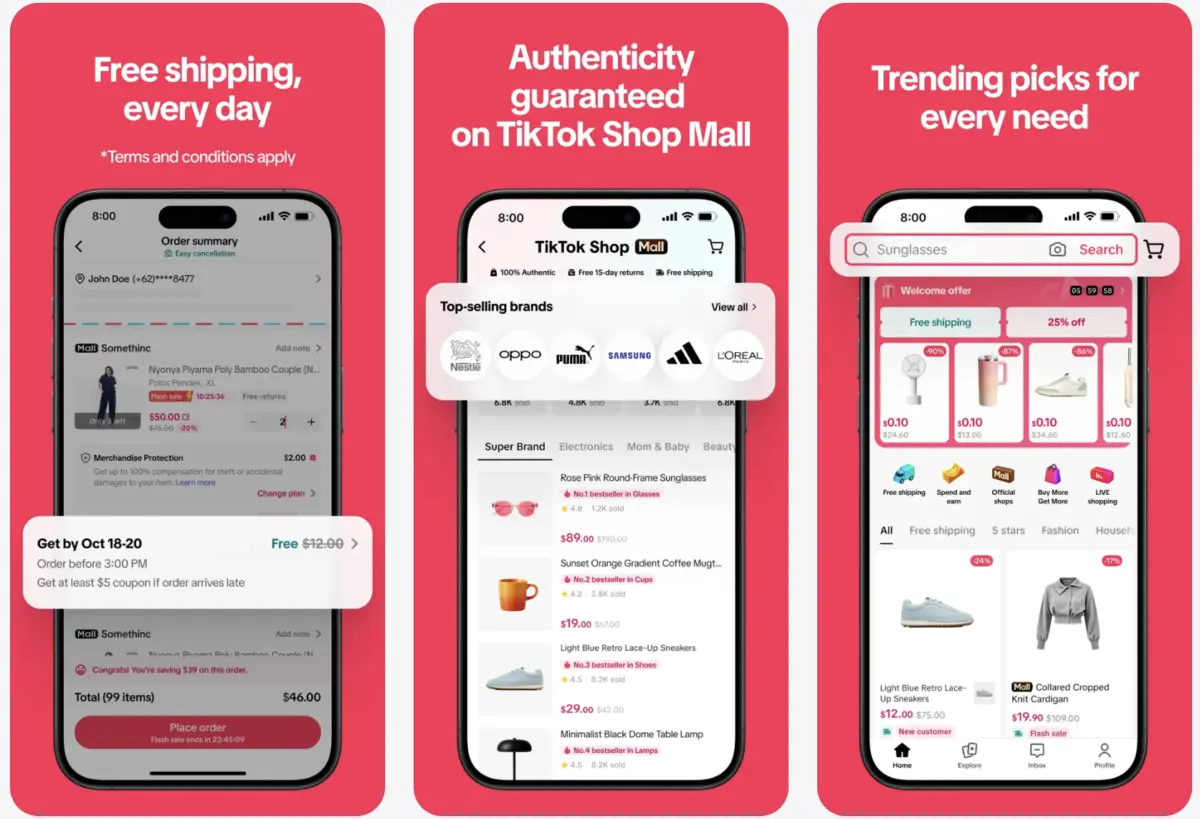
According to app store listings and initial software descriptions, the new stand-alone TikTok Shop application offers a comprehensive suite of retail features designed to streamline the digital consumer experience. Users can browse personalized product recommendations tailored to their shopping habits, purchase items seamlessly through integrated livestreams and short-form videos, access app-exclusive deals and first-order benefits, utilize secure in-app checkout systems, track their active orders, and connect directly with customer support representatives.
The strategic rollout of a dedicated application indicates that TikTok is prepared to invest more heavily and deliberately in social commerce. Rather than relying solely on the built-in tab of its primary entertainment app, the company is creating a standalone hub where consumer intent is explicitly focused on shopping from the moment the application is opened.
As part of its initial user acquisition and retention strategy, the app’s descriptions highlight perks such as free shipping offers, exclusive first-order benefits, and secure payment processing for safe checkout. By reserving certain deals and incentives exclusively for the stand-alone app, TikTok is actively encouraging its massive user base to transition their shopping habits away from the main entertainment feed and into the dedicated commerce environment.
Despite the notable international rollout, TikTok did not immediately respond to requests for comment regarding the strategic release or its future global deployment plans. Consequently, it remains unclear whether the company intends to expand the availability of the stand-alone app to other major Western markets, most notably the United States.
If TikTok ultimately decides to introduce the stand-alone shopping application to the U.S. market, it would enter a fiercely contested retail battlefield. Beyond going head-to-head with e-commerce giants like Amazon and rapidly growing cross-border discount platforms like Temu, TikTok would also find itself competing against entrenched big-box retailers such as Walmart and Target. Over recent years, American consumers have grown increasingly comfortable and accustomed to routinely browsing, purchasing, and managing orders directly through these traditional brick-and-mortar retailers’ proprietary applications.
Interestingly, the introduction of TikTok’s stand-alone shopping app creates a fascinating full-circle moment in the intense competitive rivalry between TikTok and Amazon. The move mirrors a strategic play previously made by the retail titan itself. A couple of years ago, Amazon introduced Inspire, a TikTok-like short-form video shopping feed explicitly designed to capture consumer attention, support both photos and videos, and draw eyeballs away from entertainment apps like TikTok to drive immediate merchandise sales on Amazon’s own platform.
Now, TikTok is executing a nearly identical strategic maneuver in reverse. By launching a dedicated, stand-alone commerce application, TikTok is attempting to pull consumers away from browsing and buying on platforms like Amazon, funneling them instead into its own proprietary retail ecosystem to fuel continuous transaction growth.
The quiet launch of the shop application also marks another major milestone in TikTok’s broader, long-term corporate strategy to branch out far beyond its original boundaries as a social media and entertainment app. Although the company initially captured global cultural dominance through its short-form video networking platform, it has gradually ventured into an eclectic array of new business verticals over the past several years.
In addition to expanding TikTok Shop into a standalone retail destination, the company has methodically rolled out a diverse collection of features within and around its ecosystem. These include integrated casual games, local restaurant guides, dedicated sports hubs, hotel booking integrations, and serialized microdramas, alongside active exploration of digital payment solutions.
As these multifaceted digital services continue to mature, the introduction of a dedicated shopping app demonstrates that TikTok’s leadership views e-commerce not just as a supplementary revenue stream or an advertising mechanism, but as a core pillar of its future identity as an all-encompassing digital platform.