




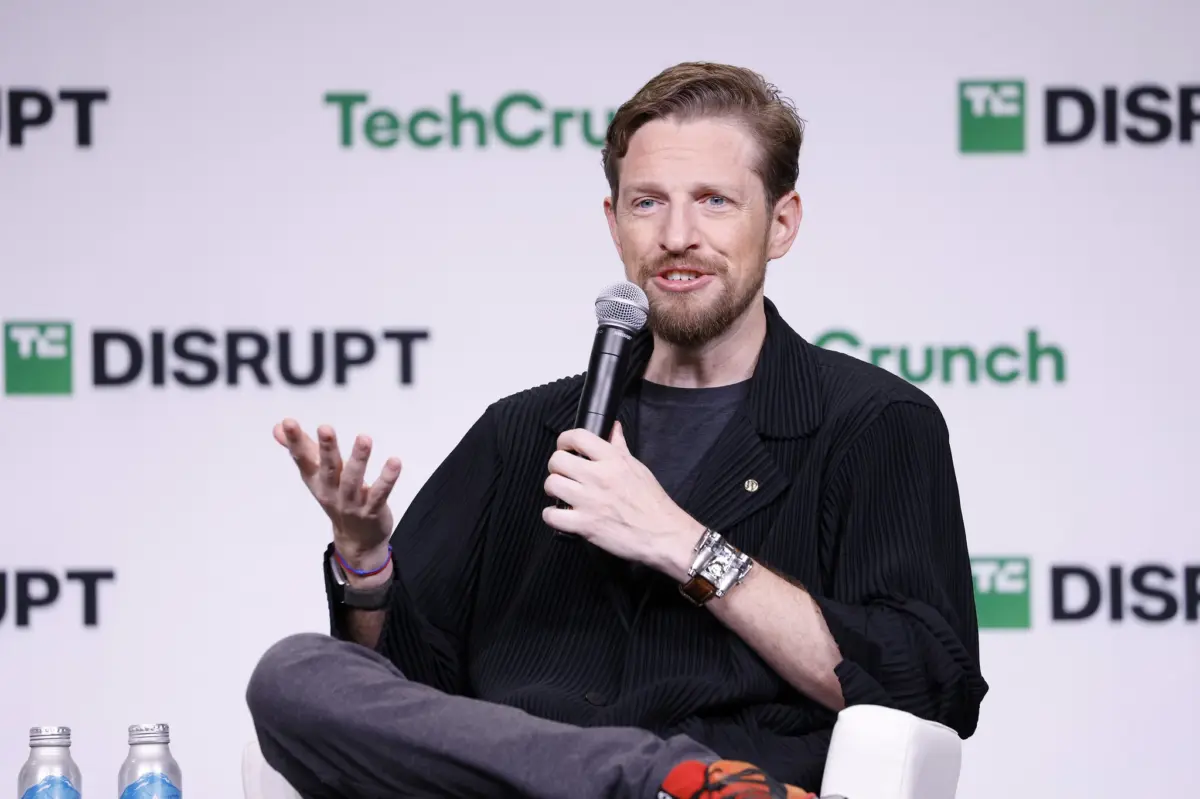
Matt Mullenweg, the high-profile founder and chief executive officer of Automattic—the commercial giant best known as the parent company of WordPress.com, Tumblr, WooCommerce, and Pocket Casts—has been removed from his position and placed on an involuntary paid leave of absence by the company’s board of directors.
The dramatic upheaval came to light on Wednesday when Mullenweg broadcast the news himself in an internal Slack channel visible to all Automattic employees. According to the message, which was reviewed by tech publications, Mullenweg detailed how the company’s chief financial officer, Mark Davies, had orchestrated a behind-the-scenes boardroom maneuver alongside fellow board members Ann Dunwoody, Toni Schneider, and Sue Decker to strip him of his executive duties.
The stunning internal message detailed the sudden and contentious nature of the vote. Mullenweg informed his staff that he would not be able to attend a scheduled company meeting the following day, writing that Mark Davies had conspired with Ann Dunwoody, Toni Schneider, and Sue Decker behind his back to push through a vote placing him on a paid leave of absence. Mullenweg stated that he had voted against the measure, expressed his well-wishes to Davies and the rest of the workforce, and clarified that Davies had been voted in as the company’s interim CEO.
Furthermore, Mullenweg revealed that he had received the formal resolution a mere 50 minutes before the board meeting commenced. Despite repeated appeals for a short extension—even just a few hours—to allow independent legal counsel to review the document, his requests were summarily denied by the board.
The executive shift was swiftly corroborated outside the corporate corridors of Automattic. Mary Hubbard, the executive director of the open-source WordPress.org project, posted a message in the community’s open-source Slack workspace confirming Mullenweg’s change of status at the commercial entity. However, Hubbard rushed to reassure the developer community that the foundational WordPress.org project remained entirely unaffected by the corporate turmoil. She emphasized that Matt remained the leader of the broader WordPress project, that she continued to serve as its executive director, and that all teams, priorities, and development work would proceed strictly as planned.
While Mullenweg’s initial corporate message did not explicitly detail the underlying catalyst for the board’s drastic action, industry reporting and statements from within the company began to paint a clearer picture. Sources told outlets that Toni Schneider—who previously served as Automattic’s CEO from 2006 to 2014 before transitioning to the board—confirmed that the disciplinary action was indeed initiated directly by the directors. Meanwhile, Mark Davies stepped into the communication channels to assure employees that despite losing his executive role, Mullenweg would retain his seat on Automattic’s board of directors.
Automattic formally confirmed the leadership change in an official emailed statement to the media, asserting full confidence in the incoming interim leadership. The company stated that Matt Mullenweg is currently on leave from Automattic, that Mark Davies will lead the enterprise as interim CEO, and that the board holds complete confidence in Davies’ leadership and the broader team’s ability to execute against the company’s core strategic priorities.
Mullenweg’s ouster marks a breathtaking twist in the history of a company he founded in 2003, shortly after he co-created WordPress, the open-source content management system that now powers a massive share of the internet. Over the past several years, however, Mullenweg and Automattic have found themselves increasingly embroiled in high-stakes controversies, bitter public disputes, and complex litigation.
Chief among these legal flashpoints is Automattic’s protracted and fiercely contested legal battle with WP Engine, a major WordPress web hosting competitor. The hostilities erupted after Mullenweg publicly accused WP Engine of financially profiting from the open-source WordPress ecosystem without appropriately contributing back to its community and maintenance. Mullenweg openly demanded that WP Engine pay 8% of its monthly gross revenue as a royalty fee for utilizing the valuable WordPress brand and trademark.
The conflict rapidly escalated into the courtroom. WP Engine filed a sweeping lawsuit against Automattic and Mullenweg in October 2024, accusing them of defamation, tortious interference, and an abuse of corporate power. Automattic countered by filing its own aggressive counterclaims. The legal feud only intensified over the following months; by February, new court filings revealed that WP Engine claimed Automattic had actively planned to target at least 10 additional industry competitors with similar royalty demands and financial extraction strategies.
The toxic atmosphere surrounding the litigation heavily impacted Automattic’s internal culture. Tensions grew so palpable under Mullenweg’s leadership that in late 2024, he publicly invited employees who disagreed with his crusade against WP Engine to resign in exchange for severance packages—an offer accepted by 159 workers who chose to exit the company.
Internal friction was compounded by controversial actions within the open-source governance sphere. Last year, Mullenweg threatened to summarily deactivate the user accounts of several prominent members of the WordPress.org community. The threats came after two community members allegedly discussed plans to spearhead a new, forked version of the open-source software project. Although those individuals publicly denied having such plans, sources indicated that Mullenweg proceeded with deactivating their accounts, alongside those of several other long-standing contributors, drawing fierce criticism from open-source advocates.
Compounding these operational and cultural strains, Automattic executed a deep round of layoffs in April 2025, cutting approximately 16% of its total workforce. The painful downsizing notably swept away numerous longtime employees who had dedicated more than a decade of service to the company, leaving remaining staff reeling.
In the wake of Mullenweg’s suspension, reactions within the company have been deeply polarized. According to sources in touch with former employees and alumni who reached out to gauge internal sentiment, some current workers expressed feelings of "ecstasy" and "relief" over the leadership change. Conversely, many others admitted to experiencing mixed emotions, warning that unseating the long-time visionary leader in such an abrupt manner risks injecting even greater instability into an already shaken organization.
Speculation immediately mounted regarding the precise timing of the board’s intervention. One observer suggested a possible link to Mullenweg’s customary annual pilgrimage to the Burning Man festival, an event from which he typically returns brimming with unconventional ideas. This year’s festival concluded on September 7, bringing him back into the corporate fold just days before the board delivered its resolution.
Mullenweg himself appeared to drop heavy hints regarding the board’s underlying motivations through a series of candid posts published on X late Wednesday evening. In one post, he acknowledged the severe pressures of the ongoing litigation, writing that there was a realistic chance that adversaries could convince a judge that he had maliciously spoiled evidence or attempted to hide compromising material—allegations that he vehemently and categorically denied.
In subsequent posts, Mullenweg warned his followers to brace for a coordinated PR offensive. He predicted that he would soon become the target of targeted smear campaigns, urging people to prepare for sensationalized rumors or hit pieces reminiscent of tabloid journalism. He recounted a minor incident from his time at Burning Man, where his Nikon D6 camera was temporarily stolen before being recovered a day later, noting with relief that out of the thousands of photos on the memory card, there was nothing his detractors could weaponize against him. He punctuated these defiant remarks by sharing several artistic photographs he had captured during the festival.
Mullenweg did not respond to subsequent emailed requests for comment as the corporate shockwaves continued to reverberate across the tech landscape.