





The history of the diamond is a captivating tale that stretches across millennia, moving from ancient translation debates and mysterious origins to the bustling medieval trading hubs of Europe and the technological marvels of the modern era. While modern consumers often view diamonds as timeless symbols of luxury, the ways in which these rare gems have been perceived, traded, and shaped have undergone profound transformations.
Pre-Roman Diamonds and Ancient Origins
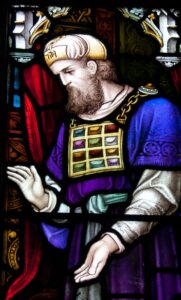
The early history of the diamond is deeply shrouded in mystery, with the exact timeline of when these stones first played a role in human lives remaining largely unknown. References in ancient texts have frequently caused readers to believe that diamonds were widely known during biblical times. For instance, the Book of Exodus details the breastpiece of judgment, listing a stone in the second row that has often been translated as a diamond. However, this interpretation stems from the erroneous translation of the Hebrew word yahalom and the Greek term adamas.
A careful examination of historical literature reveals that accurately translating ancient texts presents significant challenges. The Hebrew yahalom—derived from halam, meaning "to beat"—and the Greek adamas, meaning "indomitable" or "invincible," have long been sources of linguistic confusion. While these words certainly indicated extremely hard minerals, assuming they specifically referred to diamonds reflects a modern perspective. Similarly, Greek literature featuring the word adamas, such as writings by Plato, provides zero concrete proof that diamonds were known to the Greeks. Scholars suggest adamas was likely used to describe gold, non-noble metals, or perhaps corundum.
Early gemological historians lacked access to translated Sanskrit texts, meaning India’s own rich historical sources on diamond use were largely overlooked in the West. Yet, while the exact time diamonds entered human life remains unclear, their geographical origin is certain: India. An ancient Indian work titled the Arthasastra, dating back to the 4th century BC, provides the first definitive insight into early diamond utilization. By this period, diamonds were actively known, traded, and taxed in India. The text mentions specialized diamond experts alongside a sophisticated system of classification, implying a thorough, long-standing knowledge of the subject.
Roman Diamonds and Early Perceptions
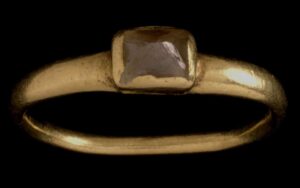
Diamonds were certainly known to and worn by the Romans, who prized them highly as ring stones. Several surviving rings featuring uncut diamonds remain preserved today in the collections of The British Museum. The Roman writer Pliny the Elder discussed diamonds in his monumental Naturalis Historia, describing them as substances possessing the greatest value not only among precious stones, but among all human possessions.
Interestingly, Pliny did not mention any fashioning or cutting of the stones. Instead, he highlighted their incredible hardness and described their perfect cleavage, noting how the stones resisted blows upon an anvil to the point of splitting the iron itself. When diamonds did break, Pliny observed, they fractured into minute particles that engravers eagerly utilized to cut other hard substances.
Despite these accurate observations, modern experts note that Pliny likely confused certain minerals with diamonds. Herbert Tillander, a noted historian of diamond cutting, expressed doubt that the Romans had access to perfect diamond crystals, as Indian suppliers would naturally have reserved superior stones for local markets. Furthermore, ancient beliefs held that the divine crystal would lose its protective powers against mishaps if altered from its natural state. Consequently, cutting diamonds was viewed as both a taboo and an immense technical challenge.
The Introduction of Diamond Cutting
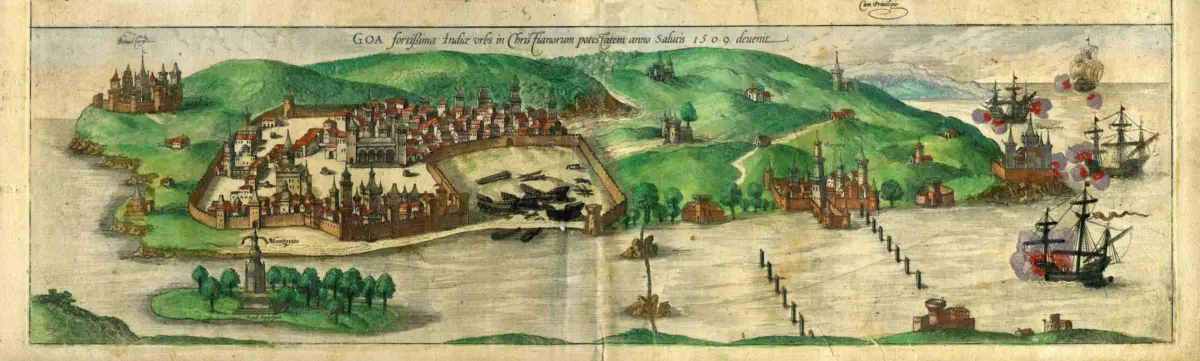
Following the decline of the Roman Empire, diamonds temporarily disappeared from European jewelry altogether. India remained the sole source of diamonds until the 18th century, but trade routes to Western Europe were severely disrupted by the loss of Roman merchants. Concurrently, the spread of Christianity subdued the popularity of the gem by condemning the superstitious attributes previously associated with it.
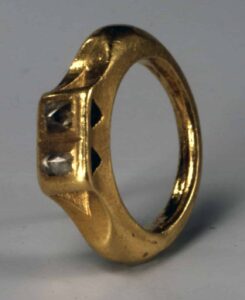
Conversely, diamonds retained their popularity throughout the Indian and Islamic worlds. Historic sources from these regions offer fascinating insights into early technological advancements. The Ratnapariska by Buddha Bhatta, an Indian text dating back at least to the 6th century, advised that stones with visible flaws should not be used as gems, but could instead be ground down for polishing other gemstones. Since polishing gems requires more than just a whole crystal, this text clearly references the creation of diamond powder.
By the 10th century, Islamic scholar Al-Biruni documented that Indian lapidary workers and Islamic jewelers were actively grinding diamonds to polish other stones. Interestingly, Al-Biruni also dismissed certain stones as diamonds simply because their crystal faces could be polished, indicating that polishing diamonds with diamond dust was not yet practiced in the 10th century.
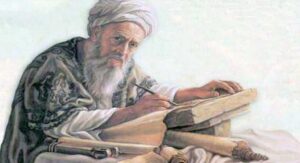
However, a significant milestone arrived by the 13th century. Noted jewelry historian Jack Ogden reported examining medieval Islamic jewelry dating to this period that featured simple table-cut diamonds, representing the oldest known cut diamonds in existence. This finding aligns with the Indian text Agastimata, written shortly after the 13th century, which explicitly stated that diamonds could only be polished using other diamonds.
The Evolution of Craftsmanship in Europe
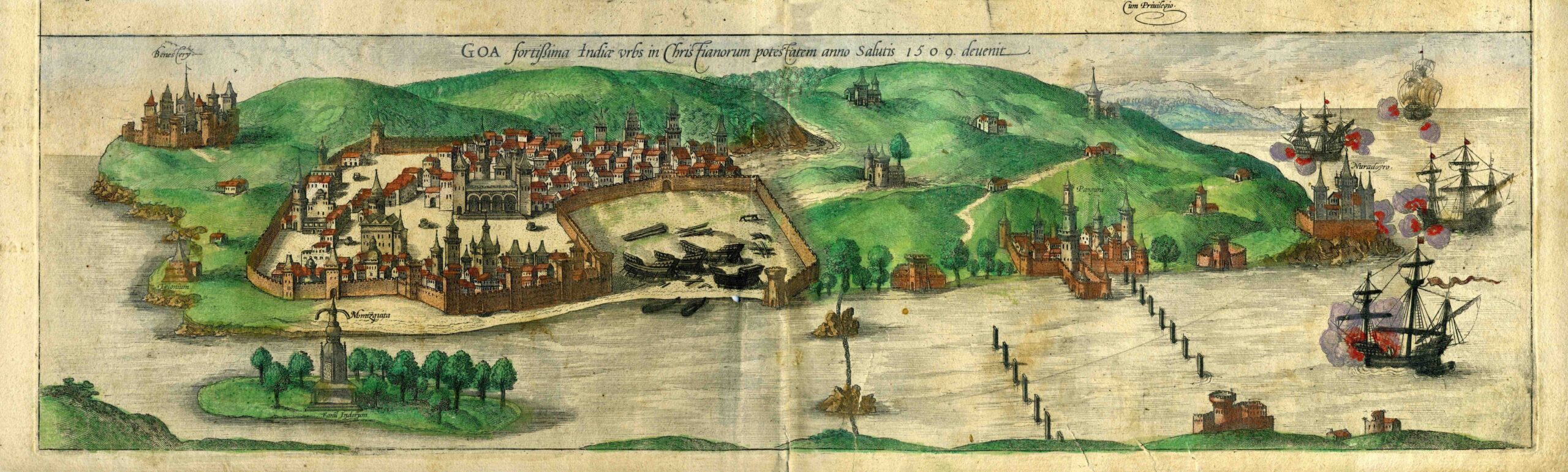
European diamond cutting likely originated in Venice shortly after 1330, coinciding with Venetian merchants reopening trade routes to the East. While it remains unclear whether cutting techniques were directly imported or independently invented in Europe, Islamic merchants were already familiar with cleaving diamonds and grinding inferior stones into powder.
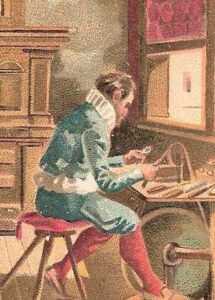
As European demand grew, the lack of a steady supply of perfectly shaped crystals forced early cutters to work with whatever rough materials they could acquire. Initially, cutting was limited to the superficial polishing of natural rough. However, the introduction of continuous rotary motion in craft tools during the 15th century enabled artisans to grind facets into diamonds with greater precision, sparking broader creativity and a wider variety of cuts.
As the European economic center shifted northward toward the North Sea by the late 15th century, cities like Paris, Bruges, and Antwerp emerged as the primary polishing centers. Because these cutting communities operated outside the traditional guild system, Jewish artisans—who had fled persecution and the Inquisition in Spain, Portugal, and France—were able to participate in the trade, driving rapid advancements in cutting techniques.
By the 16th century, the traditional reverence for the natural crystal shape began to fade, replaced by genuine faceting techniques. Court documents from cities like Augsburg record significant weight losses during polishing, illustrating a bold new willingness to reshape stones. The Rose cut emerged during this period, alongside early table cuts enhanced with extra facets on both the crown and pavilion. Longer rectangular stones known as "hogbacks" served as forerunners to the modern baguette cut.
Renowned artist and goldsmith Benvenuto Cellini documented these 16th-century techniques in meticulous detail in his 1768 treatises. Cellini described how diamonds had to be rubbed against one another because of their extreme hardness—a process of diamond cutting diamond—while the resulting diamond powder mixed with oil was used on a fine steel wheel to achieve a final polish.
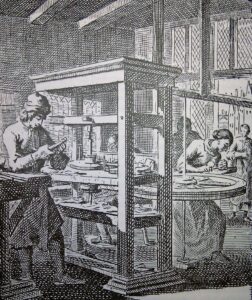
Grinding, Cleaving, and Sawing
Understanding the physical properties of diamonds is essential to appreciating the history of their cut. Beyond being the hardest substance on earth, diamonds possess "directional hardness," meaning they are harder in certain crystallographic directions than in others. For example, octahedral crystal faces lie in planes of immense relative hardness and cannot be easily polished, requiring cutters to orient facets at slight angles to these planes.
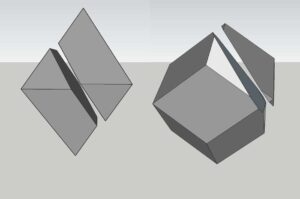
Furthermore, while diamonds score highest on the hardness scale, they exhibit perfect cleavage along specific planes, allowing them to fracture smoothly when precise force is applied. While ancient peoples used diamond fragments for engraving, and mid-13th-century Islamic writer Ahmad ibn Yasuf al Tifaschi noted diamond cleavage, the intentional use of cleaving for gem cutting became a post-medieval innovation. Early 17th-century publications by Anselmus de Boodt formally documented the practice, while Jean-Baptiste Tavernier observed in 1665 that Indian miners were exceptionally skilled at cleaving flawed stones.
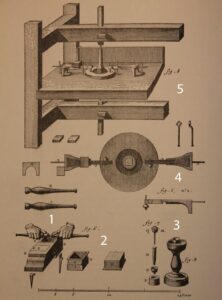
The repertoire of cutting techniques was eventually completed with the introduction of diamond sawing. Described in 1647 by Johannes de Laet, this method involved running a thin wire dressed with a mixture of oil and diamond powder across the stone. Although labor-intensive, this technique persisted alongside cleaving well into the 19th century.
Indian Diamond Cutting and Mughal Traditions
Travel accounts by Jean-Baptiste Tavernier in his Six Voyages provide invaluable insights into 17th-century Indian diamond fashioning. Tavernier described mills operated by multiple workers, noting that Indian cutters utilized assistants to continuously apply oil and diamond powder to the wheel using wooden spoons.
Although Indian cutting wheels operated at slower speeds than their European counterparts, Indian artisans demonstrated remarkable skill in working with difficult stones containing natural knots or irregularities that European cutters frequently refused to handle. Diamonds cut in India during the 16th, 17th, and 18th centuries are collectively referred to as having the Mughal Cut, a term describing origin and era rather than a specific geometric shape.
Baroque Roses and the Birth of the Brilliants
During the late 16th century, the Rose cut evolved into a standardized form characterized by a flat bottom and a dome-covered crown featuring triangular facets. As its popularity surged through the Baroque era, Rose-cut diamonds grew increasingly thick and domed to accommodate bulkier rough materials.
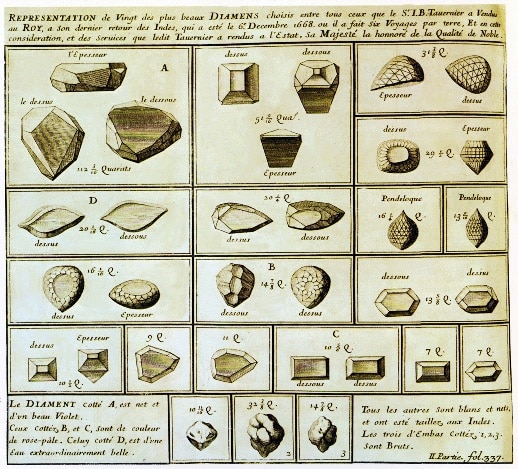
Concurrently, candle-lit Baroque gatherings demanded stones with greater sparkle, paving the way for early brilliants. These inaugural brilliants were far from symmetrical, featuring various outlines determined by the shape of the original rough crystal. Dodecahedral rough yielded rounded shapes, while octahedral rough produced square configurations with rounded corners—the historic precursors to the modern cushion cut. These stones featured pavilion-based cuts with triangular and diamond-shaped facets on both the crown and pavilion, laying the foundation for future innovations like the Marquise cut.
The Brazilian Discovery and the Shift in Availability
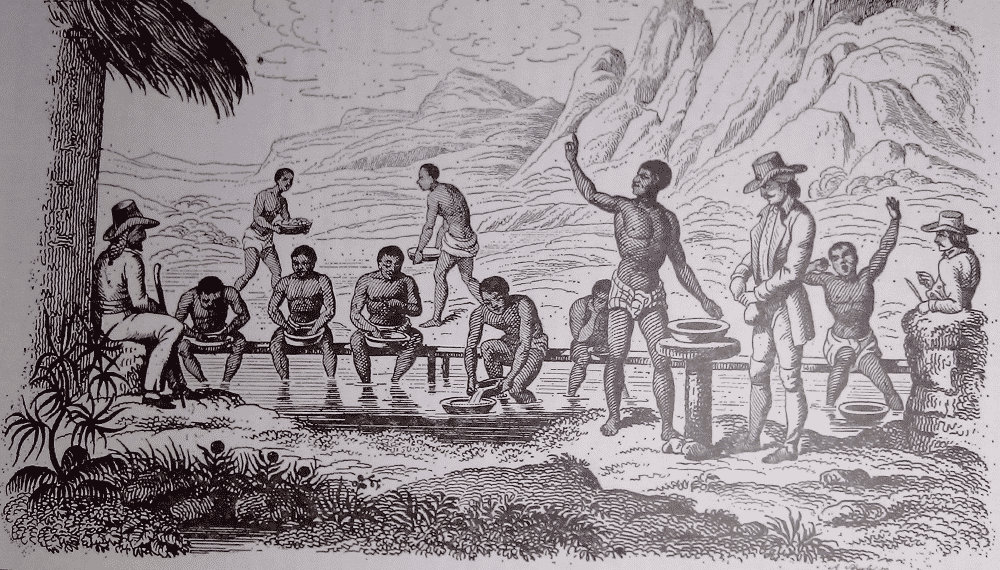
Just as India’s historic diamond mines began to exhaust their supplies, groundbreaking discoveries emerged in Brazil around 1725 in alluvial deposits near Diamantina. By 1730, steady production was underway, and continuous prospecting throughout the 18th century dramatically boosted the global availability of diamond rough.

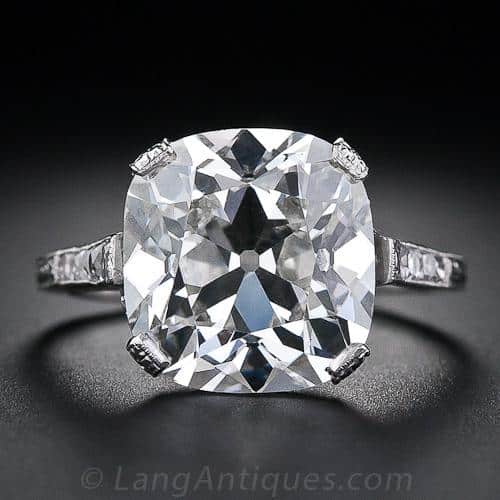
This massive influx caused rough diamond prices to plummet to roughly thirty percent of their previous values, democratizing the gem. No longer reserved exclusively for European nobility, diamonds became accessible to a much broader public. The expanding cutting industry embraced the Brilliant cut, steering the 18th and 19th centuries into the era of Old Mine Cut stones.
The South African Rush and Modern Industrialization
The 19th century brought renewed prosperity and a surging middle class across Europe and the United States, driving unprecedented demand for diamond jewelry. As Brazilian production declined toward the mid-19th century, diamond prices climbed once again, placing financial pressure on European cutting centers in London, Antwerp, and Amsterdam.

The discovery of the Eureka diamond in South Africa around 1867 arrived as a vital rescue for the struggling European cutting industries. A massive influx of South African rough, paired with revolutionary technological inventions, completely transformed the ancient craft into a modern industrial powerhouse. In the early 1870s, Henry D. Morse and Charles M. Field patented steam-driven bruting machines, followed by the invention of the first electric bruting machine in 1891 and the motorized diamond saw in 1900.
These mechanical advancements enabled cutters to achieve unprecedented symmetry, giving rise to the modern round brilliant and specialized geometric shapes such as the Asscher cut in 1902 and the Princess cut in the 1960s.
Although the devastating impact of the Holocaust during World War II severely disrupted the historic cutting centers of Antwerp and Amsterdam, the global industry adapted. New hubs flourished in Israel, India, and beyond. Today, contemporary advancements—including virtual 3D modeling for optimal yield analysis and high-precision laser sawing—continue to shape the enduring evolution of the diamond cutting trade.