







In an era defined by perpetual connectivity, endless notifications, and the omnipresent glow of social media feeds, the consumer electronics market is witnessing a quiet counter-revolution. Enter Meadow, a uniquely conceived minimalist mobile device built entirely around a singular, paradoxical premise: it is a phone explicitly designed to be taken out while your actual smartphone stays safely left behind at home. As the first major wave of production devices begins reaching preorder customers, Meadow offers a fascinating physical and philosophical solution to modern digital fatigue, stripping away the bloat of contemporary pocket technology to isolate only the tools required to navigate the physical world.
Measuring a compact three inches square, Meadow looks almost like someone took a standard contemporary smartphone and cropped it down to its most fundamental, utilitarian corner. Its proportions are deliberately chunky and slightly unconventional, standing in stark contrast to the ultra-thin, elongated black rectangles that consumers have grown accustomed to carrying for the past decade and a half. Beneath its unusual form factor, the device runs on a customized version of Android, though users will find no sprawling, open app store waiting to fill the compact display with endless time-sinks, productivity trackers, or algorithmic feeds. Instead, the software comes pre-loaded with a strictly fixed, curated group of services focused on a specific lifecycle: getting somewhere, meeting someone, listening to something, and heading home.
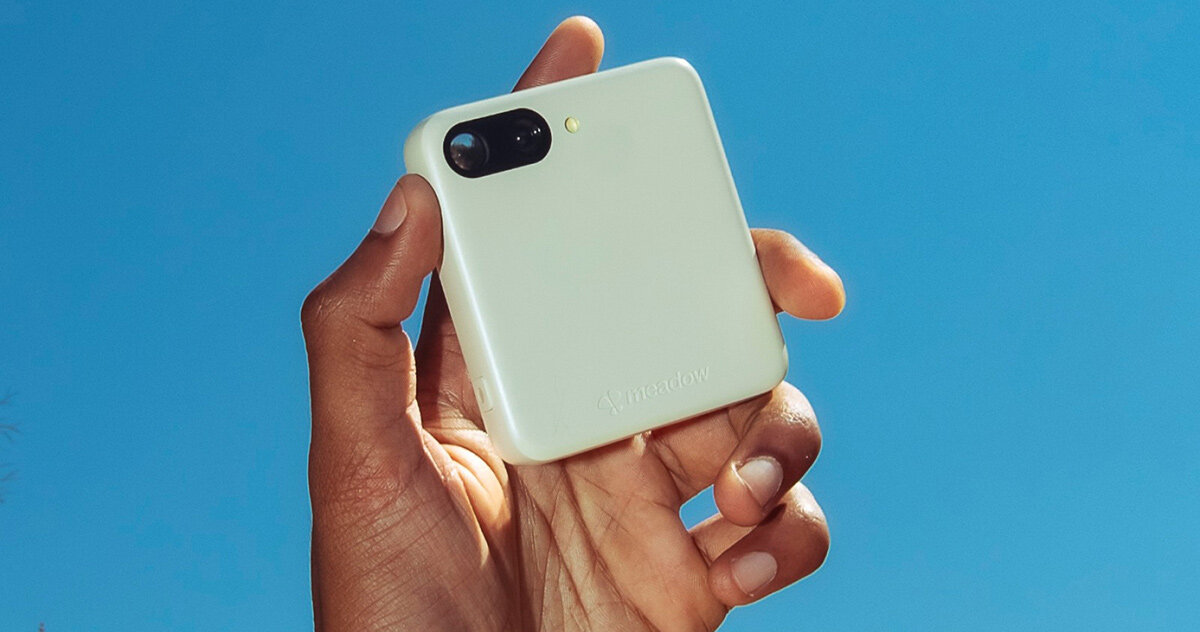
The core feature set is refreshingly brief. Essential communications are handled through standard phone calls and text messaging. Navigation and urban transit are supported by built-in maps and ride-sharing services like Uber. For audio entertainment, streaming giants Spotify and Apple Music are integrated directly into the compact screen, while digital ticketing functionality allows users to easily pull up barcodes and passes at the door of a concert hall, theater, or community event. It is a minimalist toolkit designed to facilitate real-world participation rather than digital escapism, ensuring that a user can travel across a bustling city without feeling entirely cut off from civilization, yet completely insulated from the relentless ping of work emails and breaking news alerts.
The Camera Makes You Wait
Perhaps the most radical departure from contemporary mobile design philosophy can be found in Meadow’s approach to photography. In an age where digital cameras are engineered for instant gratification—permitting immediate zooming, pixel-peeping, deletion, retaking, and instantaneous sharing across social networks—Meadow intentionally introduces friction into the photographic process.
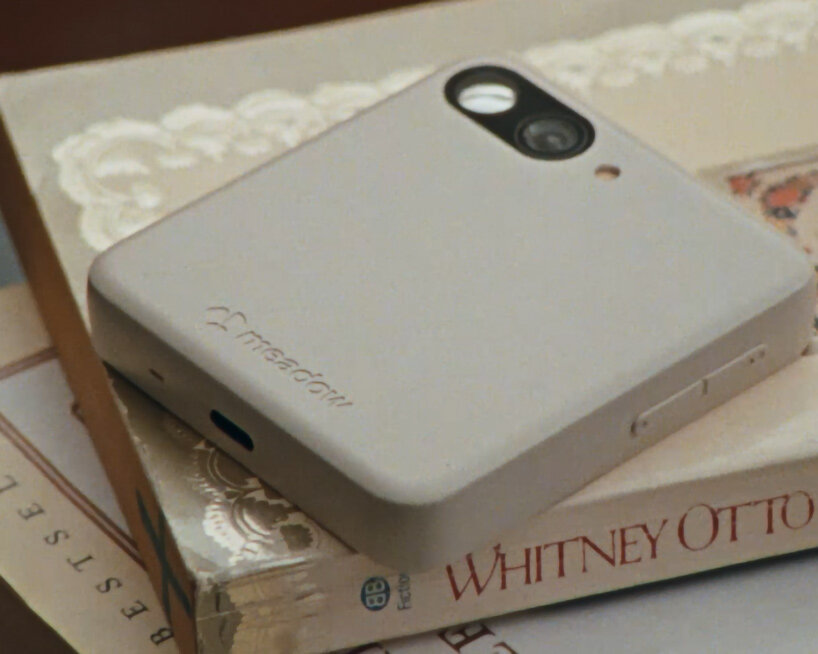
The device features a single rear-facing camera lens accompanied by a tiny, physical mirror positioned directly beside it to help users frame a selfie. Tellingly, the conventional front-facing camera, which has become a staple of modern smartphones for video calls and endless self-documentation, has been entirely eliminated. When a user captures a photo or records a video on Meadow, the image does not instantly appear on the screen for review, editing, or approval. Instead, the media files are quietly sent away to sync in the background for viewing later.
This design choice fundamentally alters a deeply ingrained, almost subconscious modern gesture: take the picture, check the screen, delete the fluffed attempt, apply a filter, and put the device away. Meadow preserves the core act of documentation—giving the user the photograph to cherish later—while elegantly separating the act of taking the picture from the act of consuming it. By removing the immediate feedback loop, the device encourages users to remain present in the moment they are capturing, trusting their own eyes and memory rather than seeking immediate digital validation through a three-inch screen.
A Second Phone Comes with a Second Number
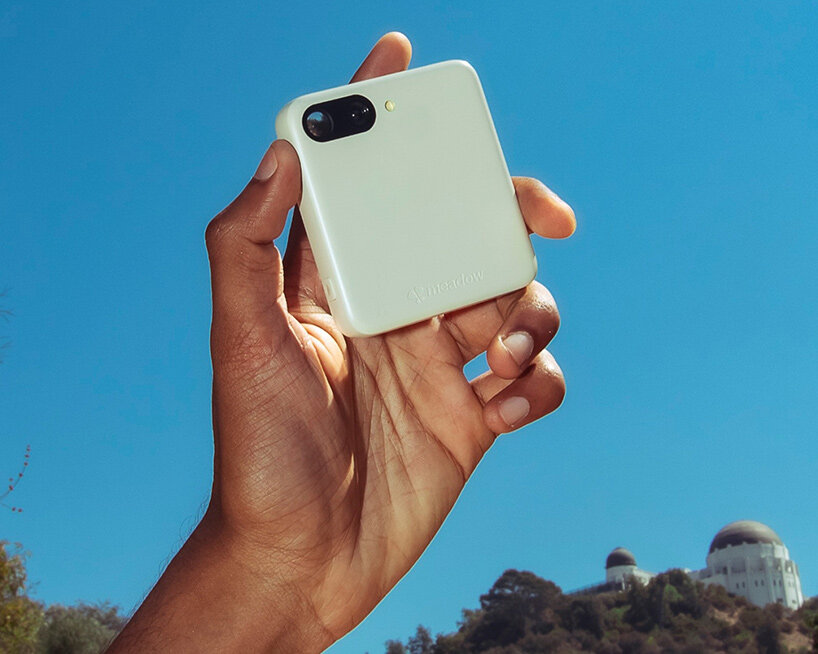
Because Meadow is designed to function entirely independently from a user’s primary mobile device, it requires its own dedicated cellular connection and phone number. Rather than relying on Bluetooth tethering or simple companion software running on a main handset, Meadow operates as a standalone communication tool. In the United States, network service is powered by T-Mobile, with dedicated cellular plans starting at $15 per month.
This operational independence means that adopting Meadow involves a slightly more deliberate commitment than simply toggling a "focus mode," a "do not disturb" profile, or a minimalist launcher on an existing iPhone or Android flagship. Users must consciously decide which phone to slip into their pocket before walking out the front door. However, that very friction is precisely the point. The physical separation ensures that the primary source of digital distraction remains powered down and sitting on a kitchen counter or a bedside table miles away.
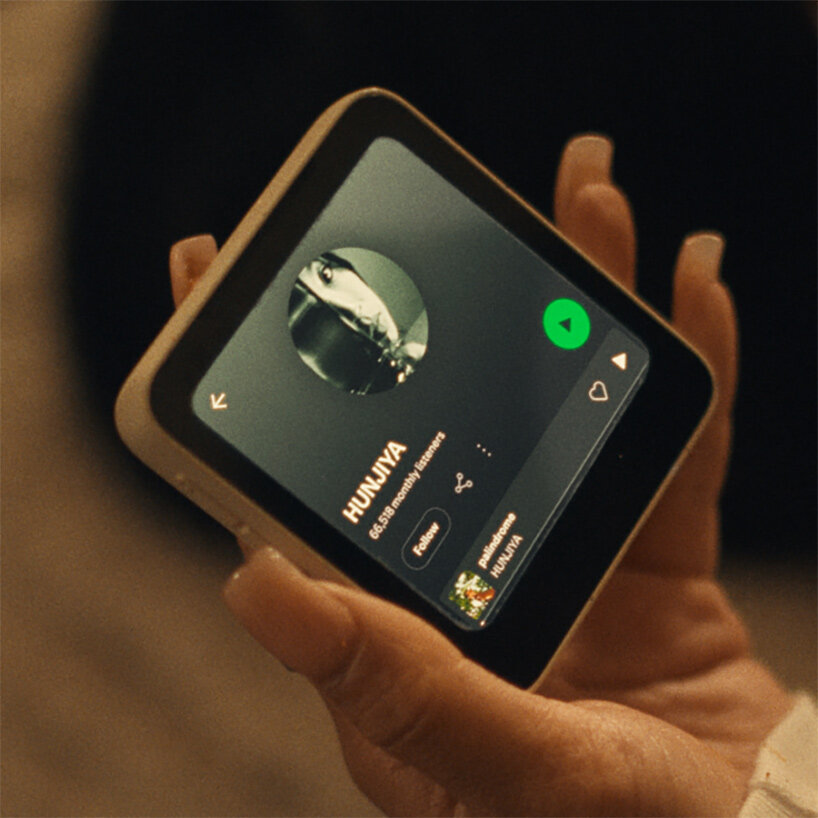
As the first larger batch of Meadow devices makes its way to the doorstep of early supporters, the device joins a growing, highly scrutinized category of alternative communication hardware built around the philosophy of digital minimalism and intentional friction. Yet, Meadow’s approach stands out for its literal interpretation of the concept: it takes the specific pieces of a smartphone that help a person navigate, listen, and travel through a city, packages them into a charmingly diminutive square object, and leaves everything else behind where it belongs.