





AMSTERDAM — An ongoing controversy surrounding Dutch media coverage of blockbuster weight loss drugs has taken a new turn, with revelations that the regulatory crackdown was initiated not by proactive state oversight, but by a formal complaint from a competing pharmaceutical manufacturer.
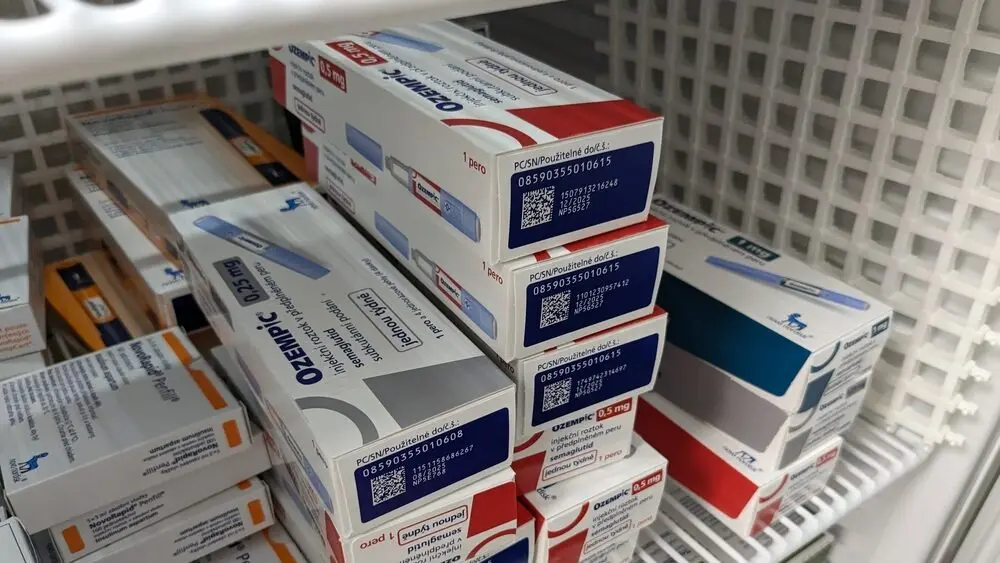
Major Dutch newspapers—including NRC, De Telegraaf, de Volkskrant, and Algemeen Dagblad (AD)—were sanctioned in August by the Dutch Health and Youth Care Inspectorate (IGJ). The regulatory body ruled that articles published by these outlets regarding popular medications such as Ozempic, Wegovy, and Mounjaro were excessively positive, thereby violating strict national laws against the commercial advertising of prescription-only drugs.
However, according to new reporting published by NRC, legal counsel representing the mastheads discovered that the IGJ did not flag the coverage on its own initiative. Instead, the inspectorate stepped in only after being formally petitioned to enforce the Dutch Medicines Act by Goodlife, the commercial distributor of Mysimba, a rival weight loss drug.
The revelation has sent shockwaves through the Dutch media landscape, raising serious ethical questions about regulatory independence, the weaponization of administrative laws, and the chilling effect such enforcement actions could have on independent medical and health journalism.
A Commercial Battleground in the Media
At the heart of the dispute is the Dutch Medicines Act, legislation originally passed in 1992 with the primary objective of protecting public health by strictly prohibiting commercial entities from advertising pharmaceutical products that require a doctor’s prescription. While drugs like Ozempic—a brand name for semaglutide, which belongs to a class of medications known as GLP-1 receptor agonists—are widely utilized for weight management in various international jurisdictions, Dutch medical guidelines dictate that doctors may only prescribe them for the treatment of type 2 diabetes. Off-label use for obesity, though prevalent, remains a sensitive and heavily debated topic.
Goodlife’s intervention appears to have been driven by market positioning. According to NRC, one of the primary grievances lodged by the company was that the journalistic coverage featured in outlets like NRC and de Volkskrant was inherently unbalanced. Specifically, Goodlife complained about the "complete absence of references to Mysimba in the majority of media reports," arguing that the hyper-focus on a handful of dominant injectable drugs created a distorted marketplace and an unfair promotional advantage.
Representatives of the targeted media organizations have expressed deep alarm over the inspectorate’s willingness to act upon a competitor’s prompting in a commercial space.
Lucas Brouwers, the deputy editor of NRC, criticized the mechanism that brought the inspectorate down on the press. Speaking on the matter, Brouwers noted that the IGJ did not stumble upon the articles organically, but was instead guided to them by a company actively selling a competing slimming medicine. He emphasized that the publication is profoundly concerned that media organizations are being unwittingly dragged into a commercial battle through the machinery of a government health inspectorate.
Echoing these concerns, de Volkskrant editor Pieter Klok warned that if the regulatory fines are upheld upon appeal, it would create a dangerous precedent, rendering it practically impossible for health and science reporters to cover ongoing developments in medical treatments and pharmacology. Klok described the situation as worsening an already objectionable scenario, noting that while he held major principal objections to the fines from the outset, the involvement of a commercial competitor renders the enforcement arbitrary. He stressed that the IGJ must fiercely guard its independence and avoid allowing itself to be leveraged by competing private parties for market advantage.
On the other side of the dispute, Maarten Kok, the medical director of Goodlife, defended the company’s decision to approach the regulator. In statements provided to NRC, Kok asserted that the broad reporting on obesity treatments across the Dutch media landscape "gave a one-sided and incomplete picture in which only a limited number of medicines were repeatedly and overwhelmingly positively highlighted."
Broader Press Freedom Concerns and Ongoing Appeals
The fallout from the IGJ’s August rulings has extended far beyond the print sector. Major publishing houses DPG Media and Mediahuis, which collectively own the sanctioned newspaper titles, have confirmed they are moving forward with legal appeals to challenge the validity of the fines.
The regulatory scrutiny has also brushed against broadcast journalism. Goodlife reportedly trained its sights on Nieuwsuur, a prominent Dutch TV current affairs program, demanding that the show alter its editorial choices. The pressure came after the broadcast network aired an extensive four-part investigative series examining the mechanisms and societal impacts of medications like Ozempic and Wegovy, which simulate the action of the natural hormone GLP-1 to signal fullness to the brain.
During the production of the series, Goodlife demanded that reporter Lune van der Meulen include Mysimba within the scope of the broadcast. When the journalist rejected the demand, the company reportedly threatened to seek a court injunction to block the broadcast. The legal threat was ultimately dropped only after Van der Meulen publicly addressed the pressure on air, disclosing that the programme had been directly contacted by a distributor attempting to influence editorial content.
As the legal challenges proceed, media advocates and editors across the Netherlands continue to monitor the situation closely, warning that the intersection of strict pharmaceutical advertising laws and aggressive corporate lobbying poses a distinct threat to the freedom and integrity of medical journalism.