





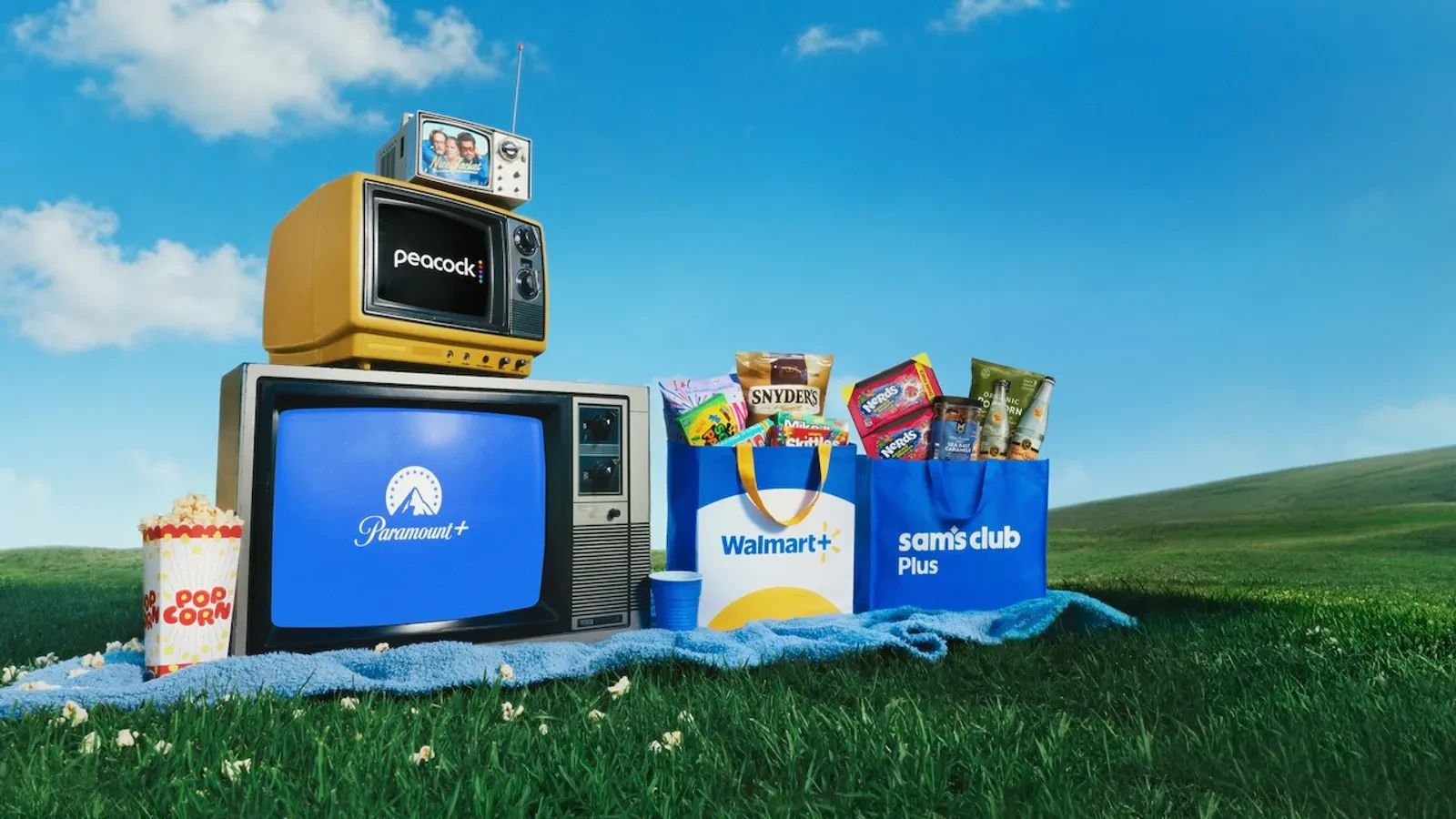
Retail giant Walmart has launched a powerful new play in the fiercely competitive battle for consumer loyalty, introducing a bundled membership package that combines Walmart+ and Sam’s Club Plus. By offering these two prominent subscription services together for a combined savings of nearly $100, the Bentonville, Arkansas-based retailer is positioning its ecosystem as an unmatched value proposition for households grappling with persistent economic pressures.
The announcement comes at a delicate economic crossroads. Consumers across the United States are navigating an environment heavily battered by rising prices and growing anxiety surrounding job security and the broader trajectory of the economy. Federal Reserve policy discussions, stubborn inflation markers, and an increasingly cautious consumer base have created a climate where shoppers are actively hunting for ways to stretch their disposable income further.
Industry analysts view the dual membership offering as Walmart’s latest and most aggressive salvo against Amazon and its dominant Prime subscription service. By uniting the digital convenience and home delivery perks of Walmart+ with the bulk-buying power and warehouse savings of Sam’s Club Plus—while incorporating choices for streaming entertainment and fuel discounts—Walmart is attempting to present a comprehensive fortress of value that outclasses competing ecosystems on paper.
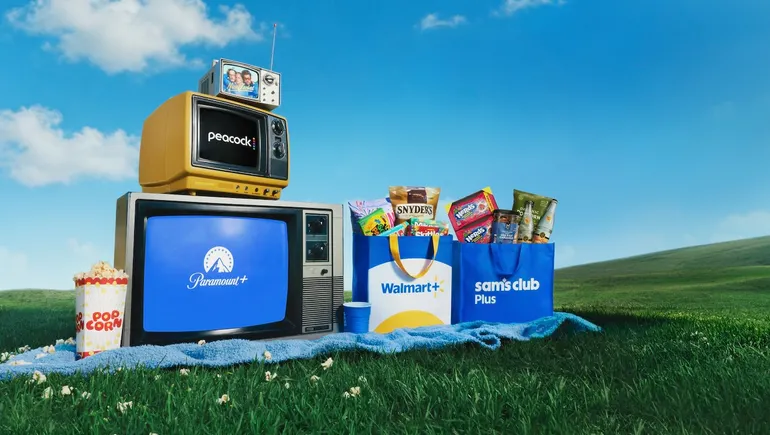
“This is a direct shot at Prime,” said Brett Rose, founder and CEO at wholesale distributor United National Consumer Suppliers, in an email commentary regarding the new bundle. Highlighting the comparative cost structure, Rose noted that a combined package priced around $120 presents a stark contrast to Amazon Prime’s $139 annual fee, while delivering a comprehensive package that incorporates a warehouse club membership, home delivery, streaming options, and fuel savings. “On paper, Walmart wins the value math easily,” he added.
The timing of the roll-out underscores a strategic push to capture recurring revenue and cement customer loyalty just as shoppers prepare for the critical holiday shopping season. By locking in consumers ahead of major spending cycles, Walmart is attempting to secure long-term behavioral commitments from shoppers who are increasingly calculated about where they spend their hard-earned dollars.
A Multibillion-Dollar Tug-of-War Over Retail Ecosystems
The introduction of the bundled membership arrives as Walmart and Amazon continue to aggressively encroach upon each other’s traditional retail strongholds. Over the past several years, Amazon has systematically worked to expand its footprint and accelerate delivery speeds into rural America. This push has required significant capital expenditure and operational scaling, including the establishment of new last-mile fulfillment stations and logistics hubs designed to cut down transit times in traditionally underserved regions of the country.
Walmart, meanwhile, is leveraging its unmatched physical infrastructure to mount a formidable counter-offensive. The company maintains an expansive physical presence that few competitors can replicate. In the United States alone, Walmart operates a staggering network of 4,615 retail stores alongside more than 600 Sam’s Club warehouse locations. This dense physical footprint allows the retailer to offer rapid fulfillment, localized curbside pickup, and immediate access to goods in a way that pure-play e-commerce operators historically struggle to match.

Furthermore, the new membership bundle incorporates a strategic streaming service option. By offering entertainment perks directly within the combined subscription, Walmart is directly targeting one of the primary pillars that has historically kept consumers tethered to Amazon Prime. The inclusion of video streaming blunts the competitive advantage of Amazon’s entertainment offerings, transforming Walmart’s ecosystem into an all-in-one destination for both household essentials and leisure.
Capturing the High-Income Shopper
Beyond appealing to budget-conscious households, Walmart has successfully expanded its appeal to higher-income demographics over recent quarters. Economic headwinds and a heightened focus on value have driven affluent shoppers through Walmart’s doors and onto its digital platforms in search of better deals without sacrificing quality or convenience.
Earlier this year, Moody’s Ratings identified Walmart as a standout winner within the broader U.S. retail environment, specifically pointing to the company’s ongoing innovation in supporting its value proposition and delivering best-in-class convenience. This ability to capture wallet share across multiple income cohorts has strengthened Walmart’s market position, and the new dual membership package is expected to serve as an effective retention tool for these newly acquired higher-income shoppers.
Despite the compelling financial savings of the bundle, retail experts caution that shifting consumer habits away from established platforms will not happen overnight. Shopping behaviors are deeply ingrained, and consumers frequently utilize different retailers for distinct purposes. According to Rose, shoppers often visit Walmart when they need low prices and immediate access to goods, while turning to Amazon out of habit and for the sake of digital convenience.

“A cheaper bundle doesn’t break that overnight and doesn’t create an imminent threat for Q4 holiday shopping,” Rose noted. “Amazon has mastered lower prices and literally patented one-click buying. It’s a different shopping experience altogether.”
The Power of Fuel Discounts and Convenience
Another key element of the Walmart+ ecosystem that continues to resonate with consumers is its fuel discount program. At a time when gas prices across most of the United States remain stubbornly high—frequently hovering well above $4 per gallon for regular fuel and even higher for diesel—discounts at the pump represent an immediate, tangible financial benefit.
Walmart’s long-standing fuel perk has widely been viewed by industry observers as a direct challenge to warehouse rival Costco, which also relies heavily on fuel stations to drive traffic to its club locations. Amazon, by contrast, has traditionally struggled to offer a permanent, deeply integrated fuel discount program, though the e-commerce giant did experiment with a temporary fuel-related promotion for Prime members around the Fourth of July holiday.
As the retail landscape heads into its busiest and most competitive months of the year, the success of Walmart’s bundled membership will ultimately rest on whether the combined savings can decisively sway consumers who are carefully weighing every recurring subscription fee. While loyalty programs and bundled perks are powerful tools for securing recurring revenue and keeping customers within a brand’s ecosystem, retail analysts emphasize that baseline product pricing and everyday value will remain the ultimate deciding factors for shoppers navigating an uncertain economic landscape.