






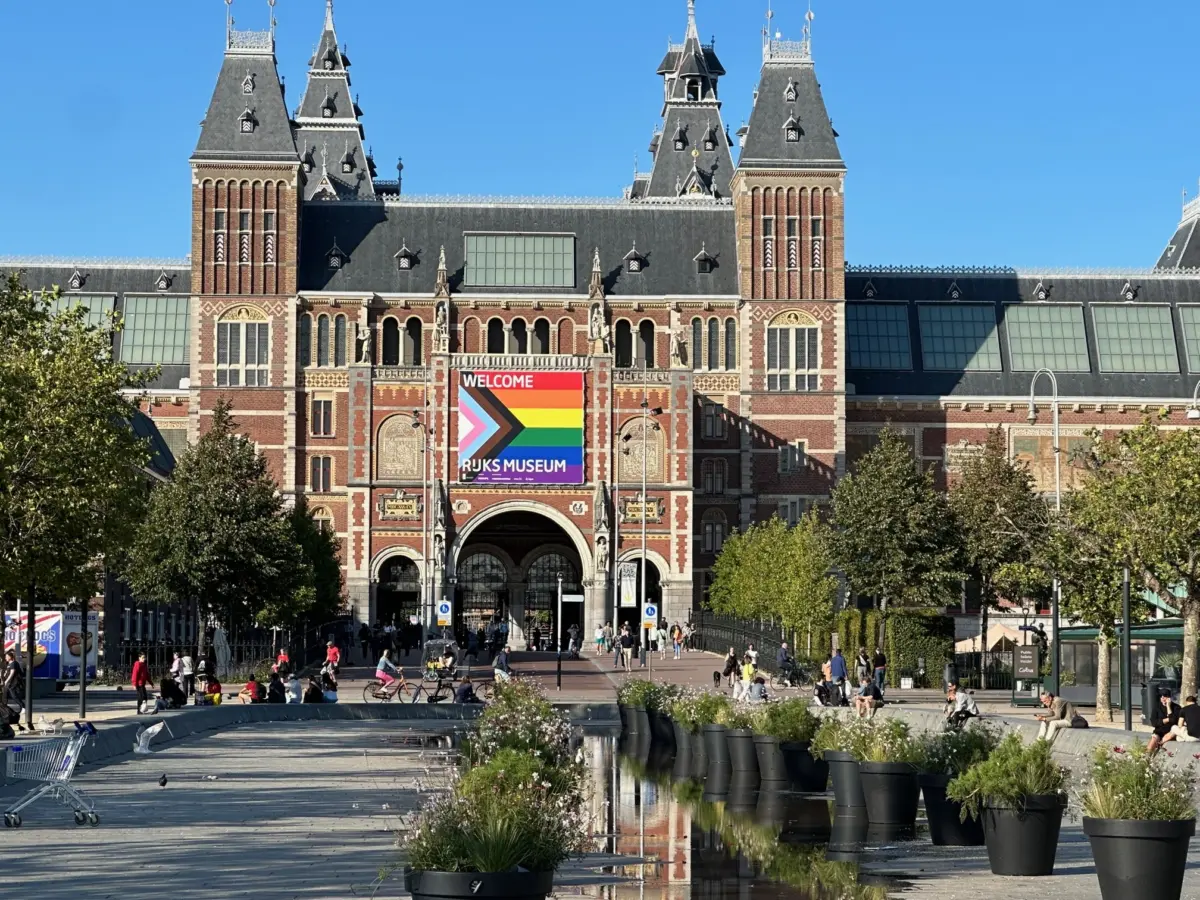
The milestone highlights a robust resurgence for the Dutch museum landscape, which has worked tirelessly over the past several years to rebuild audiences following the disruptions of the early 2020s. In 2019, prior to the global health crisis that temporarily shuttered cultural spaces worldwide, Dutch museums recorded 32.6 million visits. The 2025 figures demonstrate that the sector has recovered nearly all of that lost ground, signaling enduring public enthusiasm for history, art, and heritage across the country.
This widespread cultural engagement is further underscored by findings from the Museumvereniging’s newly published Museumcijfers 2025 report, which reveals that nearly 90% of the Dutch population visits a museum at least once a year. This exceptionally high participation rate emphasizes the deep integration of museums into the daily fabric of Dutch society, serving as community hubs, educational resources, and spaces for public reflection.
The rich tapestry of the nation’s museum sector is reflected in its institutional makeup. In 2025, the Netherlands boasted 492 registered museums, varying widely in scale, scope, and subject matter. History museums continue to form the backbone of the country’s cultural infrastructure, making up 62% of all registered institutions. These spaces preserve everything from local industrial heritage and maritime history to major national narratives. Art museums form the second-largest category, accounting for 24% of the total, drawing both domestic and international crowds to world-class collections of classical masterpieces and contemporary works alike.
One of the most striking indicators of sustained public engagement is the record-breaking utilization of the annual Museum Card. The popular subscription service, which grants holders unlimited access to participating museums across the nation, hit an unprecedented milestone in 2025 with 9.7 million visits. This figure not only highlights the card’s value for frequent museumgoers but also marks a significant milestone: visits conducted via the subscription service are now up 5% over their previous peak in 2019, demonstrating that core audiences are visiting more frequently than they did before the pandemic.
Behind these impressive visitor numbers lies a foundation of profound public trust. A recent survey conducted by research agency Ipsos I&O found that trust in Dutch museums remains remarkably high. Furthermore, the survey revealed that the vast majority of adults consider museums to be an indispensable and vital part of modern society, viewing them not merely as repositories of the past, but as active contributors to contemporary cultural life and social cohesion.
Industry leaders note that maintaining this momentum requires continuous investment in public trust and engagement. The Museumvereniging recently emphasized in a strategy analysis that the high level of public confidence is an asset that cultural institutions must actively cherish and nurture in the years ahead. As Dutch museums enter the final stretch of the decade, the combination of surging attendance figures, record subscription usage, and unwavering societal support points to a resilient and thriving cultural future for the Netherlands.