


The traditional art car has long lived a sheltered, static existence. Typically commissioned for a specific moment, photographed under studio lights, and shown once before retiring into a private collection, these rolling sculptures are rarely allowed to experience actual traffic. They are objects to be admired from behind a velvet rope, shielded from the elements and isolated from the public they were ostensibly designed to engage. Larry Warsh, however, is determined to change that paradigm. Through his newest venture with CART Department, Warsh has taken six luxury vehicles out of the showroom and sent them directly back into the pulse of city traffic, transforming standard automotive transit into an active, functional public exhibition.
Timed to coincide with the prestigious Frieze art fair, a sweeping initiative titled “A World Within” brings an original, unified body of work by Brooklyn-based artist KOZO across six of The Peninsula London’s signature vehicles. Running throughout October, the ambitious project features two Rolls-Royce Phantoms, a Bentley Bentayga, a BMW i7, an electrified Austin taxi, and an LEVC electric vehicle. Together, these six distinct automobiles comprise the hotel’s inaugural art fleet. Rather than displaying isolated designs, all six vehicles carry a single continuous composition that reads as one massive, cohesive work of art. Best of all, every car remains fully in service and available for hotel guests to book throughout the month, turning the streets of London into a moving gallery where the public can ride literally inside the art.
Redefining the Intersection of Art and Automobiles
Warsh founded the CART Department on the foundational premise that a car can and should transcend its utilitarian purpose. For him, modern automobiles have evolved well beyond simple methods of transport to become viable sculptural and conceptual art objects. Over the years, the collection behind this vision has expanded significantly, running past 70 one-of-a-kind art cars featuring contributions from legendary and contemporary figures such as Keith Haring, Barbara Kruger, Jenny Holzer, Lawrence Weiner, Rashid Johnson, and Olafur Eliasson.
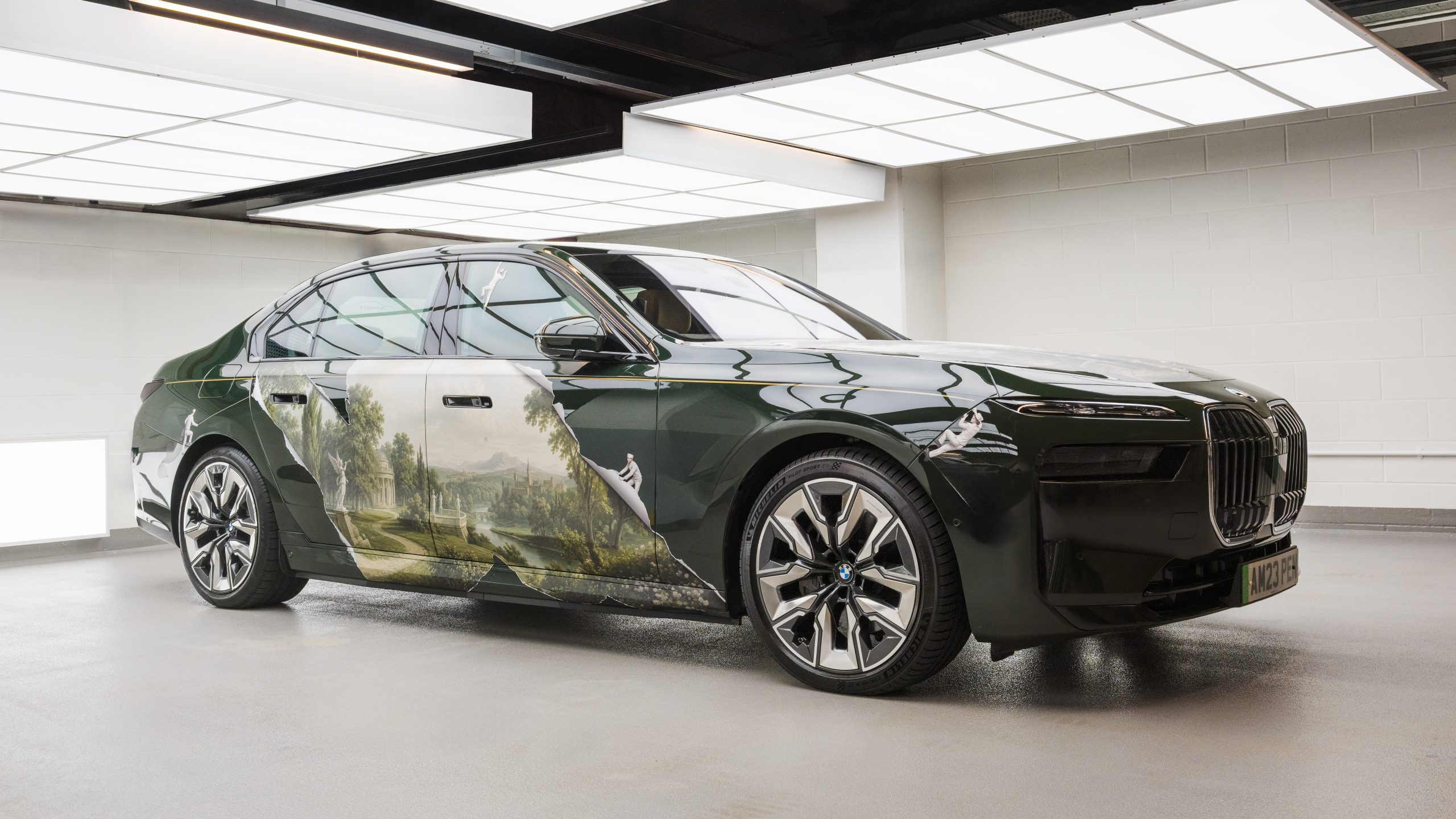
By inviting KOZO into this elite lineage, Warsh bridges the worlds of contemporary fine art and modern tattoo innovation. KOZO, renowned for his micro-realism style, has steadily reshaped the aesthetic boundaries of both tattooing and contemporary art. Translating his intricate visual language onto the metal body of a luxury automobile presented an entirely new set of creative hurdles, requiring the artist to adapt his meticulous composition to compound curves, moving parts, and reflective surfaces.
Layering Past, Present, and Pastoral Landscapes
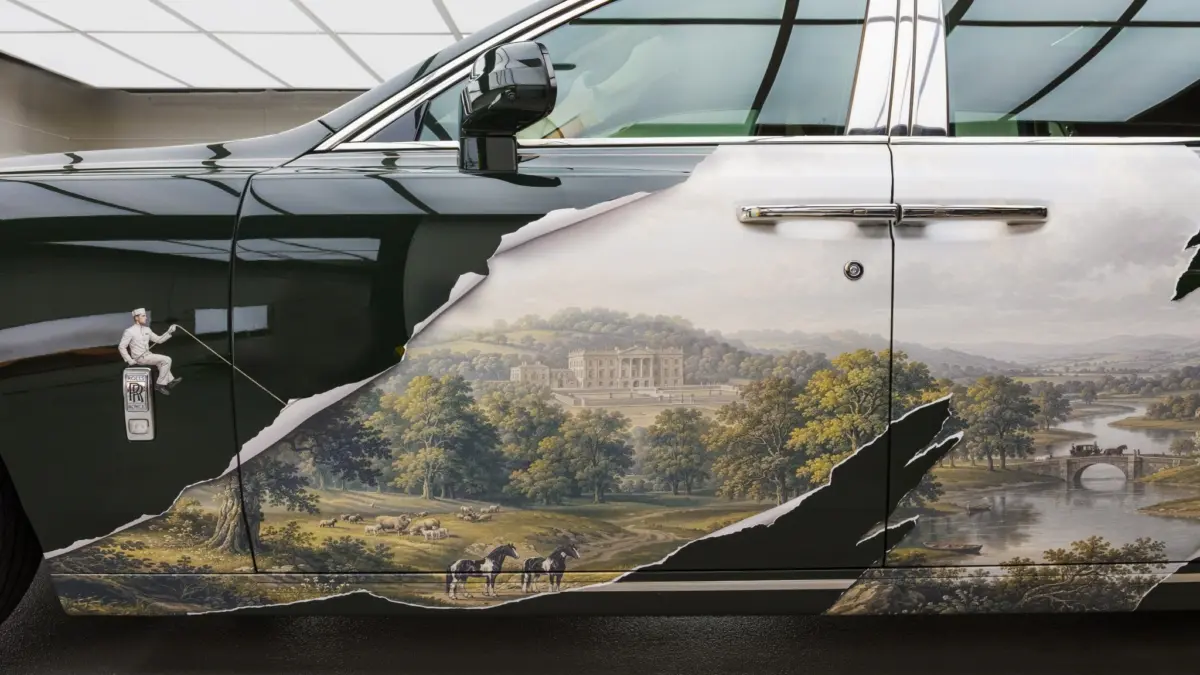
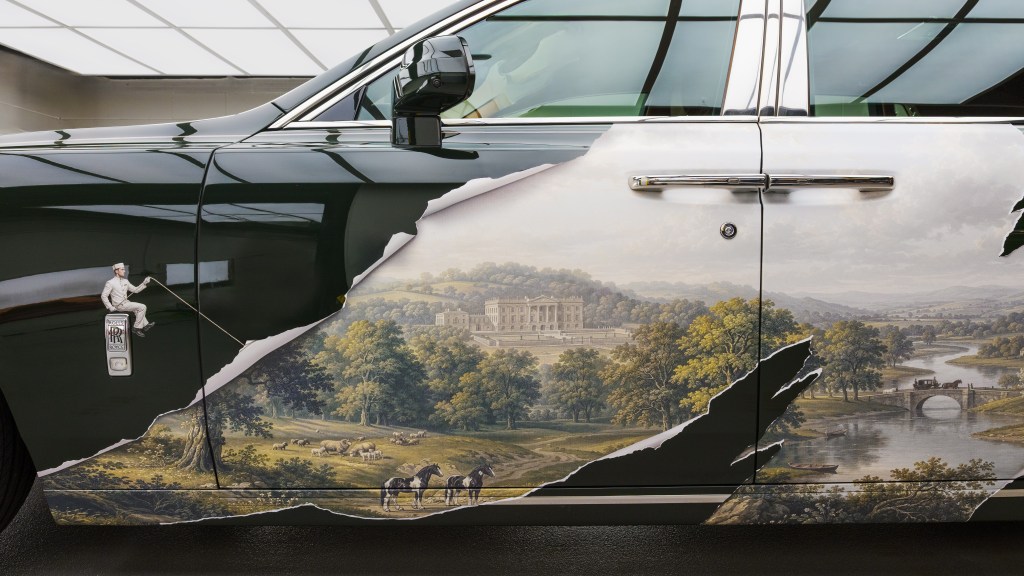
The visual narrative developed by KOZO for The Peninsula London’s fleet operates through a brilliant optical illusion. The designs are executed to look like a sheet of paper being physically torn away, with the hotel’s iconic Pages peeling back the outer monochrome skin of each car to reveal an idyllic, vibrant British landscape underneath. Lush parklands, grazing animals, and stately historic homes emerge in rich shades of green and ochre, subtly echoing the signature Peninsula Green hue. These pastoral scenes are further threaded with recognizable London motifs, including the hotel’s Guardian Lions and landmarks such as the Wellington Arch.
The juxtaposition is striking. The three-dimensional depth of the pastoral landscape sits in direct contrast against the flatter, monochrome figures of the Peninsula Pages, whose clean outlines channel a traditional tattoo-flash graphic style. This design choice ensures that the historical scenes being uncovered remain visually distinct from the present-day figures discovering them.
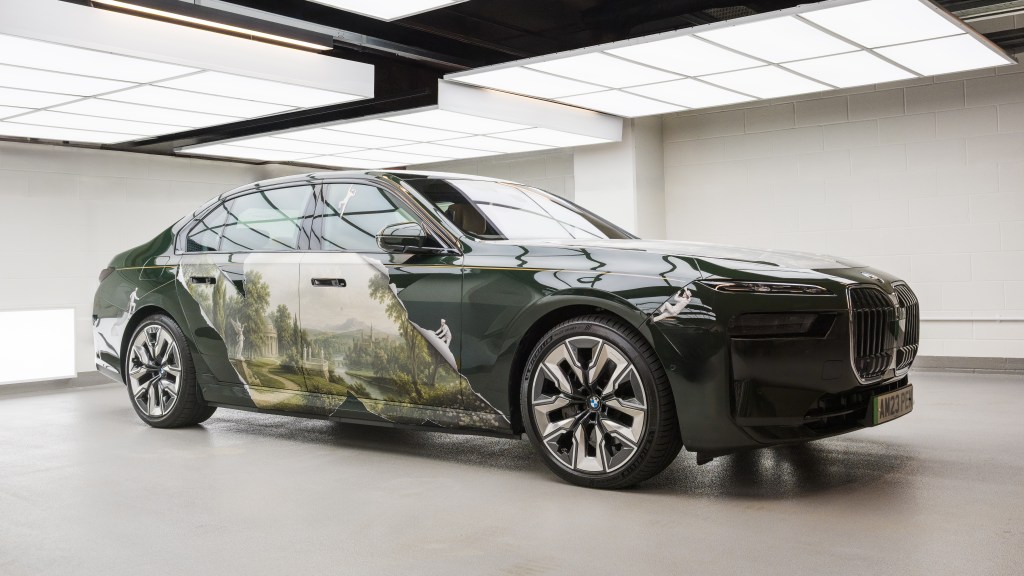
According to KOZO, the collection is intentionally designed to bring the past and present into direct conversation. By creating these unexpected visual juxtapositions, the artist aims to make history and myth feel alive again. The project invites the viewer to step beyond the role of a passive observer and become part of the story quite literally by journeying within the art fleet itself, allowing the deep heritage of The Peninsula to surface through the skin of a modern, functioning vehicle.
Translating Fine Art to a Moving Vessel
The technical execution of the project was as demanding as its conceptual framework. The entire undertaking required three months of intensive planning, during which KOZO conceived and applied the work, starting from digital sketches laid directly over photographs of each specific vehicle model. Once finalized, the complex artwork was fabricated into high-grade vinyl wraps by the expert detailing team at Topaz, working in close collaboration with The Peninsula.
Because a car is fundamentally different from a blank white canvas, KOZO had to carefully account for the unique proportions, curves, and functional elements of each individual model in the fleet. The shape of the hood, trunk, doors, and even minor hardware like side reflectors dictated how the composition flowed across the vehicle. Every line had to be carefully considered so that the final graphic would remain clear, legible, and striking even when the car was moving at high speeds through London traffic.
A Century-Deep Heritage Rooted in Cars
For Warsh, this partnership represents a natural alignment with the core identity of The Peninsula brand, whose relationship with the automobile spans nearly a century. This automotive heritage traces all the way back to a historic, record-setting order of Rolls-Royce Phantoms in Hong Kong, cementing the vehicle as an extension of the hotel’s legendary hospitality.
Warsh notes that evidence of this deep-rooted connection can be found throughout the property, from the dedicated fleet on the ground level up to the eighth floor, which features a sophisticated, car-themed restaurant that honors the brand’s automotive history in a refined manner. Warsh’s own relationship with The Peninsula predates the current fleet, having previously arranged to exhibit a David Hockney BMW art car at the hotel—an early seed that ultimately blossomed into this month-long exhibition. For the organizers, seeing the project come to fruition feels like coming full circle.
Bringing Fine Art Beyond Museum Walls
At its core, the project champions the philosophy of accessibility. Warsh has long championed the automobile as a powerful vehicle for cultural outreach, viewing it as a bridge capable of carrying fine art far past the insular audiences that traditionally frequent galleries and museums. By placing these unique art cars on the public streets of London during Frieze week, the organizers ensure that the work engages not just the elite art world, but everyday commuters, international travelers, and curious pedestrians alike.
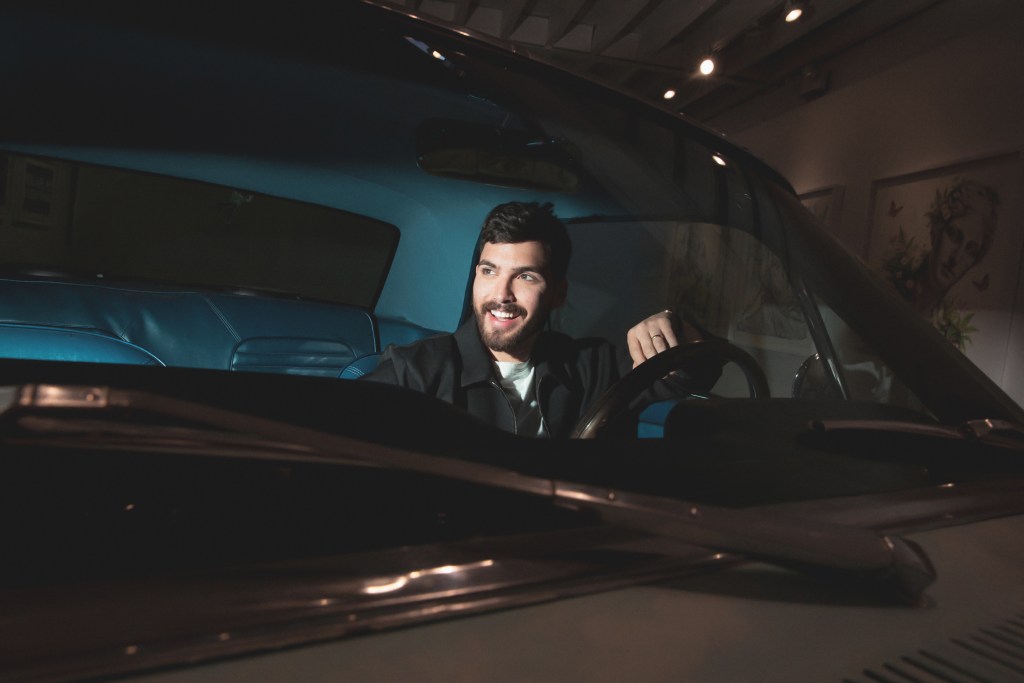
The Peninsula brings a uniquely global and worldly audience to the table, while Frieze week concentrates the world’s most attentive art enthusiasts right in the city. By merging these worlds, the project successfully brings contemporary art directly to non-art audiences in an unexpected and delightful format.
Throughout October, these six extraordinary vehicles remain out on the street and in constant motion, defying the traditional fate of the stationary museum piece. By rejecting the idea that art cars must remain locked behind ropes or confined to static displays, Warsh and KOZO have successfully engineered a dynamic gallery experience—one that you can not only look at, but climb inside and ride in style.