





The manufacturing origin of the faulty ultra-thin prophylactics has been traced back to Malaysia, where they were produced by the manufacturer Richter Robber Technology. However, rigorous quality control inspections and subsequent investigations by French authorities revealed significant discrepancies concerning both the quality and the thickness of the latex material utilized in production. These manufacturing inconsistencies represent a direct and concerning breach of established European safety regulations, prompting immediate regulatory intervention to protect public health.
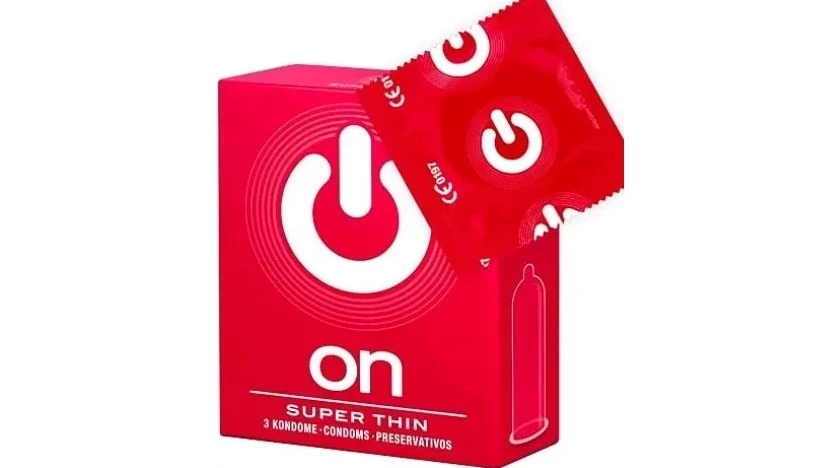
The affected product line-up encompasses a diverse spectrum of commercial labels, ranging from large-scale mainstream manufacturers to smaller, niche producers that market their goods under eco-friendly, fair trade, or sustainable banners. Among the affected brand names identified in the French recall directive are Vitalis, Einhorn, ON, and Joy Division, highlighting the widespread commercial footprint of the compromised batches across various retail channels. Many of these brands have cultivated a following among consumers seeking alternative or ethically produced wellness products, making the discovery of these structural flaws particularly troubling for buyers who prioritize certified safety and ethical standards.
In response to the French government’s actions, the Netherlands’ Healthcare and Youth Care Inspectorate (IGJ) has stepped in to reinforce the safety message locally. The Dutch inspectorate has strongly advised consumers and domestic importers alike to avoid purchasing or using the implicated condom brands, emphasizing the substantial public health risks involved. Specifically, the IGJ highlighted the heightened danger of sexually transmitted infections (STIs) spreading due to the compromised barrier protection offered by the defective latex. Furthermore, the Dutch watchdog announced that it is closely monitoring the situation and will evaluate whether further regulatory measures are necessary to prevent these hazardous products from being sold illegally through online marketplaces operating within the Netherlands.
The implications of using defective barrier methods extend far beyond simple manufacturing non-compliance, prompting public health officials to issue explicit medical recommendations for potentially affected individuals. Both French and Dutch health authorities have advised anyone who has used any of the recalled condoms to proactively undergo testing for sexually transmitted infections to rule out any potential exposure. Additionally, female consumers who have utilized the compromised products have been advised to take pregnancy tests if their menstrual period is late, ensuring that any unintended consequences of the product failures are addressed swiftly and effectively.
For consumers seeking to verify whether the items in their possession are part of the recalled batches, comprehensive documentation has been made publicly available. The full list of affected brand names, batch numbers, and identifying details can be accessed directly on the official French government website dedicated to product recalls, known as Rappel. As regulatory bodies continue to trace the distribution networks and coordinate cross-border enforcement, authorities across the European Union remain vigilant in ensuring that hazardous goods are entirely removed from circulation and that consumers are adequately informed of the risks.